- Company Articles
- Products and Technology
- Procurement Guidelines
- What Thickness Should Your Aluminum Side Guard Be? A Buyer's Guide

What Thickness Should Your Aluminum Side Guard Be? A Buyer's Guide
Related Product
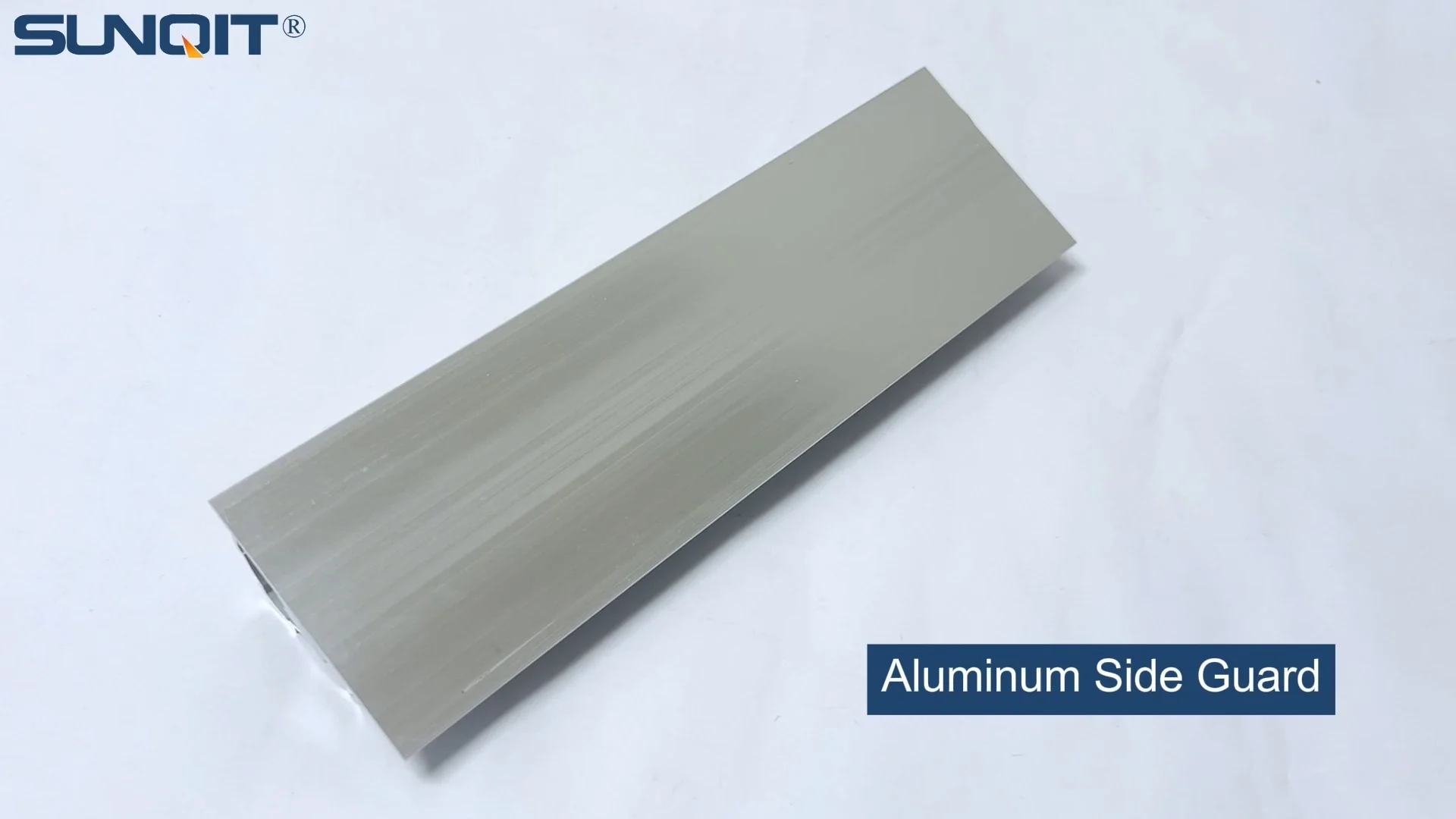
Aluminum Side Guard
Aluminum side guard, it works with a aluminum pipe or a roller track as side guard to prevent material drop,or move to wrong direction.
If you've ever walked through a manufacturing plant, warehouse, or logistics hub, you've probably seen them: sleek, silver barriers running alongside conveyor belts, workbenches, or material racks. These are aluminum side guards—unassuming but critical components that protect equipment, workers, and inventory from collisions, slips, and spills. But here's the question that often stumps buyers: What thickness should these guards be? Choose too thin, and you're looking at frequent replacements and safety risks. Go too thick, and you're overspending on material and adding unnecessary weight to your setup. In this guide, we'll break down the factors that influence this decision, walk through real-world scenarios, and help you pick the perfect thickness for your needs—whether you're outfitting a small workshop or a large-scale production line.
Why Thickness Matters: More Than Just a Number
At first glance, aluminum side guard thickness might seem like a minor detail. After all, isn't any metal barrier better than none? But in reality, thickness directly impacts four key areas that make or break your investment:
Durability
Thinner aluminum bends or dents under pressure; thicker options resist deformation. In a busy facility where pallet jacks or forklifts brush against guards daily, a 0.8mm guard might warp in weeks, while a 2.0mm version could last years.
Load Capacity
Side guards often double as supports for lightweight items or handrails. A 1.2mm guard might sag if you rest a 20kg box against it, but a 1.5mm guard stays rigid—critical for maintaining workflow efficiency.
Safety
A thin guard that cracks on impact can create sharp edges, turning a minor collision into a laceration risk. Thicker guards absorb shock, protecting both workers and the equipment they're shielding (like sensitive electronics on an aluminum workbench).
Cost Efficiency
Thicker aluminum costs more upfront, but replacing a flimsy guard every few months adds up. Conversely, overbuying thickness for low-risk areas wastes budget that could go toward other tools.
5 Factors That Dictate the Right Thickness
Choosing thickness isn't about guessing—it's about analyzing your unique environment. Here's what to consider:
1. Application: What Are You Protecting, and From What?
Start by defining the guard's job. Is it lining a conveyor belt to keep boxes from sliding off? Securing the edges of a material rack b (3 row and 3 floor) in a warehouse? Or shielding an aluminum workbench in a lab where only the occasional cart passes by?
Example: A conveyor in a distribution center handles 50kg packages that sometimes shift. The guard here needs to withstand repeated nudges from these boxes—opt for 1.5mm to 2.0mm. But a guard on a turnover trolley used to carry small parts? 0.8mm to 1.0mm is likely enough.
2. Load: Static vs. Dynamic Pressure
Guards face two types of loads: static (stationary weight, like tools resting on them) and dynamic (moving force, like a cart hitting them). Dynamic loads are far more stressful—even a slow-moving collision can exert 10x more pressure than a static load.
Rule of Thumb: For static loads under 10kg, 1.0mm works. For dynamic loads (e.g., frequent cart traffic), bump up to 1.5mm+. If forklifts are nearby, 2.5mm to 3.0mm is safer.
3. Environment: Corrosion, Temperature, and Space
Aluminum naturally resists rust, but in humid or chemical-heavy areas (like a food processing plant with daily washdowns), a thicker guard can better withstand pitting over time. Similarly, extreme temperatures (freezers or foundries) make metal more brittle—thicker aluminum holds up better here.
Space is another factor: In tight aisles, a bulky 3.0mm guard might restrict movement. Instead, use a 2.0mm aluminum extrusion profile with reinforced edges (via aluminum profile accessories) to save space without sacrificing strength.
4. Material and Alloy: It's Not Just About Thickness
Aluminum side guards are typically made from 6061 or 6063 alloys—common in aluminum extrusion profiles for their balance of strength and workability. But even within these, temper (hardness) matters: T6 temper is stronger than T5, so a 1.2mm T6 guard can outperform a 1.5mm T5 guard in some cases.
Always ask your supplier: "Is this an aluminum extrusion profile with a T6 temper?" It could let you use a thinner guard without compromising durability.
5. Installation: How Will It Attach?
A guard is only as strong as its mounting. If you're attaching it to a flimsy frame, even thick aluminum will flex. But when mounted to a sturdy aluminum profile (like 4040 or 3030 series) using aluminum profile accessories (brackets, screws, or internal rotatary aluminum joints), you can rely on thinner guards because the profile shares the load.
Pro Tip: Use roller track placon mount brackets or parallel fixation aluminum pipe joints to distribute weight evenly across the guard, reducing stress on any single point.

Common Thickness Ranges and When to Use Them
Most suppliers offer aluminum side guards in thicknesses from 0.8mm to 3.0mm. Here's a breakdown of the sweet spots:
| Thickness Range | Best For | Key Applications | Limitations |
|---|---|---|---|
| 0.8mm – 1.0mm | Light-duty, low-impact | Aluminum workbench edges, small turnover trolleys, lab equipment guards | Cannot handle dynamic loads; dents easily with collisions |
| 1.2mm – 1.5mm | Moderate use, occasional impacts | Conveyor systems, material rack b (light to medium loads), office furniture guards | Good for static loads up to 20kg; withstands minor cart bumps |
| 1.8mm – 2.0mm | Heavy industrial, regular traffic | Warehouse material racks, production line conveyors, forklift-accessible areas | Handles dynamic loads up to 50kg; resists most accidental collisions |
| 2.5mm – 3.0mm | Extreme conditions, high impact | Automotive assembly lines, construction sites, heavy machinery perimeters | Overkill for light use; adds weight and cost |
*Always pair thickness with the right alloy and temper. A 1.5mm 6061-T6 guard is stronger than a 2.0mm 6063-T5 guard in dynamic load scenarios.

Real-World Case Studies: Thickness in Action
Theory is helpful, but nothing beats seeing how thickness choices play out on the ground. Here are three examples from actual facilities:
Case 1: Electronics Manufacturing Workbench
Setup: An aluminum workbench E (single deck-without caster) in a cleanroom where workers assemble circuit boards. The guard runs along the bench's edge to prevent tools from falling off.
Threats: Only static loads (tools, small parts) and rare, light collisions (workers' elbows, occasional cart passes).
Chosen Thickness: 1.0mm aluminum extrusion profile with a smooth finish (to avoid scratching delicate parts). Paired with aluminum profile accessories like edge trim to soften the surface.
Result: After 2 years, the guard shows no dents or warping. The thin profile keeps the bench lightweight, making it easy to reposition during layout changes.
Case 2: Food Distribution Conveyor System
Setup: A roller conveyor in a warehouse moving 30kg food crates. Guards line both sides to keep crates aligned and prevent falls.
Threats: Dynamic loads (shifting crates), daily washdowns with mild detergents, occasional collisions from pallet jacks.
Chosen Thickness: 1.8mm aluminum with a corrosion-resistant coating. Mounted to 4040 aluminum profiles using stainless steel fasteners (aluminum profile accessories).
Result: 18 months in, the guards have minor scuffs but no bending. The thickness handles the crate pressure, and the coating resists water damage from washdowns.
Case 3: Automotive Assembly Line Material Rack
Setup: A material rack b (3 row and 3 floor) storing heavy car parts (engines, transmissions). Forklifts load/unload parts 20+ times daily, with occasional near-misses with the rack.
Threats: High dynamic impact risk, static loads up to 200kg per shelf, constant vibration from machinery.
Chosen Thickness: 2.5mm aluminum extrusion profile with reinforced corners. Attached to the rack using parallel fixation aluminum pipe joints for extra stability.
Result: 3 years of use, and the guards have only minor dents from a few accidental forklift bumps. No failures or need for replacement—proving that investing in thickness here saved on long-term costs.
How to Choose: A Step-by-Step Decision Guide
Still unsure? Follow this process to narrow it down:
1
Map Your Threats
Walk your facility and note where the guard will go. How often do carts pass by? Are forklifts nearby? What's the heaviest item that might hit it? Jot these down.
2
Calculate Loads
Estimate static loads (max weight resting on the guard) and dynamic loads (force from collisions). Use a simple formula: Dynamic load = mass of moving object × speed (even slow speeds matter!).
3
Check Standards
OSHA, ISO, or industry-specific rules might mandate minimum thicknesses. For example, OSHA requires guards on conveyor systems to withstand 50lbs of force—easily met with 1.5mm+ aluminum.
4
Consult Your Supplier
A reputable lean pipe supplier or aluminum profile supplier can run stress tests or share case studies similar to your setup. They'll also help you pair the guard with the right aluminum profile accessories (brackets, joints) to maximize strength.
5
Test and Adjust
Install a small section of your chosen thickness first. Monitor it for 2–4 weeks. If you see bending or dents, upgrade. If it looks untouched, maybe downgrade for cost savings elsewhere.
Final Thoughts: It's About Balance
Choosing the right aluminum side guard thickness isn't about picking the thickest or cheapest option—it's about finding the sweet spot where protection, durability, and cost align. Whether you're outfitting a small workshop with an aluminum workbench or a sprawling warehouse with material rack b units, the key is to start with your unique needs, not a one-size-fits-all solution.
And remember: Even the best thickness choice falls flat if paired with low-quality materials or shoddy installation. Partner with a lean system supplier who specializes in aluminum extrusion profiles and can guide you through material selection, thickness, and aluminum profile accessories. With the right guard in place, you'll protect your equipment, workers, and budget for years to come.