- Company Articles
- Products and Technology
- Procurement Guidelines
- What to Look for When Buying Aluminum Pipe Clamps: Buyer's Checklist

What to Look for When Buying Aluminum Pipe Clamps: Buyer's Checklist
Related Product
Aluminum Pipe Clamp
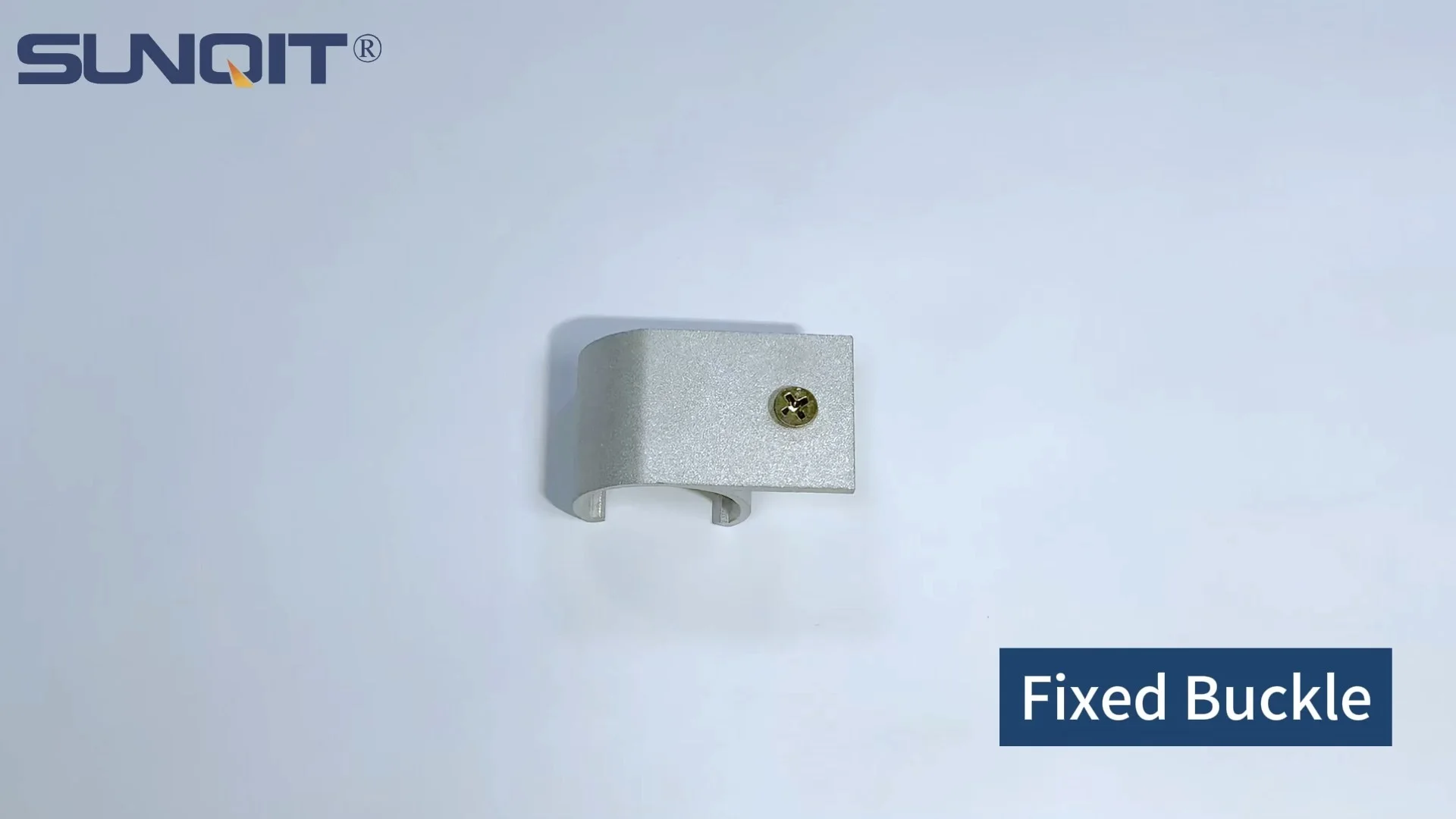
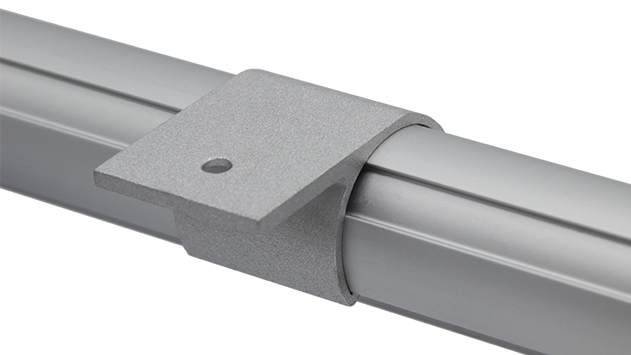
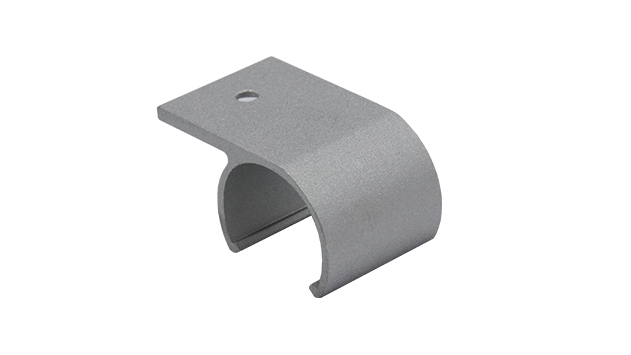
Aluminum pipe side clamp used for 28mm aluminum pipe connect with table top, or other accessories.
If you've ever spent hours assembling a workbench, setting up a material rack, or building a lean production line, you know the unsung heroes holding everything together: aluminum pipe clamps. These small but mighty components are the glue of modular systems, ensuring stability, flexibility, and durability in everything from factory floors to workshop benches. But here's the thing—not all clamps are created equal. Choose the wrong one, and you'll end up with wobbly structures, frequent replacements, or even safety hazards. That's why we've put together this no-nonsense buyer's checklist to help you navigate the world of aluminum pipe clamps like a pro. Whether you're a seasoned manufacturer sourcing parts for a lean system or a small business owner building a custom workstation, these insights will save you time, money, and headaches down the line.
1. Start with the Basics: Material Quality
Aluminum pipe clamps might look similar at first glance, but their performance starts with what's under the surface—literally. The quality of the aluminum used directly impacts strength, weight, and resistance to wear and tear. Let's break down what you need to know.
First, check the aluminum grade. Most clamps are made from either 6061 or 6063 aluminum alloys, and there's a reason these are industry standards. 6061 is known for its high tensile strength and excellent machinability, making it ideal for heavy-duty applications where load-bearing is critical—think material racks holding bulky components or conveyor systems moving products across the factory. 6063, on the other hand, offers better corrosion resistance and a smoother finish, which is perfect for environments like cleanrooms or food processing facilities where aesthetics and hygiene matter. Avoid generic "aluminum" clamps without a grade specified; they might be made from lower-quality alloys that bend or crack under stress.
Next, look at the alloy composition. Reputable manufacturers will list elements like magnesium, silicon, and copper in their specs. Magnesium boosts strength, while silicon improves castability—both key for clamps that need to maintain their shape under pressure. You might also see terms like "heat-treated" or "T6 temper." Heat treatment (like T6) strengthens the aluminum by altering its microstructure, making the clamp more resistant to deformation. A quick test? Gently squeeze the clamp with pliers (don't overdo it!). A high-quality clamp will spring back without bending; a cheap one might warp or creak.
Finally, consider the finish. Anodized clamps are a must for most industrial settings. Anodization creates a protective oxide layer on the surface, shielding against rust, scratches, and chemical exposure. Look for a uniform, matte finish—patchy or glossy areas could mean shoddy anodizing that wears off quickly. In humid workshops or outdoor applications, this extra layer isn't just cosmetic; it's the difference between a clamp that lasts five years and one that corroded in six months.
2. Size and Compatibility: Measure Twice, Buy Once
You wouldn't buy shoes without checking the size, right? The same logic applies to aluminum pipe clamps. A clamp that's too loose won't hold the pipe securely; one that's too tight might crack the pipe or strip the threads. Getting the size right starts with understanding two key measurements: the pipe diameter and the clamp's opening size.
Most aluminum pipe systems use standard diameters: 20mm, 30mm, 40mm, and 50mm are the most common. Your clamp's opening size should match this diameter exactly. For example, a 30mm pipe needs a clamp with a 30mm opening. Sounds simple, but here's where mistakes happen: some manufacturers list "nominal" sizes (rounded numbers) instead of actual measurements. A clamp labeled "30mm" might actually have an opening of 29.5mm or 30.5mm—close, but not close enough for a snug fit. Always ask for the actual inner diameter of the clamp, and measure your pipes with a caliper to confirm. Trust us, that extra minute of measuring will save you from returning a box of mismatched clamps.
Compatibility doesn't stop at pipe diameter, though. If you're using the clamp with aluminum profiles (like T-slot aluminum extrusion profiles) or lean pipes, you'll need to ensure it plays well with those systems. For T-slot profiles, check if the clamp has a T-bolt or slider that fits the slot width (common slot sizes are 6mm, 8mm, and 10mm). For lean pipe systems, some clamps are designed to work with specific joint types, like internal rotatary aluminum joints or parallel aluminum joint a. Mismatched parts here can lead to instability—imagine building a workbench where the clamps slide out of the T-slots every time you lean on it. Not ideal.
| Common Pipe Diameter | Clamp Opening Size (Actual) | Typical Use Case | Compatible With |
|---|---|---|---|
| 20mm | 20.0mm ± 0.2mm | Light-duty workbenches, small trolleys | 2020 aluminum profiles, mini aluminum roller tracks |
| 30mm | 30.0mm ± 0.3mm | Material racks, conveyor supports | 3030 aluminum profiles, lean pipe joints |
| 40mm | 40.0mm ± 0.4mm | Heavy-duty production lines, industrial workstations | 4040 aluminum profiles, 40 steel roller tracks |
| 50mm | 50.0mm ± 0.5mm | Large material handling systems, outdoor structures | 50x50 aluminum extrusion profiles, stainless steel pipe series |
Pro tip: If you're mixing and matching components from different suppliers (e.g., a clamp from one brand and a pipe from another), request a sample first. Most reputable aluminum pipe suppliers will send a small sample clamp so you can test the fit before placing a bulk order. It's a small investment that prevents big headaches.
3. Load Capacity: How Much Weight Can It Really Hold?
Here's a scary scenario: You build a material rack with aluminum pipe clamps, load it with 50kg of parts, and halfway through the day, the whole thing collapses. Why? Because you underestimated the clamp's load capacity. Load capacity is the maximum weight a clamp can support without failing, and it's non-negotiable for safety and performance. But how do you figure out if a clamp can handle your needs?
First, distinguish between static and dynamic loads. Static load is the weight the clamp holds when everything is stationary—like a stack of boxes on a shelf. Dynamic load is when the weight is moving, such as products sliding down a roller track or a trolley being pushed across the floor. Dynamic loads are harder on clamps because they add extra stress from vibration and momentum. A clamp rated for 100kg static might only handle 70kg dynamically, so always check both specs.
Manufacturers should list load capacities in their product specs, but don't just take their word for it. Look for third-party testing certifications, like ISO or ASTM standards, which ensure the ratings are backed by independent labs. If a supplier can't provide test reports, that's a red flag. Also, consider the number of clamps per joint. If you're connecting two pipes at a right angle, using two clamps (one on each side) will distribute the load better than one, increasing the total capacity of the joint.
Another factor is the clamp's design. Clamps with a "U" shape or reinforced edges generally handle more weight than flimsy, flat designs. Look for features like thicker walls (at least 2mm for heavy-duty use) and rounded corners (which reduce stress points). Avoid clamps with plastic components in high-load areas—while plastic is fine for light use, metal-to-metal contact is more reliable for heavy loads. Remember: Overloading a clamp isn't just about the clamp failing; it can damage the entire structure, leading to costly downtime or injuries.
4. Joint and Accessory Compatibility
Aluminum pipe clamps rarely work alone. They're part of a ecosystem that includes aluminum pipe joints, caster wheels, roller tracks, and aluminum profile accessories. If your clamp doesn't play nice with these components, your modular system becomes a frustrating puzzle with missing pieces. Let's break down the key compatibility checks.
First, aluminum pipe joints. These come in all shapes: 90° aluminum pipe joint inside connection, 45° aluminum pipe joint outside connection, three way aluminum pipe joint—the list goes on. Your clamp should align with the joint's design. For example, a parallel aluminum joint b (used to connect two parallel pipes) might require a clamp with a flat base to sit flush against the joint. A 90° crossing joint, on the other hand, might need a clamp with a notch to avoid overlapping with the joint's arms. If the clamp and joint don't align, you'll end up with gaps or uneven pressure, weakening the connection.
Then there are T-slot aluminum profiles. These are the backbone of many modular systems, with slots that let you attach accessories like workbenches, shelves, or conveyor brackets. If your clamp is meant to mount to a T-slot profile, check that it has the right hardware: T-bolts, sliding nuts, or brackets that fit the slot size. A clamp with an M6 T-bolt won't work with an 8mm slot, for example. Some clamps even come with built-in T-slot adapters, which save time on assembly—definitely a plus if you're working with profiles.
Don't forget about smaller accessories, too. If you're adding caster wheels to a trolley, the clamps holding the vertical pipes need to accommodate the caster's mounting plate. Similarly, roller track systems (like plastic roller track guide rail yellow or aluminum guide rail a) often require clamps with holes or slots to attach the track brackets. The goal here is to build a system where every part clicks together seamlessly—no jury-rigging with zip ties or extra screws. Ask the supplier if they offer sample kits with clamps, joints, and accessories; testing the whole system before buying in bulk is worth the small cost.

5. Corrosion Resistance: Fight the Elements
Aluminum is naturally resistant to corrosion, thanks to a thin oxide layer that forms on its surface. But that doesn't mean it's invincible—especially in harsh environments. If your clamps will be exposed to moisture, chemicals, or salt (like in a food processing plant or coastal workshop), you need to up the ante on corrosion protection.
Anodization is the first line of defense. As we mentioned earlier, anodizing thickens the oxide layer, making it more resistant to scratches and corrosion. Look for clamps with a type II or type III anodized finish—type III (hard anodizing) is thicker and more durable, ideal for high-wear areas. The color can also be a clue: clear or natural anodization offers basic protection, while colored finishes (like black or silver) often include extra coatings for added resistance. Avoid clamps with a "bright dip" finish alone, which is just a polish and won't protect against corrosion long-term.
For extreme environments, consider clamps with additional coatings, like powder coating or electroplating. Powder coating adds a layer of polymer that's tough against chemicals and UV rays, making it great for outdoor use or areas with frequent cleaning (hello, medical facilities!). Electroplated clamps (with zinc or nickel) are rare in aluminum, but they're an option if you need extra durability. Just be aware that coatings can add thickness—if you're working with tight tolerances, check that the coated clamp still fits your pipes.
Maintenance matters too, even with corrosion-resistant clamps. In humid areas, wipe down clamps periodically with a dry cloth to prevent moisture buildup. If you notice scratches in the anodized layer, touch them up with a clear sealant to stop corrosion from spreading. Think of it like sunscreen for your clamps—prevention is easier than fixing damage later.
6. Ease of Installation: Time Is Money
Let's be real: No one wants to spend an afternoon wrestling with a single clamp. The best aluminum pipe clamps are designed to be installed quickly, with minimal tools and frustration. Here's what to look for in terms of user-friendliness.
First, the fastening mechanism. Clamps typically use screws, bolts, or levers to tighten around the pipe. Thumb screws or wing nuts are great for quick adjustments—no wrench needed—while hex bolts offer a tighter, more permanent hold. If you'll be disassembling and reconfiguring the system often (common in lean manufacturing), lever-style clamps or cam locks are a game-changer; they can be opened and closed in seconds. Avoid clamps with tiny, hard-to-reach screws—you'll end up hunting for a mini screwdriver every time you need to make a change.
Tool compatibility is another factor. Most clamps use standard tools (Phillips screwdrivers, hex keys), but some require specialty tools that add to your costs. If your team already uses, say, 5mm hex keys for other equipment, choosing clamps with 5mm bolts will keep things consistent. Also, check if the clamp has built-in features to prevent over-tightening, like a torque limiter or a stop that keeps the screw from stripping the threads. Over-tightening is a common mistake that can crack the pipe or damage the clamp—save your team the stress with user-friendly designs.
Finally, consider adjustability. Modular systems are all about flexibility, so your clamps should let you fine-tune angles and positions. Look for clamps that swivel, rotate, or slide along the pipe (within reason—you don't want them sliding on their own!). For example, a clamp that can rotate 360° makes it easier to align pipes at odd angles, while one with a slotted base lets you adjust the position along a T-slot profile. The less time you spend adjusting clamps, the more time you spend on actual production.
7. Supplier Reliability: Trust the Source
Even the best clamp design is useless if the supplier can't deliver consistent quality. When buying aluminum pipe clamps, your choice of supplier matters as much as the product itself. Here's how to separate the pros from the fly-by-night operations.
Start with reputation. Look for suppliers with years of experience in lean pipe and accessories or aluminum profile systems—they've likely ironed out the kinks in their manufacturing process. Check online reviews, but take them with a grain of salt; instead, ask for references from other customers in your industry. A supplier who's proud of their work will happily connect you with clients who can vouch for their products.
Certifications are another clue. ISO 9001 certification means the supplier follows strict quality management standards, while RoHS compliance ensures their products are free of harmful substances (important if you're selling to the EU or healthcare sector). If you're in a regulated industry (like aerospace or automotive), look for suppliers with industry-specific certifications, like IATF 16949.
Inventory and lead times are practical concerns too. A supplier with a large in-stock inventory can ship your clamps quickly, avoiding production delays. If you need custom clamps (like a specific size or finish), ask about their customization process and turnaround times—some suppliers take weeks, others can deliver in days. Also, check their return policy: A supplier who stands behind their products will offer a reasonable return window if the clamps don't meet your specs.
Customer service is the final piece of the puzzle. You want a supplier who answers the phone when you have questions, provides detailed product specs, and helps you troubleshoot issues. Avoid suppliers who are vague about their products or slow to respond—you don't need that stress when you're in the middle of a project. Remember, this is a partnership; your supplier should be as invested in your success as you are.
8. Price vs. Quality: Don't Skimp on the Essentials
We get it—budgets are tight, and it's tempting to go for the cheapest aluminum pipe clamps you can find. But here's the truth: A $1 clamp that fails after a month will cost you more than a $3 clamp that lasts five years. When it comes to clamps, quality should always trump price—but that doesn't mean you have to overspend. Here's how to balance the two.
First, calculate the total cost of ownership (TCO). TCO includes not just the upfront price of the clamps, but also replacement costs, downtime from failures, and labor for repairs. A cheap clamp might save you $2 per unit now, but if it causes a workbench to collapse and damage $500 worth of parts, the savings vanish. On the flip side, an overpriced clamp with features you don't need (like gold plating or custom engravings) is a waste of money. Focus on the specs that matter: material quality, load capacity, and compatibility.
Buy in bulk, but not blindly. Suppliers often offer discounts for large orders, which can lower the per-unit cost. But only buy as much as you need for the next 6–12 months—if you change your system design or switch to a different pipe size, you'll be stuck with unused clamps. Also, compare prices from 2–3 suppliers to get a sense of the market rate. If one supplier's price is significantly lower than the others, ask why—are they using lower-grade aluminum? Cutting corners on anodization? There's usually a catch.
Finally, consider the long-term benefits of quality clamps. A well-made clamp reduces the risk of accidents, which lowers insurance costs and keeps your team safe. It also makes your modular system more flexible—you can reconfigure it again and again without worrying about clamps wearing out. In the end, investing in quality clamps is an investment in your productivity and peace of mind.
Conclusion: Your Clamp, Your Success
Aluminum pipe clamps might seem like small parts, but they play a huge role in the success of your modular systems. From material quality to supplier reliability, every factor on this checklist contributes to a clamp that's strong, durable, and easy to use. By taking the time to evaluate these details, you'll build systems that stand the test of time—no wobbly workbenches, no last-minute replacements, no safety scares. So the next time you're browsing clamps, remember: It's not just about buying a part; it's about building a foundation for your business. Choose wisely, and your future self (and your assembly line) will thank you.