- Company Articles
- Products and Technology
- Procurement Guidelines
- What to Look for When Buying Plastic Pipe End Caps for Industrial Use

What to Look for When Buying Plastic Pipe End Caps for Industrial Use
Related Product
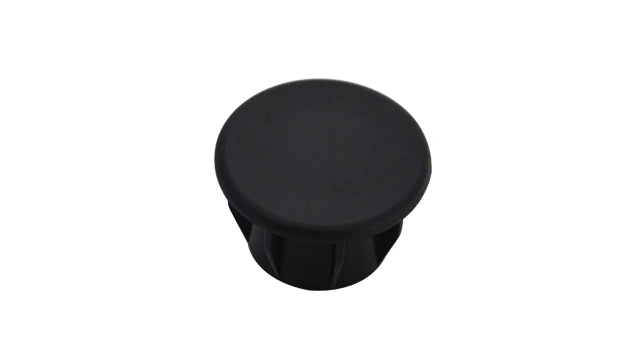
Plastic pipe end cap
Plastic pipe cover, used for 28mm two end cover and protection, to avoid any scratch from sharp metal surface.
Let's start with a story you might relate to. Picture Elena, a production supervisor at a mid-sized electronics assembly plant. For months, her team had been hitting frustrating roadblocks: parts sliding off roller tracks, workers complaining about "snagging" their gloves on sharp pipe edges, and maintenance crews spending hours fixing loose components. One afternoon, while troubleshooting a jammed material cart, she knelt down and noticed something small but critical: the plastic cap on the end of a lean pipe had cracked, leaving a jagged edge that was catching on the cart's wheels. Worse, other caps around the facility were either missing, split, or hanging loose. "We've been treating these like afterthoughts," she realized. "But these little caps are keeping our whole line from falling apart."
Elena's experience isn't unique. In industrial settings—whether it's a bustling factory floor, a warehouse, or a precision assembly line—plastic pipe end caps are the unsung heroes. They seal pipe ends, protect equipment and workers, and keep operations running smoothly. But choosing the wrong ones? It can lead to downtime, safety hazards, and unnecessary costs. If you're in the market for these small but mighty components, this guide will walk you through what to look for, why it matters, and how to avoid common pitfalls. We'll dive into key factors like material compatibility, size, and durability, and even touch on how these caps integrate with systems like lean pipe structures, roller tracks, and workbenches. Let's get started.
Understanding Plastic Pipe End Caps: More Than Just "Caps"
First, let's clarify what we're talking about. Plastic pipe end caps are exactly what they sound like: small, usually cylindrical components designed to fit over or into the ends of pipes. But their role goes far beyond "plugging a hole." Think of them as the final piece of a puzzle—without them, the whole system feels incomplete.
In industrial environments, pipes are everywhere. They form the frames of workbenches, the rails of roller tracks, the supports of material racks, and the handles of mobile trolleys (often paired with caster wheels for mobility). Left uncapped, these pipes become trouble spots: dust and debris clog the insides, moisture causes rust (even in metal pipes), and sharp edges pose laceration risks. A loose cap on a lean pipe might seem trivial until a worker bumps into it, or a cap that cracks under heat causes a pipe to warp, throwing an entire assembly line out of alignment.
What makes plastic the go-to material here? Unlike metal caps, plastic is lightweight, corrosion-resistant, and affordable—critical for large-scale industrial use. It also offers flexibility: whether you need something rigid for heavy-duty applications or for tight fits, there's a plastic (and a design) for that. And when paired with systems like lean pipe structures or plastic roller track guide rail yellow (a common choice for material handling), plastic caps blend seamlessly, ensuring everything from workflow to worker safety stays on track.
Key Factors to Consider: Don't Guess—Get It Right
Buying plastic pipe end caps isn't as simple as grabbing the first bag off the shelf. To avoid Elena's initial struggles, you'll need to evaluate these five critical factors:
1. Material Compatibility: Match the Pipe, Not Just the Price
Here's a mistake we see often: choosing a cap based solely on cost, not what it's made of. Let's say you're working with PVC pipes (common in water or chemical lines). Slapping a polyethylene (PE) cap on top might seem fine at first, but over time, the two materials can react—PVC's plasticizers might leach into the PE, causing the cap to crack or soften. The result? Leaks, contamination, or a cap that pops off mid-operation.
The fix? Always match the cap's material to the pipe's material. If you're using lean pipe (often made of steel with a plastic coating), opt for caps made of polyethylene or polypropylene (PP)—materials that bond well with the pipe's outer layer and resist abrasion. For aluminum pipes (used in lightweight workbenches), PVC or nylon caps work best, as they won't corrode the metal or leave marks.
Real-World Example:
A food packaging plant once used generic "all-purpose" plastic caps on their stainless steel pipe racks. Within weeks, the caps began to degrade, leaving a sticky residue that contaminated food-grade packaging materials. The culprit? The caps contained chemicals that reacted with the stainless steel's protective coating. Switching to food-safe PP caps (matched to the steel's properties) solved the problem—and saved them from a costly recall.
2. Size & Fit: Measure Twice, Buy Once
Imagine ordering 500 caps, only to find they're too loose to stay on—or so tight you need pliers to force them on (and risk cracking the pipe). Size matters, and "close enough" isn't good enough here. To get the right fit, you'll need two measurements:
- Outer Diameter (OD): For caps that fit over the pipe end (the most common type). Measure the outside of the pipe at its widest point.
- Inner Diameter (ID): For caps that fit inside the pipe (used in pressure systems or when a flush finish is needed). Measure the inside of the pipe.
Pro tip: Pipes can vary slightly in diameter due to manufacturing tolerances, so always measure a few samples from your stock, not just one. And if you're unsure, ask suppliers for a sizing chart or request a sample pack to test fits before bulk ordering.
3. Durability: Can It Handle the "Bumps" of Your Workplace?
Industrial environments are tough. Pipes get bumped by carts with caster wheels, hit by falling tools, and exposed to constant vibration (think conveyor belts or heavy machinery). A flimsy cap will crack or shatter under stress, leaving your pipe vulnerable. So, how do you gauge durability?
Look for two key specs: impact resistance (measured in foot-pounds or joules) and hardness (Shore D scale for rigid plastics). For high-traffic areas—like roller tracks where material carts zip back and forth—aim for caps with an impact resistance of at least 15 ft-lbs (common in nylon or high-density polyethylene, HDPE). In calmer settings, like static workbenches, standard polyethylene (PE) caps (8–10 ft-lbs) should suffice.
Another angle: flexibility. Some caps are rigid (great for structural support), while others are slightly (better for absorbing shocks). If your pipes are part of a mobile system (e.g., a trolley with caster wheels), a semi-flexible cap (like those made from thermoplastic elastomers, TPE) will stand up better to repeated impacts than a brittle one.
4. Environmental Resistance: It's Not Just About "Indoors vs. Outdoors"
Your caps don't just live in "the factory"—they live in your factory. Is your space hot (e.g., near ovens or welding stations)? Cold (a freezer warehouse)? Exposed to chemicals (oils, solvents, cleaning agents)? Or constantly humid (like a food processing plant)? Each of these conditions can break down plastic over time.
For example, in a automotive plant where hydraulic fluids are common, a standard PE cap might swell or dissolve. Instead, opt for polypropylene (PP), which resists oils and solvents. In a bakery with high heat and steam, PVC caps could warp—nylon, with a higher melting point (around 220°C), would hold up better. And for outdoor use (e.g., on lean pipe racks in a yard), UV-stabilized caps are a must—sunlight breaks down unprotected plastic, causing it to become brittle and fade.
5. Installation Ease: Time Is Money (and Your Team Has Better Things to Do)
Imagine installing 200 caps on a new lean pipe workstation. If each cap takes 2 minutes to screw on, that's over 6 hours of labor. But if they're "snap-on" caps? You could cut that time to 30 minutes. Installation ease matters—especially in fast-paced environments where downtime is costly.
Here's a breakdown of common installation types and when to use them:
- Snap-on: The easiest option. These caps have a flexible lip that "snaps" over the pipe end. Best for low-vibration settings (e.g., static workbenches) or when you need quick assembly.
- Threaded: Screw onto the pipe (requires the pipe end to be threaded). Offers a secure, leak-proof seal—ideal for pressure systems or high-vibration areas (like near motors).
- Push-fit: Designed to be pressed into the pipe end with force. Creates a tight seal without tools, common in fluid lines or where a flush finish is needed.
Pro tip: If you're unsure, ask your team. The workers installing the caps can tell you what's easiest (and fastest) for their workflow.

Types of Plastic Pipe End Caps: Which One Fits Your Needs?
Not all caps are created equal. Depending on your setup—whether it's a roller track guiding components, a workbench frame, or a mobile trolley with caster wheels—you'll need a specific type. Let's break down the most common options:
1. Snap-On Caps: The "Quick Fix" for Everyday Use
These are the most popular for a reason: they're fast, affordable, and versatile. Made from flexible plastics like PE or TPE, they have a slightly tapered design that allows you to push them onto the pipe end with your hand—no tools needed. Once on, the lip of the cap grips the pipe tightly, preventing it from falling off (unless pulled with force).
Best for: Lean pipe structures, workbench legs, roller track rails, and any application where speed of installation matters. They're also reusable—pop them off and reattach as needed when reconfiguring workstations.
Example: A warehouse using lean pipe to build adjustable shelving would use snap-on caps to seal the ends of horizontal rails. If they later need to shorten a rail, they can remove the cap, cut the pipe, and reattach the cap (or a new one) in minutes.
2. Threaded Caps: For When "Secure" Is Non-Negotiable
Threaded caps look like tiny lids with screw threads on the inside. They pair with pipes that have matching external threads (think of a water bottle cap and bottle neck). To install, you twist them on until tight—some even come with a rubber O-ring for a watertight seal.
Best for: Pressure systems (e.g., pipes carrying air, water, or chemicals), high-vibration areas (near pumps or motors), or outdoor use (where wind or rain might dislodge a snap-on cap). They're also great if you need to access the pipe's interior regularly—just unscrew the cap instead of prying it off.
Caveat: They require threaded pipe ends, which adds cost (you'll need to tap the pipes or buy pre-threaded ones). And installation takes longer than snap-on caps—so reserve them for situations where security is critical.
3. Push-Fit Caps: Tight Seals for Precision Applications
Push-fit caps (sometimes called "press-fit") are designed to create a friction-based seal. They're slightly larger than the pipe's inner diameter, so when you press them into the pipe end, the plastic compresses, forming a tight grip. They're often used in medical or electronics manufacturing, where even a tiny gap could allow dust or moisture to enter sensitive components.
Best for: Small-diameter pipes (1–2 inches), precision equipment, and applications where a "flush" look is desired (the cap sits inside the pipe, not over it). They're also chemical-resistant, making them popular in labs or cleanrooms.
4. Heat-Shrink Caps: For Odd Shapes or Irregular Pipes
These are the chameleons of the cap world. Made from a thermoplastic material (like polyolefin), they start as a loose sleeve that you slide over the pipe end. When heated (with a heat gun or even a hairdryer), they shrink to fit the pipe's exact shape—even if it's not perfectly round (e.g., a square lean pipe or a pipe with a welded joint).
Best for: Custom or non-standard pipe shapes, outdoor use (they form a weather-tight seal), or applications where you need to cover a pipe and a small section of the surrounding surface (e.g., a pipe welded to a workbench frame).
Note: They're one-time use—once shrunk, you can't reuse them. So, they're ideal for permanent installations, not temporary setups.

How Plastic Pipe End Caps Integrate with Your Existing Systems
To really understand why these caps matter, let's look at how they work with the industrial systems you already use—like lean pipe, roller tracks, and workbenches. It's not just about "capping a pipe"—it's about making your entire operation more efficient, safer, and durable.
Lean Pipe Systems: The Backbone of Flexible Manufacturing
Lean pipe (also called "flexible pipe" or "KD pipe") is the Swiss Army knife of industrial setups. It's lightweight, easy to assemble, and infinitely reconfigurable—perfect for building everything from material racks to assembly lines. But without end caps, those benefits start to crumble.
Here's why: Lean pipe is often made of steel with a plastic coating (to resist corrosion and reduce noise). Left uncapped, the ends can chip, exposing the steel underneath to rust. Over time, that rust can weaken the pipe, making it prone to bending or breaking. Sharp, uncoated ends also pose safety risks—workers can scratch themselves, or the rough edges can catch on fabrics, tools, or even products (like electronics components, which need to stay blemish-free).
Snap-on caps are the go-to here. They're easy to install (no tools needed), so when you reconfigure a lean pipe workstation (say, from a U-shape to a straight line), you can pop the caps off, adjust the pipes, and reattach the caps in minutes. They also protect the plastic coating of the pipe, extending its lifespan. For example, a manufacturer using lean pipe to build a kanban system (a just-in-time production method) might use 50+ caps per workstation—each one ensuring the system stays flexible and safe for years.
Roller Tracks: Keeping Materials Moving (Without the Jams)
Roller tracks are the highways of material handling—they use a series of wheels or balls to slide products (like boxes, bins, or parts) from one station to another. But if the ends of the track's support pipes are uncapped, you've got a problem: the track can shift, the pipes can bend, or (worst case) products can slide off the end entirely.
Plastic roller track guide rail yellow (a common color for high-visibility tracks) often uses snap-on or push-fit caps to secure the ends of the rails. These caps act as "stops," preventing materials from sliding off the track. They also protect the track's internal components (like ball bearings or rollers) from dust and debris, which can cause jams. For example, in an e-commerce warehouse, a roller track moving packages from a sorting area to a shipping dock relies on end caps to keep boxes from tumbling off the end—saving workers from chasing lost packages and preventing damage to goods.
Pro tip: If your roller track is outdoors or exposed to moisture, opt for UV-stabilized caps. Sunlight and rain can fade the yellow color of the guide rail, but more importantly, they can weaken the plastic of the cap—leading to cracks and, eventually, track failures.
Workbenches: Stability, Safety, and "Finish"
Workbenches are the heart of any assembly or repair station. They need to be stable, durable, and safe. But the legs and support pipes of a workbench are often made of metal or aluminum—materials that, without caps, can scratch floors, damage equipment, or even wobble (if the pipe ends are uneven).
Plastic end caps solve all three issues. On the bottom of workbench legs, they act as "feet"—absorbing shock (reducing noise when tools are dropped) and preventing the metal from scratching concrete or epoxy floors. On the top rails (the horizontal pipes that form the back or sides of the bench), they seal the ends, keeping dust from collecting inside the pipes (which can make the bench feel "heavier" over time as debris builds up) and preventing workers from catching their sleeves on sharp edges.
For mobile workbenches (those with caster wheels), caps are even more critical. The constant movement of the caster wheels can cause the bench to vibrate—without secure caps, the pipe ends can loosen, making the bench wobbly. A wobbly workbench isn't just annoying; it can lead to mistakes (like misaligning parts during assembly) or even accidents (tools sliding off the surface).
The Material Showdown: Which Plastic Is Right for You?
Not all plastics are created equal. To help you choose, we've broken down the most common materials used in industrial end caps, their pros, cons, and ideal applications. Use this table as a quick reference:
| Material Type | Key Properties | Pros | Cons | Best For |
|---|---|---|---|---|
| Polyethylene (PE) | Soft, flexible, impact-resistant; good chemical resistance | Affordable, easy to install (snap-on), resists moisture and mild chemicals | Low melting point (60–80°C), not ideal for high heat; can scratch easily | Lean pipe, workbench legs, indoor roller tracks, general-purpose use |
| Polypropylene (PP) | Rigid but lightweight; high chemical resistance; heat-resistant (up to 100°C) | Withstands oils, solvents, and steam; UV-stable; doesn't absorb water | Less flexible than PE; can crack under extreme impact | Food processing, chemical plants, outdoor applications, threaded caps |
| Polyvinyl Chloride (PVC) | Hard, rigid, high strength; flame-retardant | Durable, resists abrasion; good for high-pressure systems | Brittle in cold temperatures; can release harmful fumes if burned | Water pipes, electrical conduit, structural supports (e.g., heavy workbenches) |
| Nylon | Extremely strong, abrasion-resistant; high melting point (220°C) | Withstands high heat, heavy impacts, and chemicals; long lifespan | Expensive; absorbs moisture (can swell in humid environments) | High-traffic areas, welding stations, automotive plants, caster wheel assemblies |
| Thermoplastic Elastomer (TPE) | Rubber-like flexibility; combines plastic and rubber properties | Shock-absorbent, non-slip, good for tight fits; resists oils and UV rays | More expensive than PE; can tear if pulled too hard | Mobile trolleys (with caster wheels), vibration-heavy areas, precision equipment |
Remember, there's no "one-size-fits-all" material. A food plant might prioritize PP for its chemical resistance, while an automotive shop might choose nylon for its heat and impact resistance. The key is to match the material to your environment and needs.
Common Mistakes to Avoid (Because Elena Already Did)
Even with the best intentions, it's easy to slip up when buying end caps. Here are the pitfalls Elena learned to avoid—and how you can too:
Mistake #1: Assuming "All Caps Are the Same"
Elena's first mistake was buying a bulk pack of "universal" caps online. They were cheap, but they didn't fit her lean pipe (too loose) or her roller track rails (too tight). The result? Half the caps went unused, and the other half caused more problems than they solved.
Fix: Ditch "universal" labels. Instead, categorize your pipes by type (lean pipe, aluminum, PVC), size (OD/ID), and application (workbench, track, etc.). Buy caps specific to each category—even if it means ordering from multiple suppliers.
Mistake #2: Overlooking Long-Term Costs
Elena initially chose the cheapest caps to save money. But when she calculated the cost of replacing cracked caps (time, labor, new caps), plus the downtime from jams and injuries, she realized she was spending more in the long run. "We were paying $0.50 per cap, but replacing them every 3 months," she said. "A $1.50 cap that lasts 2 years is actually cheaper."
Fix: Calculate the "total cost of ownership." Divide the cost of a cap by its expected lifespan (ask suppliers for durability data). A cap that costs 3x more but lasts 10x longer is almost always a better deal.
Mistake #3: Forgetting to Test in Your Environment
A supplier sent Elena samples of "heat-resistant" caps, which worked great in her office (70°F). But on the factory floor (where temperatures hit 95°F near the ovens), they started to soften and warp. She hadn't tested them in her actual workspace.
Fix: Always request samples and test them in your environment for at least a week. Expose them to your typical temperatures, chemicals, and impacts. If they fail the test, keep looking—don't assume the supplier's specs tell the whole story.
Conclusion: Small Caps, Big Impact
Elena's story has a happy ending. After researching, testing samples, and prioritizing the right caps for her facility, she switched to a mix of PE snap-on caps for lean pipe workstations, PP caps for chemical-exposed areas, and nylon caps for high-traffic roller tracks. Within a month, the jams stopped, maintenance calls dropped by 40%, and her team even commented on how "smoother" the line felt.
The takeaway? Plastic pipe end caps might be small, but they're critical to your operation's success. By focusing on material compatibility, size, durability, and environment, you can avoid the headaches of downtime, safety risks, and unnecessary costs. Remember: these caps aren't "afterthoughts"—they're the glue that holds your systems together.
So, the next time you're shopping for end caps, channel Elena. Ask questions, test samples, and think about how these tiny components will impact your team's day-to-day work. Your production line (and your bottom line) will thank you.