- Company Articles
- Products and Technology
- Procurement Guidelines
- What to Look for When Buying Plastic Pipe Sleeves: A Buyer's Guide for Lean Manufacturers

What to Look for When Buying Plastic Pipe Sleeves: A Buyer's Guide for Lean Manufacturers
Related Product
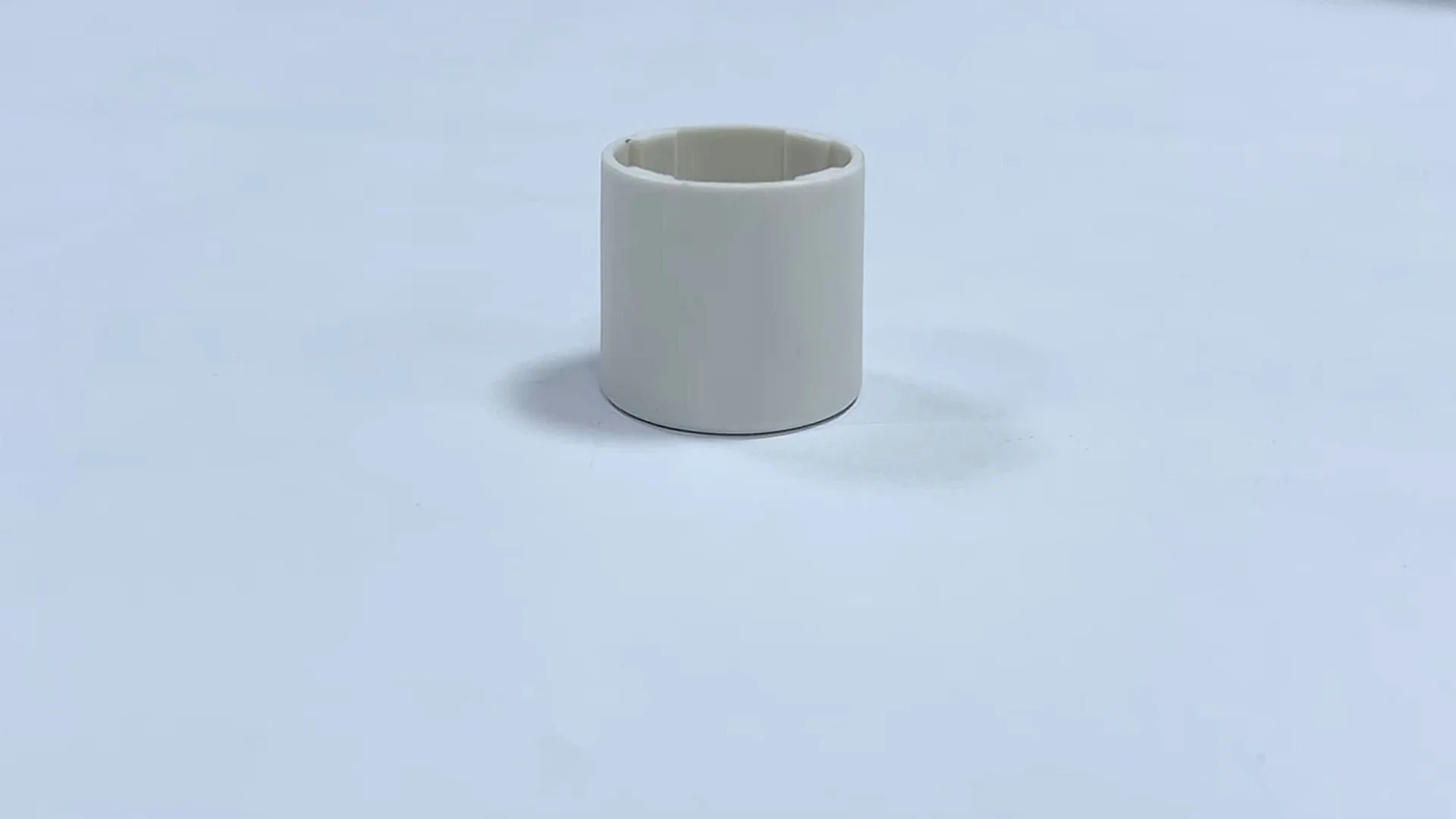
Plastic Pipe Sleeve
Plastic pipe sleeve to cover dia 28MM aluminum pipe end to contact with ground.
In the world of lean manufacturing, every component counts. From the largest conveyor system to the smallest joint, each part plays a role in keeping workflows efficient, waste minimal, and productivity high. But if there's one unsung hero that often gets overlooked, it's the plastic pipe sleeve. These simple, unassuming tubes might not grab headlines, but they're the silent workhorses that protect your lean pipes, stabilize your workbenches, and keep your assembly lines running smoothly. As someone who's spent years helping manufacturers optimize their lean systems, I've seen firsthand how the wrong plastic pipe sleeve can turn a well-oiled operation into a frustrating mess of wobbly workbenches, scratched pipes, and unexpected downtime. That's why I'm breaking down everything you need to know to choose the right plastic pipe sleeves for your facility—so you can avoid those headaches and focus on what really matters: building better products, faster.
Why Plastic Pipe Sleeves Matter in Lean Systems
Let's start with the basics: What even is a plastic pipe sleeve, and why should you care? At its core, a plastic pipe sleeve is a protective covering that slides over lean pipes (those metal tubes that form the backbone of everything from workbenches to material racks in lean setups). But it's so much more than just a "cover." Think of it as a buffer between your lean pipes and the daily chaos of a manufacturing floor. Without it, metal pipes rub against joints, scratch against tools, and corrode from exposure to oils, chemicals, or moisture. Over time, that wear and tear weakens the pipes, making your workbenches (wobbly) and your material racks unstable. And in lean manufacturing—where stability and reliability are non-negotiable—that's a problem.
But the benefits don't stop at protection. Plastic pipe sleeves also add grip, which is crucial when you're assembling or adjusting components. Ever tried tightening a lean pipe joint only to have the pipe spin in your hand? A good sleeve solves that by giving you traction. They also reduce noise—no more clanging metal when you reconfigure a workbench or move a trolley. And let's not forget about organization: Many sleeves come in different colors, so you can color-code your pipes by department, project, or material type. It's a small detail, but in a busy facility, anything that cuts down on search time is a win for efficiency.
Real-World Impact: A electronics manufacturer I worked with once replaced all their bare lean pipes with sleeved ones and saw a 15% reduction in time spent adjusting wobbly workbenches. Why? The sleeves prevented the pipes from wearing down at the joints, so the workbenches stayed stable longer. They also noticed fewer scratches on their sensitive circuit board components—turns out, the plastic sleeves were catching metal shavings that would've otherwise fallen onto the products.
Key Factors to Consider When Buying Plastic Pipe Sleeves
Now that you know why plastic pipe sleeves are essential, let's dive into what to look for when shopping for them. Not all sleeves are created equal, and choosing the right one depends on your specific needs. Here are the five critical factors to keep in mind:
1. Material Composition: It's All About Durability
Plastic pipe sleeves come in a handful of common materials, each with its own strengths and weaknesses. The most popular options are polypropylene, PVC, and nylon. Let's break them down:
- Polypropylene: This is the "everyday" material. It's lightweight, flexible, and affordable—great for standard applications like basic workbenches or turnover trolleys that don't see heavy wear. It holds up well to mild chemicals and temperatures up to 80°C (176°F), which covers most indoor manufacturing environments. The downside? It's not the toughest. If you're using it on a heavy-duty material rack that's loaded with steel parts all day, every day, it might start to crack or wear thin after a year or two.
- PVC: Stiffer and more rigid than polypropylene, PVC sleeves are better for applications where you need a tight, immovable fit—like the legs of a workbench that can't afford to shift. They're also resistant to oils and greases, making them a solid choice for automotive or machinery shops. But be careful with temperature: PVC starts to soften around 60°C (140°F), so avoid using it near heat sources like ovens or welding stations.
- Nylon: The heavyweight champion. Nylon sleeves are tough, impact-resistant, and can handle temperatures up to 120°C (248°F)—perfect for high-heat environments or areas with frequent heavy impacts (think: dropping tools on a workbench or slamming trolley doors). They're also self-lubricating, which means less friction when adjusting pipes. The tradeoff? They're pricier than polypropylene or PVC, so you'll want to reserve them for high-wear areas, not every pipe in your facility.
Pro tip: If your facility deals with static-sensitive components (like electronics), look for ESD-safe plastic pipe sleeves. These are treated with additives that dissipate static electricity, preventing damage to delicate parts. They're usually marked with "ESD" in the product specs, so keep an eye out for that.
2. Size and Fit: One Size Does Not Fit All
Nothing ruins a sleeve faster than a poor fit. If it's too loose, the sleeve slides around, leaving parts of the pipe exposed and defeating the purpose of protection. If it's too tight, you'll struggle to install it (hello, sore hands and wasted time) or worse, crack the sleeve while forcing it on. That's why getting the right size is non-negotiable.
Most lean pipes come in standard diameters: 28mm (the most common), 30mm, or 40mm. Your sleeve should match this diameter exactly—no "close enough" here. For example, a 28mm sleeve won't work on a 30mm pipe, and vice versa. But don't just trust the label: Always measure your pipes first. I've seen manufacturers order 28mm sleeves only to find their "28mm" pipes are actually 28.5mm due to manufacturing tolerances. A quick caliper check can save you a mountain of returns.
Also, pay attention to wall thickness. Thicker sleeves (usually 1.5mm–3mm) are more durable but add bulk, which might be an issue if you're working with tight joint spaces. Thinner sleeves (0.8mm–1.2mm) are lighter and easier to trim but won't hold up to heavy abuse. For most general use, 1.5mm–2mm is a sweet spot.
3. Environmental Resistance: Think About Your Workspace
Your manufacturing floor isn't a controlled lab—and your plastic pipe sleeves need to handle whatever you throw at them. Ask yourself: What's the environment like where these sleeves will live? Is it humid? Do you use oils or coolants that might spill on the pipes? Are there extreme temperatures (like near a furnace or freezer)?
For example, if you're in a food processing plant, you'll need sleeves that can withstand frequent washdowns with harsh detergents. In that case, polypropylene or nylon (both chemical-resistant) are better than PVC, which can degrade with prolonged exposure to strong cleaners. If you're in a warehouse in Arizona where summer temps climb into the 90s, avoid PVC sleeves—they'll start to warp. And if you're in a cold storage facility, look for sleeves rated for sub-zero temperatures (nylon handles cold better than polypropylene, which can become brittle in the cold).
Don't forget about UV exposure, either. If your lean system is near a window or in an outdoor loading dock, sunlight can fade and weaken plastic over time. Some sleeves are UV-stabilized—check the product specs for that if outdoor use is a factor.
4. Compatibility with Lean System Components
Your plastic pipe sleeves don't exist in a vacuum—they need to play nice with the other parts of your lean system, like joints, clamps, and casters. For example, if you're using quick-release joints (those handy connectors that let you reconfigure workbenches on the fly), a thick sleeve might prevent the joint from clamping down properly. Similarly, if you're attaching a roller track to a sleeved pipe, the sleeve's texture could affect how smoothly materials glide along the track.
The best way to avoid compatibility issues? Stick to sleeves from the same supplier as your lean pipes and joints—they're designed to work together. If you're mixing brands, ask the supplier for a compatibility chart or test a small batch first. I once had a client who mixed a generic sleeve with a premium lean pipe joint, and the sleeve kept slipping out because the joint's grip wasn't designed for that specific sleeve texture. It was a simple fix—switching to the joint manufacturer's recommended sleeve—but it cost them a week of delays.
5. Cost vs. Value: Don't Skimp on the Basics
Let's talk money. It's tempting to go for the cheapest plastic pipe sleeve you can find—after all, lean manufacturing is about reducing waste, right? But here's the thing: Cheap sleeves often cost more in the long run. I've seen facilities buy $1-per-meter sleeves, only to replace them every 6 months because they cracked, tore, or lost their grip. Compare that to a $3-per-meter sleeve that lasts 3+ years—suddenly, the "expensive" option is the better deal.
That said, there's no need to overspend. If you're using sleeves on a light-duty workbench that's rarely moved, a mid-range polypropylene sleeve is probably fine. Reserve the heavy-duty nylon sleeves for high-wear areas, like material racks that get loaded and unloaded 50 times a day. The key is to match the sleeve's quality to the job's demands—no more, no less.

Types of Plastic Pipe Sleeves: Which One Is Right for You?
Now that you know what to look for, let's explore the different types of plastic pipe sleeves on the market. While they all serve the same basic purpose, there are a few variations designed for specific needs. Here's a breakdown of the most common options:
Standard Plastic Pipe Sleeves
These are your "all-purpose" sleeves, typically made of polypropylene or PVC. They're smooth, lightweight, and come in neutral colors like gray, black, or white. Standard sleeves are perfect for most indoor lean systems—think assembly workbenches, packing stations, or light-duty material racks. They're affordable, easy to install (just slide them over the pipe), and get the job done for 90% of applications. If you're new to plastic pipe sleeves, start here.
Heavy-Duty Plastic Pipe Sleeves
When standard sleeves just won't cut it, heavy-duty sleeves step in. Made of thick nylon or reinforced polypropylene, these sleeves are built to handle abuse. They're thicker (2.5mm–3mm walls), more rigid, and resistant to impacts, scratches, and chemicals. Use them on heavy material racks, turnover trolleys that get dragged across concrete floors, or workbenches where mechanics use heavy tools. They cost more, but they'll outlast standard sleeves by 2–3 times in tough environments.
ESD-Safe Plastic Pipe Sleeves
If you work with electronics, semiconductors, or any static-sensitive components, ESD-safe sleeves are non-negotiable. These sleeves are treated with conductive additives that dissipate static electricity, preventing electrostatic discharge (ESD) that can fry circuit boards or damage delicate parts. They're usually marked with "ESD" and come in colors like pink or blue (industry standards for ESD-safe equipment). Note: Not all ESD sleeves are created equal—look for ones that meet ANSI/ESD S20.20 standards to ensure they actually work.
Colored Plastic Pipe Sleeves
Want to take organization to the next level? Colored sleeves let you color-code your lean system by department, project, or material type. For example, use red sleeves for quality control workbenches, blue for assembly, and green for packaging. It's a simple trick, but it makes it easier for new employees to navigate the facility and reduces errors (no more putting a part on the wrong rack because the pipes all look the same). Most colored sleeves are made of polypropylene and come in a rainbow of hues—just make sure the color doesn't fade with UV exposure if they're near windows.

Practical Applications: How Plastic Pipe Sleeves Work in the Real World
To really understand the value of a good plastic pipe sleeve, let's look at how they're used in common lean setups. These examples will show you why the right sleeve can make or break your workflow:
Workbenches: Stability and Protection
Workbenches are the heart of any assembly line, and they rely on lean pipes for structure. Without plastic sleeves, the metal pipes rub against the joints every time you lean on the bench or clamp down a tool. Over time, that friction wears down the pipe's surface, making the joint loose—and suddenly, your workbench is wobbling while you're trying to solder a circuit or tighten a bolt. A snug, durable sleeve acts as a buffer, keeping the pipe smooth and the joint tight. I once helped a manufacturer replace the sleeves on their 20 workbenches, and the difference was night and day: No more wobbly surfaces, and employees reported less eye strain (turns out, the constant shaking was making it harder to focus on small parts).
Material Racks: Reducing Noise and Damage
Material racks hold everything from raw materials to finished products, and they're constantly being loaded and unloaded. Without sleeves, metal pipes clang against each other when you adjust the rack or slide a box onto a shelf. That noise adds up—over time, it can lead to employee fatigue and even hearing damage. Plastic sleeves muffle that noise, turning a (shrill) "clang" into a dull "thud." They also protect the pipes from dents and scratches when boxes or tools bump into them, extending the rack's lifespan.
Turnover Trolleys: Smooth Movement and Grip
Turnover trolleys are the workhorses of material transport, but they take a beating. The lean pipes that form their frames rub against the floor, walls, and other trolleys all day. Plastic sleeves protect those pipes from scratches and dents, but they also add grip—making it easier to push the trolley (no more slipping hands!) and preventing the trolley from sliding around when you stop suddenly. A warehouse manager I worked with once told me that after switching to heavy-duty nylon sleeves on their trolleys, employee complaints about "heavy" trolleys dropped by 40%. The secret? The sleeves reduced friction between the trolley and the floor, making them easier to move.

Common Mistakes to Avoid When Buying Plastic Pipe Sleeves
Even with the best intentions, it's easy to make missteps when buying plastic pipe sleeves. Here are the most common mistakes I've seen—and how to avoid them:
Mistake #1: Choosing the Cheapest Option
I get it—budgets are tight. But buying the cheapest sleeves you can find is a false economy. I once visited a manufacturer that bought $0.80-per-meter sleeves, only to find they cracked after 3 months of use. They had to replace all 500 meters of sleeves, costing them more than if they'd bought mid-range sleeves upfront. Save yourself the hassle: Invest in sleeves that match your needs, not just your budget.
Mistake #2: Ignoring Size Compatibility
Remember earlier when I said to measure your pipes? This is why. A sleeve that's even 1mm too small will crack when you try to install it; one that's too big will slide around and offer no protection. Always measure your pipe diameter with a caliper, and check the sleeve's specs to ensure a snug fit. If you're unsure, ask the supplier for a sample—most will send one for free so you can test it.
Mistake #3: Overlooking Environmental Factors
It's easy to assume "all sleeves work everywhere," but that's just not true. I once had a client in a foundry use PVC sleeves near a furnace—within a month, the sleeves had melted and stuck to the pipes. Oops. Always consider temperature, chemicals, and moisture in your workspace, and choose a sleeve that's rated for those conditions.
Mistake #4: Forgetting About Joint Compatibility
Your sleeves need to work with your lean pipe joints, too. Some joints have tight tolerances, and a thick sleeve might prevent the joint from closing properly. If you're using specialized joints (like internal rotary aluminum joints or 90° crossing joints), check with the joint manufacturer to see if they recommend a specific sleeve thickness or material. It's a small step that can save you from a lot of frustration.
Comparing Top Plastic Pipe Sleeve Options
To help you narrow down your choices, I've compared four popular plastic pipe sleeve options below. Use this as a starting point, but remember to adjust based on your specific needs:
| Sleeve Type | Material | Best For | Temperature Range | Estimated Cost (per meter) | Pros | Cons |
|---|---|---|---|---|---|---|
| Standard Polypropylene | Polypropylene (1.5mm wall) | Basic workbenches, light material racks, indoor use | -20°C to 80°C (-4°F to 176°F) | $2.50–$4.00 | Affordable, flexible, easy to install, good for general use | Not ideal for heavy wear or chemicals; can fade with UV exposure |
| Heavy-Duty Nylon | Nylon (3mm wall) | Heavy material racks, turnover trolleys, high-impact areas | -30°C to 120°C (-22°F to 248°F) | $5.00–$7.50 | Impact-resistant, chemical-resistant, long-lasting (3–5 years) | Stiff; harder to trim to size; more expensive |
| ESD-Safe Polypropylene | ESD-treated polypropylene (1.5mm wall) | Electronics assembly, static-sensitive workbenches | -20°C to 70°C (-4°F to 158°F) | $4.50–$6.00 | Dissipates static, meets ANSI/ESD S20.20 standards, color-coded | Not as durable as nylon; higher cost than standard sleeves |
| Colored PVC | PVC (2mm wall) | Color-coded systems, organization, moderate-duty workbenches | -10°C to 60°C (14°F to 140°F) | $3.00–$5.00 | Vibrant colors for organization, rigid fit, oil-resistant | Softens in high heat; can become brittle in cold; not UV-stable |
Conclusion: Invest in the Right Sleeves, Reap the Rewards
At the end of the day, plastic pipe sleeves might seem like a small detail in your lean system—but small details add up to big results. The right sleeve protects your lean pipes, stabilizes your workbenches, reduces noise, and keeps your facility organized. The wrong one? It leads to downtime, replacements, and frustration. By focusing on material, size, environmental resistance, and compatibility, you can choose sleeves that not only meet your needs today but also stand the test of time.
Remember: Lean manufacturing is about eliminating waste—and that includes the waste of replacing cheap, ineffective sleeves every few months. So take the time to evaluate your workspace, measure your pipes, and choose sleeves that match the demands of your operation. Your employees will thank you (no more wobbly workbenches!), your bottom line will thank you (fewer replacements, less downtime), and you'll be one step closer to that perfectly optimized lean system you've been working toward.
Now go out there and find those sleeves. Your lean system deserves it.