- Company Articles
- Products and Technology
- Product knowledge
- When to replace 2040 Aluminum Profile End Caps: Signs to Watch

When to replace 2040 Aluminum Profile End Caps: Signs to Watch
Related Product
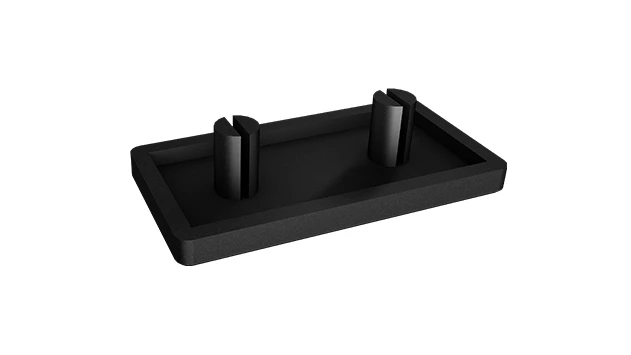
2040 Aluminum Profile End Cap
The aluminum profile end cap adds a finishing touch to your project and closes off profile ends to limit dust and debris buildup, also it can avaid some scratch for material and labor during the assemble work.
Walk into any modern manufacturing facility, warehouse, or workshop, and you'll likely spot aluminum extrusion profiles hard at work. These versatile, lightweight structures form the backbone of everything from assembly workbenches and material racks to conveyor systems and lean production cells. They're the unsung heroes of efficient operations, quietly supporting the flow of workday in and day out. But for all their sturdiness, aluminum profiles rely on a host of smaller components to perform at their best—components so, they're easy to overlook until something goes wrong. One such component? The 2040 aluminum profile end cap.
If you work with 2040 aluminum extrusion profiles (a common size, with dimensions roughly 20mm x 40mm), you've probably seen these small, often plastic or rubber caps fitted snugly onto the ends of the profiles. They might seem like an afterthought—just a finishing touch to make the setup look neat—but their role is far more critical than aesthetics. Over time, though, even the most durable end caps wear down, crack, or loosen. Ignore those warning signs, and you could be looking at safety hazards, damaged equipment, or disrupted workflows. In this guide, we'll dive into everything you need to know about 2040 aluminum profile end caps: what they do, why they matter, and the key signs that it's time to replace them. Let's start by understanding exactly what these small but mighty components are.
What Are 2040 Aluminum Profile End Caps, Anyway?
First, let's get clear on the basics. Aluminum extrusion profiles are made by forcing heated aluminum through a die to create specific cross-sectional shapes—think T-slots, grooves, and channels that make them easy to assemble with bolts, brackets, and other aluminum profile accessories. The "2040" in 2040 aluminum extrusion profile refers to its dimensions: typically 20mm in width and 40mm in height (though exact measurements can vary slightly by manufacturer). This size is incredibly popular because it strikes a balance between strength and versatility, making it ideal for medium-duty applications like workbenches, shelving, and machine guards.
Now, the ends of these profiles are, by nature, open. Without any covering, they leave exposed edges (which can be sharp) and open T-slots or hollow interiors. That's where end caps come in. A 2040 aluminum profile end cap is a small, usually injection-molded component designed to fit precisely over the open end of a 2040 profile. They're most commonly made from plastic (like polypropylene or nylon) or rubber, though some heavy-duty versions might use metal. Their design is simple: a flat or slightly domed top, with tabs or a lip that snaps into the profile's inner edges, creating a tight seal.
Quick Tip: Not all end caps are created equal! Some are "snap-on" (designed to click into place without adhesives), while others might require a small amount of glue or silicone to stay put, especially in high-vibration environments. Always check the manufacturer's specs to ensure you're using the right type for your 2040 profile.
So, what do these caps actually do? Their functions break down into three key areas: safety, protection, and presentation. Let's unpack each one.
Why 2040 End Caps Matter: More Than Just a Pretty Finish
It's easy to dismiss end caps as "cosmetic," but in reality, they play a vital role in keeping your aluminum profile systems running smoothly and safely. Let's take a closer look at why they're worth your attention.
Safety First: No More Sharp Edges
Walk through a busy workshop, and you'll notice workers moving quickly—reaching for tools, loading materials, or adjusting equipment. An exposed end of an aluminum profile is like a hidden hazard: its edges, even if deburred, can still be sharp enough to catch on clothing, scratch skin, or cause a painful cut. Imagine a new operator leaning against a workbench frame to steady themselves, only to graze their arm on an uncovered 2040 profile end. That's a preventable injury, and end caps eliminate that risk by covering those edges with a smooth, rounded surface.
This safety benefit extends beyond just workers, too. If you use 2040 profiles in areas where products are handled—like on a packing station or assembly line—exposed ends could snag or damage goods. A loose end cap might not seem dangerous at first, but over time, as it wiggles free, it could leave that sharp edge exposed again. That's why regular checks are so important.
Protecting Your Profiles (and Your Wallet)
Aluminum profiles are durable, but they're not invincible—especially their T-slots and internal channels. These slots are critical for attaching accessories like brackets, shelves, or lights; if they get clogged with dust, debris, or moisture, they become hard to use. A missing or damaged end cap leaves the profile's interior open to the elements: sawdust, metal shavings, oil, or even water from a spilled cleaning solution can seep in. Over time, that debris can corrode the aluminum (yes, even aluminum can corrode in harsh environments) or jam the T-slots, making it impossible to insert bolts or adjust accessories without hours of cleaning.
I once worked with a small electronics manufacturer that had a 2040 profile workbench in their assembly area. They'd neglected to replace a missing end cap for months, and during a routine maintenance check, we found that metal shavings from nearby machining work had accumulated inside the profile's T-slot. When they tried to add a new shelf bracket, the bolts wouldn't seat properly, and they ended up stripping the slot—costing them time and money to replace the entire profile section. All of that could have been avoided with a $2 end cap.
Aesthetics and Professionalism
Okay, so maybe "aesthetics" isn't the most critical function, but it's still worth mentioning. A workshop or facility with missing, cracked, or mismatched end caps looks unkempt—and first impressions matter. Whether you're showing clients around your production floor or trying to maintain a culture of pride in your workspace, finished, uniform end caps signal attention to detail. They're the "polished edge" that makes your lean system look intentional, not haphazard. Plus, consistent end caps (same color, same style) help create a cohesive look, which can boost morale—workers tend to take better care of spaces that feel well-maintained.

The Top Signs Your 2040 End Caps Need Replacement
Now that we know why end caps are important, let's get to the heart of the matter: how do you know when it's time to replace them? End caps don't fail overnight—they give off subtle (and sometimes not-so-subtle) warning signs. Here are the most common red flags to watch for.
1. Visible Cracks, Chips, or Breaks
This is the most obvious sign, but it's easy to miss if you're not looking closely. End caps, especially plastic ones, can crack from impact (like a dropped tool hitting the end of the profile), exposure to extreme temperatures (think direct sunlight in a hot warehouse or freezing cold in an unheated facility), or simple wear and tear over time. Even small cracks matter: they weaken the cap's structure, making it more likely to fall off, and they create gaps where dust and moisture can seep into the profile.
How to spot it: Do a visual inspection of each end cap. Look for hairline cracks around the edges or on the top surface. Check for chips—small pieces missing from the lip that snaps into the profile. If a cap is split completely, it might hang loosely or dangle from the end of the profile. Don't ignore even tiny cracks: they'll only get worse with time.
2. The Cap Is Loose or Falls Off Repeatedly
End caps should fit snugly. If you notice one that wiggles when you touch it, or if it falls off entirely (only to be popped back on temporarily), that's a clear sign it's no longer functional. A loose cap might be caused by worn tabs (the parts that grip the inside of the profile), or the profile's edges could be slightly bent (from impact), preventing a tight seal. Either way, a cap that doesn't stay in place won't protect the profile or keep workers safe.
Here's a test: Gently tug on the end cap with your fingers. If it comes off with minimal effort, or if you can twist it easily, it's time for a replacement. In high-vibration areas (like near a conveyor or machine), even a slightly loose cap will eventually work its way off, so don't wait for it to fall off on its own.
3. Dust, Debris, or Moisture Inside the Profile
Remember that T-slot protection we talked about? If you notice dust, dirt, or even water inside your 2040 profile's open ends or T-slots, it's a sign that the end cap isn't sealing properly. This could be because the cap is cracked, loose, or missing entirely. Even a small gap can let in debris, and once it's inside, it's hard to get out. If you're regularly cleaning out your profiles (more than once every few months), that's a clue that your end caps aren't doing their job.
Pro tip: Check for debris after a deep clean or maintenance session. If you clean out the T-slots and notice they're dirty again within a week or two, inspect the end caps immediately—chances are, one is compromised.
4. Discoloration or Brittleness
Plastic end caps can degrade over time, especially when exposed to UV light (from windows or overhead lights), chemicals (like cleaning agents or oils), or extreme temperatures. If your end caps are discolored (faded, yellowed, or stained), or if they feel brittle to the touch (cracking when you bend them slightly), they're past their prime. Brittle caps lose their flexibility, so they can't form a tight seal, and they're more likely to shatter if bumped or dropped.
Rubber end caps might show signs of degradation too—like becoming sticky, hardening, or developing a powdery residue. This is a natural breakdown of the material, and once it starts, there's no reversing it. replace them before they crumble completely.
5. Exposed Sharp Edges
This is a safety emergency. If the end cap is missing entirely, or if it's cracked so badly that the aluminum profile's raw edge is exposed, stop work in that area until you can replace the cap. Even a slightly sharp edge can cause cuts, especially if workers are moving quickly or handling materials near the profile. I've seen more than one "minor" cut turn into a lost-time injury because someone brushed against an exposed profile end. Don't take that risk.
How to check: Run your finger gently along the edge of the profile (with the cap in place). If you feel any roughness, sharpness, or if the cap doesn't fully cover the edge, replace it immediately.

How to replace Your 2040 Aluminum Profile End Caps (Step-by-Step)
Okay, so you've identified that your end caps need replacing—now what? The good news is that replacing end caps is one of the easiest maintenance tasks you can do, requiring minimal tools and almost no technical skill. Here's a step-by-step guide to get the job done right.
Step 1: Gather Your Supplies
First, you'll need new end caps. Make sure you're buying the right size: 2040 aluminum profile end caps are specifically designed for 2040 profiles, so double-check the dimensions (width and height) of your profile before ordering. You can find these at most industrial supply stores or online retailers that sell aluminum profile accessories. If possible, buy a few extras to keep on hand for future replacements—nothing's worse than needing a cap and having to wait for shipping.
You'll also need a few basic tools: a flathead screwdriver (for prying off old caps), a clean rag (to wipe down the profile end), and optionally, a small amount of rubbing alcohol (to clean the profile's inner edges for better adhesion, if using glue-on caps). If your old caps are stuck on tightly, you might also need a pair of needle-nose pliers.
Step 2: Remove the Old End Cap
Start by removing the damaged or missing cap. If it's already loose, you might be able to pull it off with your fingers. If it's stuck, gently insert the flathead screwdriver between the cap and the profile edge, and twist slightly to pry it off. Be careful not to scratch the profile's surface—aluminum is soft, and tool marks can weaken the material. If the cap is cracked, it might break into pieces; make sure to remove all fragments from the profile's end to avoid leaving debris behind.
Pro tip: If the cap was glued on, you might need to use a bit more force, or apply a small amount of heat (like from a hair dryer) to soften the adhesive. Avoid using harsh chemicals to dissolve glue, as they can damage the profile's finish.
Step 3: Clean the Profile End
Once the old cap is off, take your clean rag (and rubbing alcohol, if needed) and wipe down the inside and outside edges of the profile's end. Remove any dust, dirt, or adhesive residue—this ensures the new cap will fit snugly and seal properly. Pay special attention to the inner grooves where the cap's tabs will snap into place; any debris there can prevent a tight fit.
Step 4: Install the New End Cap
Now, take your new 2040 aluminum profile end cap and align it with the profile's end. Make sure the tabs or lips on the cap are facing the correct direction (they should slot into the profile's inner edges). For snap-on caps, simply press firmly on the center of the cap until you hear a "click"—this means the tabs have engaged. If it's a glue-on cap, apply a tiny bead of adhesive to the profile's inner edge (following the manufacturer's instructions), then press the cap into place and hold it for 30-60 seconds to set.
Test the fit by gently tugging on the cap—if it doesn't move, you're good to go! If it feels loose, double-check that you aligned it correctly, or try pressing harder to ensure the tabs are fully seated.
Step 5: Dispose of Old Caps Properly
Finally, throw away the old caps (if they're plastic, check if they're recyclable in your area). Don't leave them lying around the workshop—they're small and easy to trip over, and they'll just add to the clutter you're trying to avoid.
Extending the Life of Your End Caps: Maintenance Tips
Replacing end caps is easy, but why not make them last as long as possible? With a little proactive maintenance, you can extend the lifespan of your 2040 aluminum profile end caps and reduce how often you need to replace them. Here are a few simple tips:
- Inspect regularly: Add end cap checks to your weekly or monthly 5S audits. Walk through your facility and visually inspect all 2040 profiles—look for cracks, looseness, or missing caps. Catching issues early prevents bigger problems later.
- Clean them gently: Dust and grime can wear down end caps over time, especially rubber ones. Wipe them down with a damp rag during routine cleaning—avoid abrasive sponges or harsh chemicals (like bleach or solvents), which can degrade the material.
- Protect from extreme conditions: If your 2040 profiles are in direct sunlight, consider using UV-resistant end caps (some manufacturers make these). In high-vibration areas, use glue-on caps instead of snap-on to prevent them from shaking loose. In cold environments, avoid plastic caps that might become brittle—opt for rubber or flexible plastic instead.
- Train your team: Make sure everyone on your team knows what end caps are and why they're important. Encourage workers to report missing or damaged caps immediately—they're the ones interacting with the profiles daily, so they'll spot issues first.
Common Mistakes to Avoid
Even simple tasks like replacing end caps can go wrong if you're not careful. Here are a few common mistakes to steer clear of:
Using the Wrong Size Cap
This is the biggest mistake I see. Using a 2020 end cap on a 2040 profile (or vice versa) will result in a loose fit, defeating the purpose of the cap entirely. Always measure your profile's width and height before buying end caps—don't assume all "small" profiles are the same size.
Forcing a Cap That Doesn't Fit
If a new cap doesn't snap on easily, don't force it! Forcing can bend the cap's tabs, crack the cap, or even damage the profile's inner edges. Instead, check if you have the right size, or if the profile's end is bent (which might require gently straightening it with pliers before installing the cap).
Ignoring Minor Damage
"It's just a small crack—no big deal." Wrong! A small crack today will turn into a broken cap tomorrow, leaving your profile exposed. replace caps at the first sign of damage, even if it seems minor.
Forgetting to Clean the Profile
Dust or debris on the profile's end can prevent the new cap from seating properly, leading to looseness. Always take 30 seconds to wipe down the end before installing the new cap—it's a small step that makes a big difference.
Final Thoughts: Small Components, Big Impact
At the end of the day, 2040 aluminum profile end caps are a classic example of how the smallest components in your facility can have the biggest impact. They're affordable, easy to replace, and often overlooked—but their role in safety, equipment protection, and workflow efficiency can't be overstated. By taking the time to inspect, maintain, and replace your end caps when needed, you'll save yourself time, money, and headaches down the line.
So, the next time you're walking through your workshop, take a moment to look at those 2040 profiles. Check the ends. Are the caps intact? Snug? Clean? If not, add "replace end caps" to your to-do list—your workers, your equipment, and your bottom line will thank you. And remember: when it comes to lean manufacturing and efficient operations, it's the little things that count.