- Company Articles
- Products and Technology
- Product knowledge
- When to replace: Warning Signs of a Worn Flat Swivel Castor Wheel with Brake

When to replace: Warning Signs of a Worn Flat Swivel Castor Wheel with Brake
Related Product
Flat Swivel Castor Wheel With Brake
Chair Casters Ball Bearing Wheels Rubber Base with brake design. Resistant to abrasion, impact and corrosion. Heavy payload can hold 70Kgs per pcs,which can make it works at a stable and smooth status.
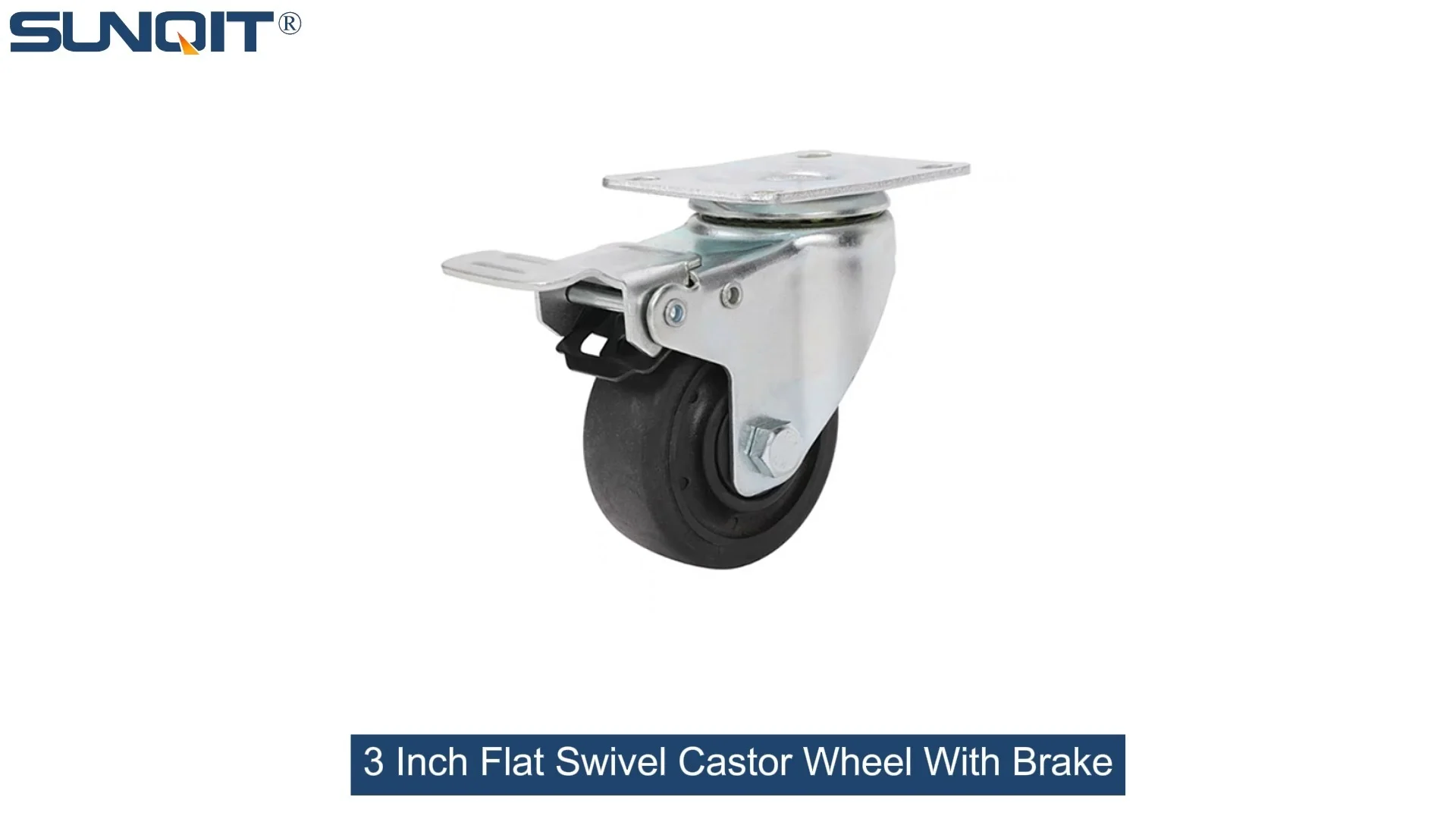
Let's start with a story we've all lived (or at least winced through). It's Monday morning at PrecisionWorks, a mid-sized electronics assembly plant. Maria, a lead technician, is wheeling a loaded lean pipe workbench across the shop floor. The workbench—studded with circuit boards and tools—needs to get from Station A to Station B, a 50-foot trip that should take 30 seconds. But today, it's a fight. The bench lurches left, then right, as if it's got a mind of its own. Maria grits her teeth, yanking harder. Suddenly, there's a (ear-piercing) squeal, followed by a loud thud . The bench skids to a halt, and a handful of capacitors tumble off the edge, clattering to the floor. "Not again," she mutters, kneeling to inspect the problem. The culprit? A flat swivel castor wheel with brake that's clearly seen better days—its once-smooth tread is cracked, the brake lever hangs loose, and the wheel wobbles like a top that's run out of spin.
If this scenario feels familiar, you're not alone. Flat swivel castor wheels with brake are the unsung heroes of workshops, warehouses, and production lines. They're the reason your workbench glides, your turnover trolley moves, and your material rack stays mobile. But like any hardworking tool, they wear out. And when they do, they don't just slow you down—they put safety, efficiency, and even your equipment at risk.
In this article, we're diving deep into the warning signs of a worn flat swivel castor wheel with brake. We'll talk about what to look for, why it matters, and how to know when it's time to swap in a new one. By the end, you'll be able to spot trouble before it turns into a Maria-style Monday morning meltdown.
First Things First: What Is a Flat Swivel Castor Wheel with Brake?
Before we jump into the warning signs, let's make sure we're all on the same page. A flat swivel castor wheel with brake is a mobility component designed to attach to the bottom of equipment—think workbenches, trolleys, racks, or even medical carts. The "flat" part refers to the wheel's tread (the rubber or plastic that touches the floor), which is typically flat or slightly curved for stability. "Swivel" means the wheel can rotate 360 degrees, letting you maneuver tight corners and narrow aisles. And "with brake" adds a locking mechanism—usually a lever or pedal—that keeps the wheel from moving when you need stability (like when you're assembling parts on that lean pipe workbench).
These casters are workhorses, especially in lean manufacturing setups. They're often paired with aluminum profile frames (lightweight, strong, and easy to customize) or lean pipe systems (flexible and cost-effective). And they're built to handle weight—from 50 lbs for a small tool trolley to 500 lbs or more for a loaded material rack. But here's the thing: even the toughest casters have a lifespan. Let's talk about how to tell when yours is living on borrowed time.
Why It Matters: The Hidden Costs of Worn Casters
You might be thinking, "So what if my caster squeaks a little? I can live with that." But worn casters are more than just an annoyance. They're a silent drain on your operations—and your wallet. Here's why:
- Safety Risks: A wobbly caster can make equipment tip over, especially when loaded. A stuck brake might let a heavy trolley roll into a coworker or a machine. Even small trips and falls from uneven movement can lead to injuries.
- Efficiency Loss: Pushing a workbench with a seized caster takes 2-3 times more effort than a smooth one. Multiply that by 10 trips a day, and you're looking at hours of wasted time (and tired employees).
- Equipment Damage: A misaligned caster puts stress on your workbench's aluminum profile frame, leading to bent legs or loose joints. It can also scratch or dent your shop floor—costing you in repairs.
- Product Quality: If your workbench wobbles while you're assembling delicate parts (like circuit boards or medical devices), you risk mistakes, rework, or even scrapped products.
In short, ignoring a worn caster is like ignoring a leaky roof—small at first, but it'll cost you big time if you wait.
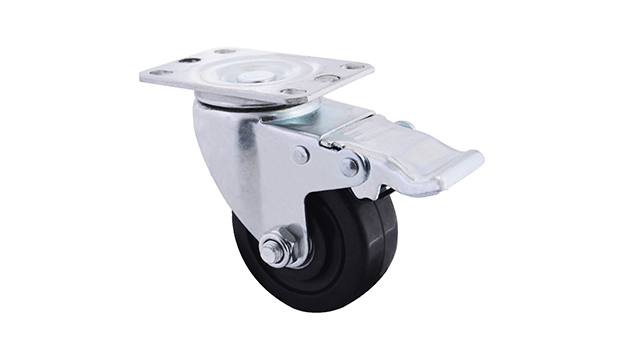
The Warning Signs: 7 Red Flags Your Caster Needs Replacing
Now, let's get to the good stuff: how to spot a caster that's on its last legs. Here are the key warning signs to watch for—some obvious, some subtle, but all critical.
1. Uneven Movement or "Jerking"
Remember Maria's lurching workbench? That's uneven movement, and it's a classic sign of trouble. Healthy casters roll in a straight line (or a smooth curve, if you're swiveling). Worn casters? They zigzag, stick, or "catch" on the floor, making the equipment feel like it's fighting you.
What causes this? Often, it's a seized bearing inside the wheel. Bearings let the wheel spin freely—when they rust, get dirty, or wear out, the wheel can't turn smoothly. Sometimes, it's a bent axle or a loose caster mount (the part that attaches the caster to your workbench or trolley).
Test it: Push your equipment forward slowly. If it veers left/right without you steering, or if you feel a "bump" with every rotation, your caster's bearings or axle might be shot.
2. Brake Failure (or Inconsistent Locking)
The brake is the caster's safety net. When you flip that lever, the wheel should lock solid—no rolling, no sliding. If your brake feels "mushy," only locks sometimes, or won't lock at all, that's a huge red flag.
Common brake issues include:
- Loose Brake Lever: The lever might wiggle or feel disconnected. This usually means the spring inside the brake mechanism is worn or broken.
- Partial Locking: The wheel slows down but doesn't stop. This could be dirt or debris in the brake pad, or a worn pad that can't grip the wheel.
- Stuck Brake: The lever won't release, so the wheel stays locked. This is often due to rust or a bent brake arm.
Pro tip: Test the brake on different floor surfaces (concrete, tile, even a small rug). If it works on smooth floors but not rough ones, the brake pad is probably worn and needs replacing (more on caster accessories like replacement pads later).
3. Excessive Noise: Squeaks, Grinds, or Rattles
A little noise is normal—after all, you're moving metal and rubber. But if your caster sounds like a dying seagull (think high-pitched squeals) or a coffee grinder (grinding, crunching noises), pay attention. Noise is your caster's way of screaming, "Help me!"
Squeaks often come from dry or dirty bearings—grease can fix that temporarily (we'll cover maintenance later). But if the squeak turns into a grind? That's metal-on-metal contact, which means your bearings are completely worn out. Rattling usually means parts are loose: maybe the wheel is coming off the axle, or the caster joint is loose.
Fun fact: A study by the Manufacturing Productivity Council found that noisy equipment (like squeaky casters) increases employee stress levels by 23%—and stressed employees make more mistakes. So quieting your casters isn't just about peace and quiet; it's about product quality, too.
4. Visible Physical Damage: Cracks, Flat Spots, or Missing Pieces
Sometimes, the problem is right in front of your eyes. Take a close look at the wheel and caster body—here's what to watch for:
- Cracks in the Wheel Tread: Rubber or plastic treads crack from age, overloading, or exposure to chemicals (like oil or cleaning solvents). Even small cracks can grow, leading to chunks of tread breaking off.
- Flat Spots: If your equipment sits in one place for weeks, the wheel can develop flat spots (think of a bicycle tire that's been sitting too long). When you roll it, it'll "thump" with every rotation—and over time, those flat spots wear into permanent damage.
- Missing or Damaged Caster Accessories: Check for missing bolts, broken brake levers, or cracked mounting plates. Even small parts like caster accessories (e.g., washers, cotter pins) matter—lose one, and the whole caster can fail.
- Rust or Corrosion: If you work in a damp environment (like a food processing plant or a warehouse with high humidity), rust can eat away at metal parts. Look for orange/brown spots on the axle, brake mechanism, or caster joint.
Pro tip: Take a photo of the caster (close-up) and compare it to a new one (you can find images on your caster supplier's website). The difference will be eye-opening.
5. Increased Effort to Push or Pull
Remember how we talked about efficiency loss? This is where it hits home. If pushing your workbench feels like pushing a car with a flat tire, your casters are to blame.
Why the extra effort? It could be seized bearings, a misaligned wheel, or a tread that's hardened with age (rubber gets stiffer over time, losing its "grip" and flexibility). Even a small increase in force adds up: if it takes 5 lbs of force to push a smooth caster and 15 lbs for a worn one, that's 10 extra lbs per push. Do that 20 times a day, and you've lifted an extra 200 lbs—no wonder your back hurts!
6. Flooring Damage: Scratches, Dents, or Grooves
Your caster shouldn't destroy your floor. If you notice new scratches, dents, or grooves in your concrete, tile, or epoxy floor, check your casters. Worn or damaged wheels are often the culprit.
How? A cracked tread can expose the metal wheel core, which scrapes the floor. A misaligned caster can drag, digging into the surface. Even hard plastic wheels (common in some casters) can scratch soft floors if they're worn unevenly.
Flooring repairs aren't cheap—epoxy coating, for example, costs $3-7 per square foot. A $20 caster replacement is a steal compared to redoing your shop floor.
7. The "It Just Doesn't Feel Right" Gut Check
Sometimes, you can't put your finger on it—but you know something's off. Maybe the workbench feels "tippier" than usual, or the caster wobbles when you jostle it. Trust that gut feeling! Your brain notices subtle changes your conscious mind might miss.
If you're second-guessing your caster's health, it's time to inspect it more closely (we'll walk you through that next).

How to Inspect Your Casters: A Step-by-Step Guide
You don't need to be a mechanic to inspect a caster—but you do need to be thorough. Here's a simple 5-step process to check your flat swivel castor wheel with brake:
| Step | What to Do | What to Look For | Red Flag? |
|---|---|---|---|
| 1. Visual Check | Examine the wheel, tread, brake, and caster body for cracks, rust, or missing parts. | Cracks, flat spots, rust, missing bolts, or broken brake levers. | Yes—if any of these are present. |
| 2. Spin Test | Lift the equipment slightly and spin the wheel by hand. | Grinding, squeaking, or uneven spin (wheel wobbles). | Yes—if it doesn't spin smoothly. |
| 3. Brake Test | Engage the brake and try to spin the wheel by hand. | Wheel moves, brake lever feels loose, or brake slips. | Yes—if the wheel isn't fully locked. |
| 4. Swivel Test | Push the caster side to side to test swivel movement. | Stiffness, grinding, or the caster doesn't swivel 360°. | Yes—if swiveling is hard or uneven. |
| 5. Load Test | Push the loaded equipment across the floor. | Uneven movement, jerking, or excessive effort to push. | Yes—if it's hard to move or doesn't track straight. |
If you check "Yes" to any of the red flags, your caster is on borrowed time. But before you rush to replace it, let's talk about maintenance—sometimes, a little TLC can extend its life.

Can You Save a Worn Caster? Maintenance Tips to Try First
Not every worn caster needs to be replaced. Sometimes, basic maintenance can fix minor issues. Here's what to try:
Clean the Caster
Dirt, dust, and debris are caster killers. A build-up of grime can clog bearings, jam brakes, and scratch wheel treads. To clean:
- Use a brush (toothbrush works for small parts) to scrub dirt from the wheel, axle, and brake mechanism.
- Wipe with a damp cloth (avoid harsh chemicals unless the caster is labeled chemical-resistant).
- For sticky brakes, spray a small amount of silicone lubricant (not WD-40—use a lubricant designed for brakes) on the brake pad and lever.
Lubricate the Bearings
Dry bearings squeak and wear out fast. A few drops of bearing grease (or oil for sealed bearings) can work wonders. Just be careful not to over-lubricate—excess grease attracts dirt.
Tighten Loose Parts
Check for loose bolts, nuts, or caster accessories (like washers). A loose mount can cause wobbling or uneven movement. Tighten with a wrench—but don't over-tighten (you could strip the threads).
When does maintenance not work? If the wheel is cracked, the bearings are seized, or the brake pad is worn down to metal. In those cases, replacement is your only option.
When to replace: 3 Signs It's Time to Let Go
You've cleaned, lubricated, and tightened—but your caster still isn't working. When is it time to throw in the towel?
1. Safety Is Compromised
If the brake fails, the wheel wobbles dangerously, or the caster is cracked, replace it immediately. No repair is worth risking an injury.
2. Maintenance Costs More Than Replacement
If you're buying caster accessories (bearings, brake pads, bolts) every month, it's cheaper to buy a new caster. A basic flat swivel castor wheel with brake costs $15-$50—compare that to $5 for a bearing, $3 for a brake pad, and your time to install them.
3. It's Just Plain Old
Most casters last 2-5 years with regular use. If yours is older than that, even if it "works," it's probably losing efficiency. Newer casters often have better bearings, more durable treads, and improved brake designs—so upgrading can save you time and hassle in the long run.
Choosing the Right Replacement: What to Look For
Okay, you've decided to replace your caster. Now what? Not all casters are created equal—choosing the wrong one can lead to the same problems down the line. Here's how to pick the perfect replacement:
Match the Specifications
Start by noting your old caster's specs—this is critical. Look for:
- Wheel Diameter: Measure across the wheel (e.g., 2 inches, 3 inches). A larger wheel rolls easier over rough floors, but may be too tall for your equipment.
- Load Capacity: Every caster has a weight limit (e.g., 100 lbs per caster). If your workbench weighs 300 lbs and has 4 casters, get casters rated for at least 75 lbs each (add a 25% buffer for safety).
- Tread Material: Rubber is best for smooth floors (quiet, non-marking), plastic for rough surfaces, and metal for heavy loads. If you work with ESD-sensitive equipment (like electronics), look for ESD-rated treads.
- Mounting Type: Casters mount via plates (most common), stems (screwed into a socket), or bolts. Check how your old caster attaches to your equipment (e.g., a lean pipe workbench might use a plate mount bolted to the aluminum profile frame).
Consider Your Environment
Where will the caster live? A warehouse with concrete floors needs different casters than a cleanroom with epoxy floors. For example:
- Wet/Damp Areas: Choose stainless steel casters to resist rust.
- Cleanrooms: Use non-marking, easy-to-clean treads (like polyurethane).
- Outdoor Use: Go for heavy-duty rubber or pneumatic (air-filled) tires to handle bumps and weather.
Buy from a Reputable Supplier
Not all caster suppliers are created equal. Look for a supplier that specializes in lean manufacturing equipment—they'll understand your needs (e.g., compatibility with lean pipe systems, aluminum profile frames, or roller track setups). A good supplier will also help you match specs, answer questions, and offer warranties (aim for at least a 1-year warranty).
Final Thoughts: Your Caster Deserves Attention
Flat swivel castor wheels with brake might seem like small parts, but they're the foundation of your mobile workflow. A worn caster isn't just a nuisance—it's a risk to your team, your equipment, and your bottom line.
By knowing the warning signs—uneven movement, brake failure, noise, visible damage, and increased effort—you can replace your caster before it causes real problems. And with a little maintenance (cleaning, lubricating, tightening), you can extend the life of your new caster, too.
So next time you're pushing that lean pipe workbench, take a second to listen. Is it gliding smoothly? Or is it trying to tell you something? Your caster's working hard—make sure it's up to the job.