- Company Articles
- Products and Technology
- Procurement Guidelines
- Where to Buy Lean Pipe Clamp B: A Buyer's Guide to Quality Suppliers

Where to Buy Lean Pipe Clamp B: A Buyer's Guide to Quality Suppliers
Related Product
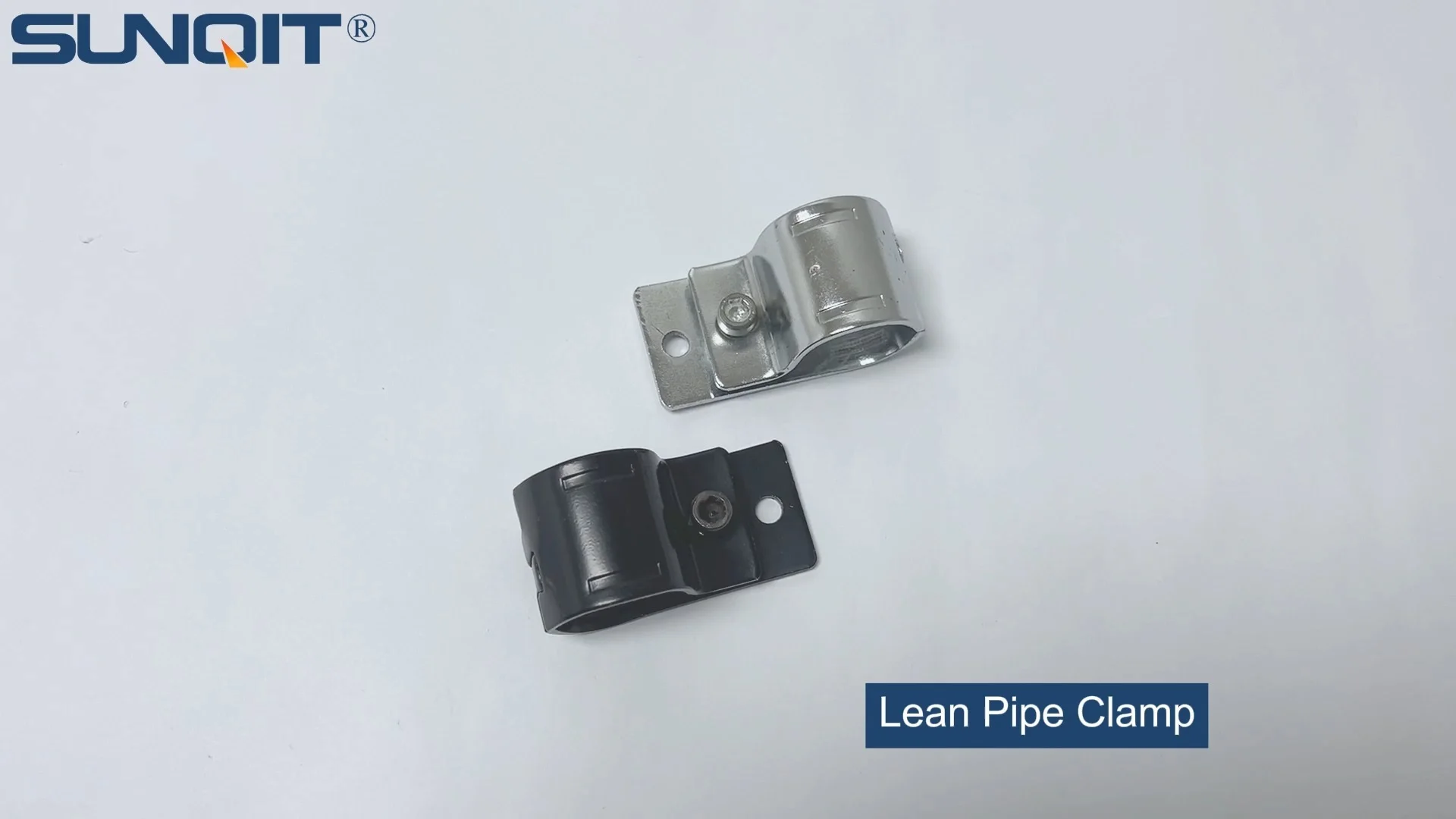
Lean Pipe Clamp
Lean pipe clamp is used for rack system hang monitor or other panel for workbenck, flowrack in production daily use.
Picture this: You're standing in the middle of your workshop, surrounded by half-assembled workbenches and a pile of lean pipes. Your team is eager to streamline production, but there's a problem—those flimsy, generic clamps you ordered online keep slipping, leaving pipes wobbly and your workflow stuck in neutral. Sound familiar? If you've ever struggled with unstable lean systems, chances are the issue starts with one small but critical component: the lean pipe clamp. And when it comes to reliability, few clamps are as essential as the Lean Pipe Clamp B.
Whether you're building a custom workbench, setting up a flow rack, or revamping your entire production line, choosing the right Lean Pipe Clamp B isn't just about checking a box on a parts list. It's about ensuring safety, durability, and efficiency—three things that can make or break your lean manufacturing goals. But with so many suppliers, marketplaces, and product variations out there, how do you know where to turn? That's where this guide comes in. We'll walk you through everything you need to know to find a quality supplier, avoid common pitfalls, and feel confident that your clamps (and your lean system) will stand the test of time.
First Things First: What Even Is a Lean Pipe Clamp B?
Before we dive into where to buy, let's make sure we're on the same page about what a Lean Pipe Clamp B actually does. If you're new to lean manufacturing or industrial workbench setups, you might be wondering, "Why all the fuss over a clamp?" Here's the thing: Lean pipe systems—those modular, flexible structures used in factories, warehouses, and workshops—rely on connections that are both strong and adaptable. And that's where clamps like the Lean Pipe Clamp B shine.
Lean Pipe Clamp B is a specific type of fastener designed to join lean pipes (often aluminum, stainless steel, or PE-coated steel) at precise angles, creating stable frames for workbenches, material racks, turnover trolleys, and more. Unlike generic clamps, it's engineered with lean principles in mind: easy to assemble, adjustable for reconfiguration, and tough enough to handle daily wear and tear. Think of it as the "glue" that holds your lean system together—without it, even the sturdiest pipes become a wobbly mess.
But not all Lean Pipe Clamp Bs are created equal. Some are made with cheap plastic or thin metal that bends under pressure; others skip critical quality checks, leading to inconsistent sizing or loose fits. That's why choosing the right supplier isn't just about getting a good deal—it's about protecting your team, your equipment, and your bottom line.
Why Quality Matters More Than You Think
Let's get real: When you're ordering parts for your workshop, it's tempting to go for the lowest price tag. After all, a clamp is a clamp, right? Wrong. A low-quality Lean Pipe Clamp B might save you a few dollars upfront, but it could cost you far more in the long run. Here's why:
- Safety First: Imagine a workbench loaded with heavy tools or materials. If the clamps holding it together fail, that bench could collapse, risking injury to your team or damage to equipment. Quality clamps are tested to withstand weight, vibration, and repeated use—keeping everyone safe.
- Durability = Less Waste: Cheap clamps wear out quickly. They might rust, crack, or loosen after a few months, forcing you to replace them again and again. That's not just a hassle—it's a waste of time, money, and resources, which directly contradicts lean manufacturing's "eliminate waste" core principle.
- Consistency = Efficiency: If your clamps are inconsistent in size or fit, assembling and reconfiguring your lean system becomes a nightmare. One clamp might be too tight, another too loose, leading to uneven frames and frustrating delays. Quality suppliers ensure every clamp meets strict standards, so you can build with confidence.
- Long-Term Cost Savings: Yes, a quality Lean Pipe Clamp B might cost a bit more upfront. But when you factor in fewer replacements, less downtime, and no unexpected failures, it's almost always cheaper over time. Think of it as an investment in your operation's reliability.
So, now that you know why quality counts, let's talk about where to find suppliers who deliver it.

Key Factors to Consider When Choosing a Supplier
Not all suppliers are created equal, and even "reputable" ones might not check all your boxes. To narrow down your options, here are the top factors you'll want to evaluate:
1. Product Quality & Materials
Start by digging into what the clamps are made of. Most quality Lean Pipe Clamp Bs are crafted from materials like high-grade aluminum, stainless steel, or reinforced plastic—materials that resist corrosion, withstand weight, and hold up to daily use. Ask suppliers for details: Is the metal coated to prevent rust? Are the plastic components heat-resistant? Do they use precision machining to ensure a tight, consistent fit?
You should also ask about testing. Reputable suppliers will test their clamps for strength, durability, and compatibility with standard lean pipes (like 28mm or 30mm diameters). If a supplier can't provide test results or material certifications, that's a red flag.
2. Supplier Reliability
What good is a quality clamp if the supplier can't deliver it on time? Look for suppliers with a track record of consistency. Check reviews from other buyers—do they mention delays, backorders, or sudden price hikes? A reliable supplier will be transparent about lead times, communicate proactively if issues arise, and have backup plans to keep your order on track.
Also, consider their production capacity. If you need bulk orders (say, 500+ clamps for a large project), make sure the supplier can handle the volume without cutting corners on quality.
3. Pricing & Value (Not Just Cost)
Price matters, but it shouldn't be the only factor. Instead of focusing solely on the per-unit cost, think about "value." A supplier with slightly higher prices might offer better materials, faster shipping, or free technical support—all of which add up to a better overall experience.
Don't be afraid to ask for bulk discounts or negotiate terms if you're ordering large quantities. Many suppliers are willing to work with you, especially if they see you as a long-term customer.
4. Customer Support
Even the best suppliers run into issues. When that happens, you want a team that's easy to reach and willing to help. Do they offer phone, email, or chat support? How quickly do they respond to questions? Will they help you troubleshoot if a clamp doesn't fit or breaks? Good customer support can turn a frustrating problem into a minor hiccup.
5. Certifications & Compliance
If your industry has specific requirements—like ESD (Electrostatic Discharge) protection for electronics manufacturing, or food-grade materials for packaging lines—make sure your supplier's clamps comply. Ask for certifications like ISO 9001 (quality management) or ESD S20.20 (for electrostatic control). A supplier who can't provide these might not take compliance seriously, putting your products or processes at risk.
6. Customization Options
Maybe you need a clamp with a specific coating, or a modified design to fit a unique pipe size. Some suppliers offer customization, which can be a game-changer for specialized projects. Ask if they can adjust materials, colors, or dimensions to meet your needs—and what the lead time and cost would be for custom orders.

Top Places to Buy Lean Pipe Clamp B
Now that you know what to look for, let's explore the best places to find quality suppliers. Each option has its pros and cons, so choose based on your needs—whether you're ordering a small batch for a quick project or bulk quantities for a factory overhaul.
1. Online Marketplaces: Convenience at Your Fingertips
Online marketplaces are a great starting point, especially if you're new to buying lean pipe components. They offer a wide range of suppliers, easy price comparison, and the convenience of ordering from your desk. Popular options include:
- Alibaba/Aliexpress: These platforms connect you with suppliers worldwide, many of whom specialize in lean manufacturing components. You'll find plenty of options for Lean Pipe Clamp B, often at competitive prices. Just be sure to filter for "Gold Suppliers" or "Verified Manufacturers" to reduce risk, and always order samples before committing to a bulk purchase.
- Amazon Business: If you prefer shopping with a familiar name, Amazon Business has a growing selection of industrial supplies, including lean pipe clamps. The advantage here is fast shipping (often via Prime) and easy returns, but you might pay a premium compared to direct suppliers.
- Thomasnet: Unlike general marketplaces, Thomasnet focuses on industrial suppliers, making it easier to find specialized manufacturers. You can filter by location, certifications, and product type, and many suppliers list technical specs and case studies to help you decide.
2. Direct Suppliers: Build a Long-Term Partnership
For many businesses, working directly with a lean pipe supplier is the best bet. Direct suppliers often offer better pricing for bulk orders, customization options, and dedicated customer support. Here's how to find them:
- Industry Directories: Use directories like Global Sources, Made-in-China, or local industrial directories to search for "lean pipe supplier" or "lean pipe clamp B manufacturer." Look for suppliers with a focus on lean systems—they'll have a deeper understanding of your needs.
- Referrals: Ask colleagues in your industry where they source their lean components. Word-of-mouth is powerful, and a referral from someone you trust can save you hours of research.
- Company Websites: Many suppliers have detailed websites showcasing their products, certifications, and manufacturing processes. Reach out via email or phone to ask questions—this is also a great way to test their customer support responsiveness.
When vetting direct suppliers, don't hesitate to ask for references. A reputable supplier will happily connect you with past clients who can speak to their quality and reliability.
3. Industry Trade Shows: See Products in Person
If you want to get hands-on with Lean Pipe Clamp Bs before buying, industry trade shows are a goldmine. Events like the International Manufacturing Technology Show (IMTS), Hannover Messe, or local manufacturing expos let you meet suppliers face-to-face, inspect their products, and ask detailed questions.
Trade shows also give you the chance to compare multiple suppliers in one place. You can test clamp strength, check for fit with your existing pipes, and even negotiate deals on the spot. Plus, you'll network with other professionals who can share tips on which suppliers to trust (and which to avoid).
Comparing Your Options: A Quick Reference Table
| Buying Channel | Pros | Cons | Best For |
|---|---|---|---|
| Online Marketplaces | Convenient, wide selection, easy price comparison | Quality can vary, less customization, potential for scams | Small orders, quick projects, first-time buyers testing the waters |
| Direct Suppliers | Bulk pricing, customization, dedicated support, quality control | Longer lead times, minimum order quantities, more research needed | Large projects, ongoing needs, businesses prioritizing reliability |
| Trade Shows | Hands-on product testing, networking, in-person negotiations | Time and travel costs, limited to event schedules | Businesses wanting to vet suppliers personally, exploring new products |

How to Evaluate a Supplier: Step-by-Step
Once you've shortlisted a few suppliers, it's time to dig deeper. Here's a step-by-step process to ensure you're choosing the right one:
Step 1: Request Samples
Never order in bulk without testing a sample first. Ask suppliers to send 2-3 Lean Pipe Clamp Bs (and, if possible, matching lean pipes) so you can check fit, strength, and quality. Test them by assembling a small frame—does the clamp tighten securely? Is it easy to adjust? Does it feel sturdy when you apply pressure?
Pay attention to small details: Are the edges smooth (no sharp parts that could cut hands)? Do the threads (if applicable) work smoothly? Is the finish consistent?
Step 2: Check Certifications & Compliance
If your industry requires specific certifications (like ESD compliance for electronics, or food-grade materials for packaging), ask the supplier to provide copies of their certifications. Reputable suppliers will have no problem sharing ISO certificates, material safety data sheets (MSDS), or test reports from third-party labs.
Step 3: Read Reviews & References
Check online reviews on platforms like Google, Trustpilot, or industry forums. Look for patterns—are most reviews positive, or do you see repeated complaints about quality or service? Also, ask the supplier for references from customers in your industry. A quick call to a reference can reveal insights you won't find online, like how the supplier handles rush orders or warranty claims.
Step 4: Test Customer Support
Reach out to the supplier with questions—lots of them. How responsive are they? Do they answer clearly, or do they dodge your concerns? A supplier who takes the time to explain their products and processes is more likely to support you after the sale.
Also, ask about their warranty policy. Do they offer a guarantee if a clamp fails? What's the process for returns or replacements? A strong warranty shows the supplier stands behind their product.
Step 5: Compare Total Cost (Not Just Price)
Finally, calculate the total cost of working with each supplier. That includes the per-unit price, shipping fees, minimum order quantities, and any customization costs. A supplier with a lower per-unit price might charge more for shipping, making their total cost higher than a slightly pricier competitor. Don't forget to factor in long-term costs, like how often you'll need to replace the clamps.
Common Mistakes to Avoid
Even with careful research, it's easy to fall into common traps when buying Lean Pipe Clamp B. Here are a few mistakes to watch out for:
Mistake 1: Choosing the Cheapest Option
We get it—budgets are tight. But going for the lowest-priced clamp almost always backfires. As we discussed earlier, cheap clamps fail faster, risking safety and efficiency. Instead of focusing on price alone, compare value: what do you get for your money in terms of quality, support, and durability?
Mistake 2: Ignoring Compatibility
Not all lean pipes are the same diameter, and not all clamps fit all pipes. Before ordering, double-check that the Lean Pipe Clamp B is compatible with your existing pipes (or the pipes you plan to buy). A clamp that's slightly too big or small will never fit right, no matter how high-quality it is.
Mistake 3: Overlooking Lead Times
Don't wait until the last minute to order. Even reliable suppliers can face delays, especially during peak seasons. Build extra time into your timeline, and confirm lead times upfront. If you need clamps quickly, ask about rush options (and be prepared to pay a premium).
Mistake 4: Not Planning for the Future
Your lean system might grow or change over time. Will your supplier be able to scale with you? Can they provide additional clamps or related components (like lean pipe joints, aluminum profiles, or workbench accessories) if you need them later? Choosing a supplier with a full range of lean products can save you time and hassle down the line.
Final Thoughts: Invest in Quality, Reap the Rewards
At the end of the day, buying Lean Pipe Clamp B isn't just about checking a part off your list—it's about building a lean system that works for your team, today and tomorrow. By prioritizing quality, vetting suppliers carefully, and avoiding common mistakes, you'll create a workspace that's safe, efficient, and built to last.
Remember, the best suppliers aren't just vendors—they're partners. They'll take the time to understand your needs, answer your questions, and stand behind their products. So, take your time, do your research, and don't settle for anything less than the best. Your team, your workflow, and your bottom line will thank you.
Now, go out there and find the perfect Lean Pipe Clamp B supplier. Your lean system (and your peace of mind) depend on it.