- Company Articles
- Products and Technology
- Product knowledge
- Why 1.0mm Stainless Steel Pipe is Preferred for Medical Cart Frames

Why 1.0mm Stainless Steel Pipe is Preferred for Medical Cart Frames
Related Product
1.0mm Stainless Steel Pipe
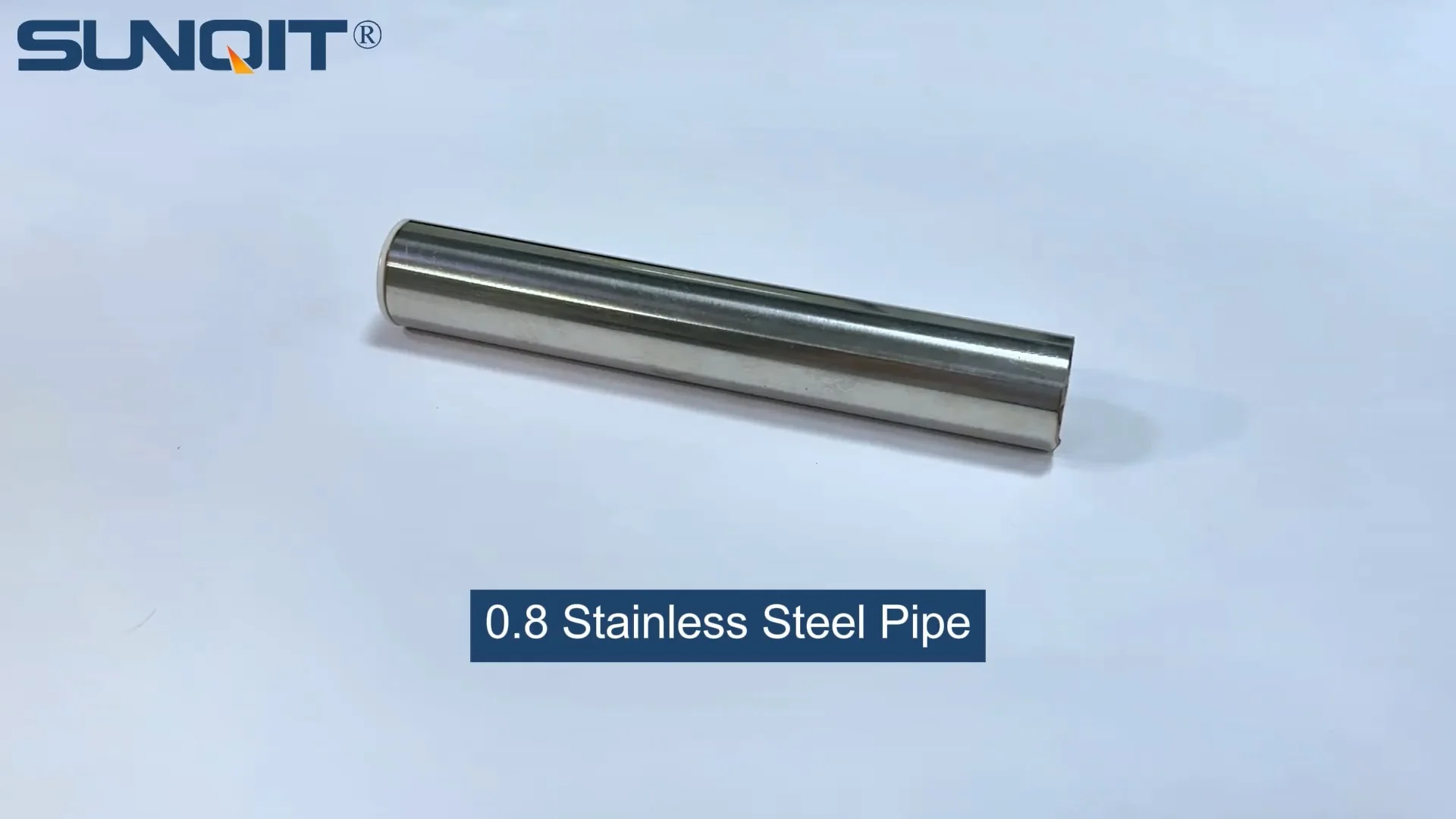
Stainless steel pipe, lean pipe, diameter is 28mm, material is SS201 or SS304, SS201 is normally used in the market. It knows a KARAKURI, KAIZEN material for industrial plant to improve efficiency, save labor cost, standard management.
Walk through any hospital corridor, and you'll notice them: sleek, sturdy carts gliding past nurses' stations, weaving through patient rooms, and standing ready in operating theaters. These medical carts—stocked with medications, tools, supplies, or even portable monitors—are the unsung workhorses of healthcare. But what makes a medical cart reliable enough to keep pace with the chaos of a busy hospital? The answer often lies in its frame. And when it comes to frames, one material stands out time and again: 1.0mm stainless steel pipe from the stainless steel pipe series . It's not just a choice; it's a commitment to safety, durability, and the kind of performance that healthcare professionals can't afford to compromise on.
The Backbone of Care: Why Medical Cart Frames Matter More Than You Think
Imagine a nurse rushing to respond to a patient's call light. She grabs the medication cart, only to feel it wobble under the weight of vials and syringes. Or a surgeon reaching for a tool during an operation, but the cart's frame creaks, threatening to tip. These aren't just minor inconveniences—they're risks to patient care. A medical cart's frame isn't just a structure; it's the foundation of trust between healthcare staff and the equipment they depend on.
Frames must withstand daily punishment: being pushed, pulled, bumped into walls, loaded with heavy equipment, and exposed to constant cleaning with harsh disinfectants. They need to support shelves, drawers, and sometimes even mounted devices, all while remaining lightweight enough for easy maneuvering. And in healthcare, where hygiene is non-negotiable, they can't rust, corrode, or harbor bacteria. For years, manufacturers and hospitals alike have searched for the perfect balance of strength, weight, and resilience. That search has led them to 1.0mm stainless steel pipe.
Stainless Steel: A Material Built for Healthcare's Toughest Demands
Stainless steel has long been a staple in medical settings, and for good reason. Unlike aluminum, which dents easily, or plastic, which warps under heat, stainless steel brings a unique set of properties that align with healthcare's strict requirements. Let's break it down:
Corrosion Resistance: Hospitals are wet, messy places. From spilled saline solutions to frequent wipe-downs with bleach-based cleaners, medical carts face a constant assault from moisture and chemicals. Stainless steel's chromium content forms a thin, invisible oxide layer on its surface, acting as a shield against rust and corrosion. This isn't just about aesthetics—corroded metal can harbor bacteria, creating a hidden health risk. With stainless steel, that risk vanishes.
Strength Without the Bulk: Healthcare staff shouldn't have to choose between a cart that's strong and one that's easy to move. Stainless steel delivers both. Even at just 1.0mm thick, it boasts impressive tensile strength, meaning it can support heavy loads without bending or breaking. Compare that to a plastic frame, which might crack under the weight of a full oxygen tank, or a thinner aluminum pipe, which could twist when pushed over uneven floors.
Hygiene at Its Core: Bacteria love porous surfaces, but stainless steel is non-porous and smooth, leaving nowhere for germs to hide. A quick wipe with a disinfectant is all it takes to keep the frame clean—a critical feature in infection control. In ICUs and operating rooms, where even a single pathogen can have life-threatening consequences, this simplicity is invaluable.

Why 1.0mm? The "Goldilocks" Thickness for Medical Carts
You might wonder: Why 1.0mm specifically? Why not thicker, for extra strength? Or thinner, to save weight? The answer lies in balance. Let's start with thickness extremes. A 0.8mm stainless steel pipe might be lighter, but it sacrifices rigidity—imagine a cart frame that flexes when loaded, causing drawers to jam or supplies to shift. On the flip side, a 1.2mm pipe adds unnecessary weight. Push that cart down a hallway for eight hours, and a nurse's shoulders and back will feel the difference. Over time, that extra strain leads to fatigue, which no one can afford in a high-pressure job.
1.0mm hits the sweet spot. It's thick enough to handle the typical loads of a medical cart—think 50-75 pounds of supplies, tools, or equipment—without flexing. Yet it's thin enough to keep the cart's overall weight manageable. Most medical carts with 1.0mm stainless steel frames weigh between 30-40 pounds empty, making them easy to push, pull, or pivot, even when fully loaded. For staff who move carts dozens of times a day, that difference in weight translates to less physical stress and more energy to focus on patients.
But strength and weight aren't the only factors. 1.0mm stainless steel pipe is also surprisingly versatile. It bends and shapes cleanly, allowing manufacturers to design carts with ergonomic features—like curved handles that fit comfortably in a nurse's hand or angled shelves that reduce strain when reaching for items. This flexibility in design means carts can be tailored to specific roles: a medication cart with secure drawers, a tool cart with adjustable dividers, or a crash cart with quick-access compartments. And when it comes to assembly, 1.0mm pipe pairs seamlessly with lean pipe joints , those small but mighty connectors that hold the frame together. These joints lock the pipe into place with precision, creating a sturdy structure that won't loosen over time—even after years of jostling and movement.

From the Factory to the Floor: How 1.0mm Stainless Steel Pipe Becomes a Cart Frame
Creating a medical cart frame from 1.0mm stainless steel pipe is a blend of science and craftsmanship. It starts with selecting the right grade of stainless steel—usually 304 or 316, both known for their exceptional corrosion resistance. 304 is the workhorse, ideal for most hospital environments, while 316 (often called "marine grade") adds molybdenum for extra protection against saltwater or aggressive chemicals, making it perfect for specialized areas like dialysis units.
Next, the pipe is cut to length using precision machinery. Even a fraction of an inch off can throw off the frame's symmetry, so manufacturers use laser or plasma cutters to ensure accuracy. Once cut, the pipe is bent into shape—curves for handles, right angles for corners—using hydraulic presses. The 1.0mm thickness is key here: it's rigid enough to hold its shape but malleable enough to form clean, consistent bends without cracking.
Then comes assembly, where lean pipe joints take center stage. These joints—often made of zinc-plated steel or stainless steel—slide over the pipe ends and lock in place with set screws or bolts. They come in various angles (90°, 45°, T-joints) to accommodate the frame's design. What makes them so effective? They create a tight, rattle-free connection that can withstand repeated stress. Unlike welding, which can weaken the pipe at the joint, lean pipe joints distribute weight evenly, ensuring the frame stays strong even at its connection points. For medical carts, this means no squeaks, no wobbles, and no unexpected failures.
Finally, the frame undergoes a finishing process. It's polished to a smooth, shiny surface—not just for looks, but to eliminate crevices where bacteria could hide. Some frames even get a passivation treatment, which enhances the chromium oxide layer, boosting corrosion resistance further. The result? A frame that's not just strong, but cleanable —a must in environments where infection control is paramount.
Beyond the Frame: How 1.0mm Stainless Steel Enhances Mobility with Caster Wheels
A sturdy frame is only half the battle; a medical cart also needs to move. That's where caster wheels come in—and 1.0mm stainless steel frames play a crucial role in making those wheels effective. Think about it: a weak frame might flex when the cart is pushed, causing the caster wheels to wobble or stick. But a rigid 1.0mm stainless steel frame keeps the wheels aligned, ensuring smooth, consistent movement.
Most medical carts use swivel caster wheels with brakes, allowing staff to lock the cart in place during use. The frame's strength ensures that the weight of the cart and its contents is distributed evenly across all four wheels, preventing uneven wear and tear. For example, a fully loaded medication cart might weigh 100 pounds or more. With a 1.0mm stainless steel frame, that weight is spread evenly, so no single caster bears too much pressure—extending the life of the wheels and reducing the need for frequent replacements.
Nurses and technicians notice the difference. "I used to push a cart with an aluminum frame, and it felt like I was fighting it every time I turned a corner," says Maria, a pediatric nurse with 15 years of experience. "Now, with the stainless steel frame, it glides. Even with a full load of vaccines and syringes, I can pivot it in tight patient rooms without breaking a sweat." That ease of movement isn't just about comfort—it's about speed. In an emergency, every second counts, and a cart that moves smoothly can mean the difference between a timely response and a delay.
A Material Comparison: Why Stainless Steel Beats Aluminum, Plastic, and Thicker Gauges
To truly understand why 1.0mm stainless steel pipe is preferred, let's compare it to other common frame materials. Below is a breakdown of how it stacks up against aluminum, plastic, and even thicker stainless steel gauges:
| Material | Strength (Tensile Strength, MPa) | Corrosion Resistance | Weight (Empty Cart Frame, lbs) | Hygiene | Cost (Relative) |
|---|---|---|---|---|---|
| 1.0mm Stainless Steel (304) | 515-690 | Excellent (resists bleach, saline) | 30-40 | High (non-porous, easy to disinfect) | Moderate |
| 1.0mm Aluminum | 200-300 | Good (but dents easily, traps bacteria) | 20-25 | Moderate (porous if scratched) | High (costs more than stainless steel) |
| Plastic (Polypropylene) | 30-40 | Poor (warps with heat, stains easily) | 15-20 | Low (harbors bacteria in scratches) | Low (but needs frequent replacement) |
| 1.5mm Stainless Steel | 515-690 (same as 1.0mm) | Excellent | 45-55 | High | High (heavier, harder to maneuver) |
Aluminum, for example, is lighter, but it trades strength for that weight savings. A 1.0mm aluminum frame might weigh 20-25 pounds empty, but it dents easily—even a minor bump against a wall can leave a that traps bacteria. Plastic is cheaper upfront, but it warps under heat (like near a sterilizer) and scratches easily, creating hiding spots for germs. Thicker stainless steel (1.5mm) is strong, but the extra weight makes carts harder to move, leading to staff fatigue. 1.0mm stainless steel, by contrast, hits the sweet spot in every category: strong, corrosion-resistant, lightweight enough for mobility, and easy to keep clean.
Real-World Results: Hospitals That Switched to 1.0mm Stainless Steel Frames
City General Hospital, a 500-bed facility in the Midwest, made the switch to 1.0mm stainless steel cart frames five years ago. "We were replacing aluminum frames every 2-3 years because they'd dent or corrode," says Mike, the hospital's materials manager. "Now, the stainless steel frames are still going strong. We've only had to replace a few caster wheels —the frames themselves look brand new." The switch saved the hospital over $40,000 in replacement costs in the first three years alone.
Another example is Riverside Clinic, a small outpatient center in California. They upgraded their exam room carts to 1.0mm stainless steel after staff complained about plastic frames warping under the weight of medical records and supplies. "Our nurses love them," says Dr. Patel, the clinic's medical director. "They're sturdy, easy to clean, and the carts don't tip when we load them up with samples. It's one less thing to worry about, so we can focus on patients."
Maintenance and Longevity: A Frame That Grows with Your Facility
One of the biggest advantages of 1.0mm stainless steel pipe frames is their longevity. With proper care, they can last 10-15 years—far longer than aluminum or plastic frames. Maintenance is simple: wipe down with a mild detergent or disinfectant daily, check lean pipe joints periodically to ensure they're tight, and replace caster wheels when they show signs of wear (usually every 2-3 years). There's no need for painting, refinishing, or rust treatment—stainless steel holds up on its own.
This longevity also makes 1.0mm stainless steel frames environmentally friendly. Instead of sending worn-out frames to landfills every few years, hospitals can keep using them, reducing waste. And when a cart does reach the end of its life, stainless steel is 100% recyclable, closing the loop on sustainability.
Conclusion: More Than a Material—A Commitment to Care
At the end of the day, choosing 1.0mm stainless steel pipe for medical cart frames isn't just about specs and strengths. It's about recognizing that every detail in healthcare matters. A sturdy frame means nurses can move with confidence, knowing their cart won't fail. A corrosion-resistant surface means fewer infections and safer patients. A lightweight yet durable design means staff can focus on care, not struggling with equipment.
The stainless steel pipe series has long been trusted in industries where reliability is critical—from aerospace to food processing. But in healthcare, its impact is personal. It's the quiet assurance that the tools we depend on are built to keep up with the demands of saving lives. So the next time you see a medical cart gliding through a hospital, take a moment to appreciate its frame. Chances are, it's made of 1.0mm stainless steel—and there's a good reason for that. It's not just preferred; it's the gold standard.