- Company Articles
- Products and Technology
- Product knowledge
- Why 1.2mm Stainless Steel Pipe Matters for Stable Lean Pipe Workbenches

Why 1.2mm Stainless Steel Pipe Matters for Stable Lean Pipe Workbenches
Related Product
1.2mm Stainless Steel Pipe
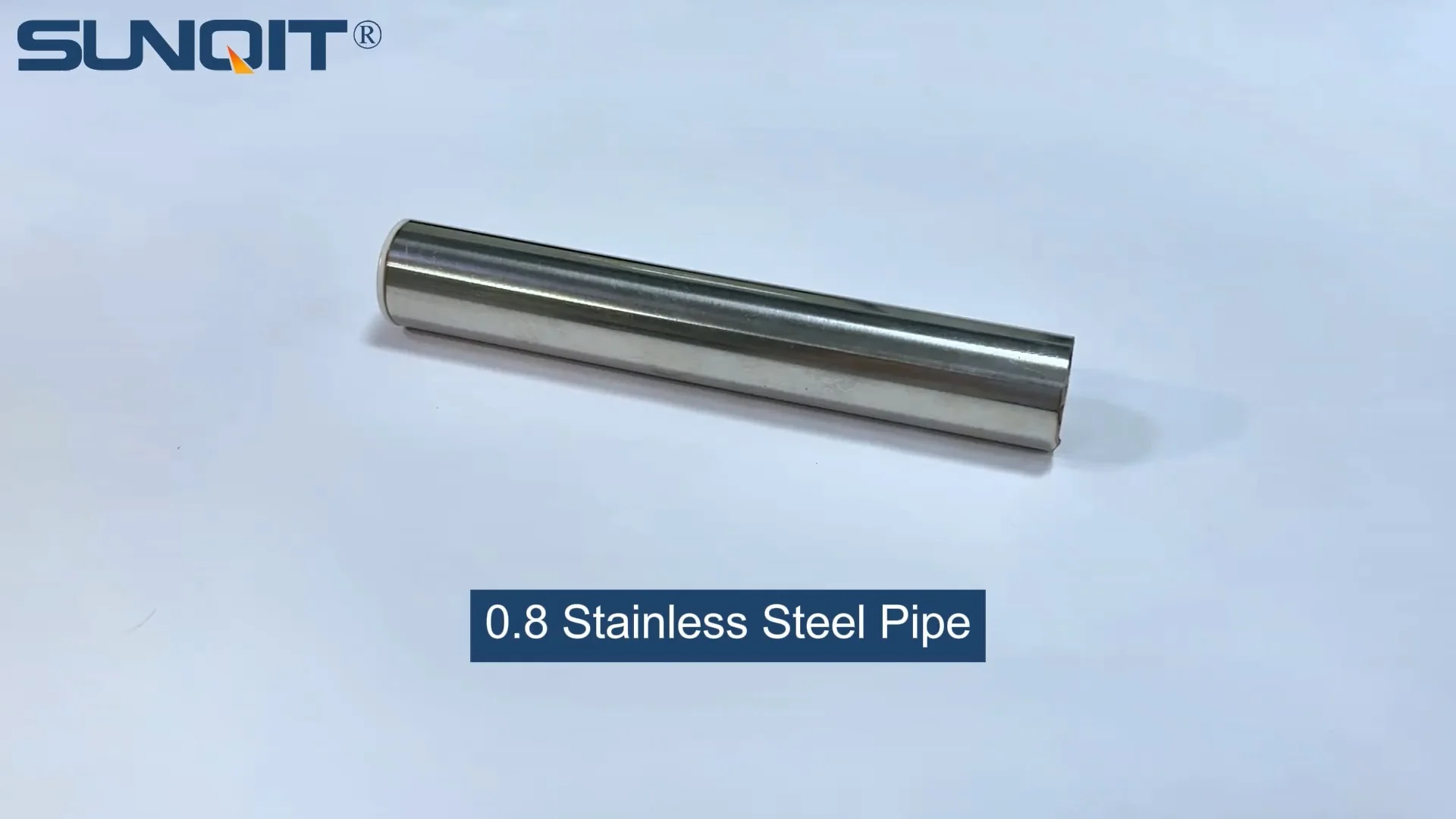
Stainless steel pipe, lean pipe, diameter is 28mm, material is SS201 or SS304, SS201 is normally used in the market. It knows a KARAKURI, KAIZEN material for industrial plant to improve efficiency, save labor cost, standard management.
The unsung backbone of efficient production lines and reliable factory floors
The Quiet Hero of the Factory Floor
Walk into any busy manufacturing plant, and you'll notice the hum of machines, the rhythm of workers, and the constant flow of materials. But if you pause and look closer, there's one piece of equipment that ties it all together—the lean pipe workbench. It's not flashy, it doesn't make noise, and it rarely gets a second glance. Yet, for the assembly line worker sorting components, the quality inspector checking parts, or the technician repairing tools, that workbench is the center of their world.
Imagine starting your shift at a workbench that wobbles when you set down a heavy tool. Or one that sags slightly under the weight of a half-assembled product, throwing off your measurements. It's frustrating, right? It slows you down, makes your job harder, and even risks mistakes that cost time and money. Now picture the opposite: a workbench that feels rock-solid, like an extension of the floor itself. It doesn't budge, it supports every load without complaint, and it lets you focus on what matters—doing your job well. That stability doesn't happen by accident. It starts with one critical choice: the material and thickness of the pipes that form its frame. And in that world, 1.2mm stainless steel pipe stands out as the gold standard.
Production assemble lines thrive on precision and consistency. Every second counts, and every component needs to be in exactly the right place. A lean pipe workbench isn't just a table—it's a foundation for efficiency. It holds tools, organizes parts, and provides a flat, steady surface for everything from intricate electronics assembly to heavy machinery work. And the secret to making that foundation reliable? Stainless steel pipe series, specifically the 1.2mm variety. Let's dive into why this seemingly small detail makes such a big difference.
What Makes a Lean Pipe Workbench "Lean"?
Before we get into the weeds of pipe thickness, let's take a step back and remember what "lean" really means. Lean manufacturing is all about cutting waste—waste of time, space, materials, and effort. A lean pipe workbench embodies that philosophy: it's modular, so you can customize it to fit your needs; it's durable, so it lasts for years without replacement; and it's designed to keep everything you need within arm's reach, eliminating unnecessary movement.
But here's the thing: none of that works if the workbench itself isn't stable. A wobbly or flimsy bench creates its own kind of waste. You waste time readjusting parts that slide around. You waste energy compensating for an uneven surface. And worst of all, you risk damaging products or even injuring yourself. That's why the materials used to build the bench matter so much. The frame is the skeleton, and like any skeleton, it needs to be strong enough to support the body.
Lean pipe workbenches are typically built using a combination of pipes and lean pipe joints. The pipes form the vertical supports, horizontal rails, and cross-braces, while the joints connect them at angles, creating a sturdy frame. Add a worktop, some shelves, and maybe a few accessories like tool hooks or material racks, and you've got a functional workspace. But the pipes are the backbone. They bear the weight, resist bending, and determine how much abuse the bench can take over time.
Stainless steel pipe series has long been a favorite for these frames, and for good reason. Stainless steel is resistant to rust and corrosion, which is crucial in factories where spills, humidity, or cleaning chemicals are common. It's also strong—stronger than plastic-coated pipes or even some aluminum pipes. But within stainless steel, there's a range of thicknesses, and that's where 1.2mm comes into play.

Why Stainless Steel? The Material That Stands the Test of Time
Let's talk about material choices. When building a lean pipe workbench, you've got options: aluminum pipe, PE coated lean pipe (plastic-coated steel), or stainless steel. Each has its pros and cons, but stainless steel pipe series often rises to the top for heavy-duty, long-term use.
Aluminum pipe is lightweight and corrosion-resistant, which makes it great for applications where you need to move the workbench frequently—like a mobile assembly cart. But aluminum is softer than steel, so it can dent or bend under heavy loads. If you're working with tools that weigh 20+ pounds or assembling products that put constant pressure on the frame, aluminum might not hold up over time.
PE coated lean pipe (think of steel pipes with a plastic outer layer) is affordable and comes in bright colors, which can help with organization (red for tools, blue for parts, etc.). The plastic coating also protects delicate products from scratches. But that coating can wear off with heavy use, exposing the steel underneath to rust. And the steel core in PE coated pipes is often thinner—sometimes as little as 1.0mm—to keep costs down. That thinness makes the pipes more prone to bending, especially if the bench is loaded unevenly.
Stainless steel, on the other hand, skips the coating and relies on its own natural properties. It contains chromium, which forms a thin, invisible layer on the surface that resists rust and stains. Even if you scratch it, that layer reforms, keeping the pipe intact. Stainless steel is also denser and stronger than aluminum, so it can handle heavier weights without flexing. And when you pair that strength with the right thickness—1.2mm—you get a pipe that's tough enough for daily abuse but not so thick that it makes the bench or hard to assemble.
One factory I visited a few years back had switched from PE coated pipes to stainless steel after a frustrating experience. Their assembly line for small appliances used workbenches with 1.0mm PE coated pipes. Within six months, the pipes under the heaviest tool shelves had started to bow. The plastic coating was chipping where workers leaned against the frame, and rust was starting to peek through. They had to replace the frames entirely, which cost them downtime and money. A year later, they switched to 1.2mm stainless steel pipe, and those workbenches are still going strong. The maintenance manager joked, "We'll probably be replacing the worktops before we need to touch the frames." That's the durability we're talking about.

1.2mm: The Sweet Spot of Thickness
So why 1.2mm? Why not 1.0mm to save money, or 1.5mm for extra strength? Let's break it down. Pipe thickness is measured in millimeters (mm), referring to the wall thickness of the pipe. A 1.0mm pipe has a thinner wall than a 1.2mm, which in turn is thinner than a 1.5mm. Thicker walls mean more steel, which equals more strength—but also more weight and higher cost.
Let's start with 1.0mm stainless steel pipe. It's lighter and cheaper than 1.2mm, which might sound appealing for budget-conscious operations. But here's the catch: it lacks the rigidity needed for a stable workbench. Even with proper bracing, a 1.0mm pipe frame will flex under consistent heavy use. I've seen this in a small electronics factory where they used 1.0mm pipes for their workbenches. The assemblers were attaching circuit boards to metal chassis, and over time, the benches started to wobble slightly. The workers adapted by bracing their elbows against the table, but that extra effort led to more fatigue by the end of the shift. Productivity dipped, and the quality team noticed more minor alignment issues in the finished products. The benches looked fine at first, but the daily wear and tear exposed their weakness.
On the flip side, 1.5mm stainless steel pipe is undeniably strong. It can handle massive loads—think 500+ pounds on a single shelf—and it won't budge an inch. But there's a downside: weight. A workbench frame made with 1.5mm pipes is significantly heavier than one with 1.2mm pipes. That might not matter if the bench is bolted to the floor, but most lean pipe workbenches are modular and sometimes need to be reconfigured or moved. Try moving a 1.5mm frame across the factory floor, and you'll need a team of people or a forklift. That defeats the "lean" principle of flexibility. Plus, 1.5mm pipes cost more—sometimes 20-30% more than 1.2mm. For most factories, that extra cost and weight just isn't necessary.
1.2mm hits that perfect balance. It's thick enough to resist bending under typical workbench loads (200-300 pounds on the top surface, plus tools and parts on shelves). It's strong enough to handle occasional heavy items without permanent deformation. And it's light enough that two people can move a disassembled frame or reconfigure the bench without too much hassle. It's the Goldilocks of pipe thickness: not too thin, not too thick, just right.
| Pipe Thickness | Typical Load Capacity (Per Linear Meter) | Weight (Per Meter of Pipe) | Cost (Relative to 1.2mm) | Best For |
|---|---|---|---|---|
| 1.0mm Stainless Steel | Up to 150 lbs | 1.8 kg | 80% of 1.2mm | Light-duty tasks (small parts sorting, lightweight tools) |
| 1.2mm Stainless Steel | 200-350 lbs | 2.2 kg | 100% (Base Cost) | General manufacturing, assembly lines, quality inspection (most common use cases) |
| 1.5mm Stainless Steel | 400+ lbs | 2.8 kg | 120-130% of 1.2mm | Heavy machinery assembly, industrial workbenches with fixed, ultra-heavy loads |
Another factor to consider is how the pipe interacts with lean pipe joints. Lean pipe joints are the connectors that hold the frame together—think of them as the "elbows" and "knees" of the workbench. They're designed to grip the pipe tightly, distributing weight evenly across the frame. A 1.2mm pipe has enough wall thickness to create a secure fit with standard joints. If the pipe is too thin (1.0mm), the joint might not grip as well, leading to loosening over time. If it's too thick (1.5mm), you might need specialized joints that are more expensive and harder to source. 1.2mm pipes work seamlessly with the most common lean pipe joints, making assembly and repairs easier for your maintenance team.
When Pipes and Joints Work in Harmony
A workbench is only as strong as its weakest link, and that link is often where the pipes meet the joints. Even the strongest 1.2mm stainless steel pipe won't save you if the lean pipe joints are poorly designed or cheaply made. But when pipes and joints are matched correctly, magic happens—you get a frame that's not just strong, but also rigid and resistant to twisting.
Lean pipe joints come in all shapes: 90-degree angles for corners, T-joints for shelves, swivel joints for adjustable components. Most are made of metal (often zinc-plated steel or aluminum) with a clamping mechanism that tightens around the pipe. The key is how well that clamp grips the pipe. With a 1.2mm pipe, the joint's clamping teeth bite into the steel just enough to hold firm without damaging the pipe. Over time, even with vibrations from nearby machinery or the occasional bump, the joint stays tight.
Let's say you're assembling a workbench with a shelf halfway up the frame. You use a T-joint to connect the vertical support pipe to the horizontal shelf pipe. If the vertical pipe is 1.2mm stainless steel, the T-joint's clamp will wrap around it securely. When you load the shelf with tools—drills, wrenches, maybe a small parts bin—the weight transfers down through the T-joint to the vertical pipe, which distributes it to the floor. There's no slippage, no creaking, no gradual sagging. The joint and pipe work together like a well-oiled machine.
Compare that to a 1.0mm pipe in the same scenario. The thinner wall might allow the joint to clamp initially, but over time, the constant pressure can cause the pipe to compress slightly where the clamp is. That compression creates a little slack, and suddenly the shelf starts to tilt. You tighten the joint, but the damage is done—the pipe has deformed, and the slack returns within a week. Now you're stuck in a cycle of tightening joints and adjusting shelves, which is exactly the kind of waste lean manufacturing aims to eliminate.
Stainless steel's smooth surface might make you worry about joints slipping, but that's where the joint design comes in. Quality lean pipe joints have serrated or textured clamping surfaces that dig into the stainless steel, creating friction that prevents movement. And because 1.2mm pipes have enough heft, they don't bend under the pressure of the clamp, so the connection stays tight for years.
Real-World Impact: How 1.2mm Pipes Transform Production Assemble
Enough theory—let's talk about how this plays out on the factory floor. Take the example of a mid-sized automotive parts manufacturer I worked with a few years ago. They were struggling with their existing workbenches, which used PE coated lean pipes (1.0mm steel core). The assembly line built brake calipers, which aren't extremely heavy, but the work required precision: aligning small bolts, attaching hydraulic lines, and testing for leaks. The problem? The workbenches were wobbly. Not dramatically, but enough that when a worker used a torque wrench to tighten a bolt, the bench would rock slightly. That rock threw off their aim, leading to bolts that were either over-tightened (risking damage) or under-tightened (risking leaks). The quality control team was rejecting 8-10% of calipers for alignment issues, which cost the company thousands in rework.
They decided to upgrade to lean pipe workbenches using 1.2mm stainless steel pipe. Within a month, the rejection rate dropped to 2-3%. The workers reported that the benches felt "solid as a rock," and they could focus on the task instead of compensating for movement. One assembler, who'd been with the company for 15 years, put it best: "It's like writing on a table instead of a trampoline. You just don't think about the surface anymore—it's there, it works, and you get on with your job."
Another example: a food packaging plant that needed workbenches near a washdown area. They'd tried aluminum pipe workbenches, but the constant exposure to water and cleaning chemicals led to corrosion at the joints. They switched to 1.2mm stainless steel pipe series, and the difference was night and day. The stainless steel resisted rust, even with daily hosing, and the workbenches stayed stable. Three years later, those benches still look new, with no signs of corrosion or structural weakness.
These stories highlight a bigger point: stability isn't just about comfort—it's about quality, efficiency, and bottom-line results. A stable workbench reduces errors, speeds up tasks, and lowers the risk of workplace injuries. And it all starts with choosing the right pipe thickness.
Beyond the Bench: How 1.2mm Pipes Support the Entire Lean System
Lean pipe workbenches don't exist in isolation. They're part of a larger lean system that includes flow racks, conveyor belts, turnover trolleys, and material storage solutions. And when you use 1.2mm stainless steel pipe in your workbenches, that stability ripples out to improve the entire system.
Take flow racks, for example. Flow racks use gravity to move materials from the back to the front, making it easy for workers to grab parts as they need them. If your workbench is stable, you can position a flow rack right next to it, creating a seamless transition from material storage to assembly. The workbench doesn't move when you pull a heavy bin from the flow rack, so the flow rack stays aligned, and materials glide smoothly. No more jamming bins or misaligned tracks.
Or consider turnover trolleys—those mobile carts that transport parts between workstations. A stable workbench makes it easier to load and unload these trolleys. You can slide a trolley up to the bench, transfer parts without the bench shifting, and send the trolley on its way. If the bench wobbled, you might spill parts or struggle to line up the trolley with the bench surface, wasting time.
Even the smallest details matter. When your workbench is built with 1.2mm stainless steel pipe, you can add accessories like tool hooks, monitor mounts, or overhead light brackets without worrying about overloading the frame. Those accessories keep your workspace organized, which is a cornerstone of lean manufacturing. A cluttered, disorganized workbench leads to wasted time searching for tools; a stable, organized one lets you work faster and smarter.
And let's not forget about longevity. A lean system is only as sustainable as its components. A workbench made with 1.2mm stainless steel pipe will last 5-10 years or more, even in tough factory conditions. That means you won't have to replace frames every 2-3 years, reducing waste and saving money on replacements. It's lean thinking at its finest—investing in quality upfront to avoid waste later.
Choosing the Right Supplier: It's About More Than Just Pipes
Okay, so you're convinced: 1.2mm stainless steel pipe is the way to go for your lean pipe workbench. Now, where do you get it? Not all stainless steel pipe is created equal, and not all lean pipe workbench suppliers prioritize quality. When choosing a supplier, look for one that specializes in stainless steel pipe series and understands the needs of production assemble lines.
A good supplier will source high-grade stainless steel (typically 304 or 316 grade, which are corrosion-resistant) and ensure consistent wall thickness. Inconsistent thickness—even a variance of 0.1mm—can weaken a pipe or make it harder to assemble with standard lean pipe joints. Ask about their manufacturing process: do they use seamless pipes (stronger) or welded pipes? Seamless is better for structural integrity, especially under load.
Also, check if the supplier offers pre-cut pipes or custom lengths. Cutting pipes on-site with a hacksaw or pipe cutter can lead to uneven ends, which make joints harder to align. A supplier that cuts pipes to your exact specifications saves you time and ensures a better fit.
Finally, look for a supplier that stands behind their products. Do they offer a warranty on their stainless steel pipes? Will they help you troubleshoot if you run into issues with assembly or stability? A reliable supplier isn't just a vendor—they're a partner in building a more efficient, stable production line.
Conclusion: The Small Detail That Makes a Big Difference
At the end of the day, a lean pipe workbench is more than just a piece of equipment. It's a tool that empowers workers, supports quality, and drives efficiency. And the foundation of that tool—the pipes that form its frame—deserves careful consideration. 1.2mm stainless steel pipe isn't the cheapest option, nor is it the thickest. But it's the one that balances strength, weight, cost, and versatility to create a workbench that truly serves the needs of production assemble lines.
Next time you walk through your factory, take a moment to look at the workbenches. Are they stable? Do they support your team, or do they create extra work? If it's the latter, maybe it's time to look at the pipes. Upgrading to 1.2mm stainless steel pipe might seem like a small change, but it's one that can have a ripple effect across your entire operation—fewer errors, faster production, happier workers, and a stronger bottom line.
Because in lean manufacturing, the smallest details often make the biggest impact. And when it comes to workbench stability, 1.2mm stainless steel pipe is the detail that matters most.