- Company Articles
- Products and Technology
- Product knowledge
- Why 1.5mm Stainless Steel Pipe Is a Staple in Automotive Component Assembly

Why 1.5mm Stainless Steel Pipe Is a Staple in Automotive Component Assembly
Related Product
1.5mm Stainless Steel Pipe
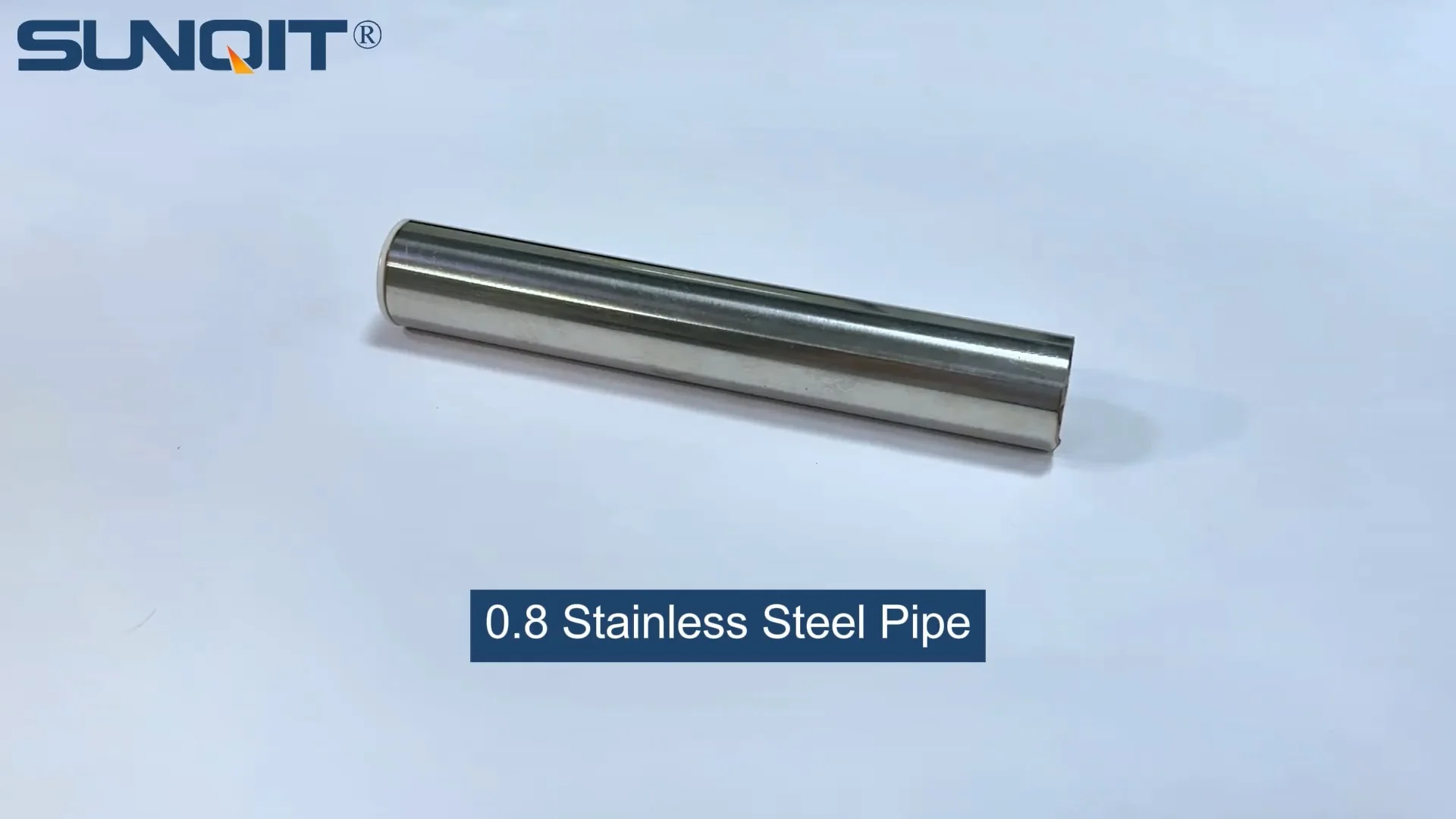
Stainless steel pipe, lean pipe, diameter is 28mm, material is SS201 or SS304, SS201 is normally used in the market. It knows a KARAKURI, KAIZEN material for industrial plant to improve efficiency, save labor cost, standard management.
Walk into any automotive manufacturing plant, and you'll be met with a symphony of movement: robotic arms precision-placing parts, conveyor belts gliding with components, and workers hunched over workbenches, piecing together the intricate systems that power our cars. Amidst this chaos, there's an unsung hero holding it all together—quietly, reliably, and often overlooked: the 1.5mm stainless steel pipe. It's not the flashiest part of the production line, but without it, the efficiency, durability, and safety that define modern automotive assembly would grind to a halt. Let's dive into why this unassuming material has become a cornerstone of how cars are built today.
The Basics: What Makes 1.5mm Stainless Steel Pipe Different?
First, let's get the basics straight. Stainless steel pipe comes in a range of thicknesses, from ultra-thin 0.8mm options to heavy-duty 2.0mm variants, all part of the broader stainless steel pipe series . But 1.5mm has emerged as the sweet spot for automotive component assembly, and it's not by accident. Think of it like Goldilocks choosing porridge—1.2mm might be too flimsy for the rigors of a factory floor, while 2.0mm could be overkill, adding unnecessary weight and cost. 1.5mm hits that perfect balance: strong enough to support heavy parts, flexible enough to be shaped into custom structures, and lightweight enough to keep assembly lines moving without strain.
Stainless steel itself is already a standout material, thanks to its resistance to rust, corrosion, and wear. In automotive plants, where oils, coolants, and cleaning chemicals are everywhere, that resistance isn't just a nice-to-have—it's a necessity. A single rust spot on a support beam or a corroded joint could compromise the stability of a workbench, leading to misaligned parts or even safety hazards. 1.5mm stainless steel pipe laughs in the face of these threats, maintaining its integrity even in the messiest of manufacturing environments.
Key Properties That Make It Indispensable for Automotive Work
To understand why 1.5mm stainless steel pipe is so vital, let's break down its properties and how they map to the unique demands of automotive component assembly:
Strength Without the Bulk : Automotive assembly lines are tough places. Workbenches hold heavy engine blocks, flow racks carry stacks of metal panels, and turnover trolleys are loaded with transmissions—all while being jostled, bumped, and moved dozens of times a day. 1.5mm stainless steel pipe has a tensile strength (the maximum stress it can handle before breaking) of around 500-700 MPa, depending on the grade. That means it can support hundreds of kilograms without bending or warping, even under constant use. Compare that to thinner pipes, which might start to sag after months of heavy loads, or thicker ones that require more material and energy to transport and install.
Corrosion Resistance: A Must in Messy Environments : Anyone who's worked in a factory knows spills happen. Brake fluid drips onto work surfaces, degreasers splash during cleaning, and humidity hangs in the air, especially in regions with damp climates. Stainless steel's chromium content forms a thin, invisible oxide layer on its surface, acting like a shield against rust and corrosion. For 1.5mm pipes, this layer is just as effective as on thicker variants, but with less material wasted. In contrast, materials like aluminum pipe (another common option in manufacturing) can corrode if their protective oxide layer is scratched, requiring more frequent replacements.
Flexibility for Customization : Automotive assembly lines aren't one-size-fits-all. A plant building compact cars will have different needs than one churning out trucks. 1.5mm stainless steel pipe is easy to cut, bend, and assemble into custom structures, thanks in part to accessories like lean pipe joints . These small, versatile connectors let workers build everything from L-shaped workbenches to multi-tiered flow racks in hours, not days. Thicker pipes, by comparison, are harder to manipulate—you'd need specialized tools to bend or cut them, slowing down the process of reconfiguring lines for new models or production runs.
Hygiene and Cleanliness : Modern automotive manufacturing demands strict cleanliness, especially when assembling sensitive components like fuel injectors or brake systems. Stainless steel's smooth surface is easy to wipe down and resistant to bacteria growth, unlike porous materials that can trap dirt and grime. A quick wipe with a disinfectant is all it takes to keep 1.5mm stainless steel pipes germ-free, ensuring parts aren't contaminated during assembly.

Real-World Applications: Where 1.5mm Stainless Steel Pipe Shines
It's one thing to talk about properties, but let's ground this in how 1.5mm stainless steel pipe is actually used on the factory floor. Here are three key applications where it's irreplaceable:
1. Workbenches: The Foundation of Assembly
Every automotive component, from a simple bolt to a complex wiring harness, starts its life on a workbench. These aren't your average garage worktables—they need to withstand years of hammering, clamping, and tool storage, all while.1.5mm. calipers :,,.1.2mm,, calipers .1.5mm?,,.
, caster wheels ,.1.5mm,,,.2.0mm,,——.
2. Flow Racks and Material Handling
,,""(JIT).——,——.1.5mm.:5-10,20,200.1.5mm,,.
,:.(),,.1.5mm,,.
3. Conveyor Systems: Keeping Parts Moving
, conveyor belts roller tracks .1.5mm.? conveyor systems ——.,;,,.1.5mm,,.
, conveyor systems ——,.1.5mm,.

How It Compares: 1.5mm vs. Other Thicknesses and Materials
You might be wondering: Why not just use 1.2mm stainless steel pipe to save money, or 2.0mm for extra strength? Or why not switch to aluminum pipe entirely? Let's break it down with a comparison, focusing on the metrics that matter most in production assemble .
| Thickness/Material | Tensile Strength (MPa) | Weight per Meter (kg) | Cost (Relative) | Best For |
|---|---|---|---|---|
| 1.2mm Stainless Steel | 450-550 | 0.8-1.0 | Low | Light-duty shelving, temporary structures |
| 1.5mm Stainless Steel | 500-700 | 1.1-1.3 | Moderate | Workbenches, flow racks, conveyor frames, production assemble lines |
| 2.0mm Stainless Steel | 600-800 | 1.5-1.7 | High | Heavy machinery bases, extreme-load applications |
| 1.5mm Aluminum Pipe | 300-400 | 0.6-0.8 | High | Lightweight, low-corrosion (dry environments) |
The table tells the story: 1.5mm stainless steel pipe offers the best balance of strength, weight, and cost for most automotive assembly needs. 1.2mm might save a few dollars upfront, but it's prone to bending under heavy loads—imagine a workbench leg warping after six months of use, throwing off the alignment of parts. 2.0mm, on the other hand, is overkill for most tasks; that extra thickness adds weight, making structures harder to move (even with caster wheels ) and driving up material costs. Aluminum pipe is lighter, but its lower tensile strength means it can't handle the same loads as stainless steel, and it's more expensive per meter. For automotive plants, where every dollar and every kilogram counts, 1.5mm stainless steel pipe is the clear winner.
The Role of Accessories: Lean Pipe Joints and Beyond
1.5mm stainless steel pipe doesn't work alone—it's part of a ecosystem of accessories that make it truly versatile. Take lean pipe joints , for example. These small, often chrome-plated connectors come in a variety of angles (30°, 45°, 90°, 180°) and styles (fixed, rotating, swivel), allowing workers to build almost any structure imaginable. Need a T-shaped shelf for storing tools? Use a three-way joint. Want a workbench that can fold down when not in use? Rotating joints make it possible. This modularity is a game-changer in automotive manufacturing, where production lines are constantly evolving to meet new model requirements.
Then there are caster wheels . Attach these to the bottom of a stainless steel pipe frame, and you've got a mobile workbench or trolley that can be wheeled right to where it's needed. In a plant where workers might need to move tools or parts between stations, this mobility cuts down on wasted time walking back and forth. And because 1.5mm stainless steel pipe is lightweight enough, even with a load of parts, the trolley remains easy to push—unlike a heavier 2.0mm pipe frame, which might require two people to move.
Other accessories, like plastic end caps to cover sharp pipe edges, or anti-slip leveling feet to stabilize workbenches on uneven floors, further enhance the functionality of 1.5mm stainless steel pipe. Together, these components turn a simple length of pipe into a complete, customizable solution for production assemble .
Sustainability: Why 1.5mm Stainless Steel Pipe Is a Green Choice
In today's world, sustainability isn't just a buzzword—it's a business imperative. Automotive manufacturers are under pressure to reduce their carbon footprints, and 1.5mm stainless steel pipe helps them do just that. Here's how:
Long Lifespan : A well-maintained 1.5mm stainless steel pipe structure can last 10-15 years in a factory setting. Compare that to aluminum, which might need replacing every 5-7 years due to corrosion, or wood, which warps and rots even faster. Fewer replacements mean less material waste and fewer emissions from manufacturing new parts.
100% Recyclable : Stainless steel is one of the most recyclable materials on the planet—almost 90% of stainless steel products are recycled at the end of their life. When a production line is retired, the 1.5mm pipes can be melted down and reused to make new pipes or other stainless steel products, with no loss in quality. This closed-loop system reduces the need for mining new raw materials.
Energy Efficiency : Because 1.5mm stainless steel pipe is lightweight, it requires less energy to transport from the supplier to the factory. Once installed, structures built with 1.5mm pipe also place less strain on conveyor motors or lifting equipment, reducing overall energy consumption in the plant.
Overcoming Challenges: Why 1.5mm Pipe Solves Common Factory Floor Problems
Automotive manufacturing isn't without its headaches. Let's look at three common challenges and how 1.5mm stainless steel pipe addresses them:
Challenge 1: Vibration and Wear
Conveyor systems and robotic arms generate constant vibration, which can loosen joints and weaken structures over time. 1.5mm stainless steel pipe's rigidity helps dampen these vibrations, while its corrosion resistance ensures that even if joints do loosen slightly, rust won't set in and cause further damage. Thinner pipes, by contrast, vibrate more, leading to faster wear and tear.
Challenge 2: Space Constraints
Modern factories are packed with equipment, leaving little room for bulky structures. 1.5mm stainless steel pipe's slim profile allows for compact, space-saving designs. For example, a flow rack built with 1.5mm pipe can be just 30cm deep but still hold hundreds of parts, maximizing vertical storage space without taking up valuable floor area.
Challenge 3: Worker Safety
Safety is non-negotiable in automotive plants. Sharp edges, unstable structures, and heavy loads are all potential hazards. 1.5mm stainless steel pipe's smooth surface (especially when paired with plastic end caps) reduces the risk of cuts, while its strength ensures structures don't collapse under load. Even in the event of an accident—say, a heavy part falling onto a workbench—the pipe is unlikely to shatter or splinter, minimizing injury risk.
Conclusion: The Unseen Hero of Automotive Manufacturing
1.5mm stainless steel pipe might not make headlines or appear in glossy car commercials, but it's the backbone of automotive component assembly. Its unique blend of strength, flexibility, corrosion resistance, and cost-effectiveness makes it irreplaceable in a industry where precision, efficiency, and durability are everything. From the workbenches where parts are born to the conveyor systems that carry them to completion, this humble material ensures that every car rolling off the production line is built to last.
So the next time you see a car on the road, take a moment to appreciate the unseen infrastructure that brought it to life. Behind that sleek exterior lies a network of 1.5mm stainless steel pipes, quietly doing their job—sturdy, reliable, and essential. It's not just a pipe; it's the unsung hero of automotive manufacturing.