- Company Articles
- Products and Technology
- Product knowledge
- Why 1.5mm Stainless Steel Pipe Is Ideal for Flowing Racks in Warehouse Logistics

Why 1.5mm Stainless Steel Pipe Is Ideal for Flowing Racks in Warehouse Logistics
Related Product
1.5mm Stainless Steel Pipe
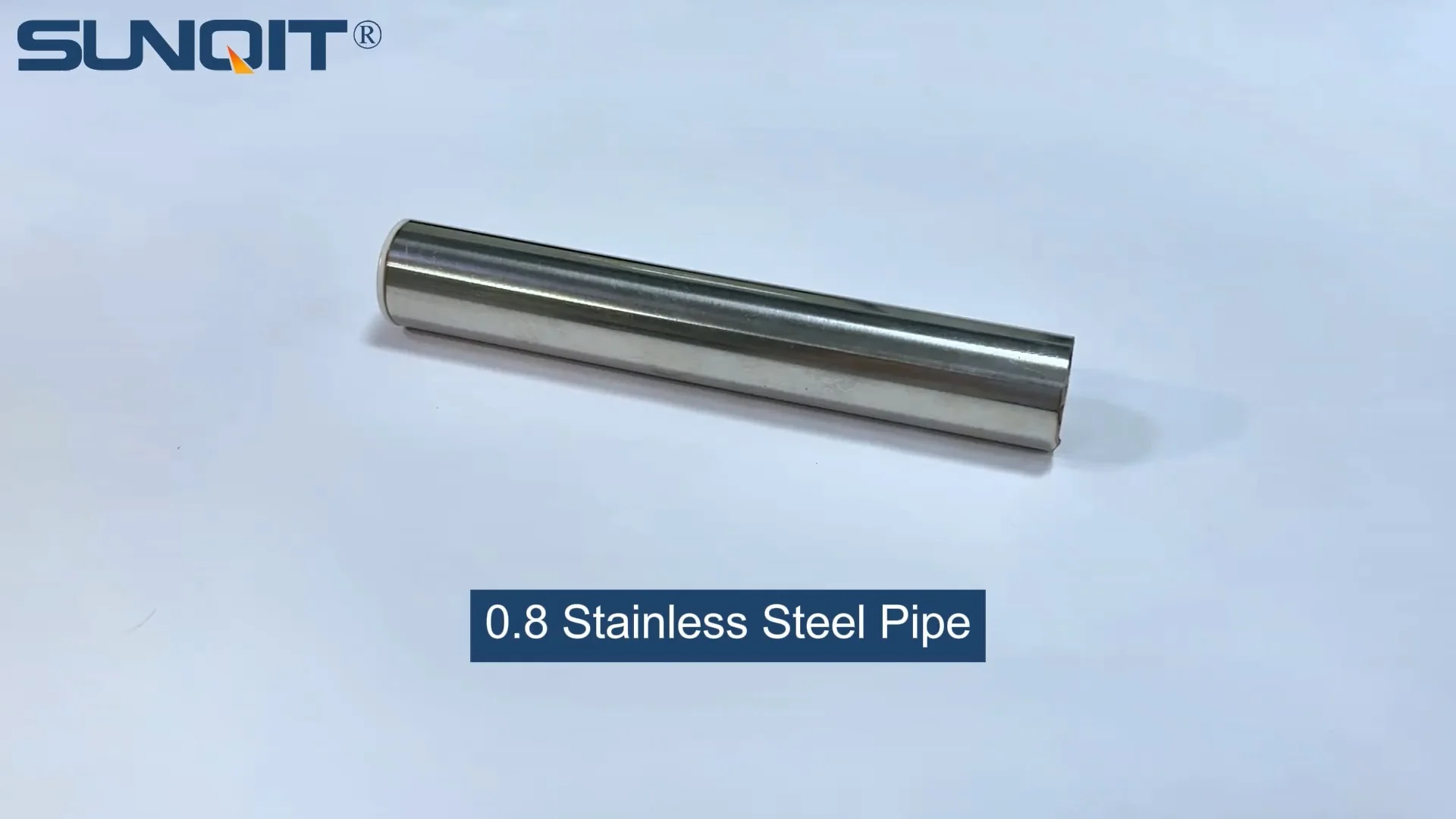
Stainless steel pipe, lean pipe, diameter is 28mm, material is SS201 or SS304, SS201 is normally used in the market. It knows a KARAKURI, KAIZEN material for industrial plant to improve efficiency, save labor cost, standard management.
Walk into any modern warehouse, and you'll notice a symphony of movement: pallets gliding, workers picking, and goods flowing seamlessly from receiving to shipping. At the heart of this orchestration lies a quiet workhorse—the flow rack. These tilted storage systems keep inventory moving, reduce picking errors, and turn stagnant shelves into dynamic pipelines. But what makes a flow rack truly reliable? It starts with the materials that hold it all together. Today, we're diving into why 1.5mm stainless steel pipe has become the go-to choice for warehouse managers who refuse to compromise on efficiency, durability, or lean system goals.
The Backbone of Efficient Warehousing: Understanding Flow Racks
Before we get into the metal of it all, let's talk about why flow racks matter. In warehouse logistics, time is money—and space is even more precious. Flow racks, also known as gravity flow racks, use inclined lanes with roller track to let products slide forward as items are picked from the front. This "first in, first out" (FIFO) system ensures older inventory doesn't get forgotten, cuts down on walking time for pickers, and maximizes vertical space. But here's the catch: a flow rack is only as strong as its frame. If the pipes bending under heavy loads, or rust eating through connections, the whole system grinds to a halt. That's where 1.5mm stainless steel pipe steps in.
What Makes 1.5mm Stainless Steel Pipe Special?
Stainless steel has long been a staple in industries where strength and hygiene matter—think hospitals, kitchens, and chemical plants. But within the stainless steel pipe series, the 1.5mm thickness is a sweet spot. Let's break it down: (like 1.0mm or 0.8mm) and it might warp under the weight of stacked cartons or heavy parts. Too thick (2.0mm+) and you're adding unnecessary weight, making installation harder and driving up costs. At 1.5mm, you get a pipe that's rigid enough to support hundreds of pounds per linear foot but light enough to maneuver during assembly. It's the Goldilocks of industrial piping—just right.
But it's not just about thickness. Stainless steel's magic lies in its composition: chromium creates a protective oxide layer that fights rust, while nickel boosts durability. For warehouses dealing with temperature fluctuations, humidity, or even occasional spills (think food distribution centers or automotive parts facilities), this corrosion resistance isn't a luxury—it's a necessity. A rusted pipe doesn't just look bad; it weakens joints, jams roller track, and eventually forces early replacements. 1.5mm stainless steel pipe laughs off these threats, keeping your flow rack stable year after year.

Why It's a Perfect Match for Flow Racks
1. It Handles the Weight Without Breaking a Sweat
Let's get practical: a typical flow rack lane might hold 20-30 cartons, each weighing 25-50 pounds. That's 500-1,500 pounds per lane, and a single rack can have 10+ lanes. 1.5mm stainless steel pipe isn't phased. Unlike aluminum pipe, which can flex under heavy loads, or plastic-coated lean pipe that might crack under stress, stainless steel maintains its shape. I've visited warehouses where 1.5mm stainless steel flow racks have been in use for a decade, still supporting daily loads without a single bent section. That's the kind of reliability that keeps logistics managers up at night—for all the right reasons.
2. It Plays Well with Roller Track and Lean Pipe Joints
A flow rack isn't just pipes; it's a team effort between the frame, roller track, and lean pipe joints. 1.5mm stainless steel pipe's consistent diameter and rigidity make it a dream to work with. Roller track systems—those small wheels that let products glide—need a stable base to sit on. If the pipe underneath wobbles, the track misaligns, and suddenly your "flow" becomes a frustrating stuck carton. Stainless steel's stiffness ensures the roller track stays level, so goods move smoothly, even at the steep angles needed for faster throughput.
And let's not forget lean pipe joints. These connectors hold the rack together, and they rely on the pipe's strength to create tight, wobble-free connections. With 1.5mm stainless steel, you don't have to worry about the pipe deforming when you tighten a joint—meaning your rack stays square, even after years of loading and unloading. It's the difference between a rickety bookshelf and a solid workbench; one feels temporary, the other feels like it's built to last.
3. It's a Lean System's Best Friend
Lean system principles—reducing waste, improving flow, and continuous improvement—are the backbone of modern warehousing. 1.5mm stainless steel pipe fits right into this philosophy. How? For starters, its long lifespan means less frequent replacements, cutting down on material waste and downtime. Unlike pe-coated lean pipe, which might need replacing every 3-5 years, stainless steel can last 15+ years with minimal maintenance. That's fewer purchases, fewer shipments, and fewer hours spent tearing down old racks.
Plus, its modularity makes reconfiguration a breeze. Need to adjust your flow rack to fit taller cartons? Swap out a few lean pipe joints, add a longer section of 1.5mm pipe, and you're done. No need for welding or special tools—just basic hand tools and a few minutes. This flexibility lets warehouses adapt to changing inventory needs without overhauling their entire storage system. In lean terms, that's "waste reduction" and "continuous improvement" in action.

Comparing the Competition: Why Not Aluminum or PE-Coated Pipe?
You might be thinking, "Aluminum pipe is lighter—why not use that?" Or "PE-coated lean pipe is cheaper—isn't that better for the budget?" Let's set the record straight with a quick comparison:
| Material | Load Capacity (per linear meter) | Corrosion Resistance | Estimated Lifespan | Long-Term Cost |
|---|---|---|---|---|
| 1.5mm Stainless Steel Pipe | Up to 800kg | Excellent (resists moisture, chemicals) | 15-20 years | Medium (higher upfront, lower over time) |
| Aluminum Pipe | Up to 500kg | Good (but dents easily) | 8-12 years | Medium-High (prone to damage, frequent replacements) |
| 1.2mm PE-Coated Lean Pipe | Up to 400kg | Poor (coating chips, steel core rusts) | 3-5 years | High (low upfront, high replacement costs) |
Aluminum is lighter, sure, but it dents more easily. A stray forklift bump that would leave a small scratch on stainless steel could bend an aluminum pipe, throwing off your roller track alignment. PE-coated pipe is cheaper initially, but the plastic coating chips over time, exposing the steel core to rust. Before you know it, you're replacing sections every few years, and those "savings" vanish.
Stainless steel, on the other hand, balances strength, durability, and cost. It's not the cheapest upfront, but when you factor in its lifespan and minimal maintenance, it's often the most cost-effective choice for high-traffic flow racks.
Real-World Success: How One Warehouse Cut Costs with Stainless Steel
Let's put this into perspective with a real example (names changed for privacy). A mid-sized e-commerce fulfillment center in the Midwest was struggling with frequent flow rack breakdowns. They'd originally installed PE-coated lean pipe racks, but after two years, the pipes were rusting at the joints, and the roller track kept misaligning, causing daily delays. Their maintenance team was spending 10+ hours a week fixing stuck cartons and replacing bent pipes.
In 2022, they switched to 1.5mm stainless steel pipe for their main flow rack lanes. The results? Maintenance hours dropped to 2-3 hours a week. Carton jams decreased by 75%. And after 18 months, the racks still looked brand new. The warehouse manager calculated that the initial investment would pay for itself in under 3 years, thanks to reduced labor and replacement costs. "It's like night and day," he told me. "We used to dread peak season because the racks couldn't keep up. Now, we barely think about them—they just work."
FAQs: Addressing Common Concerns
Is 1.5mm stainless steel pipe too heavy to install?
Not at all! While it's heavier than aluminum, 1.5mm thickness keeps it manageable. Most sections come in 1-2 meter lengths, which two people can easily carry. Plus, since it's modular, you don't have to install the entire rack at once—just build it section by section.
Does it require special maintenance?
Nope. A quick wipe with a damp cloth to remove dust or spills is usually enough. Unlike pe-coated pipe, there's no risk of chipping or peeling, so you won't need to touch up paint or replace damaged sections.
Is it compatible with my existing roller track and lean pipe joints?
In most cases, yes! Standard lean pipe joints are designed to fit pipes with a 28mm or 30mm diameter, which 1.5mm stainless steel pipe typically uses. Just double-check the diameter of your existing joints to be sure.
Conclusion: The Quiet Hero of Warehouse Efficiency
In the fast-paced world of warehouse logistics, it's easy to overlook the small components that make big things happen. 1.5mm stainless steel pipe might not grab headlines, but it's the foundation of reliable, efficient flow racks. Its durability, compatibility with roller track and lean pipe joints, and alignment with lean system principles make it the ideal choice for warehouses that refuse to compromise on performance.
Whether you're running a small distribution center or a large e-commerce fulfillment hub, investing in 1.5mm stainless steel pipe isn't just about buying a better rack—it's about building a more efficient, cost-effective, and future-ready warehouse. After all, in logistics, the best systems are the ones you don't have to worry about. And with 1.5mm stainless steel pipe, that's exactly what you get: a flow rack that works as hard as your team does.