- Company Articles
- Products and Technology
- Product knowledge
- Why 1.5mm Stainless Steel Pipe Is Preferred for Conveyor Systems in Food Manufacturing

Why 1.5mm Stainless Steel Pipe Is Preferred for Conveyor Systems in Food Manufacturing
Related Product
1.5mm Stainless Steel Pipe
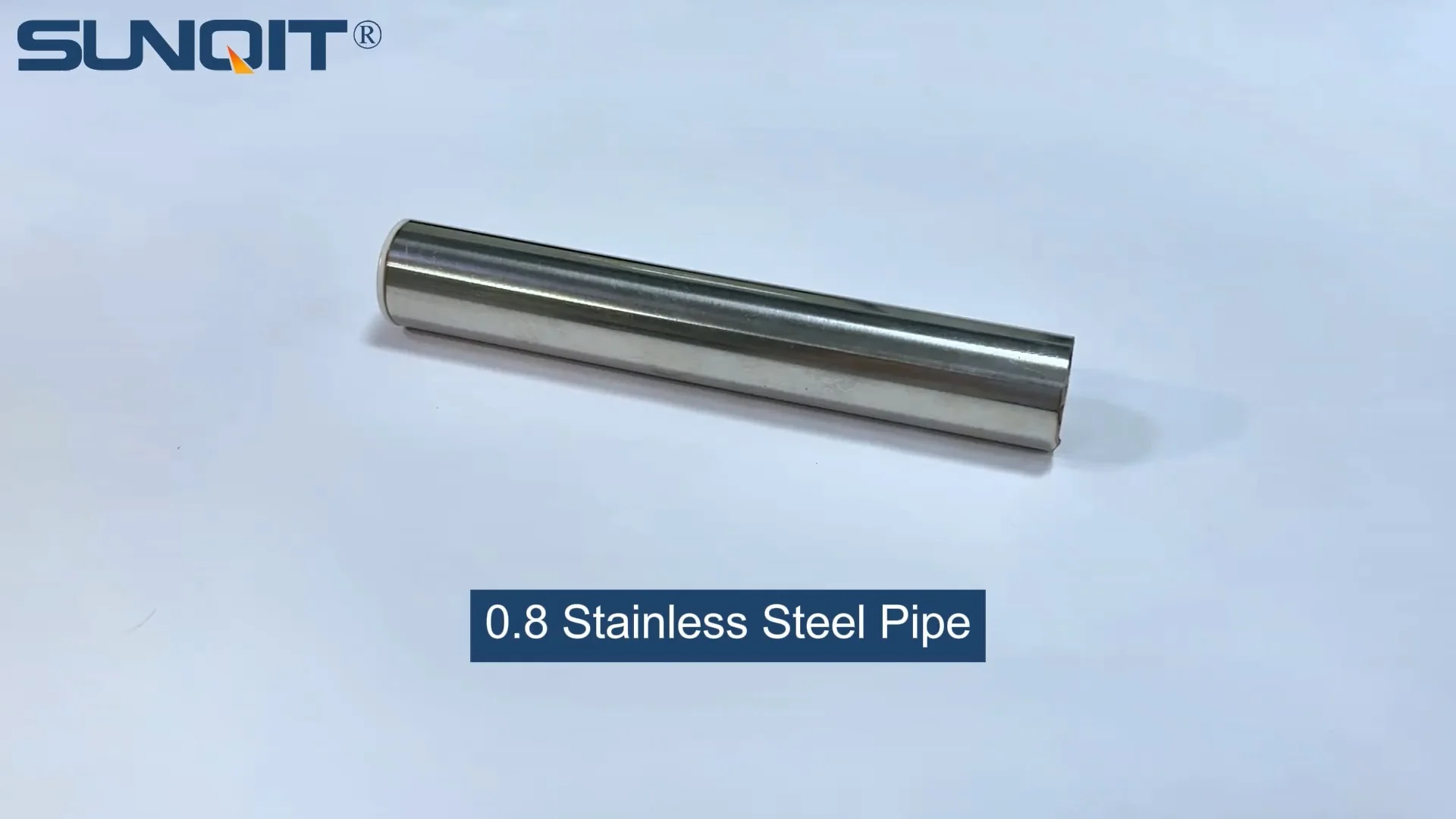
Stainless steel pipe, lean pipe, diameter is 28mm, material is SS201 or SS304, SS201 is normally used in the market. It knows a KARAKURI, KAIZEN material for industrial plant to improve efficiency, save labor cost, standard management.
Walk into any food processing plant, and you'll hear it before you see it: the steady hum of conveyor belts, the rhythmic clatter of bottles or packages gliding along tracks, the quiet efficiency of ingredients moving from mixing to cooking to packaging. These conveyors aren't just machinery—they're the circulatory system of the facility, ensuring that everything from fresh produce to frozen dinners flows seamlessly. But behind that reliability lies a critical choice: the material of the conveyor's frame and structure. In recent years, one option has risen to the top for food manufacturers worldwide: the 1.5mm stainless steel pipe. Let's dive into why this unassuming component has become the backbone of modern food conveyor systems.
The High Stakes of Food Manufacturing Conveyors
Food manufacturing isn't just about speed—it's about safety, consistency, and compliance. Conveyors here face challenges unlike any other industry: they're exposed to water, caustic cleaning agents, fluctuating temperatures, and even acidic or sugary substances. A single crevice where bacteria can hide, a weak joint that bends under heavy loads, or a material that rusts after repeated washdowns can bring production to a halt—or worse, compromise food safety. That's why conveyor systems in this sector demand materials that check three non-negotiable boxes: hygiene, durability, and adaptability .
Stainless Steel: The Gold Standard for Hygiene
When it comes to food contact surfaces, stainless steel has long been the benchmark—and for good reason. Unlike materials like galvanized steel (which can chip and expose rust-prone iron) or plastic (which may develop scratches that harbor bacteria), stainless steel is inherently non-porous. Its secret? A chromium-rich alloy that forms a thin, invisible "passive layer" when exposed to oxygen. This layer self-heals if scratched, preventing corrosion and making it nearly impossible for pathogens to take hold.
But not all stainless steel is created equal, and neither are pipe thicknesses. The stainless steel pipe series includes options from ultra-thin 0.8mm to heavy-duty 2.0mm, but 1.5mm has emerged as the sweet spot for food conveyors. Why? Let's break it down.

The 1.5mm Advantage: Strength Without the Weight
Imagine a conveyor carrying 50-pound crates of tomatoes or gallons of liquid batter hour after hour. A pipe that's too thin—say, 1.0mm—might flex under the strain, leading to misaligned tracks or even collapse over time. On the flip side, a 2.0mm pipe would add unnecessary weight, making the conveyor harder to install, adjust, or move if production lines need reconfiguring. 1.5mm strikes the perfect balance: it's thick enough to withstand constant use and heavy loads, yet lightweight enough to keep the system agile.
| Pipe Thickness | Load Capacity (Typical) | Weight per Meter | Best For |
|---|---|---|---|
| 0.8mm Stainless Steel | Light loads (e.g., small packaged snacks) | 1.2 kg | Low-stress, temporary setups |
| 1.5mm Stainless Steel | Medium to heavy loads (e.g., crates, liquid containers) | 2.1 kg | Continuous, high-demand food production lines |
| 2.0mm Stainless Steel | Very heavy loads (e.g., industrial bulk ingredients) | 2.8 kg | Specialized heavy-industry applications |

Fighting Corrosion: A Must in Food Environments
Food plants are wet places. From daily washdowns with high-pressure hoses to accidental spills of acidic juices or salty brines, conveyor systems face constant exposure to moisture and chemicals. A material that can't stand up to this will corrode, and corrosion isn't just ugly—it's a food safety hazard. Rust flakes can contaminate products, and pitted surfaces become breeding grounds for bacteria like E. coli or salmonella.
1.5mm stainless steel pipes excel here. The combination of their thickness and the stainless steel alloy means they resist pitting, staining, and rust even after years of harsh cleaning. Unlike aluminum (which can react with acidic foods) or plastic (which may degrade under high-temperature washes), stainless steel holds its ground, ensuring the conveyor frame stays intact and hygienic for the long haul.
Lean Systems and the Need for Adaptability
Modern food manufacturing thrives on lean system principles—eliminating waste, streamlining processes, and adapting quickly to changing demands. That means conveyor systems can't be permanent, rigid structures. They need to be reconfigurable: maybe adding a new section for a seasonal product, adjusting heights for different packaging, or moving lines to accommodate a new machine.
This is where 1.5mm stainless steel pipes shine, especially when paired with modular components like lean pipe joints . These joints allow quick assembly and disassembly without welding or heavy tools. The pipes are light enough to maneuver by a small team, yet strong enough to maintain stability once reassembled. Whether you're building a temporary packaging line for the holiday rush or redesigning a permanent conveyor to boost efficiency, 1.5mm stainless steel offers the flexibility lean systems demand.
Compliance: Checking All the Regulatory Boxes
Food manufacturers don't just answer to their customers—they answer to strict regulatory bodies like the FDA, USDA, and EU Food Safety Authority. These agencies have rigorous standards for materials that come into contact with food, and 1.5mm stainless steel checks every box. It's non-toxic, doesn't leach chemicals into food, and its smooth surface meets the "easy to clean and sanitize" requirements of FDA 21 CFR 177.2600. For plants that export globally, this compliance isn't just a bonus—it's a necessity.
Long-Term Cost Savings: Investing in Quality
At first glance, 1.5mm stainless steel pipes might cost more than thinner stainless steel or cheaper materials like galvanized steel. But in food manufacturing, the true cost isn't just the upfront price—it's the cost of downtime, repairs, and replacements. A thinner pipe that bends after six months will need fixing, halting production. A rusted frame will require frequent cleaning or replacement, eating into profits. 1.5mm stainless steel, though a larger initial investment, lasts years longer with minimal maintenance. It's the kind of choice that pays for itself in reduced downtime and fewer replacements.
Beyond the Pipe: Complementary Components
Of course, a conveyor system is more than just pipes. To truly maximize efficiency, 1.5mm stainless steel pipes are often paired with other high-quality components. Caster wheels , for example, make mobile conveyors easy to move during cleaning or reconfiguration. Smooth-rolling casters with locks ensure stability when the line is in use, then release quickly when adjustments are needed. Similarly, roller track systems, which glide products along the conveyor, can be mounted directly to stainless steel frames, creating a seamless, low-friction surface that minimizes jams and speeds up production.
Real-World Impact: A Bakery's Success Story
Consider a mid-sized bakery that recently upgraded its conveyor systems. Previously, they used galvanized steel pipes for their dough and packaging lines. Within a year, the pipes began rusting in humid areas, and the thin 1.0mm walls bent under the weight of heavy dough mixers. The bakery faced frequent breakdowns, and their FDA audits flagged rust spots as a concern. After switching to 1.5mm stainless steel pipes with modular lean pipe joints , they saw immediate results: downtime dropped by 40%, cleaning time decreased because the smooth stainless steel was easier to wipe down, and their next audit was a breeze. The initial investment paid off in less than two years, and they now plan to expand using the same system.
Why Not Thicker or Thinner? The Science of "Just Right"
We've touched on this, but it's worth emphasizing: 1.5mm isn't arbitrary. Thinner pipes (0.8mm, 1.0mm) lack the structural integrity for most food conveyor loads. They vibrate more under use, leading to loosened joints and premature wear. Thicker pipes (2.0mm+) add unnecessary weight, making the system harder to move and install. They also require stronger, more expensive joints and supports, driving up costs without added benefit. 1.5mm hits that "Goldilocks zone"—strong enough to perform, light enough to adapt, and cost-effective over time.
Conclusion: The Backbone of Safe, Efficient Food Production
In the fast-paced world of food manufacturing, every component matters. Conveyor systems are the unsung heroes, and the choice of pipe material can make or break operations. 1.5mm stainless steel pipes stand out as the preferred option because they address the industry's most critical needs: uncompromising hygiene, rugged durability, corrosion resistance, adaptability for lean system integration, and compliance with strict regulations. They're not just a material—they're a partner in ensuring that food reaches consumers safely, efficiently, and reliably.
So the next time you walk through a food processing plant, listen to the hum of the conveyors. Chances are, beneath that steady rhythm, there's a frame of 1.5mm stainless steel pipes—quietly, reliably, keeping the food chain moving.