- Company Articles
- Products and Technology
- Product knowledge
- Why 2.0mm Thickness? The Importance of 2.0mm Stainless Steel Pipe

Why 2.0mm Thickness? The Importance of 2.0mm Stainless Steel Pipe
Related Product
2.0mm Stainless Steel Pipe
Stainless steel pipe, lean pipe, diameter is 28mm, material is SS201 or SS304, SS201 is normally used in the market. It knows a KARAKURI, KAIZEN material for industrial plant to improve efficiency, save labor cost, standard management.
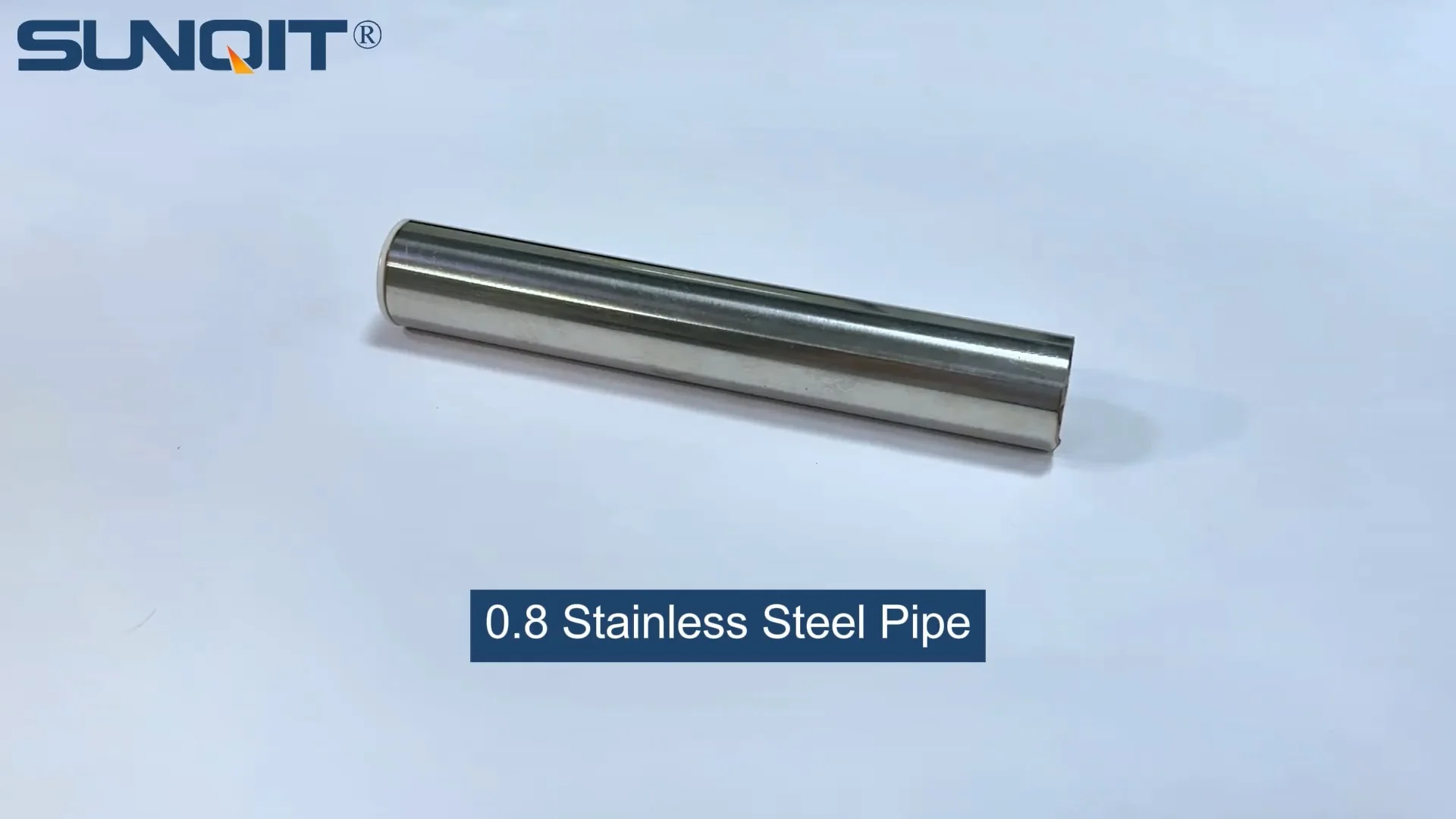
Walk into any manufacturing plant, warehouse, or workshop, and you'll quickly realize that the backbone of the operation isn't just the machines or the workers—it's the infrastructure holding everything together. From the racks stacked with raw materials to the workbenches where products take shape, and even the conveyor systems moving goods across the floor, one component quietly does the heavy lifting: pipes. But not all pipes are created equal. Today, we're zeroing in on a specific type that's become a staple in industrial settings: the 2.0mm stainless steel pipe. You might be wondering, "Why 2.0mm? Isn't 1.2mm or 1.5mm good enough?" Let's dive in and uncover why this particular thickness has become the go-to choice for engineers, facility managers, and anyone who values durability, safety, and long-term reliability.
The Thickness Debate: Why Every Millimeter Matters
In industrial design, "thicker is better" isn't always the rule—but when it comes to stainless steel pipes, thickness directly impacts performance. Think of it like choosing a water bottle: a flimsy plastic one might work for a day, but a stainless steel bottle with a sturdy wall will last years, even if you drop it or pack it full. Pipes in a factory face similar (if not harsher) conditions: constant weight, daily wear, exposure to chemicals, and the occasional bump from a forklift or pallet jack. That's where 2.0mm comes into play.
Let's start with the basics: pipe thickness, often measured in millimeters, refers to the distance between the inner and outer walls. For stainless steel pipes, this isn't just about how "tough" the pipe looks—it's about tensile strength, load capacity, and resistance to bending or warping. A 1.2mm pipe might seem adequate for light tasks, but when you're supporting heavy tools on a workbench or stacking crates on a material rack, that extra 0.8mm in a 2.0mm pipe makes a world of difference. It's the difference between a structure that sags after six months and one that stays rigid for years.
To put it in perspective: imagine hanging a 50kg toolbox from a 1.2mm pipe versus a 2.0mm pipe. The thinner pipe might hold it initially, but over time, the constant stress could cause the wall to stretch or weaken, leading to cracks or even collapse. The 2.0mm pipe, with its thicker walls, distributes that weight more evenly, reducing stress points and maintaining its shape. In industrial settings, where safety is non-negotiable, that peace of mind is priceless.
Durability Redefined: What Makes 2.0mm Stainless Steel Pipe Stand Out
Tensile Strength: More Than Just "Strong"
Stainless steel is already known for its strength, but when combined with a 2.0mm thickness, it becomes a force to be reckoned with. Tensile strength—the maximum stress a material can withstand before breaking—jumps significantly with thickness. A 2.0mm stainless steel pipe typically has a tensile strength of 500-700 MPa (megapascals), compared to 350-450 MPa for a 1.2mm pipe. For context, that means a 2.0mm pipe can handle roughly 40% more force before failing. In practical terms, this translates to being able to support heavier loads, whether it's a workbench loaded with power tools or a material rack stacked with metal components.
Corrosion Resistance: Fighting the Elements
Stainless steel's claim to fame is its resistance to rust and corrosion, thanks to its chromium content, which forms a protective oxide layer on the surface. But here's the catch: that layer can be compromised if the pipe wall is too thin. Scratches, dents, or even minor abrasions can wear through a thin wall, exposing the inner metal to moisture, chemicals, or salt (in coastal facilities). A 2.0mm pipe, with its thicker wall, provides a deeper buffer. Even if the surface gets scratched, the oxide layer can reform more effectively, and the pipe itself is less likely to develop pinholes or leaks over time. This is especially critical in industries like food processing, pharmaceuticals, or marine manufacturing, where cleanliness and corrosion resistance are legal requirements.
Impact Resistance: Surviving the "Oops" Moments
Let's be real: factories are busy places. Forklifts back into racks, pallets get dropped, and tools slide off workbenches. A thin-walled pipe might bend or dent on impact, requiring costly repairs or replacements. A 2.0mm stainless steel pipe, though, is built to absorb shocks. Its rigidity means it's less likely to deform, and if it does take a hit, the thicker wall reduces the chance of a catastrophic failure. I once visited a automotive parts plant where a 2.0mm stainless steel pipe rack was accidentally hit by a pallet jack moving at full speed. The rack shook, but the pipes didn't bend—saving the company from hours of downtime and thousands in replacement costs. That's the kind of resilience you pay for upfront and thank yourself for later.

Applications That Demand 2.0mm: Where It Shines Brightest
Now that we understand why 2.0mm thickness matters, let's look at where these pipes are actually used. Spoiler: it's not just "heavy-duty" industries—even small workshops benefit from the reliability of 2.0mm stainless steel pipes. Here are a few key applications:
Workbenches: The Heart of Production
Walk up to any industrial workbench, and chances are, it's built with stainless steel pipes. Whether it's a single-deck workbench without casters or a mobile workstation, the frame needs to support everything from laptops and measuring tools to heavy machinery. A 2.0mm pipe frame ensures the workbench doesn't wobble when an operator leans on it or when a 30kg motor is clamped to the surface. Compare that to a workbench made with 1.5mm pipes: over time, the legs might start to bow, leading to uneven surfaces and increased risk of tools sliding off. In precision manufacturing, where even a millimeter of wobble can ruin a product, that stability is non-negotiable.
Material Racks and Storage Systems
Material racks—whether they're 3-row, 3-floor units or simple two-tier shelves—are tasked with holding hundreds, if not thousands, of kilograms of inventory. A 2.0mm stainless steel pipe rack can easily support 500kg per shelf without sagging, whereas a thinner pipe might start to bend after just 300kg. This isn't just about capacity; it's about safety. A rack that sags could collapse, endangering workers and destroying inventory. In warehouses where space is tight and racks are stacked to the ceiling, the last thing you want is to worry about the structure giving way.
Conveyor Systems and Roller Tracks
Conveyors move products 24/7 in many facilities, and the pipes that form their frames or guide rails take a constant beating. From the weight of the products to the friction of rollers, the pipes need to stay straight and sturdy. 2.0mm stainless steel pipes are often used in roller track systems, where they support the plastic or steel rollers that glide goods along. The thickness ensures the track doesn't warp under continuous use, keeping the conveyor aligned and preventing jams. I've seen facilities switch from 1.5mm to 2.0mm pipes in their conveyors and reduce maintenance calls by 60%—that's time and money back in their pockets.

Thickness Showdown: How 2.0mm Compares to Thinner Alternatives
To really understand the value of 2.0mm, let's compare it to two common thinner options: 1.2mm and 1.5mm stainless steel pipes. The table below breaks down key factors like load capacity, lifespan, and ideal use cases. Spoiler: 2.0mm isn't just "better"—it's often the most cost-effective choice in the long run.
| Thickness | Max Load Capacity (Per Meter) | Estimated Lifespan (Industrial Use) | Corrosion Resistance | Best For | Long-Term Cost* |
|---|---|---|---|---|---|
| 1.2mm | 50-80 kg | 2-3 years | Low (Prone to pinholes) | Light shelving, temporary structures | High (Frequent replacements) |
| 1.5mm | 100-150 kg | 5-7 years | Medium (Susceptible to deep scratches) | Medium-duty racks, non-critical workbenches | Moderate (Occasional repairs) |
| 2.0mm | 200-300 kg | 15-20 years | High (Resistant to scratches/abrasions) | Heavy workbenches, material racks, conveyors | Low (Minimal maintenance, long lifespan) |
*Long-term cost includes initial purchase, maintenance, and replacement expenses over 10 years.
The numbers speak for themselves. While 1.2mm pipes might be cheaper upfront, they need to be replaced every 2-3 years in industrial settings. 1.5mm lasts longer but still requires occasional repairs. 2.0mm, though pricier at first, pays for itself within 5 years by eliminating replacement costs and reducing downtime. For businesses focused on scalability and reliability, this isn't just an expense—it's an investment.
The Role of Joints: Why "Lean Pipe Joint" Matters for 2.0mm Pipes
A pipe is only as strong as its connections, which is where lean pipe joints come into play. These small but critical components link pipes together to form structures like workbenches, racks, or frames. For 2.0mm stainless steel pipes, choosing the right lean pipe joint is just as important as the pipe itself.
Lean pipe joints are designed to grip the pipe securely, distributing stress evenly across the connection. With a thicker 2.0mm pipe, the joint has more surface area to clamp onto, creating a tighter, more stable bond. Thinner pipes, by contrast, can slip or loosen over time, especially under heavy loads. I visited a electronics assembly plant once where they'd used 1.5mm pipes with standard lean pipe joints. Within a year, several joints had loosened, causing their workbenches to wobble. When they switched to 2.0mm pipes with the same joints, the problem disappeared—the thicker walls gave the joints something solid to hold onto, and the wobble stopped.
It's also worth noting that 2.0mm stainless steel pipes work seamlessly with most standard lean pipe joints, which means you don't need to invest in specialized connectors. This compatibility makes upgrading from thinner pipes easy—simply swap out the pipes, reuse the joints, and enjoy a more stable structure.
Stainless Steel vs. Aluminum: Why Stainless Steel Pipe Series Still Reigns
You might be thinking, "What about aluminum pipes? They're lighter and cheaper." It's true—aluminum has its place, especially in applications where weight is a priority, like aerospace or temporary structures. But when it comes to heavy-duty, long-term use, stainless steel pipe series, particularly 2.0mm thickness, has distinct advantages.
First, strength: stainless steel is roughly three times stronger than aluminum, meaning a 2.0mm stainless steel pipe can support more weight than an aluminum pipe of the same thickness. Second, durability: aluminum is prone to dents and scratches, and while it resists corrosion, it's not as robust as stainless steel in harsh environments. Third, heat resistance: stainless steel holds up better in high-temperature settings, like automotive welding shops or foundries, where aluminum might warp.
That said, aluminum and stainless steel can work together. For example, a workbench might use 2.0mm stainless steel pipes for the frame (to support heavy tools) and aluminum accessories for lighter components like shelves or panels. But when the structure's integrity is on the line, stainless steel pipe series is the clear choice.
Real-World Success Stories: Why Factories Are Switching to 2.0mm
Don't just take my word for it—let's look at real examples of businesses that upgraded to 2.0mm stainless steel pipes and never looked back.
Case Study 1: Automotive Parts Manufacturer
A mid-sized automotive parts plant in Michigan was struggling with frequent rack failures. They'd been using 1.5mm steel pipes, but their material racks, which held heavy engine blocks, kept sagging. After two racks collapsed in six months (luckily without injury), they switched to 2.0mm stainless steel pipes. Within a year, they reported zero rack failures, and maintenance costs dropped by 75%. "We used to check the racks weekly for bends—now we barely think about them," said the plant manager. "The 2.0mm pipes just… work."
Case Study 2: Food Processing Facility
A food packaging company in California needed to replace their material handling racks, which were rusting due to frequent washdowns. They initially considered 1.2mm stainless steel pipes to save money, but after consulting with an engineer, they opted for 2.0mm. Five years later, the racks still look brand new, even with daily exposure to water and cleaning chemicals. "The thicker walls mean we don't have to worry about rust eating through the pipes," the facility director noted. "It was a splurge, but it's saved us from replacing racks every two years."
Making the Switch: Is 2.0mm Right for Your Operation?
So, how do you know if 2.0mm stainless steel pipe is the right choice for your business? Ask yourself these questions:
- Do our current pipes bend, sag, or require frequent repairs?
- Are we storing or moving heavy items (over 100kg) on our racks or workbenches?
- Is our facility exposed to moisture, chemicals, or harsh weather?
- Do we plan to expand operations or increase production in the next 5 years?
If you answered "yes" to any of these, 2.0mm stainless steel pipe is likely a smart investment. For light-duty tasks—like temporary shelving for office supplies or small parts—1.2mm or 1.5mm might suffice. But for anything critical to your production line, 2.0mm offers peace of mind that thinner pipes simply can't match.
Conclusion: Why 2.0mm Stainless Steel Pipe is More Than Just a Pipe
At the end of the day, 2.0mm stainless steel pipe isn't just a component—it's a foundation. It's the difference between a facility that's constantly fixing problems and one that's focused on growth. It's the reason a workbench stays level for 15 years, a rack holds twice its rated load, and a conveyor system runs smoothly with minimal maintenance.
Yes, it costs more upfront. But in industrial settings, where downtime costs thousands per hour and safety is non-negotiable, cutting corners on pipe thickness is a risk you can't afford. The 2.0mm stainless steel pipe, paired with reliable lean pipe joints and used in applications like heavy-duty workbenches, isn't just a purchase—it's a commitment to quality, durability, and the long-term success of your operation.
So the next time you walk through your facility, take a look at the pipes holding everything together. Are they 2.0mm stainless steel? If not, maybe it's time to ask: "Is this infrastructure built to last?" Your bottom line, your workers, and your peace of mind will thank you.