- Company Articles
- Products and Technology
- Product knowledge
- Why 2040 Aluminum Profile End Caps Are Critical for Profile Stability

Why 2040 Aluminum Profile End Caps Are Critical for Profile Stability
Related Product
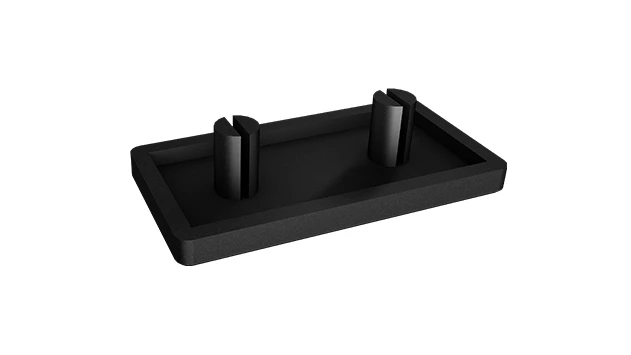
2040 Aluminum Profile End Cap
The aluminum profile end cap adds a finishing touch to your project and closes off profile ends to limit dust and debris buildup, also it can avaid some scratch for material and labor during the assemble work.
If you've ever run your hand along the edge of an aluminum profile and felt a sharp, unfinished edge, or noticed a rack wobbling slightly under the weight of tools, chances are it was missing a proper end cap. These tiny accessories do far more than just "finish" the look of a profile—they're the unsung heroes that ensure stability, safety, and longevity in everything from a simple workbench to a complex production line. In this article, we'll dive deep into why 2040 aluminum profile end caps matter, what happens when they're overlooked, and how choosing the right ones can transform the performance of your aluminum structures.
Understanding the 2040 Aluminum Profile: The Backbone of Modern Structures
Before we can appreciate the role of end caps, let's first get to know the star of the show: the 2040 aluminum profile. If you're familiar with aluminum extrusion profiles, you'll recognize the "2040" designation as a reference to its dimensions—20mm in width and 40mm in height. This specific size has become a workhorse in industrial and commercial settings, thanks to its unique balance of strength, versatility, and lightweight design.
Aluminum profiles like the 2040 are created through a process called extrusion, where heated aluminum alloy is forced through a die to form a specific cross-sectional shape. The result? A hollow, rigid structure with internal channels (often called "T-slots") that allow for easy attachment of accessories like brackets, panels, and connectors. This design makes 2040 profiles incredibly adaptable—they can be cut to length, joined at various angles, and customized with aluminum profile accessories to build almost any structure imaginable, from a compact workbench to a multi-tiered material rack.
What sets the 2040 apart from other profiles (like the smaller 2020 or larger 4080) is its sweet spot for medium-duty applications. It's strong enough to support tools, parts, and even light machinery, yet lightweight enough to be reconfigured without heavy lifting. This versatility has made it a favorite in industries ranging from electronics manufacturing to automotive assembly, where flexibility and durability are non-negotiable.
Real-World Use Case: The Workbench That Does It All
A mid-sized electronics factory in Ohio recently upgraded its assembly line workbenches to 2040 aluminum profiles. Why? Their old wooden workbenches were prone to warping, and the fixed shelves left no room to adjust for new tools or larger components. The 2040 profiles, paired with accessories like adjustable shelves and ESD-safe panels, allowed them to create modular workstations that could be reconfigured in minutes. But there was a catch: during the first week, workers reported minor cuts from sharp profile edges, and the benches vibrated more than expected when heavy soldering irons were placed on them. The solution? Adding 2040 aluminum profile end caps to every exposed edge. Overnight, the sharp edges disappeared, and the end caps' snug fit reduced vibration by dampening movement between connected profiles. "It was like adding a 'shock absorber' to the structure," one foreman noted.
What Are 2040 Aluminum Profile End Caps, Anyway?
At first glance, a 2040 aluminum profile end cap might look like a simple plastic or metal plug. And in the most basic sense, that's what it is: a small, often cylindrical or rectangular piece designed to fit snugly into the open end of an aluminum extrusion profile. But don't let its simplicity fool you—these caps are engineered with precision to match the exact dimensions of the 2040 profile's internal channels and outer edges.
Most end caps are made from durable materials like high-density polyethylene (HDPE), nylon, or even aluminum, depending on the application. Plastic end caps are popular for their affordability, resistance to corrosion, and ability to dampen noise (a big plus in busy factories). Metal end caps, on the other hand, are favored for heavy-duty use, where extra strength or heat resistance is needed. Regardless of material, their primary job is to seal off the open ends of the 2040 profile, but their benefits extend far beyond just "plugging a hole."
Think of it this way: an aluminum extrusion profile is like a hollow tube with a T-slot running along its length. When you cut a profile to size for a workbench or rack, the cut end is raw—often with burrs, sharp edges, or uneven surfaces. An end cap covers this raw edge, creating a smooth, finished look. But more importantly, it adds structural integrity by filling the gap where the profile might otherwise flex or twist under load. It's the difference between a bookshelf with wobbly shelves and one that stands firm, even when loaded with heavy textbooks.

The Critical Role of End Caps in Profile Stability
Now, let's get to the heart of the matter: why do these tiny caps matter for stability? To understand this, we need to think about how aluminum profiles work together. When you build a structure—say, a workbench—you're joining multiple 2040 profiles using connectors, brackets, and T-slot nuts. Each connection relies on friction and mechanical pressure to hold the structure together. But even the tightest connections can't eliminate all movement, especially when the structure is subjected to vibration, weight shifts, or regular use.
This is where the 2040 aluminum profile end cap steps in. By filling the open end of the profile, the cap acts as a "buffer" that distributes stress more evenly across the structure. Without an end cap, the open end of the profile can act like a weak point—think of a straw that's been crushed at one end; it bends easily because the structure is compromised. An end cap reinforces that weak point, preventing the profile from deforming under load and reducing the risk of connections loosening over time.
1. They Prevent "Rattling" and Vibration
Ever noticed how a loose window rattles in the wind? The same principle applies to aluminum profiles without end caps. The open end of a profile creates a cavity that can amplify vibrations from nearby machinery, foot traffic, or even the movement of tools on a workbench. Over time, this constant shaking can loosen screws, weaken welds, and cause connected profiles to shift out of alignment. A snugly fitted end cap seals off that cavity, dampening vibrations and reducing "rattling." It's like putting a cork in a bottle—suddenly, the noise and movement are contained.
2. They Reinforce Connections at Joints
Most aluminum structures are built by joining profiles at 90-degree angles (for frames) or in parallel (for shelves). At these joints, connectors like angle brackets or T-slot nuts transfer weight from one profile to another. Without an end cap, the force from the connected profile can push or pull on the open end of the adjacent profile, causing it to "flex" slightly. Over time, this flexing can wear down the connector's grip, leading to a wobbly structure. An end cap adds internal support, ensuring the profile maintains its shape even under stress. It's similar to how a doorstop prevents a door from swinging too far—by blocking movement in one direction, it keeps the entire system stable.
3. They Protect Against Debris and Corrosion
Factories and workshops are messy places. Dust, oil, metal shavings, and even water can find their way into the smallest gaps—and the open end of an aluminum profile is a prime target. Once debris enters the profile's internal channels, it can jam T-slot nuts, prevent accessories from sliding smoothly, or even cause corrosion over time (especially if the profile is exposed to moisture). An end cap acts as a barrier, keeping out dirt and liquids that would otherwise degrade the profile from the inside out. This isn't just about cleanliness; it's about maintaining the profile's structural integrity for years to come.

The Hidden Costs of Skipping End Caps
It's easy to think of end caps as "optional." After all, they don't directly support weight like a bracket, or transfer materials like a conveyor. But skipping them can lead to a cascade of problems that cost far more than the price of a few caps. Let's break down the risks:
1. Safety Hazards: Sharp Edges and Loose Structures
The most immediate risk of missing end caps is injury. Aluminum extrusion profiles are cut to length during installation, and even a clean cut can leave tiny burrs or sharp edges on the open end. A worker reaching for a tool on a shelf might brush against an exposed profile and get a cut. Worse, if a profile shifts due to weakened connections (caused by vibration and debris), the entire structure could become unstable. Imagine a material rack loaded with heavy parts suddenly tipping because a connection loosened—all because an end cap was skipped to save a few cents.
2. Reduced Lifespan of the Structure
Aluminum profiles are designed to last decades, but their longevity depends on proper maintenance. Without end caps, debris and moisture will degrade the profile from the inside, while vibration weakens connections. What should be a 15-year workbench might start wobbling after just 3 years, forcing you to replace the entire structure. The cost of replacing a workbench or rack is exponentially higher than the cost of a few end caps upfront. It's like skipping oil changes on a car—saving money now leads to a breakdown later.
3. Increased Maintenance Time and Costs
A structure without end caps will require constant upkeep. You'll spend hours tightening loose connectors, cleaning debris out of profiles, and filing down sharp edges. In a busy factory, every minute spent on maintenance is a minute lost from production. One study by the Manufacturing Efficiency Institute found that facilities using end caps reported 30% fewer maintenance hours on aluminum structures compared to those that skipped them. Over time, those saved hours add up to significant cost savings.
Choosing the Right 2040 Aluminum Profile End Cap: Material Matters
Not all end caps are created equal. The best choice depends on your application, environment, and budget. Let's compare the most common materials used for 2040 aluminum profile end caps:
| Material | Durability | Cost | Best For | Pros | Cons |
|---|---|---|---|---|---|
| Plastic (HDPE/Nylon) | Medium | Low | Indoor workbenches, light-duty racks, dry environments | Affordable, lightweight, dampens vibration well, available in colors | Not heat-resistant; may crack under extreme weight |
| Aluminum | High | Medium | Heavy-duty machinery frames, outdoor use, high-temperature areas | Heat-resistant, strong, matches aluminum profile aesthetic | More expensive; can conduct electricity (not ideal for ESD-sensitive areas) |
| Rubber | Medium-Low | Medium | Noise-sensitive areas, shock absorption, medical equipment | Excellent vibration dampening, non-slip, gentle on delicate surfaces | Prone to wear in high-friction environments; may degrade in oil or chemicals |
For most indoor applications like workbenches or material racks, plastic end caps are the go-to choice. They're affordable, easy to install, and offer enough durability for daily use. If you're working in a high-temperature environment (like near ovens or welding stations) or need extra strength, aluminum end caps are worth the investment. Rubber end caps are a niche option but shine in settings where noise or shock absorption is critical, such as labs or electronics assembly lines where static electricity is a concern.
Fit Is Everything: Why "One Size Fits All" Doesn't Work
Even the best material won't help if the end cap doesn't fit properly. 2040 aluminum profiles have specific internal dimensions (20mm x 40mm), and end caps are designed to match these exactly. A cap that's too loose will fall out, offering no protection or stability. One that's too tight might crack during installation or damage the profile's edges. Always check that the end cap is labeled specifically for "2040 aluminum profiles"—generic caps might not have the precise tolerances needed for a snug fit.
Installing End Caps: A Quick Guide to Getting It Right
Installing 2040 aluminum profile end caps is a simple process, but a few tips can ensure they stay in place and do their job effectively:
1. Prep the Profile End First
Before installing the end cap, inspect the profile's open end for burrs or sharp edges. Use a deburring tool or fine-grit sandpaper to smooth any rough spots—this ensures the end cap seats evenly and reduces the risk of cutting yourself during installation. If there's debris inside the profile, blow it out with compressed air or wipe it clean with a dry cloth.
2. Press Firmly (But Don't Force It)
Most end caps are designed to be "press-fit"—meaning they'll stay in place with friction alone. Align the cap with the profile's end, making sure any tabs or notches match the T-slot openings (if applicable). Then, press firmly with your palm until you hear a "click" or feel the cap seat fully. If it's too hard to push by hand, tap the cap gently with a rubber mallet—never use a metal hammer, as it can crack plastic caps or dent aluminum ones.
3. Consider Adhesive for High-Stress Applications
For structures that will be moved frequently (like mobile workbenches) or subjected to extreme vibration, a small amount of industrial-grade adhesive (like cyanoacrylate or epoxy) can help secure the end cap. Apply a thin bead to the inside of the cap before pressing it into place, and wipe away any excess. This is optional for most applications, but it's a good insurance policy for critical structures.
Pro Tip: Color-Coding for Organization
Many manufacturers offer end caps in different colors (black, white, yellow, blue). Some factories use this to their advantage by color-coding end caps based on the structure's purpose. For example: blue caps for ESD-safe workbenches, yellow for material racks, and red for "high-voltage" zones. This not only adds a professional touch but also helps workers quickly identify equipment types—a small detail that boosts efficiency.
Beyond Stability: The Aesthetic and Ergonomic Benefits
We've focused a lot on stability and safety, but end caps offer another often-overlooked benefit: they make aluminum structures look and feel more professional. An exposed, raw profile end can make even the sturdiest workbench look unfinished or "homemade." Adding end caps gives the structure a polished, intentional appearance—something that matters in customer-facing areas or when showcasing your facility to clients.
Ergonomics is another factor. Sharp edges on profiles can catch on clothing, gloves, or tools, creating frustration and slowing down work. A smooth end cap eliminates this annoyance, making it easier for workers to move around the structure without hesitation. In busy environments, every second counts—and a structure that "gets out of the way" of workflow is one that contributes to productivity.
Conclusion: Don't Overlook the Little Things
In the world of industrial design, it's easy to get caught up in big-ticket components: the strength of the aluminum extrusion profile, the precision of the connectors, the durability of the workbench surface. But as we've explored, the smallest parts often have the biggest impact. The 2040 aluminum profile end cap is a perfect example—affordable, simple, and yet critical to the stability, safety, and longevity of your aluminum structures.
Whether you're building a workbench for your garage, a material rack for your warehouse, or an assembly line for your factory, don't skimp on end caps. They're not just "accessories"—they're an investment in performance. After all, a structure is only as strong as its weakest link, and with the right end caps, that link just got a whole lot stronger.
So the next time you're planning an aluminum project, remember: the 2040 aluminum profile end cap might be small, but its role in keeping your structure stable is anything but. Choose wisely, install carefully, and let these tiny heroes do their job—your workers, your equipment, and your bottom line will thank you.