- Company Articles
- Products and Technology
- Product knowledge
- Why 60 Aluminum Roller Track Small Wheel Is Preferred for Low-Profile Material Racks

Why 60 Aluminum Roller Track Small Wheel Is Preferred for Low-Profile Material Racks
Related Product
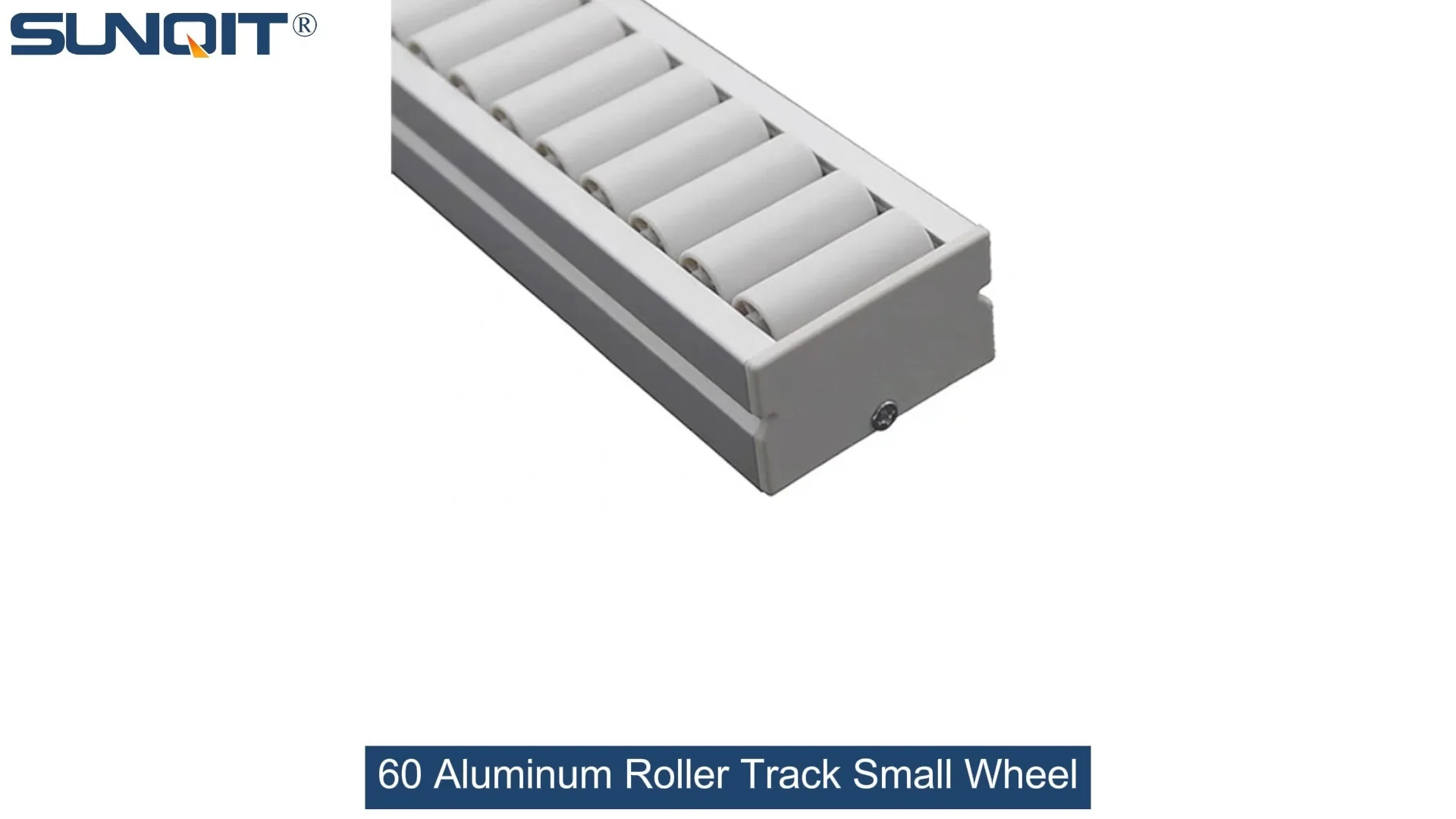
60 Aluminum Roller Track Small Wheel
Modular system roller tracks aluminum gravity roller tracks are an excellent solution for transporting materials within industrial environments, warehouses and distribution centres.
Why 60 Aluminum Roller Track Small Wheel Is Preferred for Low-Profile Material Racks
Introduction: The Unsung Hero of Low-Profile Material Racks
In the fast-paced world of manufacturing and warehouse logistics, every small component plays a big role in keeping operations running smoothly. Low-profile material racks are a staple in many lean system setups—they're designed to sit close to the ground, making it easy for workers to grab parts without bending over or stretching too far. But what makes these racks so effective at moving items from one place to another? The answer often lies in the roller tracks that line their shelves, and among these, the 60 aluminum roller track small wheel stands out as a top choice for businesses looking to boost efficiency and reduce waste.
Low-profile racks are more than just storage units; they're part of a flow rack system that helps implement just-in-time (JIT) inventory practices—core to lean manufacturing. By using roller tracks, items slide effortlessly to the front of the rack as soon as the one in front is taken, ensuring workers always have access to what they need without searching. And when it comes to low-profile racks, the 60 aluminum roller track small wheel is the ideal component to make this flow seamless, durable, and cost-effective.
Let's take a closer look at why this component is so popular. From its space-saving design to its compatibility with lean principles, the 60 aluminum roller track small wheel addresses key pain points in modern manufacturing and logistics operations. Whether you're running a 3C assembly line or a medical device warehouse, this roller track can help you streamline your processes and get more done with less effort.
What Exactly Is a 60 Aluminum Roller Track Small Wheel?
Before we dive into why it's preferred, let's clarify what this component is. The 60 aluminum roller track small wheel refers to a roller track made from aluminum extrusion profile, with a width of approximately 60mm, and fitted with small-diameter wheels (usually around 0.5 to 1 inch—think of the swivel roller balls common in small parts bins). The aluminum track is lightweight yet sturdy, and the small wheels are designed to minimize friction for smooth movement.
Unlike steel tracks, which can be heavy and prone to rust, aluminum tracks are corrosion-resistant—perfect for environments like medical device warehouses or 3C assembly lines where cleanliness and durability are non-negotiable. The small wheels are typically made from high-quality plastic or stainless steel, depending on the application, and are built to handle frequent use without wearing out quickly. This combination of materials makes the track both long-lasting and easy to maintain.
Another key feature of the 60 aluminum roller track small wheel is its modularity. The track is designed to be easily connected to other tracks or rack frames using roller track connectors—simple, durable pieces that allow for quick assembly and disassembly. This modular design means you can adjust the track length or layout as your needs change, which is essential for businesses that want to stay flexible in a dynamic market.
Key Benefits of 60 Aluminum Roller Track Small Wheel for Low-Profile Racks
1. Space Efficiency: Perfect for Low-Profile Design
Low-profile racks need to stay close to the ground, so every millimeter of height counts. The 60 aluminum roller track small wheel is compact—its small wheels add minimal height to the rack, ensuring the overall setup remains low enough for easy access. The 60mm width of the track is ideal for holding small to medium-sized bins, boxes, or trays, without taking up unnecessary space on the rack shelf.
For example, in a 3C assembly line, workers might use small bins to hold screws, connectors, or other tiny components. The 60mm track width fits these bins perfectly, and the small wheels allow the bins to slide smoothly even when the rack is fully loaded. This space efficiency helps businesses maximize their storage capacity without sacrificing accessibility. In a crowded warehouse, every square foot counts—so using a track that doesn't waste space is a big advantage.
Another space-saving benefit is the track's slim profile. Unlike bulkier roller tracks, the 60 aluminum version doesn't protrude far from the rack frame, which means you can fit more racks in the same area. This is especially useful for small businesses or warehouses with limited space.
2. Durability & Lightweight: A Winning Combination
Aluminum is known for its strength-to-weight ratio—strong enough to handle heavy loads, yet light enough to make the rack easy to move if needed. This is especially useful if the rack is fitted with caster wheels and caster accessories for mobility. Workers can easily shift the rack to a different part of the line when production needs change, without straining their backs or using heavy equipment.
Corrosion resistance is another big plus. In warehouses where humidity levels fluctuate or where cleaning chemicals are used (like in medical device manufacturing), steel tracks might rust over time, leading to stuck wheels and costly replacements. The 60 aluminum track, however, stays rust-free, ensuring a long lifespan and consistent performance. This durability means you won't have to replace the track as often, which saves money in the long run.
The lightweight nature of the track also makes it easy to install. You don't need a team of workers to lift and position the track—one or two people can handle it easily. This reduces installation time and labor costs, which is a big benefit for businesses looking to cut expenses.
3. Smooth Material Flow: Reducing Waste of Motion
One of the core principles of lean manufacturing is eliminating waste, and waste of motion is a common issue in many workplaces. The small wheels on the 60 aluminum track have minimal friction, so items slide easily with just a gentle push or pull. This means workers don't have to exert extra effort to move bins, which reduces fatigue and increases productivity.
Consider a worker in an auto parts warehouse who needs to grab a bin of nuts every few minutes. If the track has stiff wheels, they might have to use both hands to pull the bin forward—wasting time and energy. But with the 60 aluminum roller track small wheel, a single hand is enough to slide the bin to the front, allowing the worker to focus on their task without unnecessary delays. This small change can add up to significant time savings over the course of a day, week, or month.
Smooth material flow also helps reduce the risk of workplace injuries. When workers don't have to strain to move heavy bins, they're less likely to develop back pain or other musculoskeletal issues. This is not only good for the workers but also for the business—fewer injuries mean fewer sick days and lower workers' compensation costs.
4. Compatibility with Lean System & Modular Design
Lean system setups require components that are modular and adaptable, and the 60 aluminum roller track small wheel fits this bill perfectly. The track is designed to be easily adjusted or expanded using roller track connectors—simple pieces that attach the track to the rack frame or to other tracks. This modularity allows businesses to modify their low-profile racks as production needs change, aligning with the lean principle of continuous improvement.
For example, if a business adds a new product line that requires larger bins, they can easily replace the 60mm track with a wider one (or add extra tracks) using the same connectors. This flexibility saves money, as businesses don't have to buy entirely new racks every time their needs evolve. It also helps businesses respond quickly to market changes—if demand for a product increases, they can expand their storage capacity in hours, not days.
The track is also compatible with other lean system components, like flow racks and caster accessories. For instance, you can attach the track to a flow rack to create a dynamic storage system where items move to the front as soon as the one in front is taken. This helps implement JIT inventory practices, reducing the amount of inventory businesses need to keep on hand and freeing up cash flow.
5. Easy Installation & Maintenance: Saving Time & Money
Installing the 60 aluminum roller track small wheel is a breeze. All you need are roller track connectors and a few basic tools (like a screwdriver or wrench). The track slots into the connectors, and you just tighten the screws to secure it in place. This process takes minutes, not hours, so businesses can set up their racks quickly and get back to production.
Maintenance is equally simple. Regular cleaning (wiping the track with a damp cloth) removes dust and debris that might cause wheels to stick. Every few months, you can check the wheels for wear and tear—if any wheel is damaged, it's easy to replace (small wheels are inexpensive and widely available). You can also add aluminum profile accessories like end caps or side guides to the track to prevent items from falling off and to give the rack a polished look.
Another maintenance tip is to lubricate the wheels every six months. Applying a small amount of silicone lubricant to the wheel bearings reduces friction and extends the life of the wheels. Avoid using oil-based lubricants—they can attract dust and cause the wheels to get stuck. With these simple maintenance steps, the track will continue to perform well for years.
Real-World Applications: Where 60 Aluminum Roller Track Small Wheel Shines
1. 3C Assembly Lines
The 3C industry (computers, communication, consumer electronics) relies heavily on small components and fast-paced assembly lines. Low-profile racks with 60 aluminum roller tracks are perfect for storing tiny parts like microchips, capacitors, or USB connectors. The small wheels allow workers to access these parts quickly, and the aluminum track's corrosion resistance ensures the components stay clean and free from rust.
For example, a smartphone assembly plant might use low-profile racks with 60mm tracks to hold bins of screen protectors. The racks are placed right next to the assembly stations, so workers can grab a protector in seconds—reducing the time between each phone assembly. This helps the plant increase its production rate without sacrificing quality.
Another example is a laptop manufacturing plant. Workers need to access small parts like keyboard keys or battery connectors frequently. The 60 aluminum roller track small wheel makes it easy to slide these parts to the front of the rack, so workers don't have to waste time searching for them. This efficiency helps the plant meet tight production deadlines and keep up with consumer demand.
2. Medical Device Manufacturing
Medical device manufacturing requires strict adherence to cleanliness and safety standards. The 60 aluminum roller track small wheel is ideal for this industry because it's corrosion-resistant and easy to clean. Low-profile racks with these tracks are used to store small medical components like syringes, catheters, or surgical tools.
In a medical device warehouse, the track's smooth flow helps workers quickly retrieve the components they need for assembly. The aluminum material is non-porous, so it doesn't harbor bacteria or other contaminants—critical for maintaining a sterile environment. Additionally, the track's modular design allows the warehouse to adjust its storage setup as new medical devices are introduced.
For example, a company that manufactures insulin pumps might use low-profile racks with 60mm tracks to store small pump components. The racks are placed in a clean room, and the aluminum track's corrosion resistance ensures the components stay free from rust or other contaminants. This helps the company comply with FDA regulations and produce safe, high-quality medical devices.
3. Warehouse Logistics
Warehouse logistics is all about efficiency—getting the right product to the right place at the right time. The 60 aluminum roller track small wheel helps achieve this by making it easy to move items around the warehouse. Low-profile racks with these tracks are used to store small to medium-sized products like electronics, tools, or parts.
In a retail warehouse, for example, the track's smooth flow helps workers quickly pick items for shipping. The low-profile design means workers don't have to bend over to grab items, reducing fatigue and increasing productivity. The track's modularity also allows the warehouse to adjust its storage setup as inventory levels change—during peak seasons, the warehouse can add more tracks to increase storage capacity, and during slow seasons, it can remove tracks to free up space.
Another example is a distribution center for a clothing brand. The center uses low-profile racks with 60mm tracks to store small items like buttons, zippers, or tags. The track's smooth flow helps workers quickly retrieve these items for garment assembly. The aluminum material is durable enough to handle frequent use, and the small wheels ensure the items move easily even when the racks are fully loaded.
4. Manufacturing
manufacturing (like refrigerators, washing machines, or air conditioners) requires storing a variety of small parts like screws, bolts, or wiring harnesses. The 60 aluminum roller track small wheel is perfect for this industry because it's durable, lightweight, and easy to maintain. Low-profile racks with these tracks are placed near assembly lines, so workers can quickly grab the parts they need.
For example, a refrigerator manufacturing plant uses low-profile racks with 60mm tracks to store small parts like door handles or gaskets. The racks are placed right next to the assembly line, so workers can grab the parts in seconds. The track's smooth flow reduces the time workers spend retrieving parts, which increases the plant's production rate. The aluminum material is also corrosion-resistant, so the racks can be used in areas where cleaning chemicals are used without worrying about rust.
Another example is a washing machine plant. Workers need to access small parts like belts or pulleys frequently. The 60 aluminum roller track small wheel makes it easy to slide these parts to the front of the rack, so workers don't have to waste time searching for them. This efficiency helps the plant meet production targets and keep up with consumer demand.
Comparison with Other Roller Track Options
To understand why the 60 aluminum roller track small wheel is preferred, let's compare it with other common options:
| Feature | 60 Aluminum Roller Track Small Wheel | 40 Aluminum Roller Track | Steel Roller Track Small Wheel |
|---|---|---|---|
| Material | Aluminum extrusion profile | Aluminum extrusion profile | Steel |
| Track Width | 60mm | 40mm | 60mm |
| Wheel Size | Small (0.5-1 inch) | Medium (1-1.5 inch) | Small (0.5-1 inch) |
| Weight | Lightweight | Lightweight | Heavy |
| Corrosion Resistance | High | High | Low (prone to rust) |
| Suitability for Low-Profile Racks | Excellent (minimal height) | Good (but narrower width) | Fair (heavy weight makes rack less mobile) |
| Load Capacity | Medium to High | Low to Medium | High |
| Cost | Affordable | Affordable | Higher |
| Maintenance | Low (rust-free, easy to clean) | Low | High (needs regular rust prevention) |
| Modularity | High (uses roller track connectors) | High | Medium (heavier, harder to adjust) |
As you can see from the table, the 60 aluminum roller track small wheel offers the best balance of space efficiency, durability, and cost-effectiveness for low-profile material racks. While steel tracks have higher load capacity, their weight and corrosion issues make them less ideal for low-profile setups. The 40mm aluminum track is narrower, so it's not suitable for larger bins. This makes the 60 aluminum option the clear winner for most businesses.
Installation Tips for 60 Aluminum Roller Track Small Wheel
Installing the track correctly is key to ensuring optimal performance. Here are some tips to help you get it right:
1.
Measure Twice, Cut Once:
Before installing the track, measure the length of the rack shelf to ensure the track fits perfectly. If you need to cut the track to size, use a saw designed for aluminum—this will give you a clean, straight edge. Avoid using a hacksaw, as it can leave rough edges that might damage the wheels.
2.
Use the Right Roller Track Connectors:
Different racks use different types of connectors, so make sure you choose the ones that are compatible with your rack frame. Most connectors are designed to fit standard aluminum profiles, but it's always best to check before buying. If you're unsure, consult the manufacturer's guidelines or ask for a sample.
3.
Align the Track Properly:
When attaching the track to the rack, make sure it's aligned straight. A crooked track will cause items to get stuck or slide to one side. Use a level to check the alignment before tightening the connectors. If the track is not straight, adjust the connectors until it is.
4.
Add Aluminum Profile Accessories:
After installing the track, add end caps to the ends to prevent items from falling off. You can also add side guides if you're storing small items that might slide off the sides of the track. These accessories are inexpensive and easy to install, and they help improve the safety and functionality of the rack.
5.
Test the Flow:
Once the track is installed, slide a few bins along it to make sure they move smoothly. If any part of the track is stiff, check the connectors to see if they're too tight or if there's debris stuck in the wheels. Adjust as needed until the bins slide easily.
Maintenance Guide: Keeping Your Track in Top Shape
Proper maintenance will extend the lifespan of your 60 aluminum roller track small wheel and keep it performing well. Here's what you need to do:
1.
Regular Cleaning:
Wipe the track with a damp cloth every week to remove dust and debris. For stubborn dirt, use a mild detergent—avoid harsh chemicals that might damage the aluminum or the wheels. Dry the track thoroughly after cleaning to prevent water spots.
2.
Inspect Wheels Monthly:
Check each wheel for signs of wear and tear, like cracks or flat spots. If a wheel is damaged, replace it immediately. Most wheels are sold in packs, so you can keep spares on hand for quick replacements. This will ensure the track continues to perform smoothly.
3.
Tighten Connectors Quarterly:
Over time, the connectors might loosen due to frequent use. Use a screwdriver or wrench to tighten them every three months to ensure the track stays stable. Loose connectors can cause the track to shift, leading to stuck items or even accidents.
4.
Lubricate Wheels Every Six Months:
Apply a small amount of silicone lubricant to the wheel bearings to reduce friction. Avoid using oil-based lubricants—they can attract dust and cause the wheels to get stuck. A little lubricant goes a long way, so don't overdo it.
5.
Store Spare Parts:
Keep extra roller track connectors, wheels, and aluminum profile accessories in a dry place. This way, you can replace any damaged parts quickly without disrupting production. Label the spare parts so you can find them easily when needed.
Conclusion: Why Choose 60 Aluminum Roller Track Small Wheel?
The 60 aluminum roller track small wheel is more than just a component—it's a key part of an efficient, lean system setup. Its space efficiency, durability, smooth flow, and modular design make it the perfect choice for low-profile material racks in a wide range of industries, from 3C assembly to medical device manufacturing.
Whether you're looking to reduce waste, increase productivity, or maximize storage space, this roller track has you covered. It's easy to install, low-maintenance, and compatible with a variety of lean system components like flow racks, caster accessories, and roller track connectors. So if you're in the market for a roller track for your low-profile racks, the 60 aluminum roller track small wheel is definitely worth considering.
In today's competitive business environment, every small improvement can make a big difference. The 60 aluminum roller track small wheel helps businesses streamline their operations, reduce costs, and stay ahead of the competition. It's a small investment that delivers big returns—so why wait? Start using the 60 aluminum roller track small wheel in your low-profile material racks today and see the difference it makes.