- Company Articles
- Products and Technology
- Product knowledge
- Why Aluminum Foot Base is Essential for Material Rack B Durability

Why Aluminum Foot Base is Essential for Material Rack B Durability
Related Product
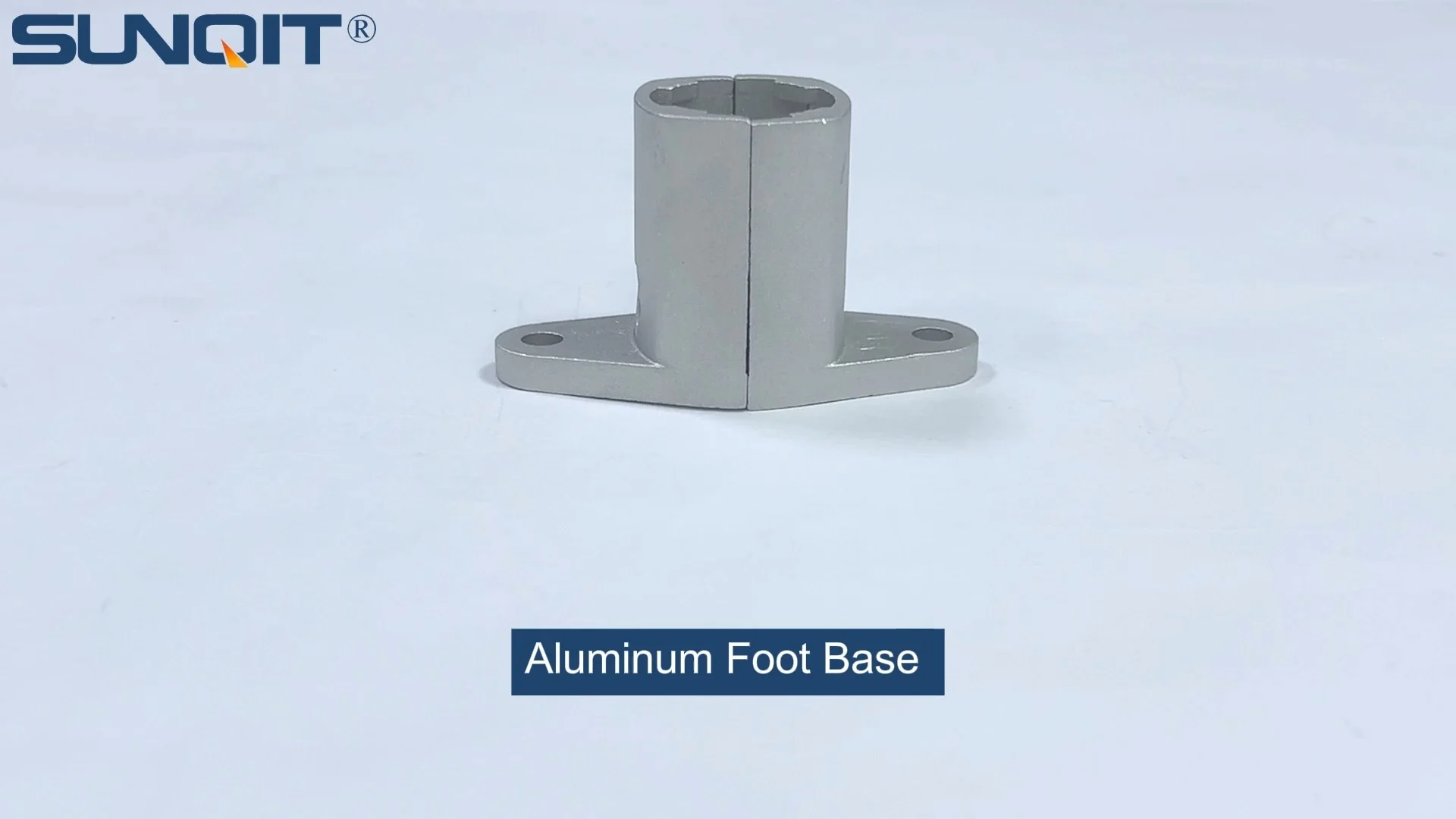
Aluminum Foot Base
Aluminum foot base to connect 28mm aluminum pipe and fixed it on the ground and prevent pipe fall and move.
The unsung component that transforms your warehouse's backbone from shaky to steadfast
The Hidden Cost of a Wobbly Foundation
Meet Raj, a warehouse manager at a bustling automotive parts distributor. Last Tuesday, he stood in front of his team, clipboard in hand, staring at a problem he'd grown all too familiar with: Material Rack B—their workhorse 3-row, 3-floor unit loaded with brake pads and gaskets—had started to lean. Again. A pallet jack had nudged it the day before, and now the top shelf listed to the left, threatening to spill boxes onto the floor. "We just fixed this last month," Raj muttered, running a hand through his hair. His team sighed; they'd spend the next hour emptying the rack, shimming the wobbly plastic foot with a stack of old business cards, and restacking everything. Another hour of downtime. Another band-aid solution.
This scenario plays out in warehouses, factories, and distribution centers worldwide. Material racks are the silent workhorses of supply chains, but their durability hinges on a component so small, it's often overlooked: the foot base. For Material Rack B (3 row and 3 floor)—a staple in lean system setups—this oversight can turn a reliable storage solution into a recurring headache. Today, we're diving into why the aluminum foot base isn't just an accessory, but the foundation of durability for your most critical material handling equipment.
Material Rack B: The Backbone of Lean Storage
First, let's get to know Material Rack B (3 row and 3 floor) up close. This isn't just any rack—it's designed for efficiency, a core part of lean system principles that prioritize minimizing waste and maximizing flow. With three rows and three floors, it's engineered to hold medium to heavy loads (think 500-800 lbs per shelf) while keeping items accessible. Its modular design means it can be customized with dividers, labels, or even roller tracks for quick picking, making it a favorite in industries from electronics to food and beverage.
But here's the thing: Material Rack B's strength lies in its structure, and that structure is only as strong as what holds it to the ground. Most standard racks come with basic foot bases—often plastic, sometimes steel. Plastic feet are cheap but brittle; they crack under heavy loads or when exposed to temperature fluctuations. Steel feet are sturdy but prone to rust in humid environments, and their weight makes adjustments a two-person job. Enter the aluminum foot base: a component that bridges the gap between strength, adaptability, and longevity.

The Three Silent Threats to Material Rack Durability
Before we unpack why aluminum foot bases are game-changers, let's talk about the enemies of rack durability. These aren't dramatic failures—they're slow, insidious issues that chip away at your rack's lifespan and safety:
1. Uneven Weight Distribution
Material Rack B (3 row and 3 floor) is built to hold weight, but if the load isn't distributed evenly across all four feet, stresss on one corner. Over time, this warps the frame, bends shelves, and turns a level rack into a tilted hazard. Workers notice it first as "that wobbly rack" they have to around, then as damaged inventory when boxes slide off.
2. Corrosion and Wear
Warehouses are tough environments. Forklifts kick up dust, cleaning crews use harsh chemicals, and humidity spikes in summer. Plastic feet degrade under UV light and chemical exposure; steel feet rust, turning smooth surfaces into pitted, uneven messes. Once the foot base starts to fail, the entire rack becomes unstable.
3. Floor Imperfections
Even the best warehouse floors aren't perfectly level. A half-inch dip under one corner of your rack might seem minor, but over time, it forces the frame to twist. This "racking" (pun intended) weakens welds, loosens bolts, and shortens the rack's lifespan. Most foot bases can't adjust for this—they're fixed, leaving you to hunt for shims or live with the wobble.

Aluminum Foot Base: Engineered to Solve These Threats
Aluminum foot bases aren't just "better" than plastic or steel—they're engineered to address the specific durability challenges Material Rack B faces. Let's break down why this unassuming component is a game-changer:
Strength Without the Weight
Aluminum is a marvel of material science. It's 1/3 the weight of steel but offers comparable strength, thanks to alloys like 6061-T6—used in everything from aircraft wings to industrial equipment. For Material Rack B, this means the foot base can support heavy loads (up to 1,000 lbs per foot, depending on design) without adding unnecessary bulk. When Raj's team needs to reposition the rack (yes, even a 3-row, 3-floor unit gets moved sometimes), aluminum feet make the job manageable with two people instead of four.
Corrosion Resistance: Built to Outlast the Elements
Unlike steel, aluminum forms a natural oxide layer when exposed to air, acting as a protective barrier against rust and corrosion. In humid warehouses or facilities that use water-based cleaning solutions, this is a lifesaver. A steel foot base might start rusting within a year; an aluminum one? It'll look brand-new after five. No more pitted surfaces, no more flaking paint, no more "quick fixes" with sandpaper and spray paint.
Adjustable Design: Taming Uneven Floors
The best aluminum foot bases aren't fixed—they're adjustable. Many come with a threaded stem that screws into the rack leg, allowing you to raise or lower the foot by turning a nut. This means Raj's team wouldn't need shims or business cards; they'd simply twist the foot to level the rack, even on a floor with dips or bumps. Some models even include anti-slip rubber pads on the bottom, preventing the rack from sliding when loaded or bumped by equipment.
Precision Machining for Perfect Fit
Aluminum is easy to machine with tight tolerances, ensuring the foot base fits seamlessly with Material Rack B's frame. Unlike plastic, which warps during molding, or steel, which can have rough edges from welding, aluminum feet sit flush against the rack leg, distributing weight evenly. This precision reduces stress on the frame, extending the rack's lifespan by years.

How Does It Stack Up? A Foot Base Showdown
Still not convinced aluminum is the way to go? Let's put it head-to-head with plastic and steel in the metrics that matter for Material Rack B durability:
| Feature | Plastic Foot Base | Steel Foot Base | Aluminum Foot Base |
|---|---|---|---|
| Weight (per unit) | 0.5 lbs | 3 lbs | 1 lb |
| Max Load Capacity | 300 lbs | 1,000 lbs | 1,000 lbs |
| Corrosion Resistance | Poor (degrades in chemicals/UV) | Low (rusts without coating) | Excellent (natural oxide layer) |
| Adjustability | None (fixed height) | Limited (some threaded models) | High (fine-tuned threaded stem) |
| Average Lifespan | 1-2 years | 3-5 years (with maintenance) | 10+ years |
| Maintenance Needs | High (replace when cracked/warped) | Medium (repaint, treat rust) | Low (wipe clean; no rust) |
The data speaks for itself: aluminum foot bases outperform plastic and steel in every category that matters for Material Rack B durability. But numbers only tell part of the story—let's talk real-world impact.
From Wobbly to Worry-Free: Real Stories of Improvement
Take Maria, a logistics coordinator at a medical device manufacturer. Her facility uses Material Rack B (3 row and 3 floor) to store sensitive components—items that can't risk damage from a falling shelf. They'd been using plastic foot bases, which cracked after six months of cleaning chemical exposure. "We were replacing feet every quarter," Maria recalls. "Then we switched to aluminum. That was three years ago. I haven't replaced a single foot since. And the adjustability? Our floor slopes near the loading dock, and now we can level the rack perfectly. No more shims, no more stress."
Or consider Tom, who manages a warehouse for a furniture retailer. His team moves Material Rack B units regularly to reorganize inventory—part of their lean system efforts to reduce travel time for pickers. "Steel feet were killing us," he says. "They weighed so much, moving a rack took four people. With aluminum, two people can handle it. And since they don't rust, we don't have to worry about leaving them outside during loading. It's cut our reorg time in half."
These stories highlight a key point: aluminum foot bases don't just make racks more durable—they make operations more efficient. When your rack is stable, workers spend less time fixing problems and more time doing the job they're paid to do. That's the lean system in action: eliminating waste (like shim-hunting) and creating value.
Integration with Aluminum Profile and Lean System Principles
Material Rack B (3 row and 3 floor) rarely stands alone—it's part of a larger ecosystem of lean system tools, often paired with aluminum profile structures. Aluminum profile (think T-slot framing) is used for everything from workbenches to flow racks, prized for its modularity and strength. Aluminum foot bases complement this ecosystem perfectly.
Why? Because aluminum profile and aluminum foot bases are made from the same material family, they share compatible design principles. The foot base's threaded stem fits standard aluminum profile holes, making installation a breeze. No drilling, no custom brackets—just screw it in and level. This modularity aligns with lean system goals: quick setup, easy reconfiguration, and minimal waste.
Plus, aluminum's lightweight nature means you can pair Material Rack B with caster and accessories when mobility is needed. Lockable casters let you move the rack to where it's needed, then engage the brakes and rely on the aluminum foot base for stability when stationary. It's the best of both worlds: mobility when you want it, rock-solid stability when you need it.
How to Choose the Right Aluminum Foot Base for Your Material Rack B
Not all aluminum foot bases are created equal. To get the most durability out of your Material Rack B, keep these factors in mind:
Load Capacity
Check the manufacturer's specs for your Material Rack B (3 row and 3 floor)—it should list the total weight capacity. Divide that by four (for four feet) to get the minimum load rating per foot base. Err on the side of caution: if the rack holds 2,000 lbs total, choose foot bases rated for 600 lbs each (not 500) to account for uneven loading.
Adjustment Range
Measure your warehouse floor's unevenness. If you have dips of up to 1 inch, choose a foot base with at least 1.5 inches of adjustment range. This gives you wiggle room (literally) to level the rack.
Environment
Humid? Coastal? Exposed to chemicals? Look for aluminum foot bases with anodized finishes—this extra layer of protection enhances corrosion resistance. For cleanrooms or food-grade facilities, opt for FDA-approved rubber pads on the foot base to prevent contamination.
Compatibility
Ensure the foot base fits your Material Rack B's leg diameter. Most racks use 1.5-inch or 2-inch legs; match the foot base's inner diameter to avoid wobble. If you're using aluminum profile legs, check that the threaded stem matches the profile's T-slot size.
Durability Starts at the Bottom: Invest in Aluminum Foot Bases
Raj's team no longer spends hours shimming wobbly racks. After switching to aluminum foot bases on their Material Rack B (3 row and 3 floor) units, the wobble stopped. The racks stay level, the feet don't crack or rust, and his team can focus on moving inventory instead of fixing problems. "It's the little things," Raj says with a smile. "Who knew a foot could make such a big difference?"
That's the lesson here: durability isn't about flashy features or expensive upgrades. It's about the foundational components—the ones that keep your equipment standing strong, day in and day out. For Material Rack B, that component is the aluminum foot base. It's the quiet hero that turns a shaky rack into a reliable workhorse, aligns with lean system principles, and saves you time, money, and frustration in the long run.
So, the next time you're evaluating material handling equipment, don't overlook the foot base. Ask: Is this built to last? For Material Rack B (3 row and 3 floor), the answer is clear: choose aluminum. Your team, your inventory, and your bottom line will thank you.