- Company Articles
- Products and Technology
- Solution
- Why Aluminum Pipe with Board Holder Is Ideal for Custom Solutions

Why Aluminum Pipe with Board Holder Is Ideal for Custom Solutions
Related Product
Aluminum Pipe with Board Holder
The linear rolling assembly can be arbitrarily connected in the protruding part of the card slot to increase the rigidity of the track.
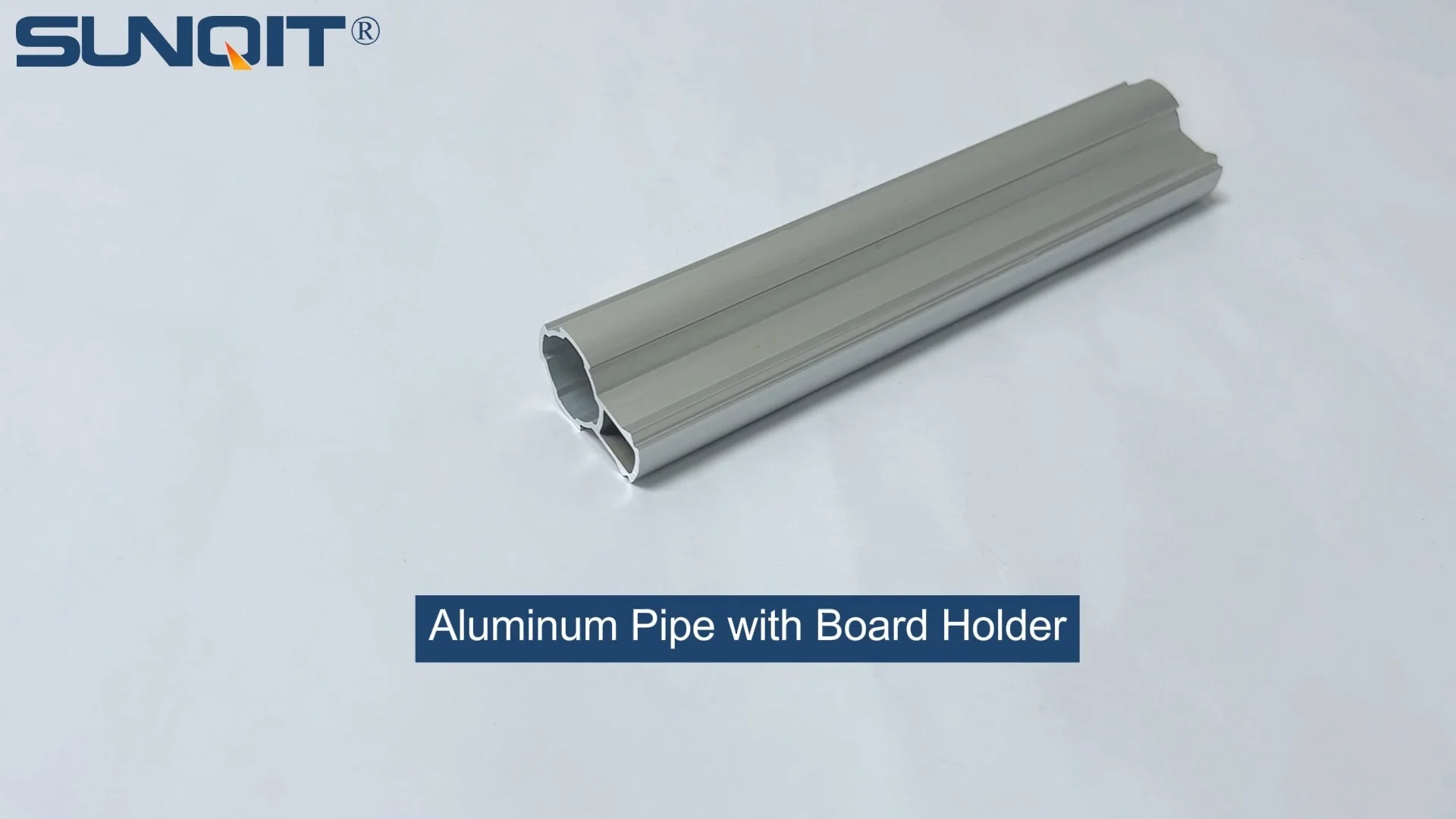
In today's fast-paced business world, the ability to adapt is everything. Whether you're running a manufacturing facility, a bustling retail store, a research lab, or a small workshop, the spaces where you operate can't afford to be static. Rigid, one-size-fits-all setups often lead to inefficiencies, wasted space, and frustration—especially when your needs shift with new projects, seasonal demands, or growth. That's where modular solutions come in, and few have proven as versatile or effective as the aluminum pipe with board holder system.
At first glance, you might think, "It's just pipes and boards—how revolutionary can that be?" But dive deeper, and you'll discover a system that's quietly transforming how businesses design, build, and reimagine their workspaces. Lightweight yet surprisingly strong, customizable without the need for specialized tools, and compatible with a wide range of accessories, aluminum pipe with board holder isn't just a product; it's a blank canvas for innovation. Let's explore why this modular powerhouse has become the go-to choice for teams craving flexibility, durability, and practicality in their custom solutions.
What Exactly Is Aluminum Pipe with Board Holder?
Before we jump into its benefits, let's break down the basics. Aluminum pipe with board holder is a modular building system designed to create custom structures by combining two core components: lightweight aluminum pipes and adjustable board holders. But it's the details that make it special.
The "aluminum pipe" here isn't your average hardware store pipe. These are typically aluminum extrusion profiles —precision-engineered tubes created through a process where aluminum is forced through a die to form consistent, uniform shapes. This extrusion method ensures the pipes are strong, straight, and resistant to warping, even with heavy use. They come in various diameters and lengths, but most systems use standard sizes (like 20mm, 30mm, or 40mm) to ensure compatibility across components.
Then there's the "board holder": a simple but genius accessory that bridges the gap between the pipes and the surfaces you actually work on. These holders clamp or bolt onto the aluminum pipes, allowing you to attach boards made of wood, plywood, MDF, plastic, or even metal. Whether you need a smooth workbench top, a sturdy shelf, a partition, or a display surface, the board holder makes it possible to secure almost any material quickly and securely.
Of course, no modular system is complete without aluminum profile accessories —the unsung heroes that bring everything together. Think of joints (90-degree elbows, T-connectors, swivel brackets), end caps, clamps, casters for mobility, and even cable management clips. These accessories are designed to snap, screw, or slide into the aluminum pipes (thanks to the T-slots common in aluminum extrusion profiles), making assembly a breeze—no welding, no drilling, no headaches.
Why It's Perfect for Custom Solutions: 5 Key Advantages
So, what makes aluminum pipe with board holder stand out in a market flooded with modular systems? Let's break down the reasons it's become a favorite for custom projects.
1. Unmatched Flexibility: Build, Break Down, Rebuild—No Limits
The biggest selling point? Flexibility. Traditional workbenches or shelving units are fixed—once you assemble them, moving or modifying them means taking out a saw or a drill (and probably ruining the piece in the process). Aluminum pipe with board holder, though? It's designed to be reconfigured on the fly.
Need to raise your workbench height by 6 inches? Swap out the vertical pipes for longer ones. Want to add a second shelf to your material rack? Attach a few more board holders and a new board. Moving to a smaller office? Disassemble the entire system, pack it into a box, and rebuild it in the new space. This adaptability is a game-changer for businesses that grow, pivot, or take on diverse projects. For example, a small electronics manufacturer I worked with recently used the system to build a temporary testing station for a new product line. When the project ended, they disassembled the station and repurposed the pipes and boards into a mobile tool cart—no waste, no extra cost.
2. Lightweight but Strong: The Best of Both Worlds
Aluminum is famous for its strength-to-weight ratio, and that's a huge advantage here. Unlike steel pipes, which are tough but heavy (making them hard to maneuver alone), aluminum pipes are light enough for one person to carry and assemble. Yet they're more than strong enough to handle daily use: a properly built aluminum pipe workbench can easily support 200+ pounds of tools, materials, or equipment without bending or wobbling.
This combination of lightness and strength is especially useful for mobile setups. Add a set of locking casters (a common aluminum profile accessory), and suddenly your workbench becomes a rolling cart that can be moved across the shop floor with ease. I've seen cafes use this to create portable serving stations for events, and labs use it to build mobile testing rigs that can be wheeled to different workstations—all without sacrificing stability.
3. Easy to Assemble (No Expertise Required)
Let's be honest: not everyone is a DIY pro. Many modular systems require specialized tools, welding skills, or even a professional installer. Aluminum pipe with board holder? It's designed for the average person. Most components click, twist, or screw together by hand or with a basic Allen wrench. The T-slots in the aluminum extrusion profile make it simple to slide in brackets or attach accessories exactly where you need them, and board holders typically use clamps or screws that anyone can tighten.
I remember helping a friend set up a home workshop last year. He'd never built anything more complex than a bookshelf, but with a few aluminum pipes, board holders, and a handful of joints, he had a fully functional workbench (complete with a pegboard for tools) assembled in under 2 hours. No instructions, no stress—just trial and error, and a system that forgave his occasional "oops, that angle was wrong" moments.
4. Compatible with Lean Systems: Streamline Workflows
For manufacturing, warehousing, or any industry focused on efficiency, lean system principles (like 5S, continuous improvement, and waste reduction) are critical. Aluminum pipe with board holder fits seamlessly into these frameworks because it's all about reducing waste—of space, time, and resources.
Take a production line, for example. A fixed conveyor or workbench might force workers to stretch, bend, or walk extra steps to reach materials. With aluminum pipe with board holder, you can build a custom workbench that positions tools at waist height, add a flow rack for parts right next to the assembly area, or even create a U-shaped workstation that minimizes movement. When workflows change (say, a new product requires different tools), you don't need to buy a whole new setup—just reconfigure the pipes and boards. It's lean in action: adapt, don't replace.
5. Aesthetically Pleasing (Yes, That Matters)
We often overlook the "look" of industrial equipment, but a clean, organized space can boost morale and even impress clients. Aluminum pipe with board holder has a modern, sleek appearance that beats clunky steel or cheap plastic systems. The silver or black anodized finish of the aluminum pipes (common in aluminum extrusion profiles) gives it a professional look, and since you choose the boards, you can match your brand colors or workspace decor.
Retailers have caught onto this, using the system to build custom display racks that showcase products without looking like they belong in a warehouse. Even offices are using it for open shelving or room dividers—proof that functionality doesn't have to mean sacrificing style.

How It Stacks Up: Aluminum Pipe with Board Holder vs. Other Materials
Still not convinced it's the right fit? Let's compare it to three common alternatives: steel pipe systems, plastic modular shelving, and traditional wooden workbenches. The table below breaks down key factors like cost, durability, and customization ease.
| Factor | Aluminum Pipe with Board Holder | Steel Pipe Systems | Plastic Modular Shelving | Wooden Workbenches |
|---|---|---|---|---|
| Weight | Light (easy to move/assemble alone) | Heavy (often requires 2+ people) | Very light (may feel flimsy) | Moderate (bulky, hard to relocate) |
| Durability | High (corrosion-resistant, scratch-resistant) | High (prone to rust without coating) | Low (bends/cracks under heavy weight) | Moderate (scratches, warps with moisture) |
| Customization | Excellent (reconfigurable, mix/match components) | Poor (fixed once welded; hard to modify) | Limited (pre-set sizes; few accessory options) | Basic (cutting/modifying damages the piece) |
| Assembly Difficulty | Easy (hand tools only; no expertise needed) | Hard (requires welding/drilling skills) | Easy (snap-together, but less stable) | Moderate (needs saw, screws, level) |
| Long-Term Cost | Moderate (initial investment, but reusable) | High (installation + maintenance for rust) | Low upfront, high long-term (replaced often) | Moderate (replaced when damaged) |
| Lean System Compatibility | Excellent (supports 5S, workflow changes) | Poor (static; resists process improvements) | Fair (lightweight but limited use cases) | Poor (fixed layout; hard to adapt) |
*Costs and durability can vary by brand and quality, but these are general industry observations.

Real-World Applications: Where It Shines
Aluminum pipe with board holder isn't just a theoretical solution—it's already making waves across industries. Here are a few examples of how businesses are using it to solve unique challenges:
1. Manufacturing: Custom Workbenches for Assembly Lines
In manufacturing, no two assembly lines are identical. One might require a narrow workbench with built-in tool trays for small electronics, while another needs a wide, sturdy surface for heavy machinery parts. Aluminum pipe with board holder lets factories build workbenches tailored to each task. For instance, a automotive parts supplier I visited used the system to create ergonomic workstations where the height, shelf placement, and even lighting (attached via aluminum profile accessories) could be adjusted for each worker—reducing fatigue and boosting productivity.
2. Retail: Seasonal Display Racks That Adapt
Retailers know that seasonal displays are a must, but buying new racks every few months is expensive and wasteful. With aluminum pipe with board holder, a clothing store can build a summer display with light, airy shelves, then disassemble it and rebuild a cozy, layered winter display using the same pipes. Add branded wooden boards or colorful plastic panels (secured with board holders), and the racks feel fresh without the cost of replacements.
3. Labs: Chemical-Resistant Workspaces
Laboratories need workspaces that are durable, easy to clean, and adaptable to experiments. Aluminum's resistance to corrosion makes it ideal for labs handling chemicals, and board holders can attach non-porous surfaces like stainless steel or HDPE boards that wipe clean easily. One research lab I worked with even built a modular fume hood frame using aluminum pipes—light enough to move when needed, strong enough to support the hood's weight, and compatible with the lab's existing lean system for organizing equipment.
4. Warehousing: Mobile Material Racks for Quick Access
Warehouses thrive on speed, and aluminum pipe with board holder helps keep things moving. By adding casters to a simple frame, teams can build mobile material racks that glide right to the packing station, eliminating time wasted walking back and forth to static shelves. The board holders can secure label holders or dividers, making it easy to sort parts or inventory—another win for lean system efficiency.
Tips for Designing Your Own Custom Solution
Ready to dive in? Here are a few practical tips to help you design a system that works for your needs:
- Start with a sketch (even a messy one). You don't need CAD software—just draw your ideal setup on paper. Note measurements (height, width, depth) and where you need shelves, boards, or accessories.
- Choose the right board material. For heavy use (like a workbench), opt for plywood or MDF. For labs or food spaces, go with stainless steel or plastic. For retail, wood or acrylic adds warmth.
- Don't skimp on accessories. Casters, cable clips, and adjustable feet (common aluminum profile accessories) might seem like extras, but they'll make your setup more functional. For example, adjustable feet keep your workbench level on uneven floors.
- Buy extra pipes and joints. It's better to have a few spare parts than to run out mid-project. Most suppliers sell starter kits with the basics, then you can add more as needed.
- Test as you go. Build one section at a time and test its stability before adding more. If a shelf feels wobbly, reinforce it with extra joints or a crossbar—aluminum's flexibility means you can tweak until it's right.
Maintenance: Keeping Your System in Top Shape
One of the best things about aluminum pipe with board holder is how little maintenance it needs. Here's how to keep it looking and working like new:
Cleaning: Wipe down aluminum pipes with a damp cloth and mild soap—no harsh chemicals needed. For boards, follow the care instructions for their material (e.g., wood may need occasional oiling, plastic can be disinfected with bleach wipes).
Tightening: Over time, joints or board holder clamps might loosen with use. A quick twist with an Allen wrench every few months will keep everything secure.
Replacing parts: If a joint cracks or a caster wheel wears out, most aluminum profile accessories are sold individually—no need to replace the entire system. Suppliers often stock replacement parts, so repairs are quick and affordable.
Final Thoughts: Why Aluminum Pipe with Board Holder Deserves a Spot in Your Workspace
In a world where adaptability is key, aluminum pipe with board holder stands out as a solution that grows with you. It's not just about building a workbench or a shelf—it's about creating a workspace that bends to your needs, not the other way around. Lightweight yet strong, easy to assemble yet endlessly customizable, and compatible with the lean systems that drive modern efficiency, it's a tool that empowers businesses, big and small, to think creatively about their space.
Whether you're a manufacturer streamlining your production line, a retailer refreshing your displays, or a hobbyist building a workshop in your garage, this modular system offers something rare: freedom. Freedom to design, freedom to change, and freedom to make your space truly your own. So why settle for "good enough" when you can build "perfect for you"?