- Company Articles
- Products and Technology
- Product knowledge
- Why Aluminum Workbench B Is a Cost-Effective Choice for Small to Medium Manufacturers

Why Aluminum Workbench B Is a Cost-Effective Choice for Small to Medium Manufacturers
Related Product
Aluminum Workbench B
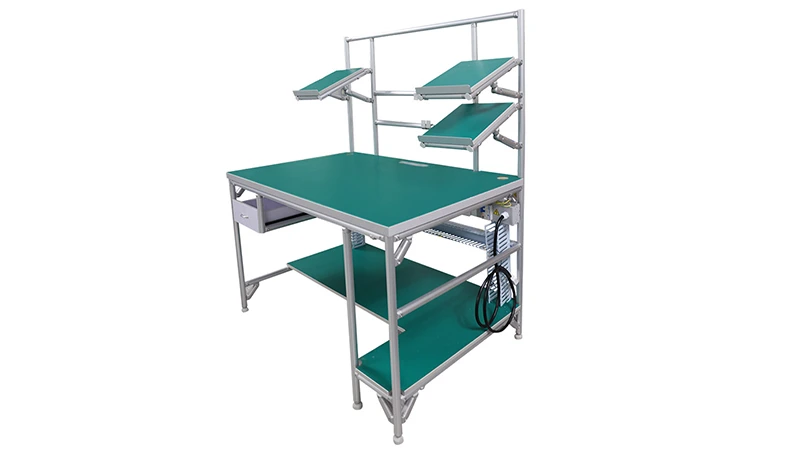
Aluminum tube workbench is more flexible and durable, compared with traditional PE/ABS coated steel tube. It is easy to assemble, anti corrosion, rust protection, and recycle use after disassemble.
Running a small or medium manufacturing business often feels like walking a tightrope. On one side, you've got the pressure to meet deadlines and maintain quality; on the other, there's the constant need to keep costs in check. Every piece of equipment, every workflow tweak, and every investment has to pull its weight—otherwise, it's just another expense eating into your bottom line. If you've ever found yourself staring at a rickety workbench that wobbles under the weight of your tools, or a setup that can't keep up with sudden production spikes, you know exactly what we're talking about.
That's where Aluminum Workbench B comes in. At first glance, it might seem like just another workbench, but for small to medium manufacturers (SMMs), it's something far more valuable: a solution that balances durability, flexibility, and affordability. In this article, we're going to dive into why this workbench isn't just a piece of furniture for your factory floor—it's a strategic investment that can save you money, streamline your operations, and grow with your business. Let's start by understanding what makes Aluminum Workbench B different from the generic workbenches cluttering the market.
What Is Aluminum Workbench B, Anyway?
Aluminum Workbench B is a modular work surface designed specifically for industrial environments. Unlike the wooden workbenches you might find in a home garage or the heavy, fixed steel benches common in large factories, this workbench is built with SMMs in mind. It's constructed using high-grade aluminum extrusion profile—a material known for its unique blend of strength, lightness, and resistance to corrosion. But it's not just the material that matters; it's how the whole system comes together.
Let's break down the basics: Aluminum Workbench B typically features a single deck (no caster wheels, though casters can be added as an accessory) and a frame built from aluminum extrusion profile. The aluminum extrusion profile isn't just any metal; it's engineered with precision. Extrusion is a process where aluminum is pushed through a die to create uniform, consistent shapes—think of it like squeezing toothpaste through a tube, but with industrial-grade precision. This results in a material that's strong enough to support heavy tools and components (we're talking hundreds of pounds) but light enough to move or reconfigure without needing a forklift.
But what really makes this workbench "modular" is its compatibility with aluminum profile accessories. These aren't afterthoughts; they're part of the design. From end caps that protect the edges of the aluminum extrusion profile to brackets that let you add shelves, tool hooks, or even lighting, aluminum profile accessories turn a basic workbench into a customized workstation. Need to expand the surface area? Add an extension. Want to organize small parts? Attach a bin rack. The beauty is that you don't need to buy a whole new workbench when your needs change—you just add or swap accessories.
The SMM Struggle: Why "Good Enough" Workbenches Cost You More
Before we jump into the benefits of Aluminum Workbench B, let's talk about the alternatives. Many SMMs start with whatever workbenches are cheapest or most readily available. Maybe it's a wooden workbench from a local hardware store, a steel table picked up at an auction, or even a repurposed desk. At first, these might seem like smart, budget-friendly choices. But over time, they end up costing more than you'd expect—often in ways that aren't immediately obvious.
Take wooden workbenches, for example. They're cheap upfront, but wood warps when exposed to moisture or temperature changes—common issues in factories where humidity levels can fluctuate. A warped workbench means uneven surfaces, which can throw off measurements or damage delicate parts. Plus, wood is prone to scratches, dents, and stains from oil, grease, or chemicals—all part of daily life in manufacturing. Before long, that "affordable" wooden bench starts looking worn, and you're stuck replacing it every 2–3 years.
Then there are the heavy steel workbenches. They're durable, sure, but they're also expensive and hard to move. If your production line needs to shift to accommodate a new product, a steel bench could require a team of people (or a crane) to reposition. And steel rusts—even with a paint coat—unless you invest in stainless steel, which hikes the price even more. For SMMs with limited space and ever-changing workflows, a fixed steel bench can quickly become a liability.
The worst part? These "good enough" workbenches don't integrate with lean system principles—the practices that help manufacturers eliminate waste, reduce costs, and improve efficiency. A wobbly wooden bench might lead to wasted time adjusting parts. A fixed steel bench could force workers to walk extra steps to grab tools, increasing motion waste. Over months and years, these inefficiencies add up—costing you not just money, but also productivity and employee morale.

3 Key Reasons Aluminum Workbench B Saves You Money
Now that we've covered the pitfalls of generic workbenches, let's focus on why Aluminum Workbench B is a better investment. We'll break it down into three categories: upfront cost vs. long-term value, flexibility that grows with your business, and low maintenance that keeps hidden costs at bay.
1. Upfront Cost: Affordable Without Cutting Corners
Let's get the most obvious question out of the way: How much does Aluminum Workbench B cost? Compared to heavy steel workbenches, it's significantly cheaper. Steel is expensive to produce and transport, and that cost gets passed on to you. Aluminum, on the other hand, is more abundant and lighter, which lowers both material and shipping costs. For SMMs working with tight budgets, this upfront savings is a big deal—you don't have to drain your cash reserves to upgrade your workspace.
But here's the kicker: It's not "cheap" in quality. Aluminum extrusion profile is surprisingly strong. Tests show that a properly built aluminum frame can support up to 500 pounds of evenly distributed weight—more than enough for most manufacturing tasks, from assembling electronics to fabricating small metal parts. And because the aluminum extrusion profile is resistant to rust and corrosion, it won't degrade in humid or damp environments, unlike steel or wood. So you're not sacrificing durability for a lower price tag; you're getting a workbench that can handle the daily grind without breaking the bank upfront.
2. Flexibility: Adapt to Change Without Starting Over
If there's one thing SMMs know, it's that change is constant. A new client might require a different production setup. A sudden spike in orders could mean rearranging your factory floor to add more workstations. Or maybe you're introducing a new product line that needs specialized tools. With a fixed workbench, adapting to these changes often means buying a new bench—or worse, working around a clunky setup that slows you down.
Aluminum Workbench B solves this with its modular design and aluminum profile accessories. Let's say you start with a basic single-deck setup. Six months later, you need more storage, so you add a shelf using aluminum profile accessories like brackets and support beams. A year after that, you decide to add casters so you can move the workbench closer to the assembly line during peak hours—just bolt on a set of caster wheels (another accessory) and you're done. No need to buy a whole new workbench; you're just building on what you already have.
This flexibility also extends to space. Aluminum Workbench B is lightweight (thanks to the aluminum extrusion profile), so even without casters, two people can move it across the factory floor. If you need to downsize your workspace temporarily, you can disassemble it and store the parts—no need to rent extra storage for a bulky bench. For SMMs with limited square footage, this is a game-changer. You're not stuck with a permanent fixture; you're investing in a system that grows and shrinks with your business.
3. Low Maintenance: Save Time and Money on Upkeep
Maintenance might not be the first thing you think about when buying a workbench, but it's a hidden cost that adds up fast. Wooden workbenches need sanding, staining, or painting every few years to stay functional. Steel benches rust, requiring regular cleaning and repainting. Even plastic workbenches can crack or warp under heavy use, leading to replacement costs.
Aluminum Workbench B? It's practically maintenance-free. The aluminum extrusion profile doesn't rust, so you don't need to paint it or treat it with chemicals. Spills? Just wipe them off with a damp cloth—aluminum is non-porous, so oil, grease, or water won't seep in and cause damage. Even scratches are less of an issue: While aluminum can scratch, the anodized finish (a common treatment for aluminum extrusion profile) helps hide minor scuffs, keeping the workbench looking professional for years.
And when parts do wear out (which is rare), aluminum profile accessories are easy to replace. A broken bracket? Order a new one for a few dollars and swap it out in 10 minutes. You don't have to replace the entire workbench—just the part that needs fixing. For SMMs with limited maintenance staff, this means less downtime and more time spent on revenue-generating tasks, not fixing furniture.

How Aluminum Workbench B Fits Into a Lean System
By now, you might be thinking, "Okay, it's affordable, flexible, and low-maintenance—but how does that help my bottom line?" The answer lies in lean system principles. Lean manufacturing is all about eliminating waste: waste of time, waste of materials, waste of space, and waste of effort. Aluminum Workbench B is designed to support these principles, turning your workspace into a more efficient, productive environment.
Let's take motion waste, for example. This is the time workers spend walking, reaching, or bending to get tools or materials—activities that don't add value to the product. With Aluminum Workbench B, you can use aluminum profile accessories to keep everything within arm's reach. Add a tool hook strip above the bench, a parts bin rack below, and a monitor mount for work instructions, and suddenly your employees are spending less time moving and more time building. Over a week, that might save hours of labor. Over a year, that's thousands of dollars in productivity gains.
Then there's inventory waste. If you're using a disorganized workbench, you might end up overstocking parts "just in case" because you can't find what you need. Aluminum Workbench B's aluminum profile accessories include storage solutions like shelves, bins, and dividers, so you can organize parts by type or frequency of use. This makes it easier to track inventory levels, reducing overstocking and the costs that come with it (like storage space and tied-up cash).
Even space waste is addressed. The modular design means you can configure the workbench to fit your available space, not the other way around. No more leaving gaps between workbenches because they're too big, or cramming too many tasks into a small area because you can't adjust the setup. Every square foot of your factory floor becomes usable space—something that's priceless for SMMs paying by the square foot.
Comparing Aluminum Workbench B to the Alternatives
To really understand the value of Aluminum Workbench B, let's put it head-to-head with the most common alternatives. We'll look at upfront cost, durability, flexibility, and maintenance—four factors that matter most to SMMs.
| Feature | Aluminum Workbench B | Wooden Workbench | Steel Workbench (Fixed) | Plastic Workbench |
|---|---|---|---|---|
| Upfront Cost | Moderate (higher than wood/plastic, lower than steel) | Low | High | Low to Moderate |
| Weight Capacity | Up to 500 lbs (even distribution) | 200–300 lbs (varies by wood type) | 1000+ lbs | 100–300 lbs |
| Durability | High (rust-resistant, scratch-resistant) | Low (warps, stains, rots) | High (but rusts without treatment) | Low (cracks under heavy weight) |
| Flexibility | High (modular, compatible with aluminum profile accessories) | Low (fixed design, hard to modify) | Low (heavy, fixed, hard to reconfigure) | Low (limited accessory options) |
| Maintenance | Low (wipe clean, no painting/treating) | High (sand, stain, repair warping) | Moderate (clean, repaint to prevent rust) | Low (but prone to cracking/ replacement) |
| Longevity (Average Lifespan) | 10+ years | 2–5 years | 10+ years (with maintenance) | 1–3 years |
As the table shows, Aluminum Workbench B strikes a balance that's hard to beat. Wooden and plastic workbenches are cheaper upfront, but they wear out quickly, leading to frequent replacements. Steel workbenches are durable but expensive and inflexible. Aluminum Workbench B, with its aluminum extrusion profile and aluminum profile accessories, offers the best of both worlds: durability that lasts a decade, flexibility to adapt, and a price tag that won't break the bank.
Real-World Examples: How SMMs Are Using Aluminum Workbench B
Numbers and features are one thing, but hearing how real businesses use Aluminum Workbench B brings its value to life. Let's look at a few examples from different industries to see how this workbench has made a difference.
Case Study 1: A Small Electronics Assembly Shop
A family-owned electronics assembly business in Ohio with 15 employees was struggling with disorganized workspaces. Their old wooden workbenches were warped, making it hard to align small circuit boards, and they lacked storage for tiny components like resistors and capacitors. They often wasted time searching for parts or reworking assemblies that didn't line up correctly.
They switched to Aluminum Workbench B and added aluminum profile accessories like bin racks and tool hooks. Within a month, they noticed a 20% reduction in time spent searching for parts, thanks to the organized storage. The flat, stable surface of the aluminum extrusion profile also reduced rework by 15%, as components aligned more easily. Six months later, they added casters to two workbenches, allowing them to move the stations closer to the soldering area during rush orders—cutting down on walking time by 30 minutes per day. The owner estimated the workbenches paid for themselves in under a year through time savings alone.
Case Study 2: A Custom Furniture Manufacturer
A small furniture shop in Colorado specialized in custom wooden tables and chairs. They had been using heavy steel workbenches that were hard to move, making it difficult to handle large wooden slabs. The steel benches also scratched the wood surfaces, leading to extra sanding time.
They replaced the steel benches with Aluminum Workbench B, adding soft rubber mats (an aluminum profile accessory) to the surface to protect the wood. The lightweight aluminum frame meant two workers could easily move the bench to accommodate large slabs, reducing the risk of back injuries and saving time. The modular design also let them add a shelf for power tools, keeping cords off the floor and reducing trip hazards. Within six months, they reported a 10% increase in production output and fewer damaged pieces—all while spending 30% less than they would have on new steel benches.
Case Study 3: A Medical Device Startup
A startup manufacturing medical devices in Texas needed a clean, sterile workspace that could adapt as they scaled. They started with three employees and a small lab but planned to grow to 20+ employees within two years. Their initial plastic workbenches were flimsy and hard to clean, which was a problem for FDA compliance.
They chose Aluminum Workbench B for its easy-to-clean aluminum extrusion profile (which could be sanitized with industrial cleaners) and modularity. As they hired more staff, they added shelves and extended the workbenches using aluminum profile accessories instead of buying new ones. When they moved to a larger facility, they disassembled the workbenches and reassembled them in the new space—no need to buy new equipment. The startup's operations manager noted, "We've grown from 3 to 25 employees, and our workbenches have grown with us. We haven't had to replace a single one, and they still look brand new."
Choosing the Right Supplier: Why It Matters
Now that you're convinced Aluminum Workbench B is a smart investment, there's one more thing to consider: where you buy it. Not all aluminum extrusion profile or aluminum profile accessories are created equal, and working with a reliable supplier can make a big difference in the quality and longevity of your workbench.
Look for a supplier that specializes in aluminum extrusion profile and modular workbench systems. They should offer not just the workbench itself but a wide range of aluminum profile accessories—end caps, brackets, casters, etc.—so you can customize your setup without piecing together parts from different companies. A good supplier will also provide technical support, helping you design the right configuration for your needs (e.g., weight capacity, accessory compatibility).
Avoid suppliers that cut corners on aluminum extrusion profile quality. Cheap aluminum might be lighter, but it won't hold up to heavy use. Ask about the thickness of the aluminum walls (1.2mm or higher is ideal for industrial use) and whether the extrusion is anodized (a treatment that adds corrosion resistance). A reputable supplier will be happy to share specs and test results.
Final Thoughts: Why Aluminum Workbench B Is More Than a Workbench
For small to medium manufacturers, every decision is a trade-off between cost, quality, and efficiency. Aluminum Workbench B eliminates that trade-off. It's built with durable aluminum extrusion profile that lasts for years, flexible enough to grow with your business (thanks to aluminum profile accessories), and affordable enough to fit within SMM budgets. It's not just a workbench—it's a tool that helps you work smarter, not harder.
If you're tired of replacing wobbly wooden benches, struggling with inflexible steel workstations, or wasting time on inefficient setups, it's time to consider Aluminum Workbench B. It's an investment that pays off in saved time, reduced frustration, and a workspace that actually supports your goals. After all, in manufacturing, success isn't just about what you make—it's about how you make it. And with the right tools, you can make it better, faster, and cheaper.
So, what are you waiting for? Your factory floor (and your bottom line) will thank you.