- Company Articles
- Products and Technology
- Installation And Maintenance
- Why Castor Fixed Plates Loosen: Causes & Quick Fixes for Warehouse Carts

Why Castor Fixed Plates Loosen: Causes & Quick Fixes for Warehouse Carts
Related Product
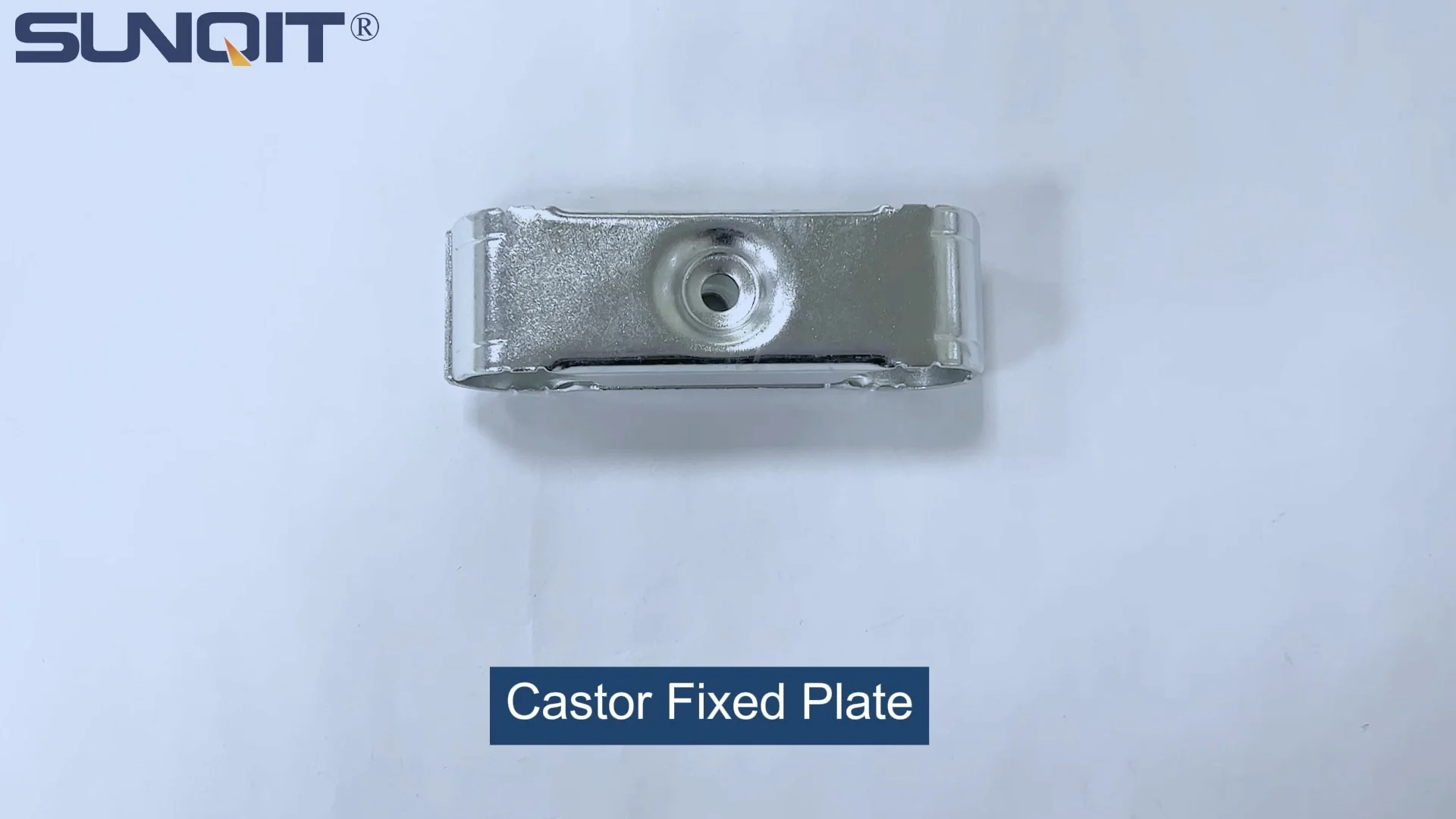
Castor Fixed Plate
Castor fixed plate, used for castor installation, one castor need two pcs castor plate to fix under the workbench, flow rack, and hand trolley.
Walk into any busy warehouse, and you'll see them: carts gliding down aisles, loaded with parts, boxes, or tools, keeping operations moving like the blood in a body. From turnover trolley and rack units shuttling inventory to workbench setups where assembly happens, these carts rely on one tiny but critical component to stay steady: the castor fixed plate. It's the unsung hero that bolts the caster wheel to the cart frame, ensuring every push, turn, and stop happens smoothly. But what happens when that plate starts to loosen? Suddenly, a reliable cart becomes a wobbly hazard—slowing down workflows, risking damage to goods, and even putting workers in harm's way. In this article, we'll dive into why castor fixed plates loosen in the first place, share actionable fixes to get your carts back on track, and explore how small tweaks to maintenance and setup can prevent headaches down the line. Whether you're a warehouse manager, a floor supervisor, or someone who just wants to keep things running right, let's tackle this common problem together.
The Hidden Cost of a Loose Castor Fixed Plate
Before we jump into causes and fixes, let's talk about why this matters. A loose castor fixed plate might seem like a minor annoyance—maybe a cart rattles a bit, or it drifts to one side. But in reality, it's a domino effect waiting to happen. First, there's safety: a wobbly cart is harder to control, increasing the risk of collisions with racks, equipment, or even coworkers. If the plate gives way entirely, the caster wheel could detach, causing the cart to tip over and spill its load. Then there's productivity: when a cart breaks down, tasks grind to a halt. Workers waste time tracking down a replacement or trying to jury-rig a fix, and deadlines slip. Over time, these small delays add up—hours lost each week, multiplied by dozens of carts across a facility.
Real-World Impact:
At a mid-sized electronics warehouse in Texas, a team noticed their turnover trolley and rack units were increasingly wobbly. They brushed it off as "normal wear" until one cart's castor plate failed completely during a morning rush. The cart spilled 20 boxes of circuit boards, some of which were damaged. Cleanup took 45 minutes, and the team missed their morning shipping window—costing the company over $2,000 in rushed delivery fees. Worse, an employee strained their back trying to stabilize the cart before it tipped. All because of a loose plate that could've been fixed in 10 minutes.
And let's not forget the wear on the cart itself. A loose plate puts uneven stress on the frame, the caster wheel, and even the floor. Over time, this can bend metal, crack welds, or wear grooves into concrete—leading to costlier repairs down the line. So, fixing a loose castor plate isn't just about convenience; it's about protecting your team, your inventory, and your bottom line.
Why Do Castor Fixed Plates Loosen? 5 Common Causes
Castor fixed plates don't loosen on their own—they're victims of a perfect storm of movement, stress, and sometimes human error. Let's break down the most likely culprits:
1. Vibration and Constant Movement: The "Shake Loose" Effect
Warehouses are noisy, busy places, and carts take a beating. Every time a cart rolls over a crack in the floor, hits a transition between concrete and metal grating, or even just starts and stops suddenly, it vibrates. These vibrations aren't gentle—they're tiny, repeated shocks that rattle the bolts holding the castor fixed plate in place. Over days and weeks, that constant shaking can slowly loosen even the tightest bolts. Think of it like a jar of nuts and bolts in a car—drive over enough potholes, and the lid will eventually come unscrewed.
Uneven floors make this worse. If your warehouse has warped concrete, raised seams, or even just high-traffic areas worn down into slight slopes, carts have to work harder to stay straight. The caster wheel twists and turns to compensate, putting extra stress on the plate and its bolts. Over time, that stress turns into movement, and movement turns into looseness.
2. Improper Installation: Cutting Corners During Setup
Many loose plates trace back to day one: installation. Even the best caster and accessories won't hold up if they're put together wrong. Common mistakes include:
- Under-tightening bolts: Using a regular wrench instead of a torque wrench, or stopping when the bolt "feels tight" instead of following the manufacturer's specs. Bolts need precise tension to stay put—too loose, and they vibrate free; too tight, and they can strip or snap.
- Mismatched parts: Using caster accessories that don't fit—like a bolt that's too short, or a washer with the wrong diameter. If the bolt doesn't fully engage with the nut, or the washer doesn't distribute pressure evenly, the plate will shift.
- Skipping locking mechanisms: Forgetting to add lock washers, thread locker, or nylon-insert nuts (which grip threads to prevent loosening). These small caster accessories are easy to overlook, but they're critical for long-term stability.
Pro Tip:
Always check the manufacturer's instructions for your cart or caster. A ¼-inch bolt might need 15 ft-lbs of torque, while a ⅜-inch could require 30 ft-lbs. Using the right tools and caster accessories during installation saves hours of fixes later.
3. Overloading: Pushing Carts Past Their Limits
We've all done it: loaded a cart "just a little extra" to avoid making two trips. But carts (and their castor fixed plates) are designed for specific weight limits. Exceeding that limit puts enormous stress on every component—including the plate. When a cart is overloaded, the caster wheel bears more weight than it should, bending the plate slightly with every push. Over time, that bend stretches the bolt holes, making it impossible for bolts to stay tight. The plate starts to rock, and the bolts loosen as the metal flexes.
It's not just total weight, either. Uneven loading is just as bad. Stacking all the heavy boxes on one side of a turnover trolley and rack unit forces one caster to take most of the load. That caster's plate will loosen long before the others, creating a lopsided, unstable cart.
4. Wear and Tear: Age and Neglect Catching Up
Even well-installed, properly loaded carts wear out. Metal fatigues, bolts corrode, and parts degrade over time. Common wear-related issues include:
- Rusty bolts: In humid warehouses or those near water (like food processing facilities), bolts can develop rust. Rust weakens the threads, making it easier for bolts to slip loose. It also makes bolts harder to tighten later—if they're corroded enough, they might even snap when you try to fix them.
- Damaged threads: Repeated tightening and loosening (during maintenance or part swaps) can wear down the threads on bolts or in the cart frame. Smooth, worn threads can't grip as well, so bolts vibrate loose faster.
- Worn caster accessories: Washers get flattened, lock nuts lose their grip, and even the castor wheel itself can wear unevenly. A wobbly wheel puts extra stress on the plate, creating a cycle of looseness.
5. Environmental Factors: Moisture, Temperature, and Chemicals
Your warehouse's environment plays a bigger role than you might think. Extreme temperatures, for example, cause metal to expand and contract. In a freezer warehouse, the castor fixed plate and bolts shrink when cold, then expand slightly when moved to a warmer area. That cycle of shrinking and expanding can loosen bolts over time. Similarly, humid environments (like those storing produce or chemicals) speed up corrosion, as we mentioned earlier.
Chemicals are another culprit. Oil, grease, or cleaning agents can eat away at thread locker or lubricants, making bolts more likely to slip. Even something as simple as pressure washing a cart (to clean up spills) can blast away protective coatings on bolts, leaving them vulnerable to rust and loosening.

Quick Fixes: How to Tighten or Repair a Loose Castor Fixed Plate
Okay, so you've noticed a loose plate—now what? Don't panic. In most cases, you can fix it in 15–30 minutes with basic tools and a little know-how. Here's how:
| Cause of Looseness | Common Symptoms | Quick Fix | Tools Needed |
|---|---|---|---|
| Vibration/Shaking | Plate shifts slightly; bolts feel loose but not stripped | Tighten bolts to spec; add thread locker | Torque wrench, thread locker (blue), wire brush |
| Improper Installation | Bolts back out easily; washers missing or bent | replace with correct caster accessories; use lock washers | Socket set, new bolts/washers, torque wrench |
| Overloading/Wear | Plate is bent; bolt holes stretched | Straighten plate (if possible); reinforce with extra washers | Vise, hammer, large washers, torque wrench |
| Rust/Corrosion | Bolts are stuck or rusted; threads damaged | replace rusted bolts; apply anti-corrosion spray | Pliers, penetrating oil, new bolts, wire brush |
Step 1: Secure the Cart and Inspect the Damage
First, get the cart somewhere stable—preferably a workbench or level floor. Chock the wheels (or remove the caster wheel entirely if it's loose) to prevent rolling. Then, take a close look at the plate: Is it bent? Are the bolt holes stretched or cracked? Are the bolts rusted, stripped, or missing? This will tell you if you need to tighten, replace, or reinforce.
If the plate is bent more than 10 degrees, or if the bolt holes are elongated (you can wiggle the bolt inside), you'll need to replace the plate. For minor issues (loose bolts, light rust), tightening or replacing bolts should work.
Step 2: Tighten Loose Bolts (and Keep Them Tight)
For bolts that are just loose (no rust or stripping), start by cleaning the threads. Use a wire brush to scrub away dirt, rust, or debris—this ensures the bolt can grip properly. Then, tighten the bolts with a torque wrench to the manufacturer's recommended setting (check the cart or caster manual). Avoid using a regular wrench here—"feeling" tight isn't enough. Too loose, and they'll vibrate out; too tight, and you'll strip the threads.
To prevent future loosening, add a drop of blue thread locker to the bolt threads before tightening. Blue thread locker is removable (unlike red, which is permanent), making it easy to adjust later. Let it dry for 10–15 minutes before moving the cart.
Step 3: replace Worn or Mismatched Parts
If bolts are stripped, rusted solid, or the wrong size, replace them. Start by removing the old bolts—if they're stuck, spray with penetrating oil and let it sit for 10 minutes. Use pliers or a bolt extractor if needed (be careful not to damage the plate or cart frame).
When buying replacements, stick to the manufacturer's specs. Match the bolt size, length, and thread type exactly. And don't skip the caster accessories: add a lock washer (the kind with teeth that bite into the plate) and a regular washer to distribute pressure. For extra security, use a nylon-insert lock nut—it has a plastic ring inside that grips the bolt threads, preventing back-out.
Pro Move:
Keep a "caster repair kit" on hand with common bolts, washers, lock nuts, and thread locker. It saves trips to the hardware store and ensures you always have the right caster accessories when you need them.
Step 4: Reinforce Bent or Weak Plates
If the plate is slightly bent but not cracked, you can try straightening it. Clamp the plate in a vise (or use a workbench to hold it steady) and gently tap it with a hammer until it's flat. Be careful not to bend it too far—aluminum or thin steel plates can crack if overworked.
For stretched bolt holes, add extra washers to take up space. Stack two or three washers under the bolt head to reduce movement. If the holes are really bad, you can drill them out slightly and use a larger bolt (check with the manufacturer first to ensure the plate can handle the bigger bolt).
Step 5: Temporary Fixes (for Emergencies Only)
Sometimes, you can't stop operations for a full repair. In a pinch, use these temporary fixes to get through the shift—then schedule a proper repair later:
- Double-nut the bolts: Screw two nuts onto the bolt, then tighten them against each other. The friction between the nuts will help hold them in place.
- Use zip ties: Loop heavy-duty zip ties around the plate and cart frame to prevent shifting (this is a last resort—only for light loads).
- Shim with cardboard: Tuck a small piece of cardboard between the plate and frame to take up slack (again, only for very light use).
Remember: Temporary fixes aren't permanent. They'll buy you time, but you still need to do a proper repair to avoid bigger issues.

Preventing Loose Plates: Maintenance Tips for Long-Term Stability
Fixing a loose plate is important, but preventing it from happening in the first place is even better. With a little regular maintenance, you can keep your castor fixed plates tight and your carts rolling smoothly for years. Here's how:
1. Inspect Carts Weekly (Yes, Weekly)
Set a regular schedule—every Monday morning, or during your slowest shift—to check carts. Focus on the castor fixed plates and caster wheel: wiggle the wheel to see if the plate moves, check bolts for looseness, and look for rust or bending. Catching a slightly loose bolt early takes 2 minutes to fix; waiting until it's stripped takes 20 minutes (plus parts).
Make it a team effort: Train workers to report wobbly carts immediately. Offer a small incentive (like a gift card) for the first person to spot a loose plate each week—gamifying safety keeps everyone engaged.
2. Clean and Lubricate Regularly
Dirt, grease, and moisture are the enemies of tight bolts. Every month, wipe down castor plates and bolts with a rag to remove grime. For carts in dirty or humid areas, use a wire brush to scrub away rust, then apply a thin coat of anti-corrosion spray (like WD-40 Specialist Long-Term Corrosion Inhibitor). This keeps threads smooth and prevents rust from weakening bolts.
Don't forget the caster wheel itself: Lubricate the wheel bearings every 3 months to reduce friction. A well-lubricated wheel spins freely, putting less stress on the plate and bolts.
3. Train Teams on Proper Loading and Use
Overloading is often accidental—workers might not realize how much weight a cart can handle. Post weight limits clearly on each cart (use stickers or tags), and train new hires on how to load evenly. For example, on a turnover trolley and rack, distribute heavy items across all shelves, not just the bottom. Remind teams: "If it feels heavy, make two trips—it's faster than fixing a broken cart."
Also, teach proper pushing technique: Push from the handle, not the side, to keep the cart straight. Twisting or yanking the cart puts extra stress on the castor plate and caster wheel.
4. Invest in Quality Caster and Accessories
You get what you pay for when it comes to caster and accessories. Cheap bolts strip easily, flimsy plates bend under stress, and low-quality caster wheel bearings wear out fast. Spend a little more upfront on heavy-duty plates, grade 8 bolts (stronger than standard grade 5), and sealed bearings (to keep dirt out). It might cost $10 more per cart, but it'll save you $100 in repairs later.
When buying new carts, ask about the castor fixed plate material: steel is stronger than aluminum for heavy loads, while aluminum is lighter for lighter use. Match the plate to your needs—don't skimp on strength for warehouse workhorses.
5. Upgrade Problem Areas
If certain carts always have loose plates—like those used on rough floors or for heavy loads—consider upgrades. For example:
- Add shock-absorbing casters: These have springs that reduce vibration, easing stress on plates and bolts.
- Reinforce plates with brackets: Bolt a metal bracket across the plate and cart frame for extra support.
- Switch to stainless steel bolts: In humid or wet areas, stainless steel resists rust better than regular steel.

Final Thoughts: Tight Plates, Smooth Operations
A loose castor fixed plate might seem like a small problem, but in the world of warehousing, small problems become big headaches fast. From safety risks to lost productivity, the cost of ignoring it is too high. But with the right knowledge—understanding why plates loosen, how to fix them quickly, and how to prevent issues with regular maintenance—you can keep your carts rolling and your team thriving.
Remember: Every time you tighten a bolt, replace a worn washer, or train a worker on proper loading, you're not just fixing a cart—you're building a more efficient, safer warehouse. And in the end, that's what keeps the whole operation moving forward.
So grab your torque wrench, check those plates, and keep those carts steady. Your future self (and your bottom line) will thank you.