- Company Articles
- Products and Technology
- Product knowledge
- Why Choose 1.0mm Stainless Steel Pipe for Lean Manufacturing Systems?

Why Choose 1.0mm Stainless Steel Pipe for Lean Manufacturing Systems?
Related Product
1.0mm Stainless Steel Pipe
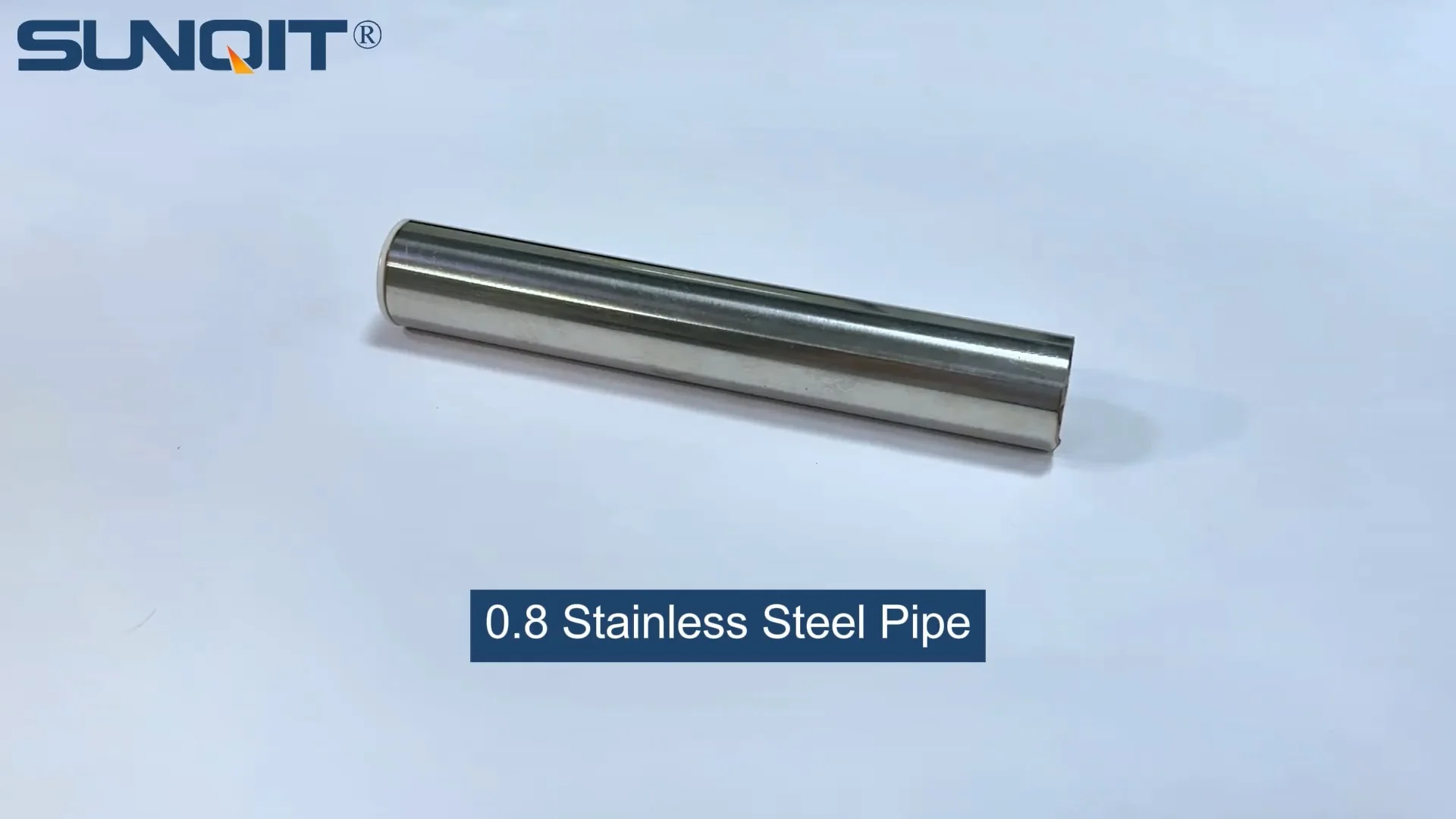
Stainless steel pipe, lean pipe, diameter is 28mm, material is SS201 or SS304, SS201 is normally used in the market. It knows a KARAKURI, KAIZEN material for industrial plant to improve efficiency, save labor cost, standard management.
The Heartbeat of Lean: Efficiency Starts with the Right Tools
Lean manufacturing isn't just a buzzword—it's a philosophy that transforms how teams work, turning chaos into clarity, waste into value, and stagnation into adaptability. At its core, lean is about stripping away the unnecessary so what matters most—your team's time, your products' quality, and your operation's bottom line—can thrive. But here's the thing: even the best lean strategies falter if the tools supporting them aren't up to the task. That's where the humble pipe comes in. Not just any pipe, though. Today, we're diving into why 1.0mm stainless steel pipe has become the unsung hero of lean systems worldwide, and why it might just be the missing piece in your workflow puzzle.
Walk into any high-performing factory, warehouse, or assembly plant, and you'll notice a pattern: the spaces feel intentional. Workbenches are positioned for minimal movement, flow racks glide materials to where they're needed, and conveyors hum with purpose. These aren't accidents—they're the result of thoughtful design, and at the center of that design? Often, it's a network of pipes, joints, and accessories that form the backbone of material handling. But not all pipes are created equal. When lean managers talk about "the right pipe," 1.0mm stainless steel is increasingly the name that comes up. Let's unpack why.
Stainless Steel Pipe Series: More Than Just Metal
Before we zoom in on the 1.0mm thickness, let's talk about the material itself: stainless steel. In the world of lean, where durability and reliability are non-negotiable, stainless steel stands out for a few key reasons. First, it's tough. Unlike some coated pipes that chip or aluminum that dents, stainless steel laughs off daily wear—scratches, bumps from forklifts, even the occasional dropped tool. Second, it's resistant to corrosion. Whether your facility deals with moisture, chemicals, or just high humidity, stainless steel holds its own, avoiding the rust that can weaken structures over time. And third, it's hygienic. For industries like food processing, pharmaceuticals, or electronics (where ESD workstations are critical), stainless steel's smooth, non-porous surface is easy to clean and won't harbor bacteria or contaminants. That's why the stainless steel pipe series has become a staple for lean systems demanding both performance and peace of mind.
But within the stainless steel pipe series, thickness matters—a lot. Too thin, and you sacrifice strength; too thick, and you add unnecessary weight and cost. That's where 1.0mm hits the sweet spot. Let's break down why this specific thickness has become the go-to for lean managers and facility engineers.

Why 1.0mm? The Goldilocks Thickness for Lean Systems
Imagine building a bookshelf: if the wood is too thin, it bends under the weight of books; too thick, and it's heavy, hard to move, and overpriced. 1.0mm stainless steel pipe is the "just right" version of that analogy for lean systems. Let's start with strength. A 1.0mm wall thickness gives the pipe enough rigidity to support heavy loads—think stacked materials on a flow rack, tools on a workbench, or even a fully loaded turnover trolley—without flexing or warping. This isn't guesswork: industry tests show 1.0mm stainless steel pipe can handle up to 200 lbs per linear foot when properly supported, which is more than enough for most lean applications.
Then there's weight. At 1.0mm, the pipe is sturdy but not cumbersome. This matters because lean systems thrive on flexibility. Teams often reconfigure workstations, rearrange flow racks, or repurpose conveyors to adapt to new products or production schedules. A pipe that's too thick (say, 1.5mm) adds extra pounds, making it harder for your team to adjust layouts quickly—defeating the "agile" spirit of lean. 1.0mm strikes that balance: strong enough to stay put when needed, light enough to move when it's time for a change.
Cost is another factor. Thicker pipes cost more upfront, and over time, those extra dollars add up—especially if you're outfitting an entire facility. 1.0mm stainless steel pipe gives you 90% of the strength of a 1.2mm pipe at a fraction of the cost. Plus, because it's lighter, shipping and installation costs drop too. For lean operations focused on reducing waste (including financial waste), this is a no-brainer.

How Does It Compare? A Look at the Alternatives
To really appreciate 1.0mm stainless steel pipe, it helps to see how it stacks up against common alternatives. Let's compare it to two popular options: aluminum lean pipe and 1.2mm PE-coated lean pipe.
| Feature | 1.0mm Stainless Steel Pipe | Aluminum Lean Pipe (1.0mm) | 1.2mm PE-Coated Lean Pipe |
|---|---|---|---|
| Durability (1-5 scale) | 5 – Resists dents, scratches, and corrosion | 3 – Prone to dents; less impact-resistant | 4 – PE coating chips over time; steel core rusts if exposed |
| Weight (lbs per linear foot) | 1.8 lbs | 0.9 lbs (lighter but less strong) | 2.1 lbs (heavier due to coating) |
| Corrosion Resistance | Excellent – Ideal for humid/damp environments | Good – But reacts to certain chemicals | Poor – Coating failure leads to rust |
| Cost (per linear foot, avg.) | $3.50 – $4.50 | $5.00 – $6.00 (higher material cost) | $2.80 – $3.20 (cheaper upfront, but shorter lifespan) |
| Lean Pipe Joint Compatibility | Excellent – Works with all standard joints | Good – Requires specialized aluminum joints | Good – But coating can wear at joint connections |
| Best For | Heavy loads, high-traffic areas, clean environments | Light loads, temporary setups, aesthetic-focused areas | Budget-sensitive, low-wear applications |
What jumps out here? 1.0mm stainless steel pipe isn't the cheapest upfront, but it's the most cost-effective over time. Aluminum might be lighter, but it dents easily and requires pricier specialized joints. PE-coated pipes save money initially, but their coating chips, exposing the steel core to rust—meaning you'll replace them sooner. For lean systems that need to last, adapt, and perform, 1.0mm stainless steel is the clear long-term winner.
Real-World Benefits: How 1.0mm Stainless Steel Supports Lean Principles
Lean manufacturing is built on five core principles: value, value stream, flow, pull, and perfection. Let's see how 1.0mm stainless steel pipe aligns with each, turning abstract ideas into tangible results for your team.
1. Value: Reducing Waste, Maximizing ROI
Value, in lean terms, is what your customer is willing to pay for—and everything else is waste. 1.0mm stainless steel pipe reduces waste in two big ways: first, by lasting longer. A well-maintained stainless steel system can stay in use for 10+ years, while PE-coated pipes might need replacement every 3–5 years. That means fewer orders, less downtime for installation, and lower long-term costs. Second, its strength means you can use fewer support structures (like extra brackets or joints), simplifying your setup and cutting material waste.
2. Flow: Keeping Materials Moving Smoothly
Lean thrives when materials flow seamlessly from one step to the next—no bottlenecks, no delays. 1.0mm stainless steel pipe is a key part of that flow, especially when paired with roller track and accessories. For example, a flow rack built with 1.0mm pipes and stainless steel swivel roller balls (1 inch) ensures materials glide down to pickers without getting stuck, even with heavy loads. The pipe's rigidity prevents sagging, which can slow or stop movement, keeping your production line humming.
3. Pull: Adapting to Demand, Not Overstocking
"Pull" systems mean producing only what's needed, when it's needed—avoiding overstock and storage waste. 1.0mm stainless steel pipe supports this by making it easy to adjust storage and workflow layouts. Need to shrink a material rack to make space for a new product? The pipe's compatibility with lean pipe joints (like 90° fixed joints or parallel rotatory joints) lets your team disassemble and rebuild in hours, not days. No more being stuck with rigid, one-use structures that can't keep up with changing demand.
4. Perfection: Continuous Improvement, One Pipe at a Time
Lean is never "done"—it's about constant small improvements. 1.0mm stainless steel pipe grows with your improvement efforts. Maybe you start with a simple workbench, then add a conveyor, then expand to a full turnover trolley and rack system. Because the pipe and its accessories (casters, joints, guide rails) are standardized, you can reuse components from old setups in new ones, avoiding the waste of starting from scratch. It's a system that evolves with your team's ingenuity.
Real-World Applications: Where 1.0mm Stainless Steel Shines
Enough theory—let's talk about how 1.0mm stainless steel pipe works in the trenches. Here are three common scenarios where it makes a measurable difference for lean teams.
ESD Workstations: Protecting Sensitive Electronics
Electrostatic discharge (ESD) can ruin sensitive components like circuit boards or microchips, costing manufacturers thousands in scrap. ESD workstations need to be both sturdy and static-safe, and 1.0mm stainless steel pipe delivers on both. Its non-conductive properties (when paired with ESD mats) prevent static buildup, while its strength supports heavy tools and equipment without wobbling. Plus, stainless steel's smooth surface is easy to clean with anti-static solutions, ensuring your ESD workstation stays compliant and reliable.
Heavy-Duty Flow Racks for Automotive Manufacturing
Automotive plants deal with bulky, heavy parts—think engine components or metal brackets. A flow rack built with thinner pipes might bow under the weight, causing parts to jam or even fall. 1.0mm stainless steel pipe, though, handles these loads with ease. One automotive supplier in Michigan recently switched to 1.0mm stainless steel flow racks and reported a 40% reduction in downtime from stuck parts, plus a 25% drop in worker injuries from struggling with jammed materials. "It's like night and day," their facility manager noted. "The racks just don't give way, no matter how much we load them."
Cleanroom Environments: Pharma and Food Processing
In pharma or food production, cleanliness isn't optional—it's regulated. 1.0mm stainless steel pipe is a favorite here because it resists bacteria growth and is compatible with strict sanitization protocols. Unlike aluminum, which can react with certain cleaning chemicals, or coated pipes that trap grime in scratches, stainless steel wipes clean with simple soap and water (or harsher disinfectants when needed). A food packaging plant in California replaced their aluminum workbenches with stainless steel ones and passed their next FDA inspection with zero notes—something their old setup never achieved.
Choosing the Right Lean Pipe Supplier: Your Partner in Lean Success
Even the best pipe won't perform if it's sourced from a unreliable supplier. A good lean pipe supplier isn't just someone who ships you metal—they're a partner who understands your lean goals and helps you achieve them. So what should you look for when picking a supplier for your 1.0mm stainless steel pipe?
First, quality control. Ask if their pipes meet industry standards (like ASTM for stainless steel) and if they test for consistency in thickness and strength. A reputable supplier will happily share certificates or test reports. Second, range of accessories. Your pipe is only as good as the joints, casters, and roller track that go with it. Look for a supplier who stocks everything from basic lean pipe joints to specialized parts like plastic roller track guide rails (grey or yellow) and caster accessories. This saves you from juggling multiple vendors and ensures compatibility.
Third, technical support. Maybe you're designing a custom flow rack and need help calculating load limits, or you're unsure which roller track connector to use. A good supplier will have engineers or product specialists on hand to answer questions and offer guidance. Finally, flexibility. Can they cut pipes to custom lengths? Do they offer bulk discounts for large orders? The best suppliers adapt to your needs, not the other way around.
Maintenance: Keeping Your Stainless Steel System Strong for Years
One of the best things about 1.0mm stainless steel pipe is how little maintenance it needs—but that doesn't mean none. A little care goes a long way in extending its lifespan. Here are simple tips to keep your system in top shape:
- Clean regularly: Wipe down pipes with a soft cloth and mild detergent to remove dust, grease, or spills. For tougher grime, use a non-abrasive sponge—avoid steel wool, which can scratch the surface.
- Inspect joints: Check lean pipe joints quarterly for tightness. Over time, vibrations from heavy use can loosen connections, so a quick tighten with a wrench keeps everything secure.
- Address scratches promptly: While stainless steel is scratch-resistant, deep scratches can trap dirt. For minor scratches, use a stainless steel polish to buff them out; for deeper ones, consult your supplier about touch-up options.
- Avoid harsh chemicals: Stick to pH-neutral cleaners. Acids (like vinegar) or bleach can damage the pipe's protective layer over time.
Follow these steps, and your 1.0mm stainless steel system will outlast most other material handling setups—saving you time, money, and headaches down the line.
Final Thoughts: Why 1.0mm Stainless Steel Pipe is a Lean Game-Changer
Lean manufacturing is about making smart choices—choices that turn waste into value, chaos into order, and stagnation into growth. 1.0mm stainless steel pipe is one of those smart choices. It's strong enough to handle your heaviest loads, light enough to keep your team agile, durable enough to last for years, and cost-effective enough to keep your budget happy. Whether you're building ESD workstations, flow racks, conveyors, or turnover trolleys, this pipe doesn't just support your lean system—it elevates it.
So, if you're ready to stop band-aiding weak, short-lived material handling systems and start investing in something that grows with your lean journey, 1.0mm stainless steel pipe is the way to go. Pair it with a reliable lean pipe supplier, and you're not just buying pipes—you're building a foundation for efficiency, adaptability, and success.
After all, in lean manufacturing, the best systems aren't just built—they're built to last. And 1.0mm stainless steel pipe? It's built to last.