- Company Articles
- Products and Technology
- Product knowledge
- Why Choose Aluminum Honeycomb Panels for Modular Lean Workstations?

Why Choose Aluminum Honeycomb Panels for Modular Lean Workstations?
Related Product
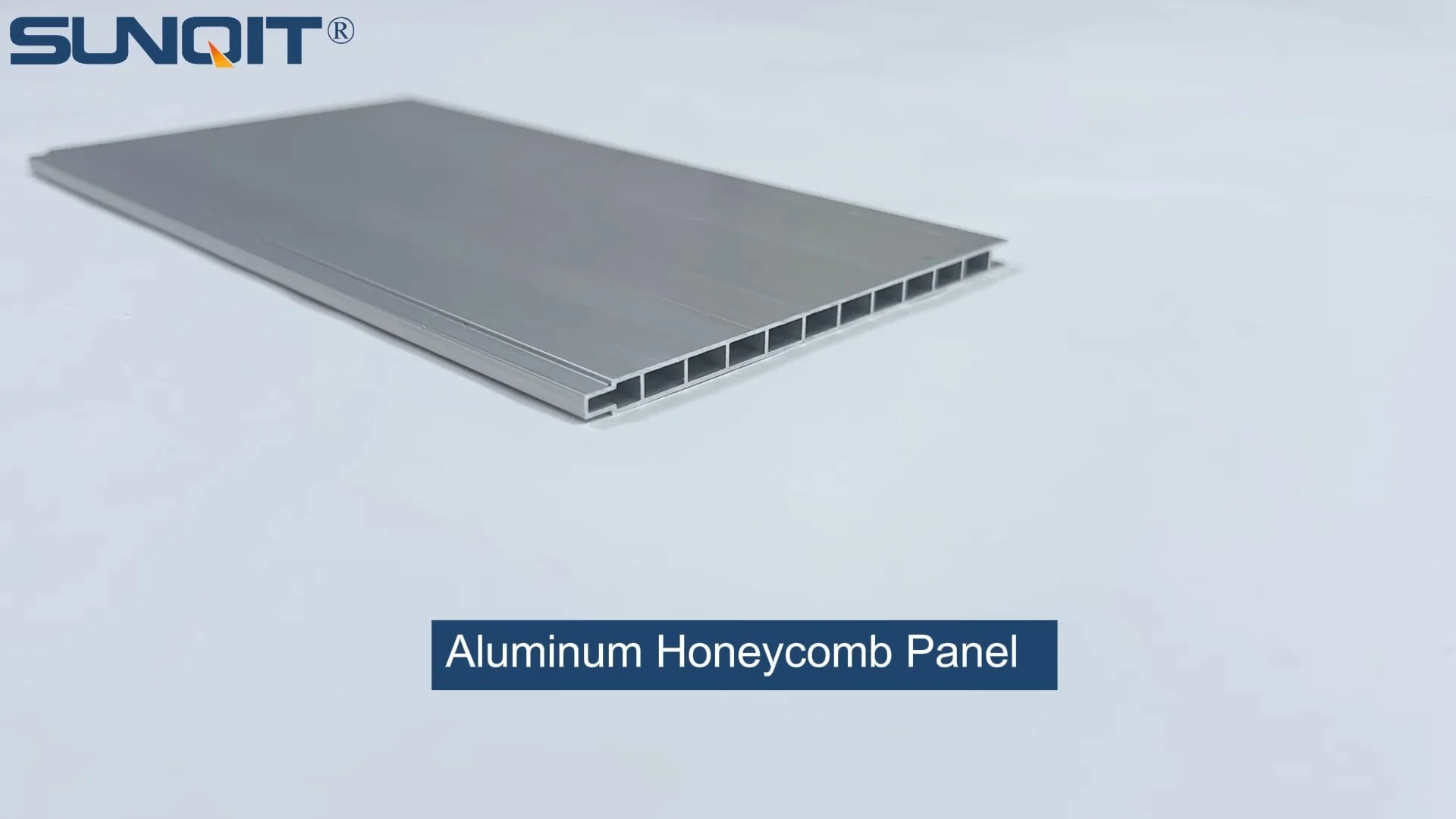
Aluminum Honeycomb Panel
Aluminum honeycomb panel used as table top, side wall, it is connected one pcs by one pcs from the side slot to make a full pieces.This panel width 105mm, 55mm, 35mm are optional for slection.
Walk into any modern manufacturing facility, and you'll notice the rhythm of production hinges on one often-overlooked element: the workstation. It's more than just a table or a surface—it's the command center where ideas turn into products, where teams collaborate, and where efficiency either thrives or stalls. In today's fast-paced, lean-driven industries, the right workstation isn't a luxury; it's a strategic tool. And when it comes to building workstations that align with lean system principles—flexibility, durability, and waste reduction—one material stands out: aluminum honeycomb panels. But why? Let's dive into the world of modular lean workstations and explore how these innovative panels are reshaping the way we think about workspace design.
The Heart of Lean Manufacturing: Workstations That Work With You
Lean manufacturing isn't just a buzzword—it's a philosophy centered on eliminating waste, streamlining processes, and creating value for customers. At its core, lean relies on tools and environments that adapt to changing needs, reduce unnecessary movement, and keep teams focused on what matters. A workstation, in this context, must be more than static; it needs to be modular, lightweight, and built to withstand the demands of daily use. Traditional workbenches, often made of solid wood, steel, or generic plastic, fall short here. They're heavy, hard to reconfigure, and prone to wear and tear—exactly the kind of waste lean aims to eliminate.
This is where modular systems step in. By combining interchangeable components like aluminum profile frames and customizable work surfaces, manufacturers can build workstations that grow, shrink, or reorient with their needs. But the surface itself—the part that takes the brunt of tools, materials, and constant use—needs special attention. It must be strong enough to support heavy loads, light enough to move when processes change, and durable enough to last for years. Enter aluminum honeycomb panels: a material that seems almost engineered for the demands of lean.
What Are Aluminum Honeycomb Panels, Anyway?
Picture a beehive: thousands of hexagonal cells working together to create a structure that's both lightweight and incredibly strong. Aluminum honeycomb panels borrow this genius design. They consist of a core of hexagonal aluminum cells (the "honeycomb") sandwiched between two thin, rigid aluminum sheets (the "skins"). The result? A panel that's up to 80% lighter than solid aluminum but just as strong—if not stronger—in terms of impact resistance and load-bearing capacity.
But it's not just the structure that makes these panels special. The aluminum skins can be treated with coatings to enhance properties like corrosion resistance, static dissipation (critical for electronics manufacturing), or even antimicrobial protection for cleanroom environments. The core, often made from recycled aluminum, adds an eco-friendly edge—another win for companies prioritizing sustainability in their lean practices.

5 Key Benefits of Aluminum Honeycomb Panels for Lean Workstations
To understand why aluminum honeycomb panels are becoming the go-to choice for modular workbench surfaces, let's break down their most impactful advantages:
1. Strength Without the Weight: A Game-Changer for Modularity
One of the biggest frustrations with traditional workbenches is their weight. A solid steel workbench might be strong, but moving it requires heavy machinery or multiple people—hardly ideal when your lean system calls for reconfiguring the production line overnight. Aluminum honeycomb panels solve this paradox. Thanks to their honeycomb core, they offer a strength-to-weight ratio that's unmatched by other materials. A typical 1200x800mm honeycomb panel weighs just 15-20kg, compared to 40-50kg for a solid steel panel of the same size. This lightness makes reconfiguration a breeze: a single worker can adjust the workstation layout, reducing downtime and labor costs.
But don't let the lightness fool you. These panels are tough. The hexagonal core distributes weight evenly across the surface, meaning they can support loads of up to 500kg/m²—more than enough for tools, assembly parts, or even small machinery. In fact, industries like automotive and aerospace have relied on honeycomb structures for decades for their ability to withstand extreme stress, from engine components to aircraft interiors. If it's strong enough for a jet, it's more than strong enough for your workstation.
2. Durability That Stands the Test of Time (and Scratches)
In a busy production environment, work surfaces take a beating. Screwdrivers slip, parts drop, chemicals spill, and tools scrape. A cheap workbench might start showing dents and scratches within weeks, leading to frequent replacements—a classic example of "waste" in lean terms. Aluminum honeycomb panels, however, are built to last. The outer aluminum skins are hard-wearing and resistant to corrosion, while the core's rigidity prevents bending or warping, even under constant use.
Many manufacturers take durability a step further by adding protective coatings. Anodized finishes, for instance, create a hard, non-porous layer that resists scratches and stains, making cleanup as simple as wiping with a damp cloth. For environments where chemicals are common (like electronics or medical device assembly), panels can be treated with chemical-resistant coatings, ensuring they stay looking and performing like new for years. This longevity reduces the need for replacements, cutting down on both costs and environmental impact—two pillars of lean thinking.
3. ESD Protection: Safe for Sensitive Electronics
Static electricity is the silent enemy of electronics manufacturing. A single static discharge can damage microchips, circuit boards, or other sensitive components, leading to costly defects and rework. Lean systems can't afford such waste, which is why ESD (electrostatic discharge) protection is non-negotiable for many workstations. Aluminum honeycomb panels excel here, too.
By integrating conductive materials into the honeycomb core or applying ESD-safe coatings to the aluminum skins, these panels can dissipate static charges harmlessly into the ground. This ensures that even in high-precision environments—like smartphone assembly or semiconductor production—components remain protected. Unlike temporary fixes like anti-static mats (which wear out and need replacement), ESD properties in honeycomb panels are built-in, offering long-term reliability. For manufacturers, this means fewer defects, happier customers, and a workstation that truly supports lean quality control.
4. Customization: Built for Your Workflow
Lean isn't one-size-fits-all, and neither should your workstation. Every team has unique needs: some require extra storage, others need integrated tool rails, and some need work surfaces cut to specific dimensions to fit into tight production lines. Aluminum honeycomb panels thrive on customization. They can be cut to any size or shape—from small benchtops to large assembly tables—without compromising strength. Need a cutout for a monitor arm? A notch for a power strip? No problem. The panels are easy to machine, allowing for precise holes, grooves, or edges that match your exact requirements.
But customization doesn't stop at size. The aluminum skins can be finished in a range of colors to match your facility's aesthetic or color-coded for different work zones (e.g., red for quality control, blue for assembly). For teams that need visual cues to reduce errors, this is a small detail with a big impact. And when paired with modular aluminum extrusion profile frames—another staple of lean systems—you get a workstation that can be outfitted with shelves, bins, lighting, or tool holders, all while keeping the overall weight low and the flexibility high.
5. Sustainability: Lean for the Planet, Too
Lean manufacturing isn't just about efficiency—it's about responsibility. Reducing waste includes minimizing your environmental footprint, and aluminum honeycomb panels align with this goal beautifully. Aluminum is one of the most recyclable materials on the planet, with nearly 75% of all aluminum ever produced still in use today. Honeycomb panels, which use minimal material thanks to their cellular structure, further reduce resource consumption. Even better, many manufacturers source their aluminum from recycled content, turning old soda cans and car parts into high-performance work surfaces.
Beyond the material itself, the longevity of honeycomb panels means fewer replacements, which translates to less waste in landfills. And because they're lightweight, shipping them requires less fuel than heavy steel or wood panels—another win for carbon footprint reduction. For companies looking to align their lean practices with sustainability goals, aluminum honeycomb panels offer a clear path forward.

How Aluminum Honeycomb Panels Fit Into Modular Lean Systems
A workstation is only as good as its components, and aluminum honeycomb panels shine when paired with modular systems. Let's take a closer look at how they integrate with other key elements, like aluminum profiles and lean pipe structures, to create a truly cohesive workspace.
Aluminum extrusion profiles—those T-slot frames you've probably seen in modern factories—are the backbone of modular workstations. They're lightweight, strong, and designed to connect with a variety of accessories, from shelves to casters. When you top an aluminum profile frame with a honeycomb panel, you get a workstation that's both rigid and flexible. The panel attaches securely to the frame using brackets or screws (no need for heavy adhesives), making it easy to remove, replace, or reposition as needs change. This modularity is key for lean systems, where processes evolve and workstations must adapt quickly.
Compare this to a traditional steel workbench: welding or bolting a solid steel top to a frame makes it nearly impossible to reconfigure. If you need to add a shelf or move the workstation to a new line, you're stuck with a heavy, immovable object. With honeycomb panels and aluminum profiles, though, reconfiguration is as simple as loosening a few bolts and rearranging the components. It's lean in action—eliminating the waste of time, labor, and materials that comes with building new workstations from scratch.
Material Showdown: How Honeycomb Panels Stack Up Against the Rest
Still not convinced? Let's put aluminum honeycomb panels head-to-head with common workstation materials. The table below breaks down key factors like weight, strength, durability, and cost to show why honeycomb panels are the smarter choice for lean systems.
| Material | Weight (per m²) | Load Capacity | Durability | ESD Capable? | Cost (Relative) | Best For |
|---|---|---|---|---|---|---|
| Aluminum Honeycomb Panel | 15-20kg | Up to 500kg/m² | High (scratch, corrosion resistant) | Yes (with coatings) | Moderate | Modular lean workstations, electronics, aerospace |
| Solid Steel | 40-50kg | High (600+ kg/m²) | High (prone to rust without coating) | Yes (with conductive paint) | High | Heavy machinery, industrial welding (non-lean environments) |
| Plywood | 25-30kg | Low (150-200kg/m²) | Low (prone to warping, scratches, moisture damage) | No | Low | Temporary workspaces, low-budget projects |
| Plastic Laminate | 18-22kg | Medium (200-300kg/m²) | Medium (resistant to stains, but prone to chipping) | Sometimes (with additives) | Moderate-Low | Office workbenches, light assembly (not heavy-duty) |
The table tells a clear story: aluminum honeycomb panels offer the best balance of weight, strength, and durability for lean environments. While solid steel might have higher load capacity, its weight makes it impractical for modular systems. Plywood and plastic are cheaper upfront but cost more in the long run due to frequent replacements. Honeycomb panels, on the other hand, deliver long-term value by combining lean-friendly features with a reasonable price tag.
Real-World Applications: Where Honeycomb Panels Make a Difference
Theory is one thing, but real-world results speak louder. Let's look at a few industries where aluminum honeycomb panels are transforming workstations and driving lean success:
Electronics Manufacturing
In a smartphone assembly plant, every second counts. Workers need to access tools, components, and testing equipment quickly, and the workstation must protect sensitive parts from static. A leading electronics manufacturer recently switched from steel workbenches to aluminum honeycomb panels with ESD coatings. The result? Workstations that were 40% lighter, making reconfiguration during line changes 3x faster. Static-related defects dropped by 25%, and the plant reduced its annual workstation replacement costs by over $50,000. It's lean in action—faster processes, fewer defects, lower costs.
Automotive Parts Production
Automotive suppliers deal with heavy parts, greasy tools, and constant movement. A tier-1 auto parts manufacturer was struggling with wood workbenches that warped from oil spills and heavy toolboxes. Switching to honeycomb panels with chemical-resistant coatings solved the problem. The panels stood up to oil, coolant, and daily abuse, and their light weight made it easy to add casters for mobile workstations. Now, teams can roll workbenches directly to the assembly line, reducing the time spent walking to retrieve parts by 20%. It's a small change with a big impact on productivity.
Medical Device Assembly
Cleanliness and precision are non-negotiable in medical device manufacturing. A company producing surgical instruments needed workstations that were easy to sanitize, resistant to harsh cleaning chemicals, and modular enough to adapt to new product lines. Aluminum honeycomb panels with antimicrobial coatings checked all the boxes. The smooth, non-porous surface wiped clean in seconds, and the panels' light weight allowed the team to reconfigure workstations for new instrument models in hours instead of days. The result? A 15% increase in production speed and a spotless safety record.
Why Suppliers Love Aluminum Honeycomb Panels, Too
It's not just manufacturers who benefit—suppliers of lean system components are also turning to honeycomb panels. For suppliers, reliability and customer satisfaction are key. Aluminum honeycomb panels offer consistent quality, easy customization, and compatibility with existing aluminum profile systems, making them a hit with clients. Suppliers can stock a range of panel sizes and finishes, then cut and customize them to order, reducing lead times and keeping inventory lean (pun intended). Plus, the panels' durability means fewer returns or warranty claims, building trust with customers who rely on their workstations to keep production running smoothly.
The Bottom Line: Investing in Lean, Investing in the Future
At the end of the day, a workstation is more than a piece of furniture—it's an investment in your team's productivity, your product's quality, and your company's ability to adapt. Aluminum honeycomb panels offer the rare combination of strength, light weight, durability, and customization that lean systems demand. They eliminate waste, reduce costs, and create workspaces that grow with your business. Whether you're building a new production line or upgrading existing workbenches, choosing honeycomb panels means choosing a leaner, more efficient future.
So, the next time you walk into your facility, take a look at your workstations. Are they holding your team back, or propelling them forward? If it's the former, maybe it's time to consider the beehive-inspired solution that's changing the game for lean manufacturers everywhere. After all, in lean, the smallest details—the ones that make work feel easier, faster, and more reliable—are often the ones that drive the biggest success.