- Company Articles
- Products and Technology
- Product knowledge
- Why Choose Aluminum Saddle Pipe Clamps for Lightweight Pipe Installations?

Why Choose Aluminum Saddle Pipe Clamps for Lightweight Pipe Installations?
Related Product
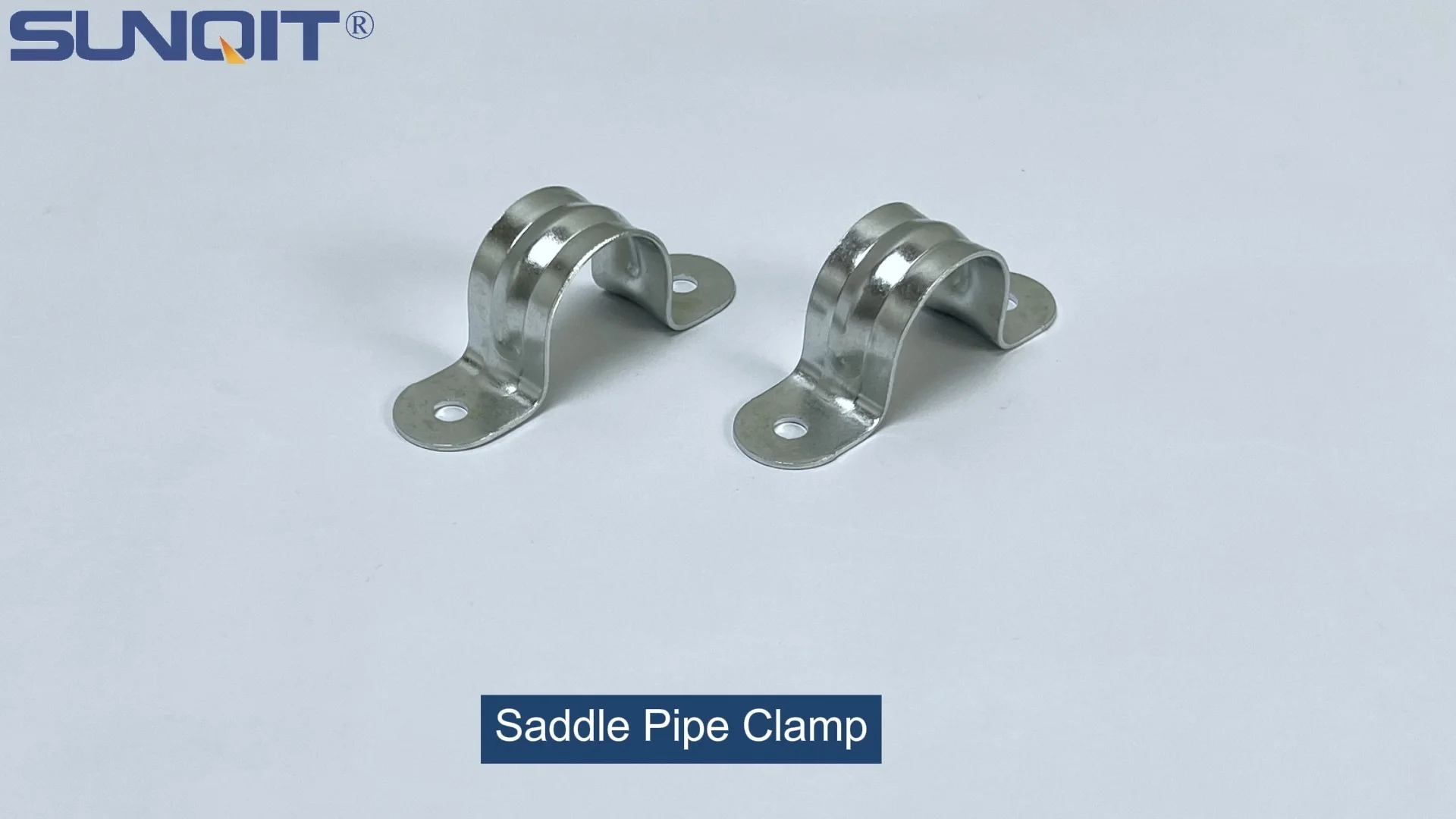
Saddle Pipe Clamp
Saddle pipe clamp, used for board connect with pipe, usually for table top installation.
In the world of industrial and commercial installations, the quest for balance between strength, flexibility, and efficiency is never-ending. Whether you're setting up a manufacturing workbench, a retail display rack, or a warehouse material flow system, the components you choose can make or break the functionality of the entire structure. Among these components, pipe clamps might seem at first glance—but they're the unsung heroes that hold everything together. Today, we're zeroing in on a specific star in this category: aluminum saddle pipe clamps. Why are they becoming the go-to choice for lightweight pipe installations? Let's dive in.
Understanding Lightweight Pipe Installations: More Than Just "Light"
Before we explore the merits of aluminum saddle pipe clamps, let's clarify what "lightweight pipe installations" really entail. These aren't just about using the thinnest or flimsiest materials possible. Instead, they're engineered systems designed to be modular, adaptable, and easy to reconfigure —all while maintaining the structural integrity needed for daily use. Think of the workbenches in a small electronics workshop, the rolling carts in a hospital supply room, or the flow racks in an e-commerce fulfillment center. In these settings, every pound saved translates to easier maneuvering, lower installation costs, and reduced strain on floors and support structures.
The demands here are clear: the installation must be strong enough to hold tools, materials, or products without bending or breaking; lightweight enough to be moved or adjusted by a single person; and durable enough to withstand the wear and tear of daily operations. And perhaps most importantly, it needs to be cost-effective —not just in upfront expenses, but over its entire lifecycle.
Aluminum: The Material Revolution in Modern Installations
To understand why aluminum saddle pipe clamps excel, we first need to appreciate why aluminum itself has become a staple in modern industrial design. For decades, steel was the default for structural components—strong, reliable, but heavy and prone to rust. Plastic emerged as a lightweight alternative but often lacked the tensile strength needed for heavy-duty use. Aluminum, however, strikes a rare balance: it's about one-third the weight of steel, naturally corrosion-resistant, and boasts an impressive strength-to-weight ratio that makes it ideal for load-bearing applications without the bulk.
This is where aluminum lean pipe comes into play. A key player in lean manufacturing and modular setups, aluminum lean pipe combines the lightweight nature of aluminum with the versatility of a pipe-based system. It's used to build everything from workstations to material racks, and it's designed to be easily cut, connected, and reconfigured. But even the best pipe is only as good as the clamps that hold it together—and that's where aluminum saddle pipe clamps shine.
What Are Aluminum Saddle Pipe Clamps, Exactly?
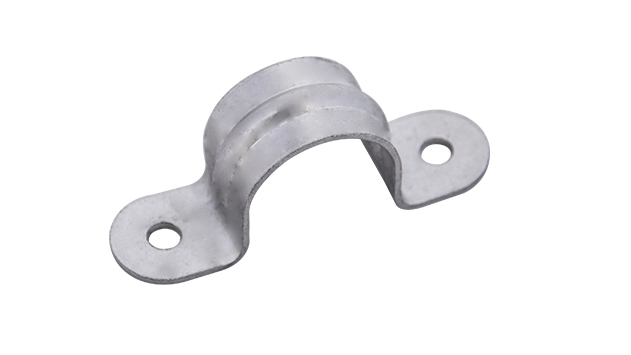
At their core, aluminum saddle pipe clamps are mechanical fasteners designed to secure pipes (often aluminum lean pipe) to surfaces, frames, or other pipes. Their name comes from their shape: a curved "saddle" that wraps around the pipe, distributing pressure evenly to prevent damage while ensuring a tight grip. Unlike rigid clamps that require precise measurements, saddle clamps are engineered for flexibility—they can accommodate slight variations in pipe diameter and are often adjustable, making them perfect for on-the-fly installations.
Most aluminum saddle clamps are made from high-grade aluminum alloys (like 6061 or 6063), chosen for their combination of strength, malleability, and resistance to corrosion. They may feature rubber or plastic liners to protect the pipe surface from scratches and enhance grip, especially in vibrating environments. And because they're part of the broader ecosystem of aluminum pipe accessories , they're designed to work seamlessly with other components like brackets, connectors, and end caps—turning a simple pipe into a fully functional system.

5 Key Benefits of Aluminum Saddle Pipe Clamps for Lightweight Installations
1. Lightweight Without Sacrificing Strength
The most obvious advantage of aluminum saddle pipe clamps is their weight—or rather, their lack of it. An average aluminum saddle clamp weighs 30-50% less than a comparable steel clamp of the same size. This might not seem like much on its own, but when you're building a structure with dozens (or hundreds) of clamps, the savings add up dramatically. A workbench assembled with aluminum clamps and aluminum lean pipe can often be moved by two people, whereas the same setup with steel clamps might require a forklift.
But don't mistake "lightweight" for "weak." Aluminum alloys used in these clamps have a tensile strength of 200-300 MPa (megapascals), which is more than enough to secure pipes holding tools, boxes, or small machinery. The saddle design further reinforces this strength by distributing the clamping force across a wider area, reducing the risk of pipe deformation even under load.
2. Corrosion Resistance: Built to Last in Any Environment
Steel clamps rust. Plastic clamps degrade under UV light or harsh chemicals. Aluminum saddle clamps? They're naturally resistant to corrosion thanks to a thin oxide layer that forms on their surface when exposed to air. This layer acts as a barrier, preventing moisture, chemicals, or salt from eating away at the metal. For installations in damp environments—like food processing plants, car washes, or outdoor patios—this resistance is a game-changer. It means less maintenance, fewer replacements, and a longer lifespan for the entire structure.
In fact, many aluminum saddle clamps are also anodized—a process that thickens this oxide layer, enhancing corrosion resistance even further. Anodized clamps can withstand exposure to rain, humidity, and mild acids without showing signs of wear, making them suitable for both indoor and outdoor use.
3. Easy Installation and Adjustment: No Special Tools Required
Anyone who's ever struggled with tightening a rusted steel bolt or aligning a misfit plastic clamp knows: installation ease matters. Aluminum saddle pipe clamps are designed with simplicity in mind. Most feature a two-piece design: the saddle itself and a base plate with pre-drilled holes for mounting. To install, you place the pipe in the saddle, position the base plate on your frame or surface, and tighten the bolts—no welding, no specialized equipment, just a standard wrench or screwdriver.
This simplicity extends to adjustments, too. Need to raise a shelf by an inch? Loosen the clamp bolts, slide the pipe to the new position, and retighten. Want to reconfigure a flow rack to accommodate larger boxes? Swap out the clamps and rearrange the pipes in minutes. This flexibility is a cornerstone of lean manufacturing principles, where adaptability is key to reducing waste and improving efficiency.
4. Compatibility with Aluminum Profile Systems
Modern installations rarely rely on a single type of component. That's why aluminum saddle pipe clamps are designed to work seamlessly with aluminum profile systems—another popular modular building solution. Aluminum profiles (think T-slot extrusions) are used to create frames, workstations, and enclosures, and they often need to integrate with pipe-based structures like flow racks or material carts.
Aluminum saddle clamps bridge this gap. Many models come with base plates that fit directly into the T-slots of aluminum profiles, allowing you to secure pipes to profiles without drilling extra holes or using adhesives. This compatibility turns separate systems into a unified whole, giving you the freedom to mix and match components based on your needs. For example, you could build a workstation with an aluminum profile frame, add aluminum lean pipe shelving secured with saddle clamps, and top it off with a wooden worktop—all without compromising on strength or aesthetics.
5. Cost-Effective Over the Long Haul
It's true: aluminum saddle pipe clamps often cost more upfront than plastic clamps or basic steel clamps. But when you factor in their lifespan, maintenance needs, and reusability, they quickly become the more economical choice. Steel clamps rust and need replacing every few years; plastic clamps crack under heavy loads or UV exposure. Aluminum clamps, on the other hand, can last a decade or more with minimal upkeep.
Then there's the cost of labor. Installing steel clamps often requires two people (due to weight) and specialized tools; aluminum clamps can be installed by one person in half the time. And because they're reusable, you can repurpose aluminum clamps when you reconfigure your installation—unlike plastic clamps, which may break when removed, or steel clamps, which may seize up from rust. Over time, these savings add up, making aluminum saddle pipe clamps a smart investment for businesses looking to reduce long-term costs.

How Do They Stack Up Against Alternatives? A Comparison
| Feature | Aluminum Saddle Pipe Clamp | Steel U-Bolt Clamp | Plastic Pipe Clip |
|---|---|---|---|
| Weight (per unit, avg.) | 50-80g | 150-200g | 20-30g |
| Tensile Strength | 200-300 MPa | 400-500 MPa (but heavier) | 20-50 MPa |
| Corrosion Resistance | Excellent (natural oxide layer + anodizing) | Poor (prone to rust; requires coating) | Good (but degrades in UV light/chemicals) |
| Installation Time | 5-10 minutes (1 person, basic tools) | 15-20 minutes (2 people, may need wrench) | 2-5 minutes (1 person, but fragile) |
| Reusability | High (can be removed/reinstalled multiple times) | Medium (may seize or rust; heavy to handle) | Low (prone to breaking when removed) |
| Best For | Lightweight, modular installations; indoor/outdoor use; frequent reconfiguration | Heavy-duty, static installations; dry, indoor environments | Temporary, low-load applications; dry, indoor use only |
Real-World Applications: Where Aluminum Saddle Pipe Clamps Shine
To truly grasp their value, let's look at how aluminum saddle pipe clamps are used in real-world scenarios:
Manufacturing Workstations: A small electronics manufacturer uses aluminum lean pipe to build workbenches for assembling circuit boards. Aluminum saddle clamps secure the pipes to the workstation frame, and because the clamps are lightweight, workers can easily adjust the height of shelves or tool holders to reduce strain. The corrosion resistance ensures the workbenches stay looking new even in humid factory conditions.
Warehouse Flow Racks: An e-commerce warehouse needs to move packages quickly from receiving to shipping. They install flow racks using aluminum lean pipe and aluminum saddle clamps. The clamps secure the roller tracks to the rack frames, and their adjustability allows the warehouse to reconfigure the racks for different package sizes during peak seasons. The lightweight design also means the racks can be moved to new locations without hiring heavy equipment.
Retail Display Racks: A clothing store wants modular display racks that can be updated with seasonal merchandise. They use aluminum profile frames and aluminum lean pipe shelves, connected with aluminum saddle clamps. When the season changes, staff can loosen the clamps, rearrange the shelves, and tighten them back up—no tools needed beyond a simple wrench. The sleek, anodized finish of the clamps also complements the store's modern aesthetic.
Choosing the Right Aluminum Saddle Pipe Clamp: Key Considerations
Not all aluminum saddle pipe clamps are created equal. To ensure you pick the right one for your installation, keep these factors in mind:
Pipe Diameter: Clamps are designed for specific pipe sizes (e.g., 20mm, 30mm). Make sure the clamp's saddle matches your aluminum lean pipe diameter to ensure a snug fit.
Load Capacity: Check the clamp's load rating. If you're securing heavy tools or materials, opt for a heavy-duty model with reinforced bolts and a thicker aluminum alloy.
Environment: For outdoor or high-moisture environments, choose anodized clamps for extra corrosion resistance. For cleanrooms or food processing areas, look for clamps with smooth, easy-to-clean finishes and no crevices where dirt can build up.
Compatibility: If you're using aluminum profile systems, ensure the clamp's base plate fits the profile's T-slot size (e.g., 20x20, 30x30). Many manufacturers offer adapters for different profile types.
The Future of Lightweight Installations: Aluminum Innovations
As industries continue to prioritize efficiency, sustainability, and adaptability, aluminum saddle pipe clamps are poised to play an even bigger role. Innovations in aluminum alloys are making clamps stronger and lighter than ever, while advances in manufacturing (like 3D printing for custom clamp designs) are opening up new possibilities for specialized applications. We're also seeing more integration with smart technologies—for example, clamps with built-in sensors that monitor load levels or, alerting maintenance teams before a failure occurs.
Perhaps most importantly, aluminum's sustainability credentials are becoming a key selling point. Unlike steel, which requires significant energy to produce, aluminum is 100% recyclable, and recycling it uses just 5% of the energy needed to produce new aluminum. For businesses aiming to reduce their carbon footprint, aluminum saddle pipe clamps offer a way to build durable installations without compromising on environmental goals.
Final Thoughts: Why Aluminum Saddle Pipe Clamps Are the Smart Choice
In the world of lightweight pipe installations, every component matters—and aluminum saddle pipe clamps deliver on the three qualities that matter most: strength, flexibility, and efficiency. They're lightweight enough to simplify installation and reconfiguration, strong enough to secure critical loads, and durable enough to withstand the test of time. When paired with aluminum lean pipe, aluminum profile systems, and other aluminum pipe accessories, they form a modular ecosystem that adapts to your needs, reduces costs, and grows with your business.
So, why choose aluminum saddle pipe clamps? Because they're not just fasteners—they're a investment in a more efficient, adaptable, and sustainable future for your installations. Whether you're building a single workbench or an entire factory floor, they're the quiet force that holds everything together, so you can focus on what matters most: getting the job done.