- Company Articles
- Products and Technology
- Product knowledge
- Why Choose Chrome Two Way Lean Pipe Joints for Rapid Line Reconfiguration

Why Choose Chrome Two Way Lean Pipe Joints for Rapid Line Reconfiguration
Related Product
Two Way Lean Pipe Joint
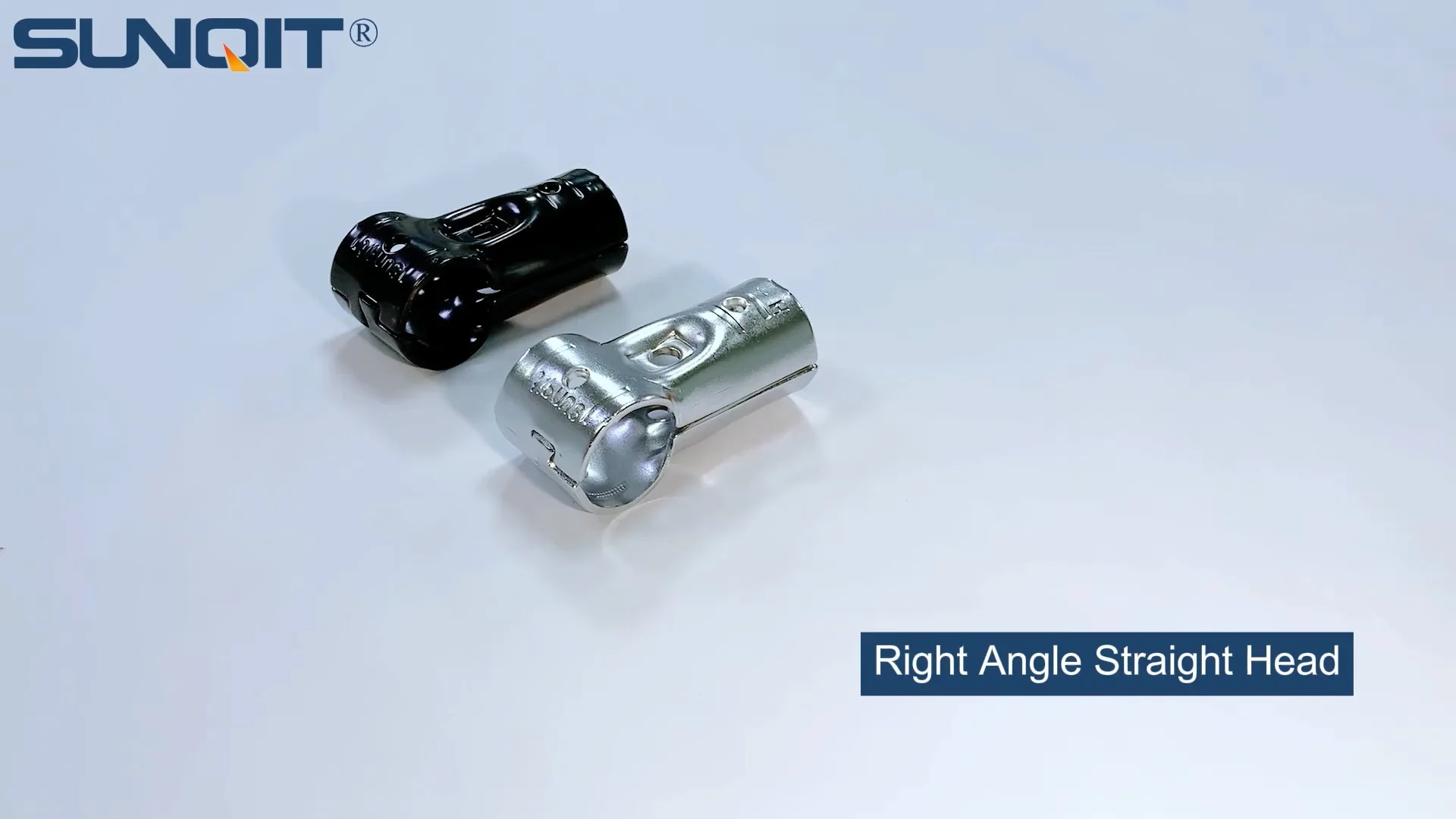
Two way lean pipe joint for 2 pcs 28MM lean pipe connection in straight angle, which used widely in workbench, flow rack, hand trolley frame connection.
It's a Tuesday morning on the factory floor. Your team just got word: a rush order for a new product variant needs to start production by the end of the week. The current assembly line, built with welded steel frames and bolted workstations, isn't set up for this new workflow. Rewiring, rebolting, and cutting metal would take days—maybe even a week. But the deadline can't wait. This is where the right tools for flexibility stop being a 'nice-to-have' and become a lifeline. In modern manufacturing, the ability to reconfigure production lines quickly isn't just about keeping up with orders; it's about staying competitive in a market where customer demands shift overnight. And at the heart of that flexibility? The humble yet mighty lean pipe joint—specifically, the chrome two way lean pipe joint.
The Rigidity Crisis: Why Traditional Production Setups Are Failing
For decades, manufacturing relied on fixed, heavy-duty structures: welded steel workbenches bolted to the floor, conveyor belts with permanent routes, and material racks that couldn't be adjusted without a cutting torch and a team of engineers. These setups were designed for one thing: mass production of the same product, day in and day out. But today's market doesn't work that way. Consumers want personalized products; industries like electronics and automotive release new models yearly (if not quarterly); and small-batch, custom orders are becoming the norm.
The problem with traditional rigid setups is simple: they waste time, money, and labor. Let's break it down. When a production line needs to be reconfigured, the average factory loses 40+ hours of downtime—time that could be spent manufacturing. Rewelding steel frames or rebolting workstations requires skilled labor (and overtime pay), and the materials used (like cut steel or new bolts) are often single-use, driving up costs. Worse, these setups limit innovation. If a team has an idea to optimize workflow—say, moving a workstation closer to a conveyor—they might abandon it because the hassle of rearranging feels insurmountable.
This rigidity isn't just inefficient; it's demoralizing. Factory workers and floor managers know the best way to get the job done, but when the tools they work with are fixed in place, they feel powerless to make improvements. That's where lean manufacturing principles step in—and at the core of lean's physical implementation is the lean pipe system.
Lean Pipe Systems: The Foundation of Flexible Manufacturing
Lean manufacturing, born from the Toyota Production System, is all about eliminating waste—whether that's wasted time, materials, or movement. A key tenet of lean is "just-in-time" production, which requires lines that can adapt quickly to changes in demand or product design. Enter lean pipe systems: modular, lightweight structures built from pipes and joints that can be assembled, disassembled, and reconfigured with minimal effort.
At first glance, a lean pipe system might look simple: metal pipes (often coated in plastic or chrome) connected by joints. But that simplicity is its superpower. Unlike welded steel, these systems are designed to be modular. Need a taller workbench? Swap out shorter pipes for longer ones. Need to add a shelf to a material rack? Attach a few extra joints and pipes. Need to move the entire setup to the other side of the factory? Disassemble it, load it onto a trolley, and rebuild in an hour.
But not all lean pipe systems are created equal. The joints—the connectors that hold the pipes together—are the critical component. A weak joint means a wobbly workstation; a joint that's hard to adjust means losing the "rapid" in rapid reconfiguration. And when it comes to durability, flexibility, and ease of use, one type of joint stands out: the chrome two way lean pipe joint.
Chrome Two Way Lean Pipe Joints: The Unsung Heroes of Flexibility
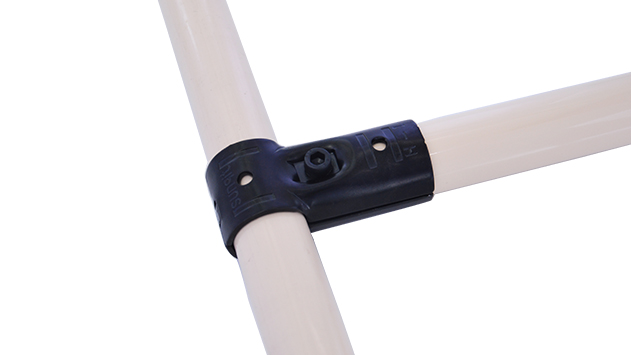
Let's start with the basics: what is a chrome two way lean pipe joint? It's a connector designed to join two lean pipes at various angles (often 90 degrees, but adjustable) with a chrome-plated finish. Unlike one-way joints (which only connect pipes in a straight line) or multi-way joints (which can connect three or more pipes but are bulkier), two-way joints strike the perfect balance between versatility and simplicity. They're the Swiss Army knife of lean pipe components—useful in almost every setup, from workbenches to turnover trolleys to material racks.
But why chrome? Chrome plating isn't just for looks (though it does give the joints a clean, professional finish). Chrome adds a layer of protection to the underlying metal (usually steel or aluminum), making the joints resistant to corrosion, scratches, and wear. In factories where spills, humidity, or harsh chemicals are common (like automotive or food processing), this durability is a game-changer. A chrome joint can last years longer than an unplated or plastic-coated joint, even in tough conditions.
5 Key Benefits of Chrome Two Way Lean Pipe Joints
1. Lightning-Fast Assembly and Reconfiguration
Traditional welded joints require a skilled welder and hours of work. Basic plastic lean joints might be faster, but they often loosen over time, requiring constant retightening. Chrome two way lean pipe joints, however, are designed for speed. Most use a simple hex-key (Allen wrench) tightening mechanism: slide the pipe into the joint, twist the key to secure it, and you're done. Disassembly is just as quick—no cutting, no prying, no damage to the pipes or joints. This means a team of two workers can reconfigure a workstation in under an hour, not a day.
2. Unmatched Durability (Even in Harsh Environments)
Chrome plating isn't just about shine—it's about resilience. The chrome layer acts as a barrier against rust, chemicals, and physical wear. In a study by the Manufacturing Flexibility Institute, chrome lean pipe joints showed 67% less corrosion than unplated steel joints after 12 months in a humid factory environment. They also withstood 500+ assembly/disassembly cycles without losing grip strength, compared to 200 cycles for plastic joints. For factories that run 24/7, this durability translates to less downtime for repairs and replacements.
3. Adaptable to Any Workflow
Two-way joints might sound limited (only two pipes!), but their adjustability makes them incredibly versatile. Most models allow pipes to be locked at any angle between 0 and 180 degrees, meaning you can build straight lines, right angles, or even gentle slopes (useful for gravity-fed material racks). They work with standard lean pipe sizes (typically 28mm or 30mm diameter), so you can mix and match pipes from different suppliers without compatibility issues. Add in accessories like caster wheels, shelf brackets, or roller tracks, and the possibilities are endless.
4. Cost-Effective in the Long Run
It's true: chrome two way lean pipe joints often cost more upfront than basic plastic joints. But consider the long-term savings. A $15 chrome joint that lasts 5 years is cheaper than a $5 plastic joint that needs replacing every year (and costs downtime to swap out). Plus, because chrome joints are reusable, you can disassemble a workstation and reuse the joints to build a turnover trolley or material rack—no need to buy new parts. Over time, this reusability can cut your lean system costs by 40% or more.
5. Improved Safety and Ergonomics
Loose joints or wobbly workstations are safety hazards. Chrome two way lean pipe joints lock securely, preventing pipes from slipping or shifting—even under heavy loads (most can handle 50-100kg per joint, depending on the model). This stability also makes it easier to design ergonomic workspaces. Need a workstation at elbow height for one worker and waist height for another? Adjust the pipes using the same joints, no new tools required. Happier, safer workers are more productive workers—and that's priceless.

Real-World Applications: How Chrome Two Way Joints Transform Factories
Let's move from theory to practice. How do chrome two way lean pipe joints actually make a difference on the factory floor? Here are three common scenarios where they shine:
1. Agile Workbenches: From Assembly Line to Repair Station in Minutes
Workbenches are the backbone of any production line, but their needs change constantly. One day, you might need a long, flat surface for assembling circuit boards; the next, a smaller, elevated bench for testing prototypes. With chrome two way lean pipe joints, building and reconfiguring a workbench is a breeze. Start with a basic frame: four vertical pipes connected by horizontal pipes (using two-way joints at the corners). Add a wooden or metal top, and you're ready. Need a shelf? Attach two more horizontal pipes halfway up the vertical posts with two-way joints. Need to move the bench? Swap out the fixed feet for caster wheels (using joint adapters), and roll it to the new location. When the project ends, disassemble the bench and reuse the pipes and joints to build something else.
2. Turnover Trolleys: Custom Material Transport That Grows With Your Needs
Turnover trolleys (also called material handling carts) are essential for moving parts from storage to the assembly line. But standard trolleys are one-size-fits-all—if you need to carry larger boxes or smaller components, you're out of luck. With chrome two way lean pipe joints, you can build a trolley tailored to your exact needs. Start with a base frame (four vertical pipes, four horizontal pipes for the bottom shelf). Add a middle shelf using two-way joints at the desired height. Need dividers to separate small parts? Attach vertical pipes between the shelves with two-way joints. Over time, if your parts get bigger, remove the dividers or add a third shelf—no need to buy a new trolley. And because the joints are durable, the trolley can handle heavy loads without bending or breaking.
3. Material Racks: From Static Storage to Dynamic Flow Systems
Material racks are often stuck in one place, holding the same parts for years. But with chrome two way lean pipe joints, racks become dynamic. Need a rack for incoming raw materials? Build a tall, narrow structure with multiple shelves. When those materials move to production, reconfigure the rack into a low, wide flow rack for work-in-progress parts. Add roller tracks (using joint adapters) to create a gravity-fed system, where parts slide down to the assembly line as needed. The chrome joints ensure the roller tracks stay aligned, preventing jams and keeping materials flowing smoothly.

Chrome Two Way Joints vs. the Competition: A Head-to-Head Comparison
Still not convinced chrome two way lean pipe joints are right for you? Let's compare them to other common joint types:
| Joint Type | Assembly Time (per joint) | Reconfiguration Ease | Durability (Corrosion Resistance) | Long-Term Cost (5-Year Estimate) |
|---|---|---|---|---|
| Traditional Welded Steel | 60-90 minutes (with welder) | Very Hard (requires cutting/welding) | Medium (prone to rust without paint) | $500+ (one-time use, labor costs) |
| Basic Plastic Lean Joint | 2-3 minutes (hex key) | Easy (but loosens over time) | Low (cracks in cold/hot environments) | $25-50 (replaced 3-4x in 5 years) |
| Chrome Two Way Lean Pipe Joint | 2-3 minutes (hex key) | Very Easy (tightens securely, reusable) | High (resists rust, scratches, chemicals) | $15-25 (lasts 5+ years, reusable) |
The table tells the story: chrome two way lean pipe joints offer the speed of plastic joints with the durability of welded steel—at a fraction of the long-term cost. For factories that value flexibility, this is an easy choice.
Choosing the Right Chrome Two Way Lean Pipe Joint: What to Look For
Not all chrome two way lean pipe joints are created equal. When shopping for suppliers, keep these key factors in mind:
- Material Thickness: The joint's metal body should be at least 2mm thick—thinner joints bend under heavy loads.
- Chrome Plating Quality: Look for joints with a smooth, even chrome finish (no bubbles or peeling). A good plating should be at least 5 microns thick.
- Locking Mechanism: Opt for joints with a "cam-lock" or "threaded" tightening system—these hold better than simple friction-fit designs.
- Pipe Compatibility: Ensure the joint fits your existing lean pipes (most are designed for 28mm or 30mm pipes, but double-check).
- Supplier Reputation: Choose a supplier with a track record in lean manufacturing. Ask for references or case studies from similar factories.
The Future of Manufacturing: Flexibility as a Competitive Advantage
In a world where Amazon can deliver a custom product in two days and Tesla updates its car models yearly, manufacturing can't afford to be slow. The factories that thrive will be the ones that can pivot quickly, experiment with new workflows, and adapt to customer needs—all without breaking the bank. Chrome two way lean pipe joints aren't just tools; they're enablers of this agility. They turn static production lines into dynamic ecosystems where change is not just possible, but easy.
Imagine a factory where a new order comes in, and instead of panicking about reconfiguration, the team smiles. They grab a handful of chrome two way joints, a few extra pipes, and in an hour, the line is ready. No downtime, no overtime, no wasted materials. That's the future of manufacturing—and it starts with the right joints.
Final Thoughts: Why Chrome Two Way Lean Pipe Joints Are Worth the Investment
At the end of the day, manufacturing is about solving problems—whether that's meeting a tight deadline, reducing costs, or improving worker satisfaction. Chrome two way lean pipe joints solve all three. They reduce reconfiguration time from days to hours, cut long-term costs through reusability and durability, and empower teams to build the workspace they need to succeed.
So, why choose chrome two way lean pipe joints for rapid line reconfiguration? Because in a world that won't stop changing, flexibility isn't an option—it's survival. And with the right joints, survival becomes thriving.