- Company Articles
- Products and Technology
- Product knowledge
- Why Choose Corrugated Aluminum Pipe for 3C Assembly Workstations?

Why Choose Corrugated Aluminum Pipe for 3C Assembly Workstations?
Related Product
Corrugated Aluminum Pipe
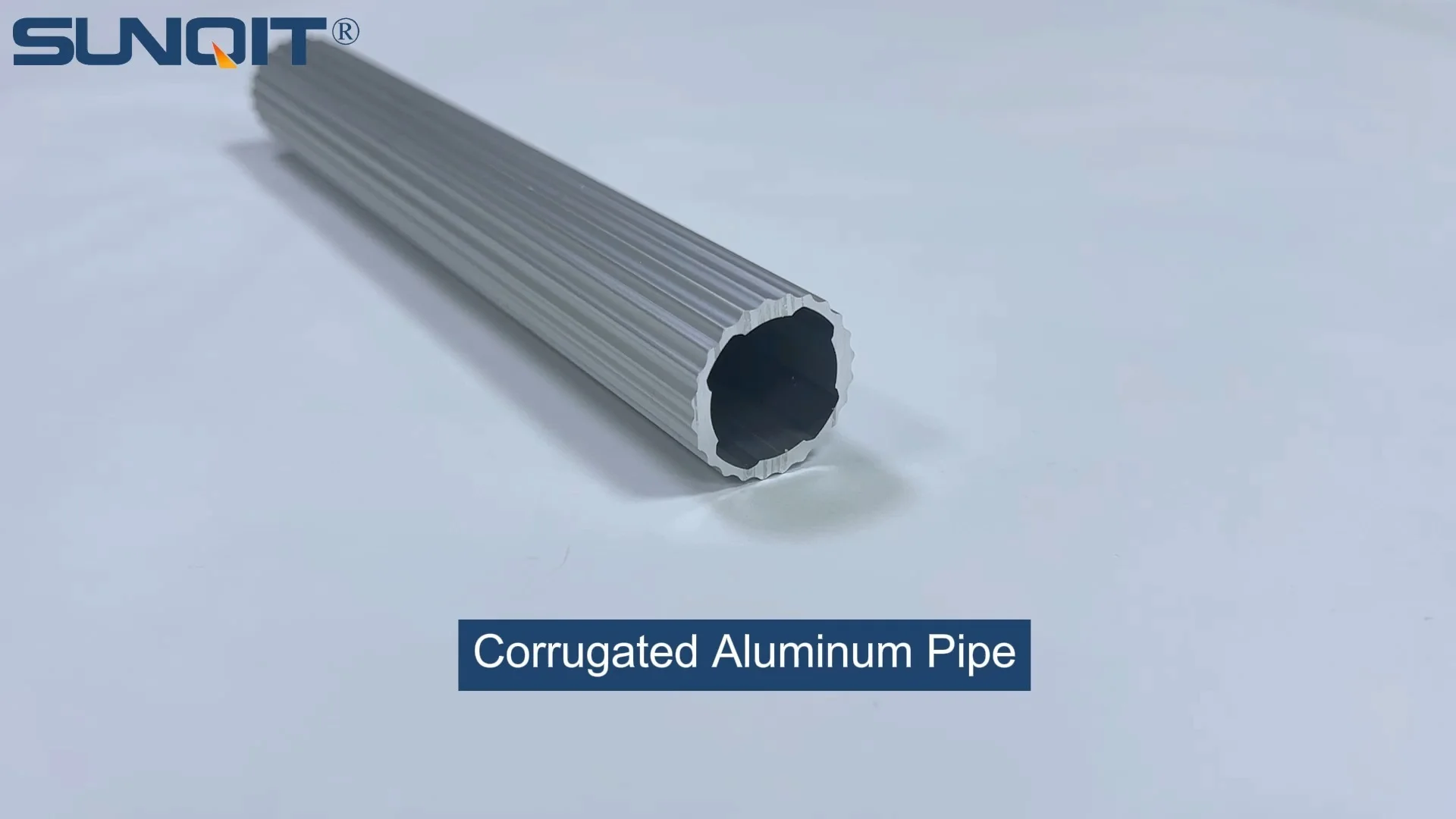
Product Description The slot side is 10mm which can work with a T sliding block for connection accessories Quick Detail Product name Corrugated Aluminum pipe model GLT28-T-3010A Material Science 6005-T6 thickness 1.7mm surface treatment anodic oxidat
Introduction: The Fast-Paced World of 3C Assembly
In the heart of every smartphone, laptop, or tablet lies a story of precision—thousands of tiny components coming together in a dance of speed and accuracy. 3C assembly, which encompasses computers, communications, and consumer electronics, is a realm where milliseconds matter, and adaptability is non-negotiable. Production lines shift with new models, workstations must accommodate evolving tooling, and operators need setups that reduce fatigue while boosting efficiency. For years, manufacturers relied on heavy steel frames, rigid plastic structures, or one-size-fits-all workbenches—solutions that often felt more like obstacles than enablers. Enter corrugated aluminum pipe: a lightweight, durable, and surprisingly versatile material that's redefining how 3C assembly lines are built and run.
But what makes corrugated aluminum pipe stand out in a market flooded with materials? Why are leading 3C manufacturers swapping out traditional options for this corrugated wonder? In this article, we'll dive into the unique properties of corrugated aluminum pipe, explore how it integrates seamlessly with lean system principles, and uncover why it's becoming the go-to choice for modern 3C assembly workstations. Whether you're designing a new line or upgrading an existing one, understanding the benefits of this material could be the key to unlocking smoother workflows, faster changeovers, and long-term cost savings.
What Is Corrugated Aluminum Pipe, Anyway?
Before we jump into its benefits, let's get clear on what corrugated aluminum pipe is. At its core, it's an aluminum extrusion—meaning it's shaped by forcing molten aluminum through a die—with a series of parallel ridges (corrugations) along its length. These ridges aren't just for show: they're engineered to add strength without adding unnecessary weight. Think of it like the flutes in a cardboard box—simple, but incredibly effective at boosting structural integrity.
Most corrugated aluminum pipes are made from high-grade aluminum alloys, such as 6061 or 6063, known for their excellent balance of strength, corrosion resistance, and machinability. The corrugation pattern can vary—some have deep, wide ridges for heavy-duty applications, while others feature finer corrugations for more precise, lightweight setups. This flexibility in design means there's a corrugated aluminum pipe for almost every 3C assembly need, from supporting delicate circuit board workbenches to framing robust conveyor systems.
But what truly sets it apart from plain aluminum pipe or aluminum profile? The corrugations act as built-in reinforcement, allowing the pipe to withstand bending and torsion forces that would warp a smooth-walled tube. This makes it ideal for workstations that need to support tools, fixtures, or even small automated equipment without sagging over time. And because it's aluminum, it retains all the material's natural advantages: it's lightweight, non-magnetic, and resistant to rust and corrosion—critical in factory environments where moisture, oils, or cleaning agents might come into play.

Design Flexibility: Build Workstations That Adapt as Fast as Your Products
3C products have lifecycles measured in months, not years. A smartphone model might be updated twice a year, and each iteration can bring new component sizes, assembly steps, or tooling requirements. A workstation that works perfectly for Model X might be obsolete by the time Model Y hits the line. This is where corrugated aluminum pipe shines: it's not just a material—it's a design philosophy built on flexibility.
Modular by Nature
Corrugated aluminum pipe plays well with aluminum pipe accessories, turning complex workstation builds into something closer to adult LEGO. Need a custom workbench with a shelf for tools, a rail for cable management, and a sloped surface for component bins? With corrugated aluminum pipe and a few internal straight aluminum joints, you can assemble it in hours, not days. Unlike welded steel frames, which require cutting and re-welding to modify, corrugated aluminum setups use simple connectors—clamps, brackets, and joints—that let you disassemble, reconfigure, and rebuild with minimal effort.
Take, for example, a 3C manufacturer shifting from assembling smartwatches to fitness trackers. The workbench height might need to drop by a few inches, or the material flow rack might need narrower lanes. With corrugated aluminum pipe, operators or maintenance teams can loosen a few bolts, adjust the pipe lengths, and reattach the accessories—no specialized tools or downtime required. This modularity isn't just convenient; it's a lifeline in 3C, where production schedules leave little room for lengthy retooling.
Ergonomics Without Compromise
3C assembly line operators spend hours at their workstations, and ergonomics directly impacts both productivity and worker well-being. A workstation that's too high strains shoulders; one that's too low leads to back pain. Corrugated aluminum pipe's lightweight nature makes it easy to adjust heights on the fly. Unlike heavy steel pipes, which might require two people to move, a single operator can reposition a corrugated aluminum frame, ensuring the work surface sits at elbow height for optimal comfort.
Even better, the material's compatibility with accessories like adjustable feet or casters (yes, even caster wheels!) means workstations can be mobile or fixed, depending on the task. Need to roll a sub-assembly station to a different line? Add lockable casters. Prefer a stationary setup? Swap them out for anti-slip leveling feet. This adaptability ensures that workstations aren't just functional—they're tailored to the people using them.
Lean System Integration: Waste Less, Do More
Lean manufacturing isn't just a buzzword in 3C—it's a survival strategy. With razor-thin profit margins and intense competition, every second of downtime, every square inch of wasted space, and every unnecessary movement adds up. Corrugated aluminum pipe isn't just a material; it's a lean system enabler, designed to eliminate waste and streamline workflows.
5S-Friendly Design
The 5S principles—Sort, Set in Order, Shine, Standardize, Sustain—are the backbone of lean assembly. Corrugated aluminum pipe supports all five. For "Set in Order," its modular design lets you organize tools and materials exactly where operators need them: a tool rack above the workbench, a flow rack for incoming components to the left, a bin for finished parts to the right. No more reaching across cluttered surfaces or hunting for missing tools.
"Standardize" becomes a breeze, too. Since corrugated aluminum setups are easy to replicate, every workstation on the line can have the same layout, reducing training time for new operators. And when processes change, "Sustain" is simplified: reconfigure the workstation to match the new standard in minutes, not days. Even "Shine" (cleanliness) gets a boost—aluminum's smooth surface wipes clean easily, and there are no nooks or crannies for dust or debris to hide, unlike some steel or plastic alternatives.
Just-in-Time (JIT) Material Flow
In 3C assembly, overstocking components ties up capital and clogs workspaces, while understocking causes delays. Corrugated aluminum pipe excels at building flow racks and conveyors that support JIT delivery. Imagine a workstation where components roll gently along a corrugated aluminum flow rack, arriving exactly when the operator needs them. The pipe's strength ensures the rack can hold heavy component bins without bending, while its light weight keeps the entire setup mobile enough to adjust as production demands shift.
Even better, corrugated aluminum pipe works seamlessly with aluminum profile systems, which are often used for larger lean structures like assembly lines or storage areas. This compatibility means you can create a unified lean ecosystem—from the smallest workbench to the largest material handling system—all using the same modular components. No more mixing and matching incompatible parts or dealing with mismatched heights and weights.
Durability: Built to Last in the Toughest Environments
3C assembly lines are tough places for materials. They're exposed to constant use, occasional impacts from tools or components, and sometimes even harsh cleaning chemicals. A workstation material that bends, rusts, or cracks under stress isn't just a nuisance—it's a safety hazard and a productivity killer. Corrugated aluminum pipe, however, is built to thrive in these conditions.
Strength That Defies Its Weight
One of the most impressive things about corrugated aluminum pipe is its strength-to-weight ratio. Aluminum is already lighter than steel, but the corrugations take it a step further by distributing weight and stress evenly along the pipe's length. This means a corrugated aluminum frame can support the same load as a steel frame but weigh up to 40% less. For 3C manufacturers, this translates to easier installation, lower shipping costs, and reduced strain on floors and infrastructure.
Don't just take our word for it: tests show that corrugated aluminum pipe can withstand static loads of up to 200kg per linear meter, depending on the pipe diameter and wall thickness. That's more than enough to support a fully loaded workbench with tools, fixtures, and components. And because the corrugations add rigidity, the pipe resists bending even under uneven loads—critical for workstations where tools might be placed off-center.
Corrosion Resistance: A Long-Term Investment
Steel rusts, plastic cracks in sunlight, and wood warps with moisture. Aluminum? It forms a natural oxide layer when exposed to air, which acts as a protective barrier against corrosion. This makes corrugated aluminum pipe ideal for 3C facilities where regular cleaning with water or mild detergents is common. Unlike steel, which requires painting or coating to prevent rust, corrugated aluminum pipe maintains its integrity with minimal maintenance—just an occasional wipe-down to keep it looking new.
This resistance to corrosion also extends the material's lifespan. A well-maintained corrugated aluminum workstation can last 10+ years, even in high-traffic areas. Compare that to plastic, which might degrade in 3–5 years, or uncoated steel, which could start rusting within a year in humid environments. Over time, the longer lifespan means lower replacement costs and less waste—a win for both your budget and sustainability goals.
Cost-Effectiveness: More Than Just a Pretty Pipe
Let's talk numbers—because at the end of the day, every manufacturing decision comes down to cost. At first glance, corrugated aluminum pipe might seem pricier than, say, plastic pipe or low-grade steel. But when you factor in its lifespan, flexibility, and low maintenance, it often ends up being the more economical choice in the long run.
The Total Cost of Ownership (TCO) Advantage
Total Cost of Ownership (TCO) considers not just the upfront price of a material, but also installation, maintenance, replacement, and downtime costs. Corrugated aluminum pipe excels here. Installation is faster because it's lightweight and uses simple aluminum pipe accessories—no welding or specialized labor required. Maintenance is minimal: no painting, no rust treatment, just occasional tightening of joints. And when you need to reconfigure, you can reuse the pipes and accessories, avoiding the cost of buying new materials.
Consider this scenario: A 3C manufacturer needs 10 workstations. Option A: Steel frames at $150 per workstation, but requiring welding ($50 per station) and replacement every 5 years due to rust. Option B: Corrugated aluminum pipe at $200 per workstation, no welding, and lasting 10 years. Over 10 years, Option A costs (150+50)*10*2 = $4,000 (since you'd replace them once). Option B costs 200*10 = $2,000. The aluminum setup saves $2,000 over a decade—not including the downtime saved from faster reconfigurations.
Shipping and Handling Savings
Aluminum's light weight also cuts down on shipping costs. A pallet of corrugated aluminum pipes weighs significantly less than a pallet of steel pipes, meaning lower freight bills. For manufacturers importing materials or shipping workstations to different facilities, these savings can add up quickly. Plus, lighter materials are easier to handle on the factory floor, reducing the risk of injuries and the need for heavy lifting equipment.
Material Comparison: How Corrugated Aluminum Pipe Stacks Up
Still on the fence? Let's put corrugated aluminum pipe head-to-head with other common materials used in 3C assembly workstations. The table below compares key factors like weight, strength, flexibility, and cost to help you see why aluminum is rising to the top.
| Material | Weight (kg/m) | Tensile Strength (MPa) | Corrosion Resistance | Flexibility (Reconfigurability) | Estimated Cost ($/m) |
|---|---|---|---|---|---|
| Corrugated Aluminum Pipe | 1.2–2.0 | 200–250 | Excellent (natural oxide layer) | High (modular with accessories) | $15–$30 |
| Mild Steel Pipe | 3.0–4.5 | 370–450 | Poor (prone to rust without coating) | Low (requires welding to modify) | $8–$15 |
| Plastic Pipe (PVC) | 0.8–1.5 | 40–60 | Good (resistant to chemicals) | Medium (can crack when reconfigured) | $5–$10 |
| Traditional Aluminum Profile | 1.5–2.5 | 180–220 | Excellent | Medium (fixed cross-section limits design) | $20–$40 |
As the table shows, corrugated aluminum pipe strikes a rare balance: it's lighter than steel, stronger than plastic, and more flexible than traditional aluminum profile. While it may cost a bit more upfront than steel or plastic, its durability, reusability, and low maintenance make it the most cost-effective choice over time—especially for 3C manufacturers who need to adapt quickly.
Real-World Applications: How 3C Manufacturers Are Using Corrugated Aluminum Pipe
Theory is great, but real-world examples speak louder. Let's look at how two hypothetical (but realistic) 3C manufacturers are leveraging corrugated aluminum pipe to transform their assembly lines.
Case Study 1: Smartphone Assembly Line
A leading smartphone brand was struggling with frequent model changes. Their steel workstations took 2–3 days to reconfigure, causing production delays. They switched to corrugated aluminum pipe workstations with aluminum pipe accessories like parallel aluminum joint a and internal straight aluminum joints. Now, when a new model launches, the team can disassemble and rebuild a workstation in under 2 hours. The lighter workstations also reduced operator fatigue, leading to a 15% increase in assembly speed for small components like camera modules.
Case Study 2: Laptop Battery Production
A laptop manufacturer needed ESD-safe workstations to prevent static damage to batteries. They chose corrugated aluminum pipe paired with ESD mats and grounding accessories. The aluminum's conductivity helped dissipate static, while the modular design allowed them to add custom tool holders and anti-fatigue mats. The result? A 90% reduction in static-related defects and a workstation setup that could be adjusted for different battery sizes in minutes.
Conclusion: The Future of 3C Assembly Is Corrugated
3C assembly demands materials that can keep up with innovation—and corrugated aluminum pipe is rising to the challenge. Its unique combination of lightweight strength, design flexibility, lean system integration, and long-term durability makes it more than just a workstation material; it's a strategic asset for manufacturers looking to stay competitive in a fast-changing industry.
Whether you're building a new line from scratch or upgrading existing workstations, corrugated aluminum pipe offers a path to faster changeovers, happier operators, and lower costs. Pair it with the right aluminum pipe accessories, and you've got a system that can grow and adapt with your products—no more being stuck with rigid, outdated setups.
So, why choose corrugated aluminum pipe for 3C assembly workstations? Because in a world where change is the only constant, flexibility, strength, and efficiency aren't just nice-to-haves—they're essential. And corrugated aluminum pipe delivers all three, making it the smart choice for the future of 3C manufacturing.