- Company Articles
- Products and Technology
- Product knowledge
- Why Choose Duplex Aluminum Pipe Joint for Flexible Production Lines?

Why Choose Duplex Aluminum Pipe Joint for Flexible Production Lines?
Related Product
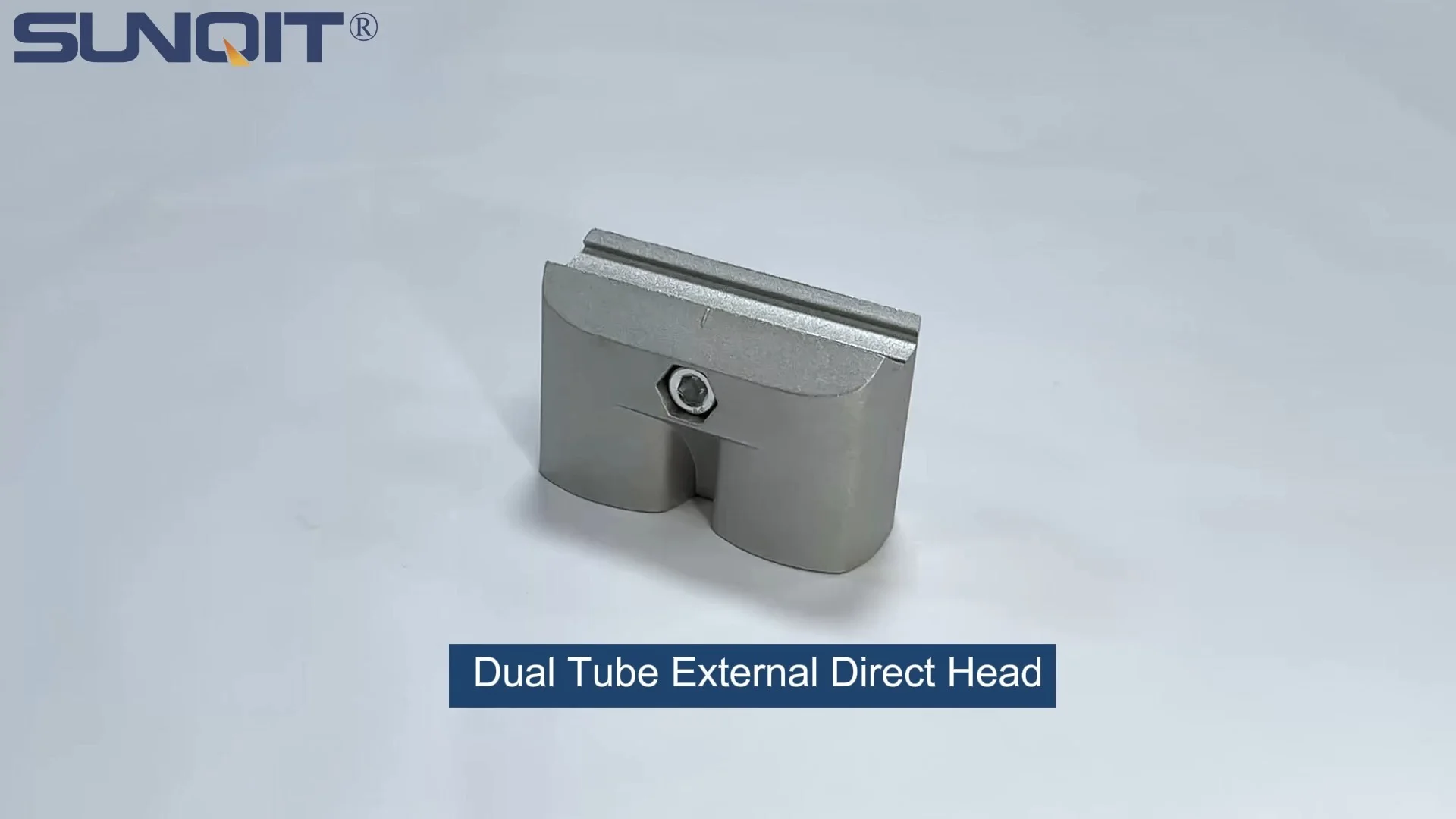
Duplex Aluminum Pipe Joint
Duplex Aluminum pipe joint used for one pcs 28pcs aluminum pipe and one pcs of 28mm duplex pipe connection in straight angle.
Let's start with a scenario we've all heard about (or maybe even lived through): A mid-sized electronics manufacturer gets a rush order for a new gadget. Their production line, set up six months ago for a different product, suddenly feels like a square peg in a round hole. The workbenches are too low, the roller tracks don't align with the new assembly steps, and reconfiguring everything seems to require a team of welders and a week of downtime. Sound familiar? In today's manufacturing world, where customer demands shift overnight and product lifecycles get shorter by the month, flexibility isn't just a buzzword—it's the difference between meeting deadlines and missing opportunities. And that's where the duplex aluminum pipe joint comes into play.
What Even Is a Duplex Aluminum Pipe Joint?
Before we dive into why it's a game-changer, let's make sure we're on the same page. A duplex aluminum pipe joint is exactly what it sounds like: a connector designed to link aluminum pipes (or aluminum profiles) together in a way that's both strong and adaptable. But "duplex" here isn't just a fancy adjective—it hints at the joint's dual superpowers: it balances rigidity where you need it and flexibility where you don't. Think of it as the Swiss Army knife of production line components: simple, versatile, and surprisingly powerful.
These joints are typically made from high-grade aluminum alloy, which gives them a unique combination of lightweight durability. Unlike heavy steel joints that require tools and muscle to maneuver, duplex aluminum joints are light enough to carry with one hand but tough enough to support the daily grind of a busy factory floor. And here's the kicker: they're designed to work seamlessly with aluminum profiles, those sleek, modular rails that form the backbone of modern lean systems. Whether you're building a workbench, a material rack, or a roller track for moving parts, these joints act as the glue that holds everything together—without the actual glue (or welding, or drilling, for that matter).
The Problem with "Rigid" Production Lines (And Why Flexibility Wins)
Let's talk about the elephant in the factory: traditional production setups. For decades, manufacturers relied on fixed steel structures—welded workbenches, bolted-down conveyor belts, and custom-built racks. They worked, but only if your product line never changed. The moment you needed to adjust a workbench height by 6 inches or add a new section to your roller track, you were looking at hours (or days) of labor, not to mention the cost of new materials. It's like building a house with no doors—you can't rearrange the furniture without tearing down walls.
Flexible production lines, on the other hand, are all about adaptability. They're designed to evolve with your needs, whether that means scaling up for a big order, switching between product types, or even downsizing temporarily. And at the heart of that flexibility? Components that can be easily assembled, disassembled, and reassembled. Enter the duplex aluminum pipe joint. Unlike welded steel joints that are permanent (and messy), or plastic joints that warp under heat, these aluminum joints let you tweak, adjust, and reconfigure your setup in minutes—not days.

5 Reasons Duplex Aluminum Pipe Joints Are a Must for Flexible Lines
If you're still on the fence, let's break down the benefits with real-world examples. These aren't just theoretical—they're the reasons manufacturers across industries (from automotive to medical devices) are swapping out old joints for duplex aluminum ones.
1. Lightweight but Surprisingly Strong
Aluminum has a reputation for being "light," but don't let that fool you. Duplex aluminum pipe joints are made from alloys (like 6061 or 6063) that blend lightness with impressive strength. A typical joint can support loads of up to 500kg—more than enough for most assembly line needs, whether you're stacking heavy components on a material rack or mounting tools on a workbench. And because they're lightweight, you don't need a forklift or a team of workers to move them. One person can carry a handful of joints and a few aluminum profiles, set up a new workbench, and be back to production in under an hour. Compare that to steel: a single steel joint can weigh 10x as much, turning a simple reconfiguration into a full-day project.
2. No Tools? No Problem—Assembly is a Breeze
Let's be honest: nobody likes fumbling with wrenches, drills, or welding torches. Duplex aluminum pipe joints are designed for "tool-free" (or minimal-tool) assembly. Most use a simple clamping mechanism or a twist-lock design—you slide the joint onto the aluminum profile, tighten a screw by hand (or with a basic hex key), and you're done. No sparks, no fumes, no need to call in a specialist. This is a game-changer for small to medium manufacturers where every minute of downtime costs money. Imagine needing to adjust a roller track to accommodate a new product size: with duplex joints, you loosen a few screws, slide the track into place, retighten, and you're back to moving parts. With steel joints? You'd need to cut the old track, weld a new section, and wait for it to cool—all while your production line sits idle.
3. Corrosion-Resistant for Tough Environments
Factories aren't always clean, climate-controlled spaces. Some deal with moisture (like food processing plants), chemicals (pharmaceutical labs), or even outdoor elements (warehouses with open loading docks). Steel joints rust in these environments, and plastic joints degrade. But aluminum? It naturally forms a protective oxide layer that resists corrosion. Duplex aluminum pipe joints take this a step further with anodized finishes, which add an extra layer of protection against rust, chemicals, and wear. This means they last longer, even in harsh conditions—saving you money on replacements and reducing maintenance headaches.
4. Reusable (Because Waste is So Last Season)
Lean manufacturing isn't just about efficiency—it's about minimizing waste. And what's more wasteful than throwing away perfectly good components because you reconfigured your line? Duplex aluminum pipe joints are 100% reusable. When you need to tear down a workbench or rearrange a roller track, you simply disassemble the joints, pack them up, and reuse them elsewhere. Unlike plastic joints that crack when you take them apart, or steel joints that get bent out of shape, these aluminum joints hold their shape and functionality, even after multiple reassemblies. Over time, this reusability adds up to significant cost savings. One manufacturer we worked with estimated they saved 30% on material costs in their first year by reusing duplex joints instead of buying new parts for every line change.
5. Works Seamlessly with Aluminum Profiles (And More)
Flexibility isn't just about adjusting your line—it's about compatibility. Duplex aluminum pipe joints are designed to work with standard aluminum profiles (like T-slot profiles), which are the building blocks of most modern production systems. This means you can mix and match: use the same joints to build a workbench, a material rack, a turnover trolley, or a roller track. And if you already have aluminum profiles in your facility, you don't need to replace them—just swap out your old joints for duplex ones. Some manufacturers even use them with other materials, like stainless steel pipes, though aluminum profiles are their sweet spot. The key here is versatility: one joint, endless possibilities.

How Do They Stack Up Against Other Joints? Let's Compare
Still wondering if duplex aluminum is the right choice for you? Let's put them head-to-head with the two most common alternatives: traditional steel joints and plastic joints. The table below breaks down the key factors that matter most in a production environment.
| Feature | Duplex Aluminum Pipe Joint | Traditional Steel Joint | Plastic Pipe Joint |
|---|---|---|---|
| Weight (per joint) | 100-200g | 1-2kg | 50-150g |
| Max Load Capacity | 300-500kg | 500-1000kg (but heavier) | 50-150kg (low for heavy use) |
| Assembly Time (per joint) | 1-2 minutes (tool-free) | 30+ minutes (welding/drilling) | 2-5 minutes (snaps or screws) |
| Corrosion Resistance | Excellent (anodized finish) | Poor (rusts without coating) | Good (but degrades in heat/chemicals) |
| Reusability | High (can be disassembled/reused 100+ times) | Low (permanent welds) | Medium (prone to cracking after 5-10 uses) |
| Cost (per joint) | Medium ($5-$15) | High ($15-$30 + labor for welding) | Low ($2-$8) |
As you can see, duplex aluminum joints strike a balance between strength, ease of use, and cost. They're not the cheapest upfront (plastic is cheaper), but their reusability and durability make them a better long-term investment. And while steel is stronger, the weight and assembly time make it impractical for flexible lines. For most manufacturers, duplex aluminum is the sweet spot.

Real-World Uses: From Workbenches to Roller Tracks
Let's get specific. How are manufacturers actually using these joints? Here are a few examples that show their versatility:
Workbenches That Adapt to Your Team
Assembly line workers come in all heights, and a one-size-fits-all workbench is a recipe for fatigue (and mistakes). With duplex aluminum pipe joints, you can adjust the height of a workbench in minutes. Need it 30 inches for a shorter worker? Loosen the joints, slide the aluminum profiles up, retighten. Need to add a shelf for tools? Clip on a few extra joints and a piece of aluminum honeycomb panel. Some manufacturers even build "modular" workbenches with interchangeable parts—swap out a flat surface for a tilted one, add a vice, or mount a monitor arm—all using the same duplex joints.
Roller Tracks That Keep Up with Product Changes
Roller tracks are the lifeline of many production lines, moving parts from one station to the next. But when your product size changes (say, from a small circuit board to a larger appliance panel), your roller track needs to adapt. Duplex aluminum joints let you adjust the width of the track, add curves, or even split a single track into two—all without replacing the entire system. For example, a food packaging plant we worked with uses duplex joints to reconfigure their roller tracks seasonally: wider tracks for holiday gift boxes, narrower tracks for regular-sized packages. What used to take a weekend now takes a morning.
Lean Systems That Minimize Waste
Lean manufacturing is all about eliminating waste—whether it's time, space, or materials. Duplex aluminum pipe joints fit perfectly into this philosophy. They let you build "just-in-time" material racks that hold exactly the parts you need, right where you need them. No more overstocking, no more wasted space. And because they're easy to reconfigure, you can adjust your racks as your inventory changes. A medical device manufacturer we spoke to used duplex joints to build a lean system that reduced their floor space usage by 25%—saving them thousands in rent and making their line more efficient.
Choosing the Right Duplex Aluminum Pipe Joint: What to Look For
Not all duplex aluminum pipe joints are created equal. To get the most out of your investment, keep these factors in mind:
Load Capacity:
Check the joint's maximum load rating. If you're building a heavy-duty material rack, you'll need a joint that can handle 300kg+ per connection. For lighter uses (like a small workbench), 100-200kg is fine.
Environment:
If your facility is humid, corrosive, or exposed to chemicals, look for joints with anodized or powder-coated finishes for extra protection.
Compatibility:
Make sure the joint fits your aluminum profiles. Most joints are designed for standard T-slot profiles (like 2020, 3030, or 4040 series), but double-check the dimensions before buying.
Supplier Reputation:
Not all suppliers use high-quality aluminum alloys. Look for suppliers who provide material certifications and test reports—this ensures your joints will last.
The Bottom Line: Flexibility = Profitability
At the end of the day, manufacturing is about making money—and flexibility is a key driver of profitability. The faster you can adapt to new orders, the more customers you can serve. The less time you spend on reconfiguring your line, the more products you can ship. Duplex aluminum pipe joints might seem like a small component, but they're a big part of that equation. They let you build production lines that grow with your business, adapt to your customers' needs, and keep your team efficient (and happy).
So, why choose duplex aluminum pipe joints for your flexible production line? Because they're lightweight, strong, easy to use, and built to last. They turn "we can't do that" into "we can do that by lunch." And in today's fast-paced manufacturing world, that's not just an advantage—it's a necessity.