- Company Articles
- Products and Technology
- Product knowledge
- Why Choose Lean Pipe Fixed Clamps for Material Rack B Assembly?

Why Choose Lean Pipe Fixed Clamps for Material Rack B Assembly?
Related Product
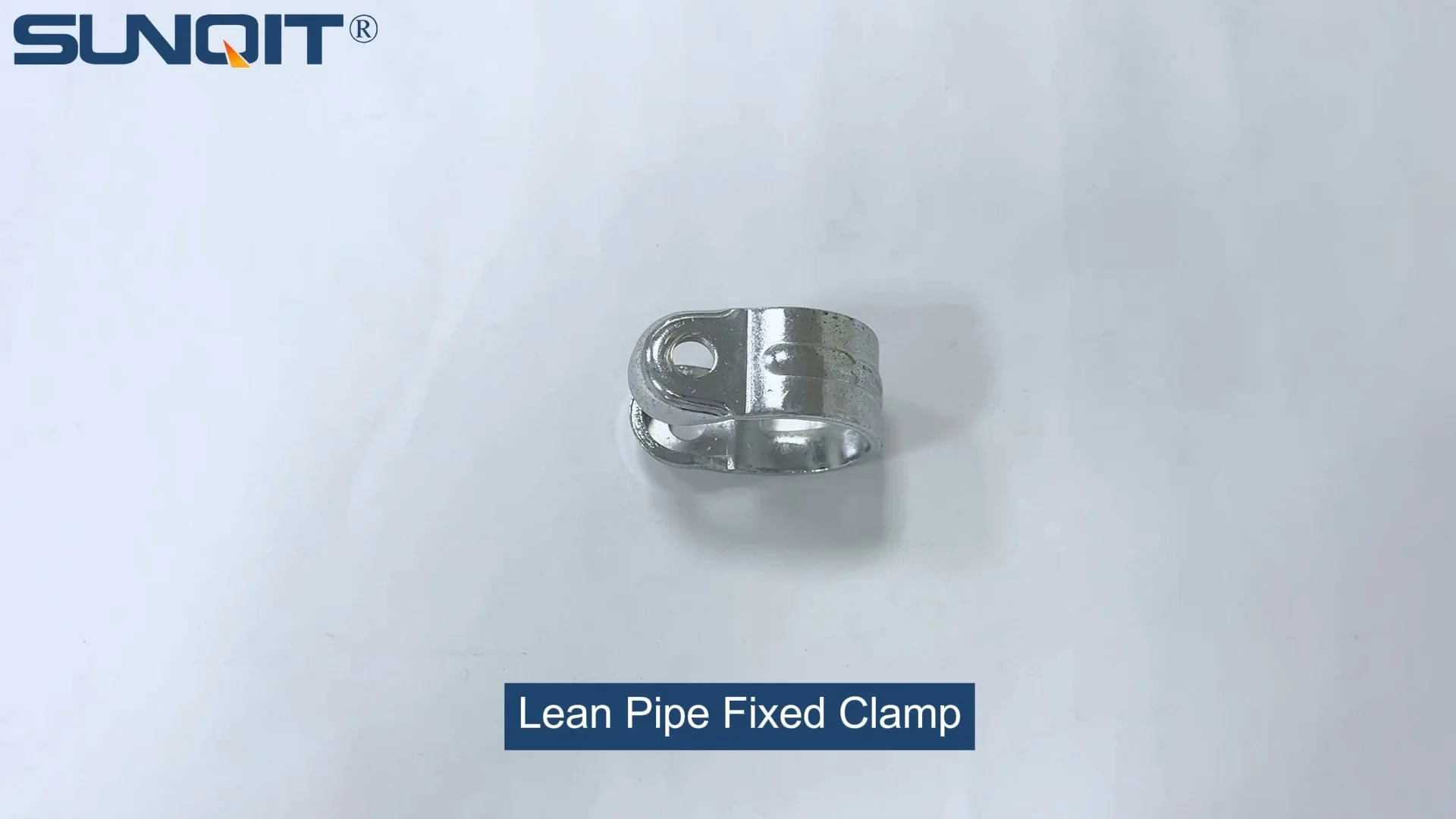
Lean Pipe Fixed Clamp
Lean pipe fixed clamp is used for pipe connector fixing the correct position during workbench flow rack hand trolley assemble work.
Walk into any busy factory or warehouse, and you'll likely spot rows of material racks lining the walls—silent workhorses holding everything from tiny electronic components to bulky mechanical parts. Among these, the Material Rack B (3 row and 3 floor) stands out as a staple, prized for its ability to organize materials vertically and horizontally, maximizing floor space while keeping items easily accessible. But here's the thing: building a reliable, durable Material Rack B shouldn't feel like solving a puzzle with missing pieces. For years, assembly teams have grappled with clunky tools, time-consuming welding, and joints that loosen under pressure. That's where lean pipe fixed clamps come in. These unassuming accessories are changing the game, turning frustrating assembly days into smooth, efficient processes. Let's dive into why they're the unsung heroes of Material Rack B construction.
First, What Exactly is Material Rack B (3 row and 3 floor)?
Before we talk about clamps, let's get to know the star of the show: Material Rack B. As the name suggests, this rack features 3 rows and 3 floors, making it a mid-sized solution ideal for small to medium-sized warehouses, production lines, or distribution centers. Picture a sturdy frame built from pipes or profiles, with three horizontal rows (think of them as "shelves") stacked vertically across three levels. Each row is designed to hold boxes, bins, or even loose parts, with enough space between levels to accommodate different item heights. It's the kind of rack you'd use to store automotive components, electronics parts, or packaging materials—anything that needs to be within arm's reach but out of the way of foot traffic.
The beauty of Material Rack B lies in its versatility. Need to store smaller parts on the top floor and heavier boxes below? No problem. Want to separate different product lines across the three rows? Easy. But here's the catch: its usefulness hinges entirely on how well it's assembled. A wobbly rack won't just frustrate workers—it could damage materials, slow down workflows, or even pose safety risks. And for years, assembling one meant wrestling with traditional methods that often fell short.
The Frustration of Traditional Material Rack Assembly
Let's paint a familiar picture. You've got a stack of lean pipes, a handful of basic joints, and a deadline to build two Material Rack B units by the end of the day. You start by aligning the vertical pipes, then try to attach the horizontal ones using standard bolts. An hour in, you realize the bolts are stripping, and the joints won't stay tight. So you break out the welding torch—now you're dealing with sparks, fumes, and a permanent frame that can't be adjusted if next month's inventory requires taller shelves. Or maybe you opt for cheap plastic joints, only to find they crack under the weight of loaded bins a week later. Sound familiar?
Traditional assembly methods for Material Rack B often suffer from three big flaws: inflexibility , time waste , and unreliability . Welded frames are fixed—if your team suddenly needs to add a fourth row, you're stuck building a whole new rack. Bolted joints require wrenches, sockets, and a steady hand; one misaligned hole means starting over. And many basic pipe joints, while affordable upfront, lack the grip to hold heavy loads, leading to sagging shelves and unstable structures. It's no wonder assembly crews often dread Material Rack B projects.
Enter Lean Pipe Fixed Clamps: The Assembly Game-Changer
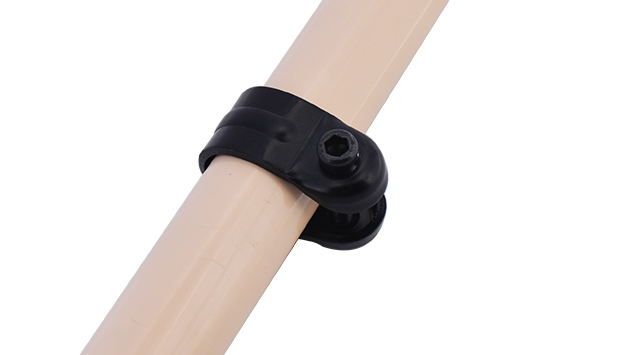
Lean pipe fixed clamps are small, but they pack a punch. Designed specifically for use with lean pipes (those lightweight, durable tubes commonly used in lean manufacturing setups), these clamps act as the "glue" that holds your Material Rack B together—without the mess or permanence of actual glue. Made from sturdy materials like galvanized steel or coated metal, they feature a simple yet genius design: a two-piece clamp that wraps around the lean pipe, secured by a single screw or lever. No welding, no complex tools, no guesswork.
What makes them different from standard lean pipe joints? Unlike swivel joints or adjustable connectors (which are great for dynamic structures like workbenches or trolleys), lean pipe fixed clamps are all about stability. Once tightened, they lock the pipes in place, creating a rigid connection that resists twisting, bending, or shifting—exactly what you need for a static storage rack like Material Rack B. Think of them as the "set it and forget it" solution: assemble once, and trust that your rack will stay sturdy for years.

5 Key Benefits of Using Lean Pipe Fixed Clamps for Material Rack B
Now, let's get into the nitty-gritty: why should you swap your old bolts and joints for lean pipe fixed clamps when building Material Rack B? Here are five reasons that'll make your assembly team breathe a sigh of relief.
1. Assembly Time: From Hours to Minutes
Remember that earlier scenario with the welding torch and stripped bolts? With lean pipe fixed clamps, that two-rack deadline suddenly becomes manageable. These clamps are designed for speed: slide the clamp over the pipe, align it with the connecting tube, tighten the screw with a basic hex key, and you're done. No pre-drilling holes, no waiting for welds to cool, no fumbling with nuts and washers. A typical Material Rack B (3 row and 3 floor) can be assembled by two people in under an hour—compared to 2-3 hours with traditional methods. That's a game-changer for teams juggling multiple projects.
2. Adjustability Without the Headache
Warehouse needs change. Maybe next quarter, you'll need to store taller boxes, so you want to raise the middle shelf of your Material Rack B. With welded frames, that means cutting and re-welding—a hassle. With basic bolted joints, you'd have to unthread every nut, adjust the pipes, and re-tighten, risking stripped threads. Lean pipe fixed clamps? Simply loosen the screw, slide the clamp to the new position, and retighten. It's that easy. They let you tweak row heights or floor spacing on the fly, turning a rigid rack into a flexible tool that adapts to your workflow.
3. Rock-Solid Stability for Heavy Loads
Material Rack B isn't just for show—it needs to hold weight. Whether you're stacking 50-pound bins of metal parts or dozens of plastic containers, the last thing you want is a shelf that sags or shifts. Lean pipe fixed clamps excel here. Their design distributes pressure evenly around the pipe, creating a tight grip that won't loosen over time. Many models can handle loads of up to 200 pounds per joint, ensuring your rack stays stable even when fully loaded. Compare that to plastic snap-on joints, which often crack under stress, or loose bolts that vibrate free in busy warehouses.
4. Cost-Effective in the Long Run
At first glance, lean pipe fixed clamps might seem pricier than basic plastic joints. But let's do the math: traditional assembly requires more labor hours, specialized tools (like welders or impact drivers), and often replacement parts when joints fail. Lean pipe fixed clamps reduce labor time by 50% or more, eliminate the need for expensive tools, and are reusable—if you ever disassemble the rack, you can reuse the clamps on a new project. Over time, they pay for themselves in saved time, fewer replacements, and less frustration.
5. Compatibility with Lean Pipes and Aluminum Profiles
Material Rack B is often built with lean pipes, but many facilities also use aluminum profiles for added durability or corrosion resistance. The best lean pipe fixed clamps play well with both. Their adjustable design fits standard 28mm lean pipes (the most common size) and can often be adapted to aluminum profiles with minor adjustments. This versatility means you don't have to overhaul your entire material setup to switch to clamps—just grab a pack and start building.

Lean Pipe Fixed Clamps vs. Standard Pipe Joints: A Quick Comparison
| Feature | Lean Pipe Fixed Clamps | Standard Pipe Joints (Bolted/Welded) |
|---|---|---|
| Assembly Time per Joint | 30 seconds – 1 minute | 5 – 10 minutes (including tools/welding) |
| Tools Required | Basic hex key or screwdriver | Wrench, drill, welding torch, or socket set |
| Adjustability | Easy: loosen, reposition, retighten | Difficult: requires cutting/welding or re-drilling |
| Weight Capacity per Joint | Up to 200 lbs (depending on model) | 100 – 150 lbs (bolted); higher with welding (but permanent) |
| Reusability | 100% reusable | Welded joints: not reusable; bolted: limited (risk of stripped threads) |
| Cost Over Time | Lower (fewer replacements, labor savings) | Higher (more labor, frequent replacements) |
A Day in the Life: Assembling Material Rack B with Lean Pipe Fixed Clamps
Let's walk through a typical assembly to see these clamps in action. Meet Maria, a warehouse supervisor who needs to build two Material Rack B units by the end of her shift. In the past, this would mean rounding up her team, hauling out the welding machine, and crossing her fingers for no rain (welding outdoors is tricky). Today, she's armed with a box of lean pipe fixed clamps, a bundle of 28mm lean pipes, and a hex key. Here's how it goes:
Step 1: Prep the pipes. Maria and her team cut the lean pipes to length (4 vertical posts, 6 horizontal row pipes, and 12 floor supports) using a simple pipe cutter—no need for precision welding measurements.
Step 2: Build the frame. They start with the vertical posts, attaching the bottom horizontal pipes using lean pipe fixed clamps. Slide clamp over vertical pipe, align horizontal pipe, tighten the screw with the hex key. *Click* It's locked. Repeat for the top and middle horizontal pipes. The frame stands sturdy in minutes.
Step 3: Add the rows and floors. For the 3 rows, they attach horizontal pipes across the frame using clamps, spacing them evenly. Then, they add the floor supports (the crossbars that hold the shelves) between the rows. Each connection takes 30 seconds—no measuring, no aligning holes, just quick, secure clamps.
Step 4: Test and tweak. Maria pushes gently on the rack; it doesn't budge. She notices the middle shelf is slightly low, so she loosens two clamps, slides the pipe up an inch, and retightens. Done. No need to disassemble—just a quick adjustment.
By lunchtime, both racks are built and loaded with materials. Maria's team moves on to their next task, no longer drained from a morning of wrestling with tools. That's the power of lean pipe fixed clamps.
Real-World Results: A Factory's Experience
Don't just take our word for it. A mid-sized electronics manufacturer in Ohio recently switched to lean pipe fixed clamps for their Material Rack B assembly. Previously, their team of three spent 4 hours building one rack, using welded joints and bolted connections. After switching to clamps, the same team built three racks in 3 hours— and had time to reconfigure an old rack to fit new inventory. "It's like night and day," said the production manager. "We used to dread rack assembly days; now, it's just another task we knock out quickly. And the racks feel sturdier than ever—no more loose shelves or wobbly frames."
Caring for Your Lean Pipe Fixed Clamps: Maintenance Tips
Lean pipe fixed clamps are low-maintenance, but a little care goes a long way. Here's how to keep them working like new:
- Tighten periodically. Over time, vibrations from material handling can loosen screws slightly. A quick check with a hex key every few months ensures a tight grip.
- Clean off debris. If your warehouse is dusty or greasy, wipe clamps with a dry cloth to prevent buildup that could affect grip.
- replace worn clamps. If a clamp's screw strips or the metal shows signs of bending, swap it out. It's a small cost to avoid rack instability.
Why Not Just Use Any Clamp? The Case for Specialized Lean Pipe Fixed Clamps
You might be thinking, "Can't I just use regular hose clamps or pipe clamps?" Technically, yes—but you'll miss out on the benefits that make lean pipe fixed clamps perfect for Material Rack B. Regular clamps aren't designed for the specific diameter of lean pipes, so they may slip or damage the pipe coating. They also lack the locking mechanism that keeps lean pipe fixed clamps tight under load. Think of it like using a butter knife to tighten a screw—it might work, but it's not the right tool for the job.
Final Thoughts: Lean Pipe Fixed Clamps = Smarter Assembly
Material Rack B (3 row and 3 floor) is a workhorse in warehouses and factories, but its assembly shouldn't be a headache. Lean pipe fixed clamps simplify the process, saving time, reducing frustration, and creating sturdier, more adaptable racks. They're a small investment that pays off in big ways—faster assembly, fewer repairs, and a rack that grows with your needs. So the next time you're gearing up to build a Material Rack B, skip the welding torch and grab a box of lean pipe fixed clamps. Your team (and your bottom line) will thank you.