- Company Articles
- Products and Technology
- Product knowledge
- Why Chrome Coating Matters for One Way Rotatory Straight Lean Pipe Joints: Corrosion Resistance

Why Chrome Coating Matters for One Way Rotatory Straight Lean Pipe Joints: Corrosion Resistance
Related Product
One Way Rotatory Straight Lean Pipe Joint
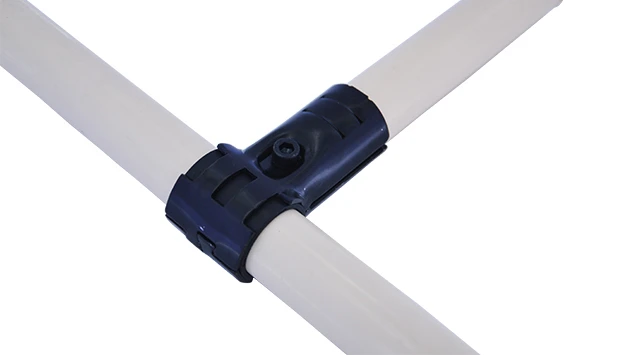
Two way lean pipe joint for 2 pcs 28MM lean pipe connection in straight angle with rotatory fucntion, which used widely in workbench, flow rack, hand trolley frame connection.
Walk into any busy manufacturing plant, and you'll notice a symphony of moving parts: conveyor belts gliding, assembly lines humming, and workbenches stacked with components. But amid all this motion, there's a quiet hero holding everything together: the lean pipe joint. These small, unassuming connectors are the backbone of lean systems, linking pipes, workbenches, and material racks to create efficient, flexible workflows. Among the many types of lean pipe joints, one stands out for its precision and utility: the one way rotatory straight lean pipe joint. And if you've ever wondered why some of these joints have a shiny, silver finish, the answer lies in three words: chrome coating. Today, we're diving into why chrome coating isn't just a cosmetic choice—it's a critical feature that protects against corrosion, extends lifespan, and keeps lean systems running smoothly.
First Things First: What Are One Way Rotatory Straight Lean Pipe Joints?
Before we get into chrome coating, let's make sure we're all on the same page about the star of the show: the one way rotatory straight lean pipe joint. These joints are designed to connect two straight lean pipes at a fixed angle while allowing one-way rotation —meaning they let parts of the structure pivot in a specific direction, but not backward. Think of them as the "hinges" of lean systems: they add just enough flexibility to adjust workbenches, material racks, or conveyor components without compromising stability.
For example, imagine a assembly line where workers need to rotate a section of a flow rack to access materials from different angles. A one way rotatory straight lean pipe joint makes that possible, ensuring the rotation stays controlled and doesn't slip out of place. But here's the catch: these joints are often exposed to harsh industrial environments—moisture from cleaning, oils from machinery, and even chemicals from production processes. Over time, that exposure can lead to corrosion, turning a reliable joint into a rusted, stuck mess. That's where chrome coating steps in.
The Corrosion Problem: Why It's More Than Just a Rusty Mess
Corrosion is the enemy of any metal component, and lean pipe joints are no exception. When metal reacts with oxygen and moisture, it forms rust—a flaky, reddish substance that weakens the material. For a one way rotatory straight lean pipe joint, corrosion isn't just unsightly; it's a functional disaster. Here's why:
- Stiffened Movement: Rotatory joints rely on smooth, friction-free rotation. Rust builds up in the gaps between moving parts, turning a fluid pivot into a jerky, stuck mechanism. Imagine trying to rotate a joint that's seized up—it's like trying to open a rusted door hinge: you'll either strain the joint until it breaks or damage the pipes it's connecting.
- Weakened Structure: Rust eats away at the metal, thinning the joint's walls and compromising its strength. A corroded joint can't support the weight of materials or equipment, putting workers at risk of accidents and causing costly downtime when structures collapse.
- Increased Maintenance Costs: Without protection, joints need frequent replacement. A single corroded joint might seem cheap to fix, but multiply that by hundreds (or thousands) across a factory floor, and the costs add up fast. Not to mention the labor hours spent swapping out parts instead of focusing on production.
In industries like automotive manufacturing, electronics assembly, or food processing—where moisture, chemicals, or high humidity are common—corrosion is an even bigger threat. That's why lean pipe suppliers prioritize corrosion resistance in their products, and chrome coating has become the gold standard for achieving it.

Chrome Coating: How It Shields Against Corrosion
Chrome coating is a process where a thin layer of chromium is electroplated onto the surface of a metal (usually steel) joint. Chromium is a naturally corrosion-resistant metal, and when applied as a coating, it acts as a barrier between the underlying steel and the elements. But how exactly does it work? Let's break it down:
A Hard, Protective Shell: Chromium forms a tight, adherent layer that's incredibly hard—harder than steel itself. This layer prevents moisture, oxygen, and chemicals from reaching the steel underneath. Even if the coating gets a small scratch, chromium has a unique property called "passivation": it reacts with oxygen to form a thin, invisible oxide layer that seals the scratch and stops rust from spreading. It's like having a self-healing shield for your joint.
Smooth Surface = Less Trapped Moisture: Chrome-coated joints have a smooth, glossy finish. Unlike rough, uncoated metal, which can trap water droplets in tiny crevices, the smooth surface of chrome lets moisture slide off. Less trapped moisture means less opportunity for corrosion to start in the first place.
Resistance to Chemicals: In factories where cleaning agents, coolants, or solvents are used, uncoated steel joints can react with these substances, leading to pitting or discoloration. Chrome, however, is resistant to most acids, alkalis, and industrial chemicals, making it ideal for harsh environments.
To put it simply: chrome coating turns a vulnerable steel joint into a tough, corrosion-resistant workhorse. It's not just about making the joint look good (though the shiny finish is a nice bonus); it's about adding years to its lifespan and reliability.

Beyond Corrosion: Other Benefits of Chrome Coating
While corrosion resistance is the star benefit, chrome coating offers perks that go beyond protecting against rust. Let's explore a few:
1. Reduced Friction for Smoother Rotation
Remember, the one way rotatory straight lean pipe joint is all about movement. Chrome's smooth surface reduces friction between the joint and the pipe, ensuring that rotation stays fluid and consistent. This is especially important in applications like roller tracks, where materials slide along the joint—less friction means fewer jams and faster material flow.
2. Easy to Clean and Maintain
In busy factories, cleanliness is key. Chrome-coated joints are a breeze to wipe down with a damp cloth, removing dust, oil, or debris. Unlike painted or uncoated joints, chrome doesn't chip or fade, so it stays looking new even after repeated cleanings. This is a big plus for industries like electronics manufacturing, where dust and contaminants can ruin sensitive components.
3. Cost-Effective in the Long Run
At first glance, a chrome-coated joint might cost a bit more than an uncoated one. But consider this: an uncoated joint might last 6–12 months in a humid environment before corroding. A chrome-coated joint? It can last 3–5 years or more with minimal maintenance. When you factor in replacement costs, labor, and downtime, chrome coating is actually the more affordable choice over time. Lean pipe suppliers know this, which is why many offer chrome-coated options as standard for high-use joints.
Chrome Coating vs. Other Corrosion-Resistant Options
You might be thinking, "If corrosion resistance is the goal, why not use stainless steel pipe series instead?" It's a fair question. Stainless steel is indeed corrosion-resistant, but there are trade-offs. Let's compare chrome-coated steel joints with two common alternatives: uncoated steel and stainless steel.
| Feature | Uncoated Steel Joint | Stainless Steel Joint (from stainless steel pipe series) | Chrome-Coated Steel Joint (one way rotatory straight lean pipe joint chrome) |
|---|---|---|---|
| Corrosion Resistance | Low—prone to rust in moist environments | High—resistant to rust and chemicals | High—chrome barrier prevents rust |
| Cost | Low upfront cost | High—stainless steel is expensive | Moderate—more than uncoated, less than stainless steel |
| Durability | Low—needs frequent replacement | High—long lifespan but heavy | High—lightweight, long lifespan |
| Maintenance | High—requires regular painting or lubrication | Low—easy to clean, no coating to chip | Low—smooth surface, no chipping |
| Weight | Lightweight | Heavy—can add bulk to lean systems | Lightweight—same as uncoated steel |
As the table shows, chrome-coated joints strike a balance between cost, durability, and performance. They're lighter than stainless steel (which matters for portable equipment like turnover trolleys), more affordable, and just as resistant to corrosion. For most lean system applications, chrome coating is the sweet spot between functionality and budget.
Real-World Impact: How Chrome Coating Keeps Lean Systems Running
Let's paint a picture to illustrate why chrome coating matters in practice. Imagine a small electronics manufacturer that relies on a lean system to assemble circuit boards. Their assembly line uses one way rotatory straight lean pipe joints to connect a flow rack, allowing workers to pivot the rack and access components from both sides. The plant is air-conditioned but humid, and workers clean the line daily with water and mild detergent.
Six months in, the uncoated steel joints on the flow rack start to rust. The rotation becomes stiff, so workers have to push harder to pivot the rack. One day, a joint seizes completely, causing a circuit board to slip and crack. The line shuts down for two hours while the joint is replaced. The maintenance team realizes they need a better solution, so they contact their lean pipe supplier and switch to chrome-coated one way rotatory straight lean pipe joints.
A year later, the difference is night and day. The chrome-coated joints still rotate smoothly, with no sign of rust. The line hasn't had a single joint-related shutdown, and workers report less fatigue from easier rack adjustments. The initial investment in chrome coating paid off in reduced downtime, lower replacement costs, and happier employees.
This isn't just a hypothetical scenario—it's a common story in factories around the world. Lean systems are built on efficiency, and efficiency can't happen if the joints holding everything together are failing. Chrome coating ensures that these critical components don't become a weak link.
Choosing the Right Joint: What to Ask Your Lean Pipe Supplier
If you're in the market for one way rotatory straight lean pipe joints, here's the bottom line: don't overlook chrome coating. When talking to a lean pipe supplier, ask these questions to ensure you're getting the best product:
- What's the thickness of the chrome coating? A thicker coating (usually 5–10 microns) offers better protection. Avoid suppliers who skimp on thickness to cut costs.
- Is the base metal treated before coating? Proper pre-treatment (like cleaning and etching) ensures the chrome adheres well to the steel. Poor pre-treatment leads to chipping.
- Do you test for corrosion resistance? Reputable suppliers will test joints in salt spray or humidity chambers to verify performance.
Remember, a reliable lean pipe supplier won't just sell you a joint—they'll help you choose the right coating for your environment. Whether you're working in a dry warehouse or a humid food processing plant, they should guide you toward options that maximize lifespan and minimize headaches.
Final Thoughts: Chrome Coating is an Investment in Reliability
In the world of lean manufacturing, every detail counts. From the layout of workbenches to the speed of conveyor belts, small choices add up to big gains in efficiency. The one way rotatory straight lean pipe joint might seem like a minor component, but its performance has a ripple effect across your entire operation. Chrome coating transforms this joint from a disposable part into a long-term asset, protecting against corrosion, reducing maintenance, and keeping your lean system running like a well-oiled machine.
So the next time you spot a shiny chrome joint on the factory floor, take a moment to appreciate it. It's not just a pretty face—it's a hardworking shield that ensures your lean system stays flexible, efficient, and reliable for years to come. And when you're ready to upgrade your joints, remember: chrome coating isn't an extra expense. It's an investment in the smooth, uninterrupted flow of your business.