- Company Articles
- Products and Technology
- Product knowledge
- Why Chrome Coating Matters for Two Way Lean Pipe Joints: Rust Resistance Explained

Why Chrome Coating Matters for Two Way Lean Pipe Joints: Rust Resistance Explained
Related Product
Two Way Lean Pipe Joint
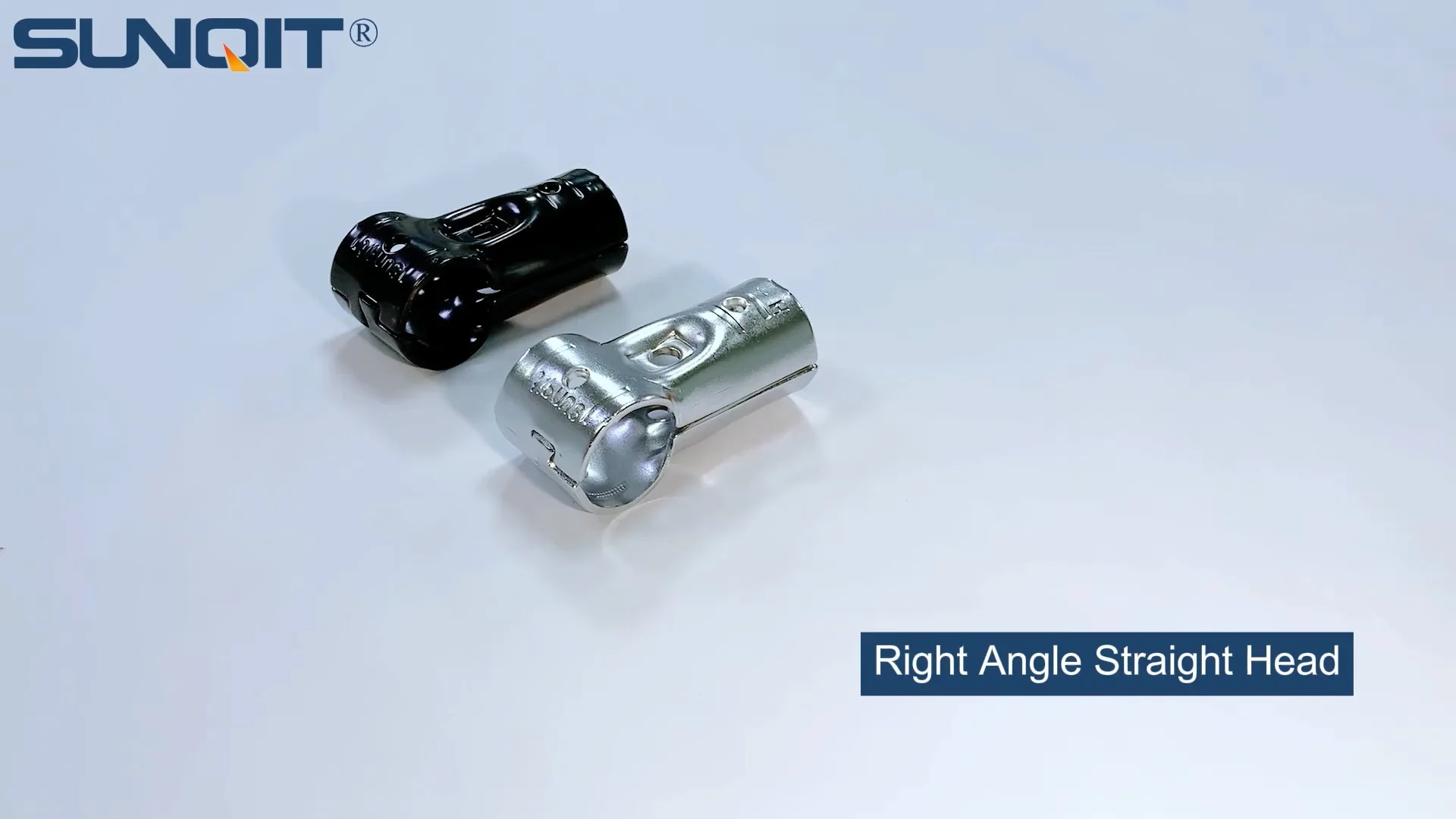
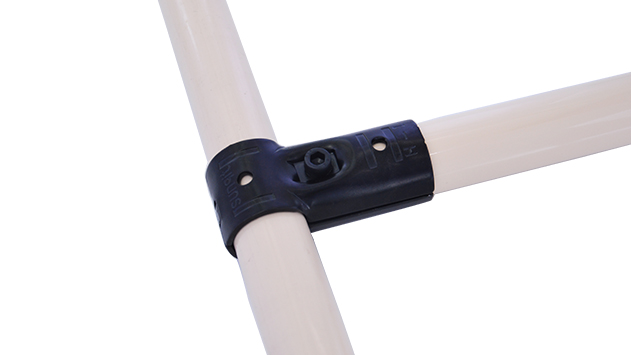
Two way lean pipe joint for 2 pcs 28MM lean pipe connection in straight angle, which used widely in workbench, flow rack, hand trolley frame connection.
The Unsung Heroes of Lean Manufacturing
Walk into any bustling manufacturing plant, warehouse, or assembly line, and you'll quickly spot the quiet workhorses keeping operations running: lean pipe systems. These modular setups—composed of pipes, joints, and accessories—form everything from workbenches and flow racks to conveyors and material trolleys. They're the backbone of lean manufacturing, designed to boost efficiency, flexibility, and organization. But within this network, there's a small yet critical component that often gets overlooked: the two way lean pipe joint. These unassuming connectors are the glue that holds the entire system together, allowing pipes to intersect at precise angles and bear the weight of tools, materials, and daily wear.
Yet, for all their importance, two way lean pipe joints face a constant enemy: rust. In industrial environments—where moisture, chemicals, and heavy use are par for the course—unprotected metal joints can corrode quickly, turning from reliable connectors into weak links. A rusted joint doesn't just look unsightly; it compromises structural integrity, slows down production, and even poses safety risks. That's where chrome coating comes in. Far more than a cosmetic upgrade, chrome coating is a protective shield that transforms vulnerable joints into durable, long-lasting components. In this article, we'll dive into why chrome coating matters for two way lean pipe joints, focusing on its star benefit—unbeatable rust resistance—and explore how it impacts everything from workflow efficiency to bottom-line costs.
What Are Two Way Lean Pipe Joints, Anyway?
Before we jump into chrome coating, let's make sure we're all on the same page about the star of the show: two way lean pipe joints. As the name suggests, these are connectors designed to join two lean pipes at a fixed angle (usually 90 degrees, though some variants allow for adjustments). They're part of the broader family of lean pipe and accessories, which includes everything from straight pipes and casters to roller tracks and workbench components. What makes two way joints unique is their simplicity and versatility—they snap onto pipes with minimal effort, require no welding or special tools, and can be reconfigured as production needs change.
In a typical lean system, two way joints are everywhere. They're the reason you can build a custom workbench with a shelf above, or a flow rack with vertical dividers to separate parts. They handle static loads (like the weight of a tool chest on a workbench) and dynamic loads (like materials sliding down a conveyor). Over time, though, this constant stress, combined with exposure to industrial elements, takes a toll. Without protection, even high-quality steel joints will start to rust, leading to seized connections, wobbly structures, and eventually, system failure. That's why choosing the right coating isn't just an afterthought—it's a decision that impacts the entire system's lifespan.
Fun Fact: The global lean pipe systems market is projected to grow steadily in the next decade, driven by demand for flexible manufacturing solutions. Within this, the "lean pipe joint" segment is expected to see significant growth, as manufacturers prioritize durable, low-maintenance components to reduce downtime.
Rust: The Silent Productivity Killer
To understand why chrome coating is so vital, we first need to understand the enemy: rust. Rust is iron oxide, a chemical reaction that occurs when iron (or steel, which contains iron) comes into contact with oxygen and moisture. In industrial settings, this is a perfect storm: factories often have high humidity, especially near washing stations or coolant systems; floors get wet from spills; and joints are frequently exposed to oils, solvents, or cleaning agents that strip away protective layers. Even in dry environments, dust and debris can trap moisture against the metal, accelerating corrosion.
The consequences of rusted two way lean pipe joints are far more than superficial. Let's break them down:
- Structural Weakness: Rust eats away at the metal, thinning the joint and reducing its load-bearing capacity. A once-sturdy connection might start to bend or snap under pressure, risking damage to equipment or injury to workers.
- Seized Movement: Many lean systems rely on adjustable joints to reconfigure workspaces. Rust can lock joints in place, making it impossible to disassemble or reposition components—defeating the "lean" principle of flexibility.
- Contamination Risks: In industries like food processing or pharmaceuticals, rust flakes can fall into products, leading to quality control issues or regulatory violations.
- Costly Downtime: Replacing rusted joints isn't quick or cheap. It requires shutting down part of the line, removing the old joint, installing a new one, and testing the system—all of which adds up to lost production time.
For example, imagine a busy automotive assembly line where a rusted two way joint on a parts trolley fails. The trolley tips, spilling components across the floor. Workers scramble to clean up, the line pauses, and the delay ripples through the entire shift. Multiply this by dozens of joints across a factory, and the costs—both direct and indirect—skyrocket. That's why preventing rust isn't just about maintenance; it's about protecting your operation's efficiency and profitability.

Chrome Coating: How It Stops Rust in Its Tracks
So, how does chrome coating solve this problem? Chrome coating—also known as chromium plating—involves electroplating a thin layer of chromium onto the surface of the two way lean pipe joint. The process starts with cleaning the joint to remove dirt, oil, and oxides, ensuring the chrome adheres properly. Then, the joint is submerged in a chromic acid solution, and an electric current is applied, causing chromium ions to bond to the metal surface. The result is a hard, smooth layer that acts as a physical barrier between the underlying steel and the elements.
But chrome coating isn't just a shield—it's a smart shield. Here's why it's so effective against rust:
1. Impermeable Barrier: Chromium is highly resistant to corrosion because it forms a thin, invisible oxide layer on its surface when exposed to air. This layer is self-healing: if scratched, it quickly reforms, preventing oxygen and moisture from reaching the steel beneath. Unlike paint or powder coating, which can chip or peel, chrome's bond with the metal is molecular, making it far more durable.
2. Hardness and Wear Resistance: Chrome is one of the hardest metals, with a hardness rating of 8.5 on the Mohs scale (for comparison, steel is around 4-5). This means the coating can withstand scratches, dents, and friction from daily use—so even if the joint rubs against pipes or tools, the protective layer stays intact.
3. Smooth Surface: Chrome plating creates a sleek, non-porous finish that repels water, oil, and debris. Unlike rough, uncoated steel, which traps moisture, chrome allows liquids to bead up and roll off, reducing the chance of corrosion starting in the first place.
To put it simply: chrome coating turns a vulnerable steel joint into a rust-resistant powerhouse. It's like giving the joint a suit of armor—one that's lightweight, invisible, and built to last.

Beyond Rust Resistance: Other Benefits of Chrome Coated Joints
While rust resistance is the primary reason to choose chrome coated two way lean pipe joints, the benefits don't stop there. Chrome coating adds value across multiple areas of your operation:
Durability: As mentioned, chrome is incredibly hard, so coated joints stand up to heavy use, impacts, and abrasion. In high-traffic areas—like a workbench where tools are constantly set down or a conveyor where parts slide by—chrome-coated joints will outlast uncoated or painted alternatives by years.
Low Maintenance: Chrome's smooth surface is easy to clean. A quick wipe with a damp cloth removes dirt, oil, or spills—no need for special cleaners or scrubbing. This saves time for your maintenance team and keeps joints looking new longer.
Aesthetic Appeal: Let's not underestimate the power of a clean, professional look. Chrome has a bright, reflective finish that makes lean systems look polished and well-maintained. This isn't just about appearances; a tidy workspace can boost employee morale and impress clients or auditors.
Compatibility with Lean Pipe and Accessories: Chrome coated two way joints work seamlessly with all standard lean pipe components—aluminum pipes, steel pipes, casters, and brackets. You won't need to replace your existing system to upgrade to chrome-coated joints, making it a cost-effective retrofitting option.
Chrome Coating vs. Other Options: How It Stacks Up
Chrome coating isn't the only way to protect two way lean pipe joints. Let's compare it to other common alternatives to see why it stands out:
| Coating/ Material | Rust Resistance | Durability | Maintenance | Cost | Best For |
|---|---|---|---|---|---|
| Chrome Coating | Excellent (impermeable barrier, self-healing oxide layer) | High (hard, scratch-resistant surface) | Low (easy to clean with water/ mild soap) | Moderate (higher than paint, lower than stainless steel) | General manufacturing, warehouses, automotive, food processing (with proper sealing) |
| Stainless Steel (stainless steel pipe series) | Very Good (contains chromium, forms passive oxide layer) | Very High (resistant to corrosion and wear) | Low (stain-resistant, easy to clean) | High (more expensive than chrome-plated steel) | Medical, pharmaceutical, marine, or high-moisture environments |
| Powder Coating | Good (thick layer, but can chip/ peel) | Moderate (prone to scratches, especially on high-contact joints) | Medium (chips require touch-up to prevent rust) | Low (affordable, but shorter lifespan) | Low-wear applications, temporary setups, or budget-sensitive projects |
| Aluminum Lean Pipe Joints | Good (forms oxide layer, but softer than chrome) | Moderate (softer metal, prone to dents) | Low (resistant to corrosion, but can discolor over time) | Moderate (similar to chrome coating) | Lightweight systems, cleanrooms, or applications where weight is a concern |
As the table shows, chrome coating strikes a balance between rust resistance, durability, and cost that's hard to beat for most industrial applications. Stainless steel (from the stainless steel pipe series) offers excellent rust resistance but at a higher price point—making it overkill for many factories. Powder coating is cheaper but less durable, while aluminum joints are lightweight but softer and more prone to dents. For most lean manufacturing setups, chrome coating delivers the best "bang for your buck."
Real-World Impact: How Chrome-Coated Joints Improve Operations
To put this in perspective, let's look at a real-world example. A mid-sized electronics manufacturer was struggling with frequent joint replacements on their assembly line workbenches. The facility had high humidity due to air conditioning units, and joints were rusting within 6-8 months, leading to wobbly shelves and downtime for repairs. The maintenance team was spending 10+ hours per month replacing joints, costing thousands in labor and lost production.
After switching to chrome-coated two way lean pipe joints, the results were dramatic. Over two years, joint replacements dropped by 90%—only a handful of joints needed replacing, and those were in high-impact areas (like near robotic arms). The maintenance team reallocated their time to more critical tasks, and the assembly line saw a 5% increase in uptime. The initial investment in chrome-coated joints paid for itself within six months, and the manufacturer now uses chrome coating on all new and replacement joints.
Another example: a food packaging plant needed to upgrade its material handling system to meet stricter hygiene standards. They chose chrome-coated joints for their flow racks and conveyors because the smooth, non-porous surface is easy to sanitize and resists corrosion from daily washdowns. Not only did this help them pass their regulatory audit, but it also reduced the risk of product contamination—saving them from costly recalls.
Choosing the Right Supplier: What to Look For
Not all chrome-coated two way lean pipe joints are created equal. To ensure you're getting the best protection, it's important to choose a reputable lean pipe supplier who prioritizes quality. Here are key factors to consider:
Coating Thickness: The thickness of the chrome layer matters. A minimum of 0.0005 inches (5 microns) is standard for industrial applications, but thicker coatings (up to 0.002 inches) offer extra durability for high-wear joints. Ask suppliers for test reports or certifications to verify coating thickness.
Pre-Treatment Process: Proper cleaning and preparation are critical for adhesion. The best suppliers use multi-step pre-treatment (degreasing, pickling, rinsing) to ensure the chrome bonds tightly to the steel, preventing peeling or flaking.
Quality Control: Look for suppliers who inspect each joint for defects like pits, cracks, or uneven coating. A reliable supplier will have strict quality control measures in place to ensure consistency.
Range of Products: Choose a supplier that offers a full line of lean pipe and accessories, including chrome-coated joints, pipes, and brackets. This ensures compatibility and simplifies ordering.
Remember, the cheapest option isn't always the best. A low-quality chrome coating might save you money upfront, but it will fail faster, leading to higher long-term costs. Investing in a trusted supplier pays off in durability and peace of mind.
Conclusion: Chrome Coating—A Small Upgrade with Big Returns
Two way lean pipe joints may be small, but their impact on your operation is huge. They're the connectors that keep your lean system flexible, efficient, and safe. And when it comes to protecting these critical components from rust, chrome coating is more than a luxury—it's a necessity. By forming an impermeable barrier against moisture, oxygen, and industrial chemicals, chrome coating extends joint life, reduces maintenance costs, and keeps your production line running smoothly.
Whether you're building a new lean system or upgrading an existing one, choosing chrome-coated two way lean pipe joints is a decision that pays dividends. It's an investment in durability, efficiency, and peace of mind—proving that sometimes, the smallest components make the biggest difference.
So, the next time you walk through your facility, take a closer look at those two way lean pipe joints. Are they protected? If not, it might be time to consider chrome coating. Your team, your bottom line, and your lean system will thank you.