- Company Articles
- Products and Technology
- Product knowledge
- Why Chrome Finish? Advantages of Lean Pipe Clamp B Chrome Over Uncoated Options

Why Chrome Finish? Advantages of Lean Pipe Clamp B Chrome Over Uncoated Options
Related Product
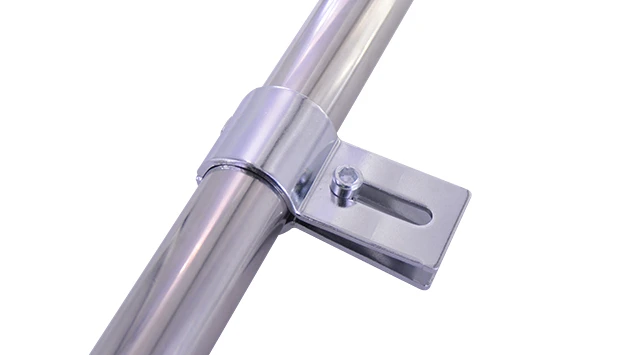
Lean Pipe Clamp B Chrome
Lean pipe clamp is used for turnover trolley, workbench, flowrack adjust the frame or fix some accessory.
Walk into any manufacturing facility, warehouse, or assembly line, and you'll likely spot a network of pipes, joints, and workbenches holding the operation together. These aren't just random pieces of metal—they're the backbone of lean systems , designed to streamline workflows, reduce waste, and keep production moving. But here's the thing: not all components are created equal. Take the humble lean pipe clamp, for example. It's a small part, but its impact on efficiency, durability, and even worker satisfaction can be huge. Today, we're zooming in on one specific star in this category: the lean pipe clamp B chrome . Why does its chrome finish matter, and how does it stack up against uncoated alternatives? Let's dive in.
First, Let's Talk About Lean Pipe Clamp B: What Is It, and Why Does It Matter?
Before we get into the chrome vs. uncoated debate, let's make sure we're all on the same page about what a lean pipe clamp B actually is. In the world of lean manufacturing, pipe clamps are the unsung heroes that hold together structures like workbenches, flow racks, and material trolleys. They connect pipes (often called lean tubes) at angles, allowing teams to build flexible, customizable setups that adapt to changing production needs. Think of them as the "building blocks" of a lean system—without reliable clamps, the entire structure can wobble, wear out, or even fail.
Lean pipe clamp B is a specific type of clamp known for its versatility. It's designed to connect pipes at 90-degree angles (though some variations handle other angles too) and is widely used in everything from simple workbench frames to complex conveyor systems. Now, the key distinction here is the finish: some clamps come uncoated (think bare steel), while others are treated with a chrome plating. That small difference in finish? It's a game-changer.
Advantage 1: Corrosion Resistance—No More Rust, No More Headaches
Let's start with the most obvious (and most frustrating) issue with uncoated clamps: rust. Picture this: a busy electronics assembly line where humidity levels hover around 60% year-round. Workers are constantly moving materials, spilling a drop of water here, a splash of cleaning solution there. An uncoated steel clamp in this environment? It won't last six months before orange-brown rust starts creeping in. And rust isn't just ugly—it's destructive. It weakens the metal, makes the clamp harder to adjust (those threads seize up!), and can even contaminate sensitive products, like circuit boards or medical devices.
Enter lean pipe clamp B chrome . Chrome plating is a electrochemical process that deposits a thin layer of chromium onto the steel surface. This layer acts like a shield, creating a barrier between the steel and the elements. Chromium is naturally resistant to corrosion because it forms a thin, invisible oxide layer when exposed to air—this layer self-heals if scratched, preventing further damage. In practical terms, this means your chrome clamp can stand up to humidity, minor spills, and even dusty or chemical-laden environments (within reason, of course) without turning into a rusty mess. We've seen factories in coastal areas, where salt airs corrosion, report that chrome clamps last 3–5 times longer than uncoated ones. That's a huge difference when you're trying to keep production lines running smoothly.
Advantage 2: Harder, Smoother Surface—Tough Enough for the Toughest Work Environments
Uncoated steel clamps might feel sturdy at first, but they're surprisingly prone to wear and tear. Ever tried tightening an uncoated clamp with a wrench and ended up leaving deep scratch marks? Or noticed that after a few adjustments, the threads start to strip? That's because bare steel has a relatively low surface hardness. Over time, repeated impacts (from dropping tools, bumping materials), friction (from adjusting pipes), and even regular use can take a toll, leading to dents, scratches, and degraded performance.
Chrome plating changes the game here, too. Chromium is much harder than steel—on the Mohs scale of mineral hardness, chromium scores an 8.5, while steel is around 4–4.5. When applied as a plating, it adds a tough outer layer that resists scratches, dents, and abrasion. This means your lean pipe clamp B chrome can handle the daily grind of a busy factory without losing its shape or functionality. The surface is also smoother, which reduces friction when adjusting the clamp. Workers don't have to strain as much to tighten or loosen connections, which speeds up setup times and reduces hand fatigue. It's a small detail, but when you multiply that by hundreds of adjustments per day across a facility, the time savings add up fast.
Advantage 3: Low Maintenance—Spend Less Time Cleaning, More Time Producing
Let's be real: factory maintenance teams have enough on their plates. They're fixing machines, troubleshooting conveyor belts, and ensuring safety standards are met. The last thing they need is to spend hours scrubbing rust off pipe clamps or repainting uncoated parts to prevent corrosion. Uncoated clamps demand regular attention—you might need to sand off rust, apply anti-corrosion spray, or even replace them entirely every year or two. That's time, money, and labor that could be better spent elsewhere.
Chrome clamps? They're practically maintenance-free. The smooth, non-porous surface doesn't trap dirt or grime, so a quick wipe with a damp cloth is usually all it takes to keep them clean. No sanding, no painting, no specialized treatments. In fact, we spoke to a maintenance supervisor at a automotive parts plant who switched to chrome clamps three years ago. He told us, "We used to have a quarterly 'clamp check' where we'd replace 10–15% of our uncoated clamps. Now, with chrome, we maybe replace one or two a year. It's freed up our team to focus on bigger issues, and we've cut maintenance costs by over 60% for that category alone." That's the kind of efficiency lean systems are all about.
Advantage 4: Better Safety and Ergonomics—A Win for Workers
Safety and ergonomics are often overlooked when talking about industrial components, but they're critical. Uncoated clamps, especially as they age, can develop sharp edges from rust or wear. A worker adjusting a pipe might catch their hand on a rough spot, leading to cuts or scrapes. Over time, repeatedly gripping a rough, corroded clamp can also cause hand fatigue or even repetitive strain injuries—something no employer wants.
Lean pipe clamp B chrome solves these issues with its smooth, consistent surface. The chrome plating eliminates rough edges and burrs, making the clamp comfortable to handle. The reduced friction when tightening/loosening also means less force is needed, which eases strain on workers' hands and wrists. In high-volume environments, where workers might adjust clamps dozens of times per shift, this can make a big difference in morale and productivity. Happy, comfortable workers are more efficient workers—and safer ones, too.
Chrome vs. Uncoated: A Side-by-Side Comparison
| Feature | Lean Pipe Clamp B Chrome | Uncoated Lean Pipe Clamp B | Key Benefit of Chrome |
|---|---|---|---|
| Corrosion Resistance | High (resists humidity, salt, minor chemicals) | Low (prone to rust in moist/dusty environments) | Longer lifespan, no rust-related contamination risks |
| Surface Hardness | 8.5 on Mohs scale (scratch/dent resistant) | 4–4.5 on Mohs scale (easily scratched/dented) | Withstands heavy use, maintains functionality longer |
| Maintenance Needs | Minimal (occasional wipe-down) | High (regular rust removal, repainting) | Reduced labor costs, less downtime for maintenance |
| Ergonomics | Smooth surface, low friction adjustment | Rough, may develop sharp edges over time | Reduced hand strain, lower injury risk |
| Estimated Lifespan | 5–7 years (in typical factory use) | 1–2 years (in typical factory use) | Fewer replacements, lower long-term costs |
| Initial Cost | Slightly higher (10–15% more than uncoated) | Lower upfront | Offset by longer lifespan and lower maintenance |
Real-World Impact: How One Factory Boosted Efficiency with Chrome Clamps
To put these advantages into perspective, let's look at a case study. A mid-sized electronics manufacturer in the Midwest was struggling with frequent breakdowns in their assembly line workbenches. Their uncoated lean pipe clamp B s were rusting within a year, leading to wobbly work surfaces and frequent adjustments. Workers complained about sore hands from tightening corroded clamps, and the maintenance team was spending 8–10 hours per month replacing or repairing clamps.
The factory switched to lean pipe clamp B chrome across all workbenches and flow racks. Within six months, they noticed:
- No new rust formation, even in their humid soldering area.
- Maintenance time for clamps dropped to 1 hour per month (a 90% reduction).
- Worker complaints about hand strain decreased by 75%.
- Workbench stability improved, reducing errors in delicate assembly tasks by 12%.
After two years, the factory calculated that the initial investment in chrome clamps had paid for itself through reduced maintenance costs, fewer replacements, and improved productivity. They've since expanded the use of chrome clamps to their conveyor systems and material trolleys.
Advantage 5: Compatibility with Lean Systems—Flexibility That Lasts
Lean systems thrive on flexibility. Production needs change—new products are introduced, batch sizes fluctuate, workflows get redesigned. Your pipe clamps need to keep up, which means they need to work seamlessly with other components like lean pipe joint s, aluminum profiles, and accessories. Uncoated clamps, over time, can develop seized threads or warped surfaces due to rust, making them hard to disassemble or reconfigure. This rigidity goes against the core principles of lean manufacturing, where adaptability is key.
Chrome clamps, with their corrosion-resistant, smooth threads, stay easy to adjust and reposition. Whether you're reconfiguring a workbench to accommodate a new machine or disassembling a flow rack to move it to a different part of the factory, chrome clamps won't let you down. They pair well with standard lean pipe joint s and aluminum profiles, ensuring your lean system remains as flexible as the day it was built—even years down the line.
The Bottom Line: Chrome Finish Is an Investment, Not an Expense
At this point, you might be thinking, "Okay, chrome clamps sound great, but they must cost more, right?" It's true— lean pipe clamp B chrome does have a slightly higher upfront cost than uncoated versions, usually by 10–15%. But here's the thing: when you factor in lifespan (5–7 years vs. 1–2 for uncoated), maintenance costs (minimal vs. high), and productivity gains (less downtime, happier workers), chrome clamps are actually the more cost-effective choice in the long run. It's like buying a high-quality pair of work boots—they cost more upfront, but they last longer and perform better than cheap ones that need replacing every few months.
In the world of lean manufacturing, every component should add value—whether by reducing waste, improving efficiency, or enhancing safety. Lean pipe clamp B chrome checks all these boxes. It resists corrosion, stands up to tough environments, saves maintenance time, keeps workers comfortable, and integrates seamlessly into flexible lean systems. So the next time you're building or upgrading your production line, don't overlook the small stuff. A chrome finish on your clamps might just be the unsung upgrade that takes your operation to the next level.