- Company Articles
- Products and Technology
- Product knowledge
- Why Chrome Finish Is Critical for One Side Rotatory Parallel Lean Pipe Joints in Humid Environments

Why Chrome Finish Is Critical for One Side Rotatory Parallel Lean Pipe Joints in Humid Environments
Related Product
Parallel Lean Pipe Joint
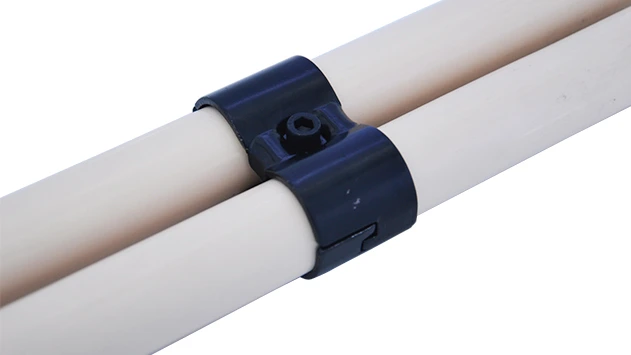
Parallel lean pipe joint used for 2 pcs 28MM lean pipe connection in parallel direction to enhance frame structure, usually for heavy payload requirement for workbench. flow rack, hand trolley.
Walk into any modern manufacturing facility, warehouse, or assembly plant, and you'll likely spot a network of lean pipe systems quietly powering the workflow. From workbenches and material racks to conveyor lines and turnover trolleys, these systems are the backbone of efficient, flexible operations. At the heart of these systems lie the unsung heroes: lean pipe joints . These small but mighty components hold everything together, enabling the adaptability and modularity that make lean systems so valuable. But not all joints are created equal—especially when the environment gets tough. In humid settings, where moisture, condensation, and even chemical exposure are daily realities, one type of joint stands out for its reliability: the one side rotatory straight lean pipe joint chrome . Its chrome finish isn't just a cosmetic choice; it's a critical design feature that can mean the difference between smooth operations and costly downtime. Let's dive into why chrome finish matters so much for these specific joints in humid environments.
The Hidden Challenges of Humid Environments for Lean Pipe Systems
Humidity is more than just a minor inconvenience in industrial settings. It's a silent adversary that can wear down equipment, compromise safety, and erode efficiency over time. Think about a coastal factory where sea air carries salt particles, or a food processing plant where steam and frequent washdowns keep the air thick with moisture. Even in a standard warehouse in a tropical region, daily temperature swings can cause condensation to form on metal surfaces—creating the perfect breeding ground for corrosion, friction, and wear.
For lean pipe systems, which rely on tight connections and smooth movement, humidity introduces three major threats:
1. Corrosion: The Slow Erosion of Integrity
Metal and moisture are a classic recipe for rust, and lean pipe joints are no exception. When unprotected metal surfaces are exposed to humidity, oxygen in the air reacts with the metal to form iron oxide—rust. Over time, rust doesn't just look unsightly; it weakens the joint's structure. A rusted joint may loosen, bend, or even snap under load, putting the entire system at risk. In critical applications, like supporting heavy workbenches or guiding delicate components along a conveyor, a failed joint could lead to damaged products, worker injuries, or halted production.
2. Increased Friction: The Enemy of Smooth Movement
Many lean pipe joints, including the one side rotatory variety, are designed to move. The "rotatory" feature allows for adjustability—think of a workbench that needs to pivot, or a material rack that tilts to unload goods. But humidity can gum up the works. Moisture mixed with dust, grease, or debris forms a gritty paste that clogs the joint's moving parts. Without proper protection, the joint may start to stick, requiring more force to adjust or even seizing up entirely. This not only slows down workflows but also increases wear on the joint itself, shortening its lifespan.
3. Chemical and Contaminant Exposure
Humid environments often go hand-in-hand with other corrosive elements. In automotive plants, for example, cleaning agents and lubricants can splash onto lean pipe systems. In pharmaceutical facilities, sanitizing solutions may linger in the air. In marine or coastal settings, saltwater mist accelerates corrosion. These chemicals can eat away at uncoated or poorly coated metal, turning small scratches into large areas of damage. For joints that need to maintain a tight seal or smooth rotation, this type of degradation is especially problematic.
Chrome Finish: More Than Just Shine—A Protective Powerhouse
So, how does chrome finish address these challenges? To understand, let's first clarify what "chrome finish" means in this context. When we talk about chrome-plated lean pipe joints, we're referring to a process called electroplating, where a thin layer of chromium is deposited onto the surface of the base metal (usually steel or iron). This layer is incredibly thin—often just a few micrometers thick—but its properties are game-changing for humid environments.
Corrosion Resistance: A Barrier Against Moisture
Chromium is naturally resistant to corrosion because it forms a passive oxide layer when exposed to oxygen. Unlike rust, which flakes off and exposes fresh metal, this oxide layer is stable and self-healing. If the chrome finish gets a small scratch, the surrounding chromium reacts with oxygen to form a new protective layer, preventing further damage. This makes chrome-plated joints far more resilient than bare steel or even painted alternatives in humid conditions. While paint can chip or peel, leaving the metal underneath vulnerable, chrome bonds tightly to the base metal, creating a continuous shield against moisture and contaminants.
Low Friction: Keeping Rotation Smooth
The one side rotatory straight lean pipe joint is designed to rotate along one axis, allowing for precise adjustments. In humid environments, moisture can increase friction between moving parts, making rotation stiff or uneven. Chrome's smooth, hard surface reduces this friction significantly. Unlike rough, uncoated metal, which can "grab" when wet, chrome provides a slick interface that allows the joint to pivot freely, even with minimal lubrication. This is especially important in high-use applications, where frequent adjustments are part of the daily routine—imagine a production line where workers need to reposition a workbench multiple times a shift; a sticky joint would slow them down and increase frustration.
Durability: Standing Up to Wear and Tear
Humid environments don't just introduce moisture—they often mean more frequent cleaning. Pressure washing, wiping with damp cloths, or exposure to industrial cleaners can wear down softer finishes. Chrome is one of the hardest plating materials available, ranking high on the Mohs scale of hardness. This toughness means the finish resists scratches, dents, and abrasion, even with regular cleaning. A chrome-plated joint will maintain its protective properties longer than a zinc-plated or powder-coated alternative, which can wear thin over time. For lean pipe systems that are built to last and adapt, this durability translates to lower replacement costs and less maintenance.

Why One Side Rotatory Parallel Lean Pipe Joints Need Chrome Finish Most
Not all lean pipe joints face the same challenges. Fixed joints, for example, don't move, so friction is less of a concern. But the one side rotatory straight lean pipe joint chrome is a special case. Its design combines two critical features: rotation and a single-sided pivot point. This makes it ideal for applications where flexibility is key—like adjustable workbenches, tiltable material racks, or conveyor sections that need to angle for loading. But these same features also make it more vulnerable in humid environments. Let's break down why:
The Rotation Mechanism: A Moisture Magnet
The rotation point of the joint is a tiny gap where the moving parts meet. In humid air, this gap is a prime spot for condensation to collect. Without a protective finish, moisture can seep into the gap, causing rust to form between the metal components. Over time, rust buildup will stiffen the joint, making rotation difficult or impossible. Chrome finish seals this gap by creating a smooth, non-porous surface that repels moisture. Even if some condensation forms, the chrome prevents it from reaching the base metal, keeping the rotation mechanism clean and functional.
Single-Sided Pivot: Uneven Stress, Uneven Wear
Unlike multi-axis joints, which distribute stress evenly, the one side rotatory joint pivots on a single axis, meaning one side bears more load and friction than the other. In humid conditions, this uneven stress can accelerate wear on unprotected metal. The harder, smoother chrome surface reduces friction on the pivot point, evening out wear and extending the joint's lifespan. Additionally, the corrosion resistance of chrome ensures that the stressed areas don't develop weak spots due to rust, which could lead to bending or breaking under load.
Modularity and Reusability: A Long-Term Investment
Lean systems are all about adaptability. A single lean pipe joint might be disassembled, moved, and reassembled multiple times over its lifetime as workflows change. In humid environments, repeated handling can expose joints to more moisture and contaminants. Chrome-plated joints stand up to this abuse better than others. Their resistance to corrosion and wear means they maintain their functionality even after multiple installations, making them a more sustainable, cost-effective choice than joints that need to be replaced after a few moves.

Chrome vs. Other Finishes: A Head-to-Head Comparison in Humid Conditions
You might be wondering: Are there other finishes that can stand up to humidity? Let's compare chrome to three common alternatives—zinc plating, powder coating, and stainless steel—to see how they stack up in humid environments, specifically for one side rotatory lean pipe joints.
| Finish Type | Corrosion Resistance in Humidity | Friction Level (Critical for Rotation) | Durability (Resistance to Scratches/Cleaning) | Best For |
|---|---|---|---|---|
| Chrome Plating | Excellent—self-healing oxide layer repels moisture and salt. | Low—smooth surface allows easy rotation with minimal lubrication. | High—hard finish resists scratches and abrasion from cleaning. | Rotatory joints in high-humidity, high-use environments (coastal plants, food processing, pharmaceutical). |
| Zinc Plating | Good—zinc acts as a sacrificial layer, but can corrode over time in salt or heavy moisture. | Moderate—zinc is softer than chrome, so friction increases with wear. | Moderate—prone to scratches, which expose base metal to corrosion. | Dry or low-humidity environments with minimal rotation. |
| Powder Coating | Poor—prone to chipping/peeling, leaving metal exposed. Moisture seeps under chips, causing rust. | High—thick, textured finish increases friction; not ideal for moving parts. | Moderate—resists abrasion but chips easily with impact. | Fixed joints in dry, indoor settings where aesthetics matter more than function. |
| Stainless Steel (304/316) | Excellent—naturally corrosion-resistant, even in saltwater. | Moderate—smoother than zinc but not as slick as chrome; may require more lubrication. | High—durable but heavier and more expensive than chrome-plated steel. | Extreme environments (marine, chemical processing) where cost is less of a concern. |
As the table shows, chrome plating strikes the best balance of corrosion resistance, low friction, and durability for one side rotatory joints in humid environments. Stainless steel comes close but is significantly heavier and costlier, making it overkill for most lean pipe applications. Zinc and powder coating simply can't keep up with the demands of rotation and moisture exposure.
Real-World Examples: Chrome Finish in Action
To understand the impact of chrome finish, let's look at two real-world scenarios where humid environments put lean pipe joints to the test—and how chrome-plated one side rotatory joints made all the difference.
Case Study 1: A Coastal Electronics Assembly Plant
A mid-sized electronics manufacturer in Florida faced constant issues with their lean pipe workbenches. The plant, located just miles from the coast, had high humidity year-round, with salt-laden air blowing in during storms. Initially, they used zinc-plated lean pipe joints for their adjustable workbenches, which featured one side rotatory joints to tilt the work surface for ergonomic assembly. Within six months, workers reported that the joints were sticking, requiring excessive force to adjust. Inspection revealed rust forming inside the rotation points, and some joints had even seized completely. The plant switched to
one side rotatory straight lean pipe joint chrome
and noticed an immediate improvement. Two years later, the joints still rotated smoothly, with no signs of rust. Maintenance costs dropped by 40%, and worker satisfaction scores related to equipment usability rose significantly.
Case Study 2: A Food Processing Facility in Southeast Asia
A food packaging plant in Thailand operates in a hot, humid climate, with daily washdowns to meet hygiene standards. Their material racks, which used uncoated steel lean pipe joints, were constantly rusting, even with weekly painting. The racks featured one side rotatory joints to angle the shelves for easy access to ingredients. The rust not only weakened the joints but also posed a contamination risk, as flaking rust could fall into food products. After switching to chrome-plated joints, the plant saw a dramatic reduction in rust. The smooth chrome surface was also easier to clean, as food residue didn't stick to it as readily. Over three years, the plant reduced joint replacements by 75% and passed a critical safety audit with zero contamination findings related to rust.
Maintaining Chrome-Plated Joints in Humid Environments: Tips for Longevity
While chrome finish is highly resistant to humidity, it's not maintenance-free. To maximize the lifespan of your one side rotatory straight lean pipe joint chrome , follow these simple tips:
1. Keep Them Clean
Even chrome can accumulate dirt, grease, or salt, which can trap moisture against the surface. Wipe joints regularly with a damp cloth and mild detergent, then dry thoroughly. Avoid abrasive cleaners or scouring pads, which can scratch the chrome and compromise the protective layer.
2. Lubricate Moving Parts
While chrome reduces friction, a light coat of lubricant (like silicone spray or machine oil) will keep the rotation mechanism running smoothly. Apply lubricant every few months, or more frequently if the joint is used heavily. Be sure to wipe away excess lubricant to prevent attracting dust.
3. Inspect for Damage
Check joints periodically for scratches, dents, or signs of peeling. Small scratches can often be buffed out with a soft cloth and chrome polish. For deeper damage, consider replacing the joint to prevent rust from spreading.
4. Avoid Chemical Exposure
While chrome is resistant to many chemicals, strong acids or alkalis can damage the finish. If the joint is exposed to cleaning agents or industrial fluids, rinse it immediately with water and dry thoroughly.
Choosing the Right Supplier: Why Quality Chrome Plating Matters
Not all chrome-plated joints are created equal. The quality of the plating process—thickness, adhesion, and uniformity—varies widely between suppliers. A poorly plated joint may have thin spots, bubbles, or gaps in the chrome layer, which can lead to premature corrosion in humid environments. When selecting a supplier for one side rotatory straight lean pipe joint chrome , look for these signs of quality:
• Thickness of the Chrome Layer
Ask for specifications on the plating thickness. Most industrial-grade chrome-plated joints have a thickness of 5-10 micrometers. Thinner layers may wear quickly, while thicker layers can be brittle.
• Pretreatment Process
The base metal must be thoroughly cleaned and prepared before plating to ensure adhesion. Suppliers should use processes like degreasing, pickling, and zinc plating (a "strike" layer) to prepare the surface for chrome. Skipping these steps can lead to peeling or flaking.
• Quality Control Testing
Reputable suppliers will test their chrome-plated joints for corrosion resistance using methods like salt spray testing (ASTM B117). Look for joints that pass at least 48 hours of salt spray testing without rusting.
Conclusion: Chrome Finish—The Humidity-Proofing Your Lean System Needs
In the world of lean manufacturing, every component counts. The one side rotatory straight lean pipe joint chrome may seem like a small part of a larger system, but its chrome finish plays a critical role in ensuring reliability and efficiency—especially in humid environments. By repelling moisture, reducing friction, and standing up to wear and tear, chrome finish transforms these joints from potential weak points into durable, long-lasting assets. Whether you're running a coastal factory, a food processing plant, or any facility where humidity is a constant challenge, investing in chrome-plated rotatory joints is an investment in smooth operations, lower maintenance costs, and peace of mind. After all, in lean systems, the goal is to eliminate waste—and nothing wastes time or money like a seized, rusted joint. So the next time you're designing or upgrading your lean pipe system, remember: when humidity is in the air, chrome finish is the clear choice.