- Company Articles
- Products and Technology
- Product knowledge
- Why Chrome-Plated Three Way Lean Pipe Joints Are Ideal for Material Racks

Why Chrome-Plated Three Way Lean Pipe Joints Are Ideal for Material Racks
Related Product
Three Way Lean Pipe Joint
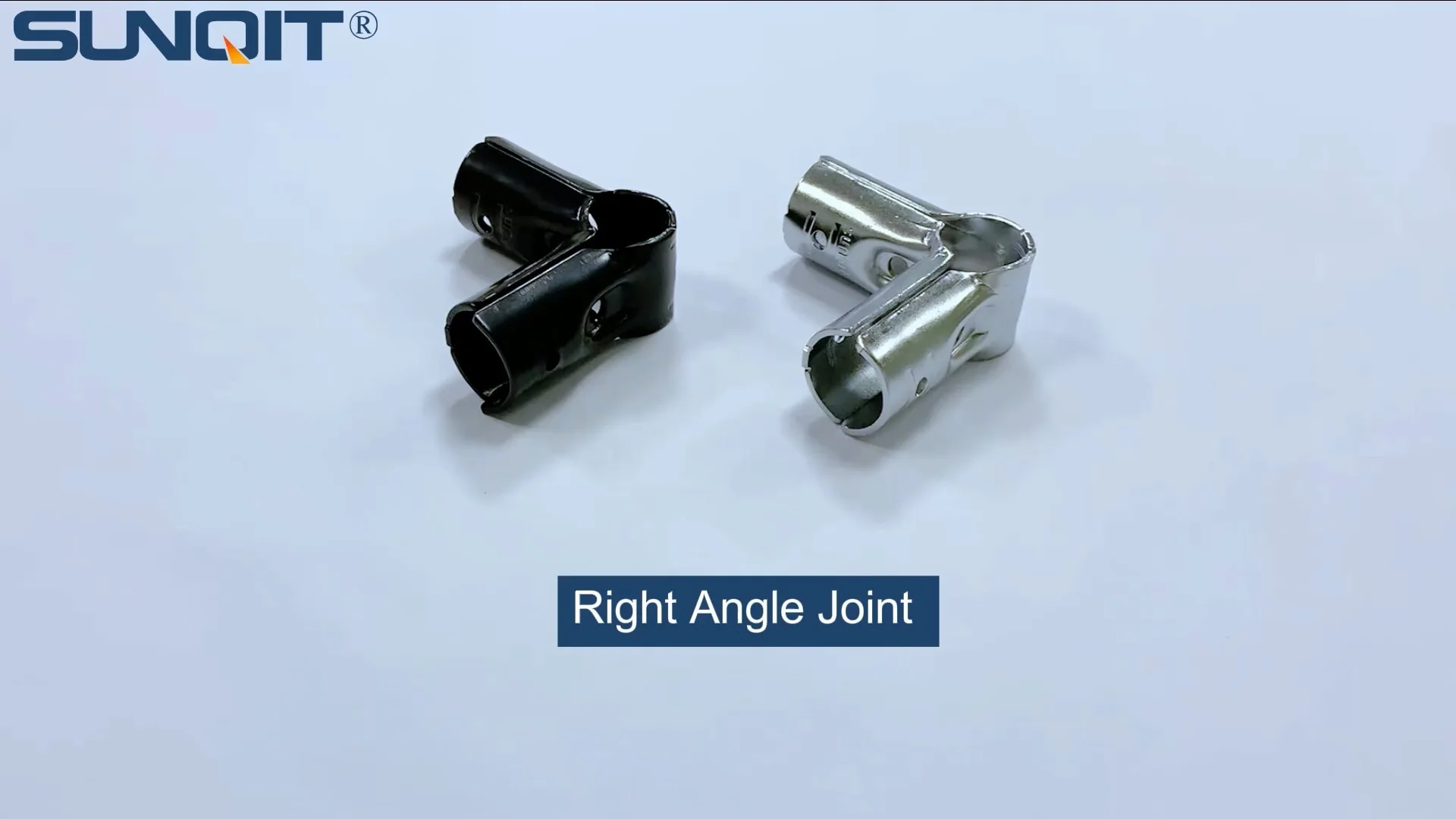
Three way lean pipe joint for 3 pcs 28MM lean pipe connection in straight angle, which used widely in workbench, flow rack, hand trolley frame connection.
How a small component transforms efficiency, flexibility, and durability on the factory floor
The Backbone of Factory Efficiency: Material Racks That Work as Hard as Your Team
Walk into any manufacturing facility, warehouse, or assembly plant, and you'll notice a silent workhorse keeping operations running smoothly: material racks. These unassuming structures hold everything from raw components to finished products, ensuring items are within arm's reach for workers and organized in a way that minimizes wasted time. But not all material racks are created equal. A rickety rack that wobbles under heavy loads, a rigid setup that can't adapt to changing production needs, or a corroded frame that risks damaging sensitive parts—these are more than just annoyances. They're bottlenecks. They slow down workflows, increase the risk of accidents, and eat into your bottom line.
This is where lean pipe systems step in—and at the heart of these systems lies a component so critical, yet often overlooked: the chrome-plated three way lean pipe joint. While lean pipe itself gets plenty of attention for its versatility, it's the joints that turn a bundle of tubes into a sturdy, customizable material rack. In this article, we'll dive into why these specific joints are the unsung heroes of efficient material storage, and how they can transform your facility's organization from frustratingly static to dynamically productive.
Lean Pipe Systems 101: More Than Just Pipes and Joints
Before we zoom in on the joints, let's take a quick step back to understand lean pipe systems as a whole. Also known as "flexible pipe systems," these setups are built using lightweight, durable tubes—typically steel or aluminum—connected by modular joints. Unlike traditional metal shelving or welded racks, lean pipe systems are designed for adaptability. Need a taller rack to store bulkier items? Swap out shorter pipes for longer ones. Reorganizing your production line and need the rack moved? Disassemble it in minutes and rebuild elsewhere. This flexibility aligns perfectly with lean manufacturing principles, where waste reduction and continuous improvement are key.
Lean pipe systems are everywhere in modern facilities: from workbenches where assembly happens to flow racks that feed parts to production lines, and yes, material racks that keep inventory organized. What makes them so popular? They're cost-effective (no expensive custom fabrication), easy to assemble (no welding or specialized tools required), and highly customizable. But none of this would be possible without reliable, well-designed joints. And among the many joint types available—two-way, four-way, swivel—the chrome-plated three way lean pipe joint stands out for material rack applications.

Meet the Star: Chrome-Plated Three Way Lean Pipe Joints
Let's get up close with the joint itself. A chrome-plated three way lean pipe joint is exactly what it sounds like: a small, often cylindrical or triangular component with three connection points, each designed to secure a lean pipe. The "chrome-plated" part is crucial—it's not just for aesthetics. Chrome plating adds a hard, corrosion-resistant layer to the underlying metal (usually steel), making the joint more durable and easier to clean. The "three way" design means it can connect pipes in three directions—typically, one vertical and two horizontal, or any combination that forms a stable 90° or 180° angle. This might sound simple, but that simplicity is its greatest strength.
Imagine building a material rack: you need vertical supports (the legs), horizontal beams (the shelves), and cross-braces (for stability). A three way joint lets you connect all three at once. For example, at the corner of a shelf, you can attach a vertical pipe (support), a horizontal pipe (shelf front), and another horizontal pipe (shelf side)—all with a single joint. This not only speeds up assembly but also creates a stronger connection than using multiple two-way joints, which can loosen over time.

5 Reasons Chrome-Plated Three Way Joints Are Perfect for Material Racks
Now, let's break down why these joints are specifically ideal for material racks. We'll focus on five key benefits that directly address the challenges of storing and organizing materials in a busy facility.
1. Unmatched Stability for Heavy Loads
Material racks don't just hold light items—they often bear the weight of metal components, tooling, or bulk inventory. A wobbly rack isn't just inefficient; it's dangerous. Chrome-plated three way joints excel here because of their design. The three connection points distribute weight evenly across the structure, reducing stress on individual pipes. The chrome plating also adds rigidity to the joint itself, preventing bending or warping under load. Compare this to plastic joints, which can crack under heavy weight, or poorly made steel joints that might loosen over time. With these chrome-plated joints, you can trust that your rack will stay steady, even when fully loaded with heavy materials.
2. Flexibility to Adapt to Any Material
Material racks need to handle a wide range of items: small electronic parts in bins, large automotive components, or fragile goods that require extra spacing. One size rarely fits all, and that's where the three way joint's flexibility shines. Because they connect pipes in three directions, you can easily adjust shelf heights, add cross-braces for dividers, or even build multi-tiered racks (like the popular "material rack b (3 row and 3 floor)" setup) to separate different materials. Need to expand a rack from 2 shelves to 4? Just add more pipes and three way joints. Have oddly shaped items that need custom spacing? Angle the joints to create sloped shelves or irregular configurations. This adaptability means your material rack grows and changes with your inventory, not the other way around.
3. Durability That Stands Up to Factory Conditions
Factory floors are tough environments. There's dust, moisture, occasional spills, and constant wear and tear from workers moving materials around. A joint that rusts, cracks, or degrades quickly will turn your "flexible" rack into a liability. Chrome plating solves this problem. The chrome layer acts as a barrier, protecting the underlying steel from corrosion caused by moisture or chemicals. It's also scratch-resistant, so even if a pallet or tool bumps into the joint, it won't chip or weaken. This durability extends the life of your material rack significantly, reducing the need for frequent replacements. In fact, well-maintained chrome-plated joints can last for years, even in high-traffic areas.
4. Quick Assembly and Disassembly (No Welding Required)
Traditional welded racks require skilled labor and time to build. If you need to modify them later, you're looking at grinding down welds and re-welding—a messy, time-consuming process. Chrome-plated three way lean pipe joints eliminate this hassle. Most models use set screws or clamping mechanisms to secure pipes; just tighten with a hex key, and you're done. Disassembly is just as easy: loosen the screws, remove the pipes, and rebuild. This speed is a game-changer for facilities that need to adapt quickly. For example, during a production rush, you might need a temporary material rack to hold extra parts. With these joints, a team can assemble a sturdy rack in under an hour. When the rush is over, take it apart and store the pipes and joints for future use—no waste, no extra cost.
5. Cost-Effective in the Long Run
At first glance, chrome-plated joints might cost a bit more than basic plastic or unplated steel joints. But consider the long-term savings: their durability means you won't need to replace them as often. Their reusability means you can repurpose them when your needs change (no buying new joints for every new rack). And their ease of assembly reduces labor costs—no need to hire welders or pay for custom fabrication. When you factor in these savings, chrome-plated three way joints are actually the more economical choice, especially for material racks that see heavy use.

How Do They Compare to Other Joint Types? A Quick Look
To really understand why chrome-plated three way joints are ideal for material racks, let's compare them to other common joint types. The table below breaks down key factors like durability, flexibility, and best use cases:
| Joint Type | Material | Connection Points | Durability | Best For | Limitations for Material Racks |
|---|---|---|---|---|---|
| Chrome-Plated Three Way Lean Pipe Joint | Chrome-plated steel | 3-way (e.g., vertical + 2 horizontal) | High (corrosion-resistant, scratch-proof) | Material racks, flow racks, heavy-duty shelving | None—ideal balance of stability, flexibility, and cost |
| Plastic Two-Way Joint | Nylon or polypropylene | 2-way (straight or 90° angle) | Low to medium (prone to cracking under heavy loads) | Light-duty shelving, temporary displays | Not suitable for heavy materials; limited connection options |
| Stainless Steel Four-Way Joint | Stainless steel | 4-way (up, down, left, right) | High (excellent corrosion resistance) | Cleanrooms, food processing facilities | Overly complex for most material racks; higher cost |
| Unplated Steel Swivel Joint | Plain steel | 2-way (with 360° rotation) | Medium (prone to rust without plating) | Adjustable workbenches, tilt shelves | Swivel function adds instability for static material storage |
As you can see, chrome-plated three way joints strike the perfect balance for material racks. They offer the durability of stainless steel without the added cost, the flexibility of multi-way connections without overcomplicating assembly, and the stability needed for heavy loads—something plastic joints simply can't match.
Real-World Example: A Factory's Transformation with Chrome-Plated Three Way Joints
From Wobbly Racks to Streamlined Storage: A Case Study
Let's look at a real scenario to bring this to life. A mid-sized automotive parts manufacturer was struggling with their material storage. They used a mix of old wooden shelves and welded metal racks. The wooden shelves sagged under the weight of metal components, and the welded racks were fixed in place—so when the production line reorganized, the racks couldn't move with it. Workers were wasting time walking to distant racks, and there were frequent near-misses with unstable shelves.
The solution? They switched to lean pipe material racks built with chrome-plated three way joints. Here's what changed:
- Stability: The three way joints secured vertical and horizontal pipes tightly, eliminating wobbling. Even fully loaded with 50-pound parts bins, the racks stayed steady.
- Customization: They built a "material rack b (3 row and 3 floor)" design, with adjustable shelf heights to fit different part sizes. No more cramming large parts into too-small spaces.
- Mobility: By adding casters (another lean pipe accessory) to some racks, they could roll materials directly to the production line, cutting down on walking time.
- Durability: After six months of use, the chrome plating showed no signs of rust or scratches, even in the factory's humid environment.
The result? A 25% reduction in time spent retrieving materials and a 40% drop in near-miss accidents. The plant manager noted, "We used to dread reorganizing because it meant buying new racks. Now, we just take apart the old ones and rebuild with the same pipes and joints. It's like having a storage system that grows with us."
Choosing the Right Lean Pipe Supplier for Your Joints
Of course, not all chrome-plated three way lean pipe joints are created equal. To get the benefits we've discussed, you need high-quality joints from a reliable lean pipe supplier. Here's what to look for when choosing a supplier:
- Material Quality: Ensure the base metal is high-grade steel and the chrome plating is thick enough to resist corrosion. Ask for specifications on plating thickness (ideally 0.0005 inches or more).
- Precision Engineering: The joint's connection points should fit lean pipes snugly. Loose fits lead to instability, so look for suppliers that use precision machining.
- Accessory Availability: A good supplier will also offer lean pipe, casters, roller track, and other accessories you might need to complete your material rack.
- Technical Support: If you're new to lean pipe systems, choose a supplier that can help with design advice (e.g., "What's the best way to build a rack for heavy materials?").
Conclusion: The Small Joint That Makes a Big Difference
Material racks might not be the most glamorous part of manufacturing, but they're essential to keeping operations running smoothly. And when it comes to building racks that are stable, flexible, and durable, chrome-plated three way lean pipe joints are the clear choice. They're the unsung heroes that turn simple pipes into powerful tools for efficiency—solving common storage headaches and adapting to your facility's changing needs.
Whether you're building a new material rack, upgrading old shelving, or just looking to improve your lean manufacturing setup, don't overlook the joints. Invest in chrome-plated three way lean pipe joints, and you'll get a storage solution that's not just functional today, but ready to grow with you tomorrow. After all, in lean manufacturing, every component counts—and this small joint might just be the key to unlocking your facility's full potential.