- Company Articles
- Products and Technology
- Product knowledge
- Why Duplex Aluminum Pipe Joints Are Ideal for Modular Lean Systems

Why Duplex Aluminum Pipe Joints Are Ideal for Modular Lean Systems
Related Product
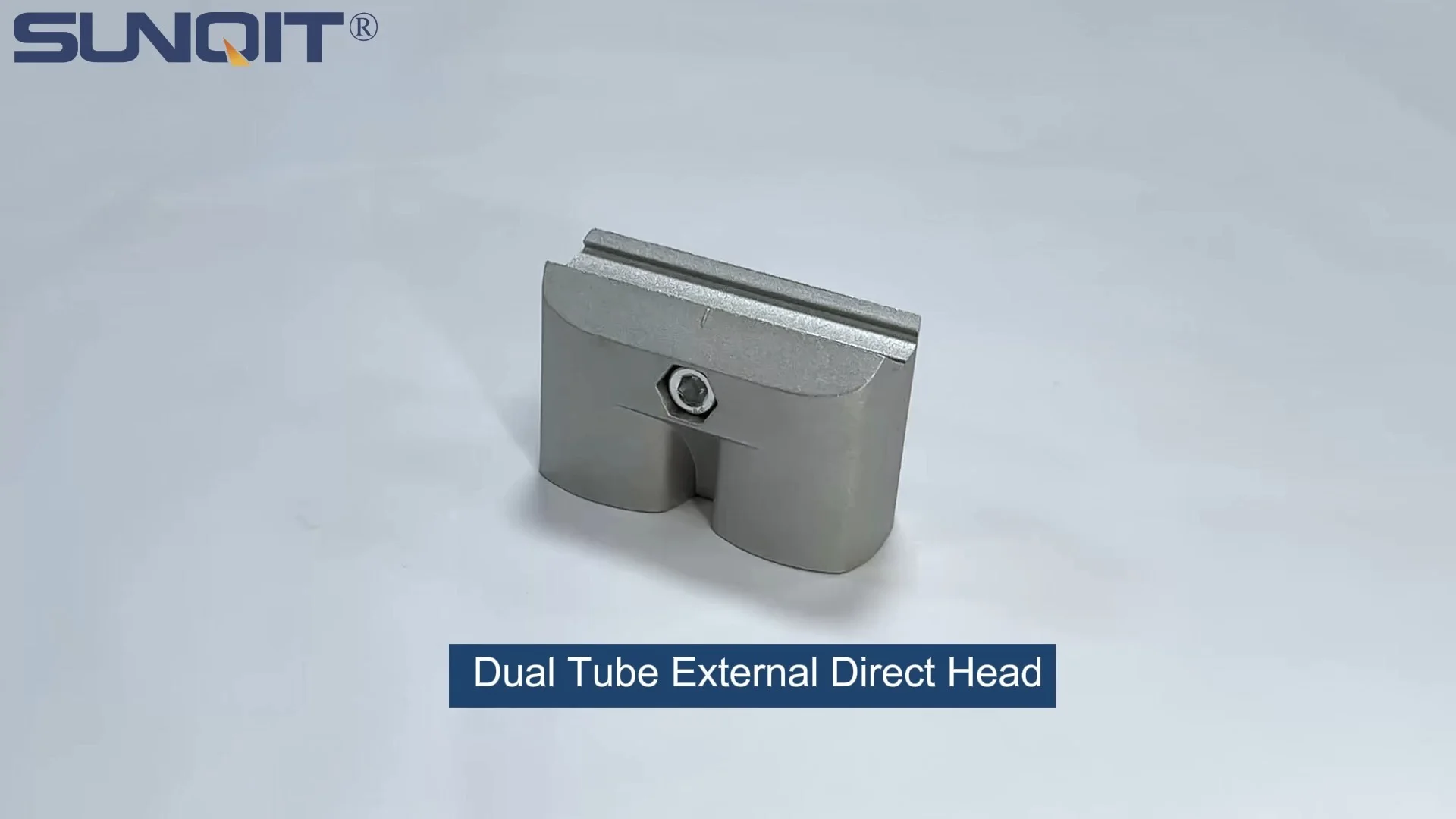
Duplex Aluminum Pipe Joint
Duplex Aluminum pipe joint used for one pcs 28pcs aluminum pipe and one pcs of 28mm duplex pipe connection in straight angle.
Walk into any thriving manufacturing facility today, and you'll notice a quiet revolution unfolding on the factory floor. The days of rigid, one-size-fits-all production lines are fading fast, replaced by systems that bend, adapt, and grow with the business. At the heart of this shift lies the principle of lean manufacturing—eliminating waste, streamlining processes, and prioritizing efficiency. But here's the catch: lean systems can only deliver on their promise if the tools and structures supporting them are just as flexible. That's where duplex aluminum pipe joints come in. These unassuming components are quietly transforming how teams build, modify, and optimize their workspaces, making them indispensable for anyone invested in a truly agile lean system.
Understanding Modular Lean Systems: The Need for Adaptability
Before diving into the specifics of duplex aluminum pipe joints, let's take a step back to understand why modularity matters in lean systems. Lean manufacturing isn't just a buzzword—it's a mindset centered on continuous improvement. It asks: How can we do more with less? How can we reduce downtime, minimize unnecessary movement, and respond faster to changing customer demands? For years, manufacturers answered these questions with fixed infrastructure: welded steel workbenches, immovable material racks, and conveyor systems bolted to the floor. While these structures were sturdy, they came with a hidden cost: inflexibility. When a new product line was introduced, or a process was optimized, teams often had to rebuild entire sections of their workspace from scratch—a time-consuming, expensive exercise in waste itself.
Modular lean systems solve this problem by breaking down workspaces into interchangeable components. Think of it like building with advanced Lego blocks: instead of a single, solid structure, you have pipes, joints, and accessories that can be assembled, disassembled, and reconfigured in endless combinations. This modularity aligns perfectly with lean goals. Need to add a shelf to a workbench? Swap out a section. Redesign a flow rack to accommodate larger parts? Rearrange the pipes. The key is that every component works together seamlessly, giving teams the freedom to iterate without starting over. And at the core of this modular ecosystem? Duplex aluminum pipe joints.
What Are Duplex Aluminum Pipe Joints, Exactly?
Let's start with the basics. Duplex aluminum pipe joints are specialized connectors designed to link aluminum lean pipes (another critical component of modular systems) into stable, functional structures. Unlike traditional steel joints, which often require welding or heavy tools, duplex joints are engineered for simplicity. They typically feature a dual-locking mechanism—hence "duplex"—that secures pipes in place with minimal effort. Most can be tightened by hand or with a basic hex key, making assembly and disassembly a one-person job, even in tight spaces.
But what really sets them apart is their material: aluminum. Aluminum brings a unique set of advantages to the table. It's lightweight, so even large structures like flow racks or turnover trolleys can be moved by hand, reducing the need for heavy machinery. It's naturally resistant to corrosion, making it suitable for environments where moisture or chemicals might be present—think food processing plants or automotive workshops. And despite its lightness, aluminum offers impressive strength, especially when paired with the right aluminum lean pipe and accessories. This combination of strength, lightness, and durability makes duplex aluminum joints a standout choice for modular systems.

5 Key Benefits of Duplex Aluminum Pipe Joints for Lean Systems
1. Unmatched Flexibility: Build, Break, Rebuild—No Expertise Required
The most obvious advantage of duplex aluminum pipe joints is their flexibility. Traditional steel joints often require welding or specialized tools, which means modifying a structure means calling in a technician or halting production. Duplex joints eliminate that barrier. With a simple twist of a key, you can loosen a joint, reposition a pipe, and lock it back in place—all in a matter of minutes. This is a game-changer for lean teams. Imagine a scenario where a product design changes mid-production: instead of waiting days for a new workbench, the team can adjust the existing one during a lunch break. Or consider seasonal demand spikes: temporary flow racks can be assembled quickly and disassembled just as fast when the rush is over. This kind of agility directly reduces waste—time waste, labor waste, and material waste—and that's the heart of lean.
2. Durability That Stands Up to Real-World Use
You might be thinking: "If they're so easy to adjust, are they strong enough?" The answer is a resounding yes. Duplex aluminum pipe joints are built to handle the rigors of daily factory life. The aluminum alloy used is often reinforced at stress points, ensuring joints don't warp or weaken under repeated use. The dual-locking mechanism also plays a role here: by distributing pressure evenly across the pipe, it creates a stable connection that resists vibration—a common issue in busy workshops. Many manufacturers report using the same duplex joints for years, even through multiple reconfigurations, without noticeable wear. Compare that to plastic joints, which can crack under heavy loads, or basic steel joints that rust and seize up over time, and the durability of duplex aluminum becomes clear.
3. Compatibility with a Wide Range of Aluminum Pipe Accessories
A modular system is only as good as its ability to work with other components, and duplex aluminum pipe joints excel here. They're designed to pair seamlessly with aluminum lean pipe, but their utility doesn't stop there. Need to add casters to a trolley? Screw on a caster wheel adapter (compatible with standard caster accessories) and you're mobile. Want to build a flow rack with roller tracks? Attach roller track connectors directly to the joints. From workbench surfaces to tool holders, lighting brackets to shelf dividers, the range of compatible aluminum pipe accessories is vast. This interoperability means you're not locked into a single brand or system—you can mix and match components to create exactly what your team needs, without worrying about compatibility headaches.
4. Lightweight Design Reduces Strain and Improves Safety
Heavy equipment is a common source of workplace injuries, from strained backs to accidents involving forklifts. Duplex aluminum pipe joints address this by keeping structures lightweight. Aluminum is about one-third the weight of steel, so even a large workbench or material rack can be moved by two people without mechanical help. This not only reduces the risk of injury but also makes it easier to reorganize the workspace on the fly. For example, a team might need to shift a line of flow racks to accommodate a new machine—with aluminum-based structures, this can be done in an afternoon, whereas steel structures might take days and require specialized equipment. Lighter structures also mean less wear and tear on floors and foundations, extending the life of your facility.
5. Cost-Effective in the Long Run (Yes, Really)
It's true: duplex aluminum pipe joints often have a higher upfront cost than basic plastic or steel joints. But lean thinking is about the long game, and here's where aluminum shines. Because they're reusable, durable, and adaptable, duplex joints drastically reduce the need to buy new components. A single set of joints can be repurposed dozens of times—from a workbench today to a turnover trolley tomorrow to a material rack next month. Plastic joints might cost less initially, but they crack under heavy use and need replacement. Steel joints rust, seize, or require welding to modify, leading to hidden costs in labor and downtime. Over time, the total cost of ownership for duplex aluminum joints is far lower, making them a smart investment for any lean-focused operation.
Real-World Example: A mid-sized electronics manufacturer recently switched to duplex aluminum pipe joints for their assembly line workbenches. Previously, they used welded steel workbenches that took 2-3 days to modify when product specs changed. With duplex joints, their team now reconfigures workbenches in under an hour, reducing downtime by 90%. They also repurposed old joints to build temporary flow racks during peak seasons, eliminating the need to rent or buy new equipment. "It's like having a workshop that can read our minds," one production manager noted. "We don't just save time—we save the frustration of being stuck with tools that can't keep up."

Duplex Aluminum Joints vs. Alternatives: A Clear Winner for Lean Systems
To truly appreciate why duplex aluminum pipe joints stand out, let's compare them to the two most common alternatives: traditional steel joints and plastic joints. The table below breaks down how they stack up across key factors for lean systems:
| Factor | Duplex Aluminum Pipe Joints | Traditional Steel Joints | Plastic Joints |
|---|---|---|---|
| Assembly/Modification Time | 5-10 minutes per joint (hand tools only) | 30+ minutes per joint (requires welding/heavy tools) | 10-15 minutes per joint (hand tools, but prone to stripping) |
| Weight (per joint) | Light (200-300g typical) | Heavy (800-1000g typical) | Light (150-250g typical) |
| Durability (Expected Lifespan) | 5-10+ years (resists corrosion, no rust) | 5-10+ years (but prone to rust; welding weakens over time) | 1-2 years (cracks under heavy load; UV degradation) |
| Reusability | High (can be reconfigured indefinitely) | Low (welding makes modification difficult) | Medium (stripped threads limit reuse) |
| Total Cost of Ownership | Low (high durability + reusability) | High (welding labor + rust-related replacements) | High (frequent replacement costs) |
As the table shows, duplex aluminum pipe joints strike the perfect balance between flexibility, durability, and cost. They're not just a middle ground—they're a step above, offering the best of both worlds: the lightness and adjustability of plastic, with the strength and longevity of steel. For lean systems, where every minute and every dollar counts, this balance is invaluable.

Choosing the Right Partner: Why Your Lean System Supplier Matters
Of course, not all duplex aluminum pipe joints are created equal. The quality of materials, precision of manufacturing, and range of compatible accessories can vary widely between suppliers. For lean teams, partnering with a reliable lean system supplier is just as important as choosing the right joints. A good supplier won't just sell you components—they'll work with you to understand your unique needs, recommend configurations, and ensure you have access to the full ecosystem of aluminum pipe accessories, from caster wheels to roller tracks.
Look for suppliers who prioritize quality testing (e.g., load-bearing tests for joints, corrosion resistance checks for aluminum), offer clear warranty terms, and have a track record of supporting manufacturers in your industry. A supplier that understands lean principles will also be able to anticipate your needs, suggesting modifications or accessories that can further streamline your processes. Remember: your lean system is only as strong as its weakest link. Investing in high-quality duplex aluminum pipe joints from a trusted supplier ensures that link is rock-solid.
Conclusion: Duplex Aluminum Pipe Joints—The Backbone of Agile Lean Systems
In the world of lean manufacturing, adaptability isn't just a nice-to-have—it's a survival skill. Markets change, customer demands shift, and processes evolve. To keep up, your workspace needs to evolve too. Duplex aluminum pipe joints make that evolution possible. They turn rigid structures into dynamic, responsive tools that grow with your business, eliminating waste and unlocking new levels of efficiency.
Whether you're building a simple workbench, a complex flow rack system, or a fleet of turnover trolleys, these joints deliver the flexibility, durability, and cost-effectiveness that lean systems demand. They're not just connectors—they're enablers. Enablers of better workflows, smarter use of space, and teams that can focus on what really matters: creating value, not fighting with their tools.
So the next time you walk through a factory floor and notice a workspace that seems to "just work"—where everything is in its place, and changes happen without fanfare—chances are, duplex aluminum pipe joints are quietly holding it all together. And that, in a nutshell, is why they're ideal for modular lean systems: they make lean manufacturing not just a principle, but a reality.