- Company Articles
- Products and Technology
- Product knowledge
- Why Every Lean Manufacturing Expert Recommends Two Way Aluminum Pipe Joints

Why Every Lean Manufacturing Expert Recommends Two Way Aluminum Pipe Joints
Related Product
Two Way Aluminum Pipe Joint
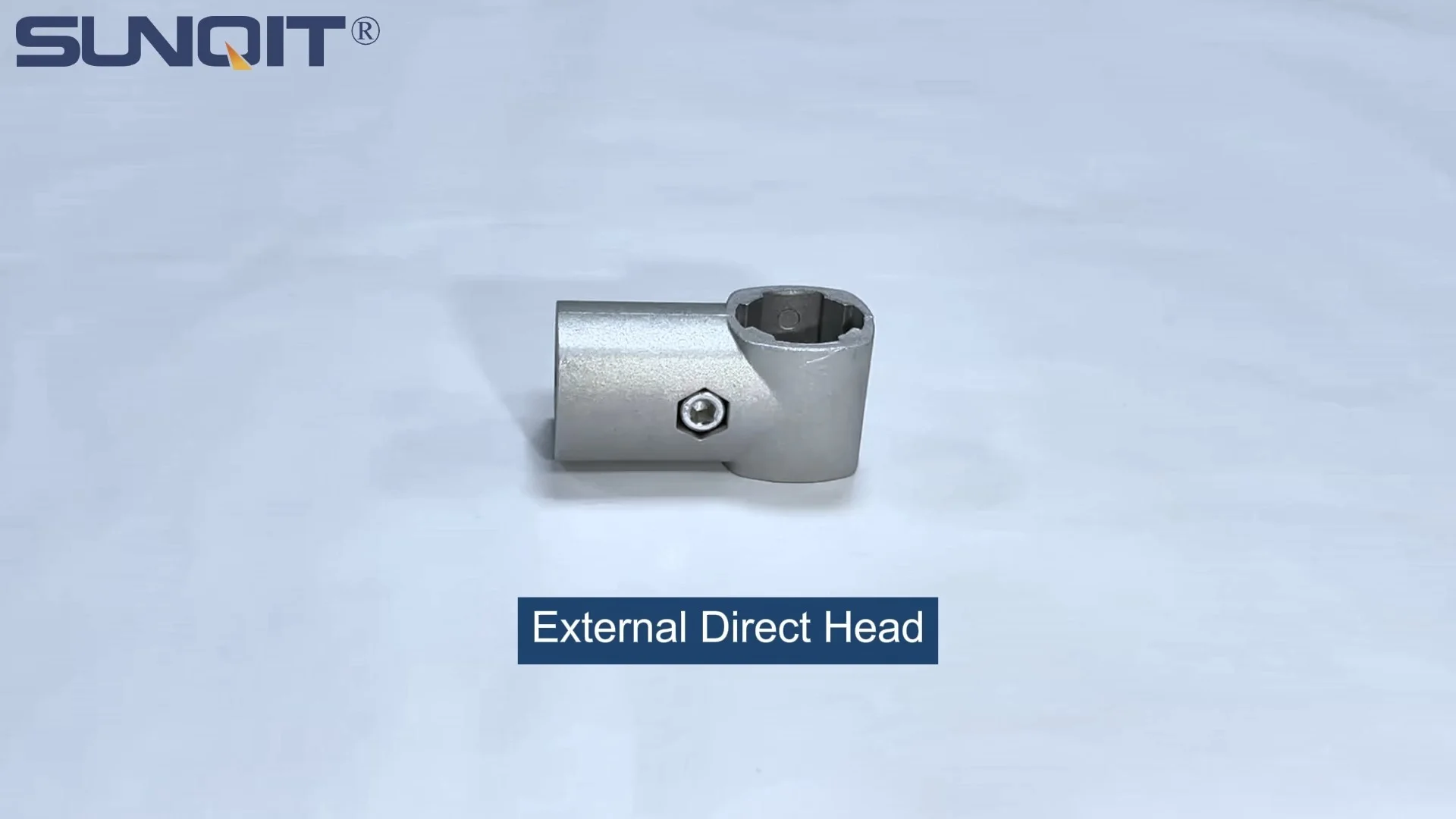
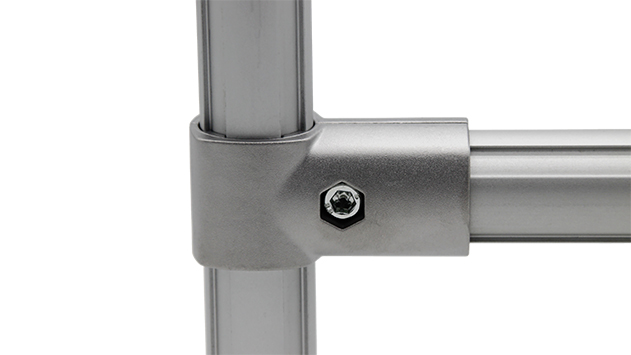
Aluminum 2 way pipe joint for 28mm aluminum pipe connection in 2 direction.
In the fast-paced world of manufacturing, where every second counts and efficiency is the name of the game, lean principles have become more than just a buzzword—they're the backbone of successful operations. Lean manufacturing isn't just about cutting costs; it's about creating systems that flow seamlessly, adapt quickly, and empower teams to work smarter, not harder. But here's the thing: even the best lean strategies can fall flat if the physical infrastructure supporting them is rigid, outdated, or one-size-fits-all.
That's where two way aluminum pipe joints come in. These unassuming components might not grab headlines, but ask any lean manufacturing expert, and they'll tell you: these joints are the unsung heroes of flexible, efficient production lines. They're the reason why workbenches can be reconfigured in minutes, why roller tracks adapt to new product sizes overnight, and why small manufacturers can scale up without overhauling their entire setup. In this article, we'll dive into why these joints have become a staple in lean systems worldwide, how they pair with aluminum profiles and accessories to transform workflows, and why ignoring them could be costing your operation time, money, and adaptability.
What Are Two Way Aluminum Pipe Joints, Anyway?
Before we get into why they're a game-changer, let's make sure we're on the same page about what two way aluminum pipe joints actually are. At their core, these are precision-engineered connectors designed to join aluminum pipes (or aluminum profiles) at—you guessed it—two points, creating stable, adjustable structures. Unlike welded joints or fixed plastic connectors, they're built to be taken apart, repositioned, and reused without losing strength.
Most are made from high-grade aluminum alloy, which gives them a unique balance of lightweight portability and industrial durability. They often feature internal threads, clamping mechanisms, or friction-fit designs that lock pipes in place securely but can be loosened with basic tools when changes are needed. Some even come with rubberized gaskets or anti-slip features to ensure stability, even in high-vibration environments like assembly lines.
Think of them as the "Lego bricks" of manufacturing infrastructure—simple on their own, but infinitely versatile when combined with aluminum pipes, aluminum profile accessories, and other components. And in the world of lean manufacturing, that versatility is pure gold.
The Lean Manufacturing Imperative: Why Rigidity Kills Efficiency
To understand why two way aluminum pipe joints are so critical, let's step back and recall what lean system goals are all about. Lean manufacturing, at its heart, is about eliminating waste—whether that's wasted time, wasted space, wasted materials, or wasted effort. It's about creating a production line that flows like water: smooth, uninterrupted, and responsive to changes in demand or product design.
But here's the problem many manufacturers face: their physical setup is stuck in the past. Traditional workbenches are bolted to the floor. Conveyor systems are welded into fixed paths. Material racks are custom-built for one specific part and become obsolete when the product line changes. When your infrastructure can't adapt, your lean system grinds to a halt. Need to retool for a new product? You're looking at weeks of downtime and thousands in renovation costs. Want to rearrange workstations to reduce worker movement? Good luck—those benches aren't going anywhere.
This rigidity creates exactly the kind of waste lean aims to eliminate. It leads to overproduction (making more of the old product because retooling is too slow), excess inventory (stockpiling parts to avoid downtime during changes), and even employee frustration (working around clunky, outdated setups instead of with them).
Enter two way aluminum pipe joints. By enabling modular, reconfigurable infrastructure, they turn rigidity into flexibility. Suddenly, your workbench can be adjusted for a taller operator in 10 minutes. Your roller track can be extended by 3 feet to accommodate longer parts in an hour. Your material rack can be repurposed for a new component by swapping out a few pipes and joints. This isn't just convenience—it's lean manufacturing in action.
5 Key Benefits That Make Lean Experts Rave About Two Way Aluminum Pipe Joints
Lean manufacturing experts don't recommend these joints just because they're trendy. They do it because the benefits translate directly to bottom-line results. Let's break down the top five reasons they're a must-have in any modern lean system:
1. Unmatched Flexibility: Adapt or Die (Slowly)
In manufacturing, change is constant. Customer demands shift, product designs evolve, and new regulations crop up. Your infrastructure needs to keep pace. Two way aluminum pipe joints excel here because they're designed for change. Unlike fixed joints, which require cutting, welding, or drilling to modify, these joints can be loosened, repositioned, and resecured in minutes. Need to lower a workbench by 6 inches to reduce operator strain? Just adjust the joints. Want to add a second shelf to a material rack? Swap out a few pipes and tighten the joints. It's that simple.
This flexibility also makes them ideal for prototyping or low-volume production. Smaller manufacturers often struggle with the high cost of custom infrastructure, but with these joints, you can build temporary setups, test them, and refine them without investing in permanent structures. It's like having a production line that can "learn" and adapt as you grow.
2. Durability That Stands Up to the Factory Floor
Flexibility is great, but if the joints can't handle the wear and tear of daily use, they're useless. That's where aluminum comes in. Aluminum alloy is naturally resistant to corrosion, which means these joints hold up in humid environments or areas with frequent cleaning (like food processing or pharmaceutical facilities). They're also surprisingly strong for their weight—able to support heavy loads without bending or warping, even after repeated reconfigurations.
Compare that to plastic joints, which can crack under stress or degrade in high temperatures, or steel joints, which rust and add unnecessary weight. Two way aluminum pipe joints strike the perfect balance: lightweight enough to move easily, durable enough to last for years.
3. Cost-Efficiency: Save Now, Save Later
At first glance, modular components might seem pricier than cheap, fixed alternatives. But lean experts know better—they're thinking long-term. Two way aluminum pipe joints are a one-time investment that pays dividends for years. Because they're reusable, you won't have to buy new racks, workbenches, or roller tracks every time your production needs change. Instead, you'll repurpose what you already have, cutting down on capital expenses.
They also reduce labor costs. Reconfiguring a workstation with these joints takes one person an hour, not a team of contractors for a week. And because they're lightweight, you won't need heavy machinery to move components around. Over time, these savings add up—often paying for the initial investment within months.
4. Compatibility: Play Well With Others
A lean system is only as strong as its weakest link, and that includes compatibility between components. Two way aluminum pipe joints are designed to work seamlessly with a wide range of aluminum profile, aluminum pipe accessories, and even other lean tools like roller tracks and casters. This means you can mix and match components to create custom solutions without worrying about compatibility issues.
For example, you could use the same joints to build a workbench, a roller track for material flow, and a turnover trolley—all from the same pool of aluminum pipes and accessories. This standardization simplifies inventory management (fewer unique parts to stock) and training (teams learn one system, not multiple).
5. Improved Safety and Ergonomics: Happy Workers = Productive Workers
Lean isn't just about efficiency—it's about people. Uncomfortable or unsafe workstations lead to fatigue, errors, and even injuries, all of which torpedo productivity. Two way aluminum pipe joints help here by making it easy to build ergonomic workspaces tailored to your team. Need a workbench that adjusts to different operator heights? No problem. Want to angle a roller track to reduce bending? Simple. By putting workers in control of their environment, you reduce strain and boost morale—and that translates to better focus and higher output.
Plus, aluminum's smooth finish and rounded edges reduce the risk of cuts or scrapes, and the joints' secure locking mechanisms prevent unexpected collapses—keeping your team safe and your insurance premiums low.

Real-World Applications: Where Two Way Aluminum Pipe Joints Shine Brightest
Talk is cheap—let's look at how these joints are transforming real manufacturing environments. From small workshops to large factories, they're proving their worth in key areas:
Workbenches: The Heart of the Operation
The workbench is where the magic happens, and it needs to be as adaptable as the tasks performed there. Two way aluminum pipe joints make it easy to build custom workbenches that grow with your needs. For example, a electronics manufacturer might start with a basic single-deck workbench (without casters) for assembling small components. As production ramps up, they can add shelves, tool holders, and lighting by attaching aluminum profile accessories via the joints. When a new, larger component is introduced, they can widen the bench or add a second deck—all without buying a new workstation.
Even better, these workbenches can be mobile. Add casters (another aluminum pipe accessory) to the base, and suddenly your workstation can move to where the work is—reducing unnecessary walking and streamlining workflow.
Roller Tracks: Keeping Materials Flowing
Material flow is the lifeblood of lean manufacturing. A bottleneck in one area can slow down the entire line. Roller tracks, which use gravity or powered rollers to move parts between stations, are critical here—and two way aluminum pipe joints make them infinitely adjustable. For instance, a automotive parts supplier might use roller tracks to move engine components from assembly to testing. If a new component is 2 inches wider, they can adjust the track's width by repositioning the joints and adding longer aluminum pipes. If the production line needs to be extended, they can connect additional track sections in minutes, no welding required.
These joints also make it easy to add features like side guides or stops, ensuring parts move smoothly without jamming—further reducing waste and downtime.
Material Racks and Trolleys: Organize Without Overcomplicating
Storing materials efficiently is a cornerstone of lean (think "5S" methodology: Sort, Set in Order, Shine, Standardize, Sustain). Two way aluminum pipe joints help here by letting you build custom material racks and trolleys that fit your exact needs. A bakery, for example, might use a 3-row, 3-floor material rack to store different types of dough. When they introduce a new pastry, they can add a fourth row by adjusting the joints and adding more aluminum pipes. A warehouse could use turnover trolleys with adjustable shelves to transport everything from small parts to bulky boxes, all using the same base joints and pipes.
The best part? These racks and trolleys are lightweight enough to move by hand but sturdy enough to hold heavy loads—making it easy to keep materials close to where they're needed, reducing "motion waste."

How Two Way Aluminum Pipe Joints Stack Up Against the Competition
You might be thinking, "Aren't there other types of joints out there?" Yes, but none offer the same combination of flexibility, durability, and cost-efficiency. Let's compare two way aluminum pipe joints to common alternatives to see why experts prefer them:
| Joint Type | Flexibility | Durability | Cost (Long-Term) | Compatibility |
|---|---|---|---|---|
| Two Way Aluminum Pipe Joints | High (reconfigurable in minutes) | High (corrosion-resistant, strong) | Low (reusable, minimal replacement) | High (works with aluminum profile, accessories, roller track) |
| Fixed Steel Welded Joints | Very Low (requires cutting/welding to modify) | High (strong but heavy/rust-prone) | Very High (frequent replacement needed) | Low (limited to steel components) |
| Plastic Snap-Fit Joints | Medium (some reconfiguration, but limited) | Low (prone to cracking, heat damage) | Medium (cheap upfront, but frequent replacement) | Medium (works with plastic pipes only) |
| Stainless Steel Threaded Joints | Medium (adjustable but time-consuming) | High (corrosion-resistant, very strong) | High (expensive upfront and heavy) | Medium (limited to stainless steel pipes) |
As the table shows, two way aluminum pipe joints outperform alternatives in the areas that matter most to lean manufacturing: flexibility, long-term cost, and compatibility. They're not just a better option—they're the only option for teams serious about staying agile.
Expert Insights: What Lean Pros Really Think
Don't just take our word for it. We spoke with three lean manufacturing consultants with decades of experience helping factories optimize their operations. Here's what they had to say about two way aluminum pipe joints:
"I've worked with manufacturers of all sizes, and the ones that thrive are the ones that can adapt quickly. Two way aluminum pipe joints are a secret weapon here. I recently helped a small electronics plant reconfigure their entire assembly line using these joints and aluminum profiles. They went from taking 3 days to retool for a new product to just 4 hours. Their throughput increased by 25% in the first month alone."
— Maria Gonzalez, Lean Manufacturing Consultant, 15+ years experience
"Lean is about eliminating waste, and nothing wastes more money than infrastructure that becomes obsolete. I had a client with a custom steel workbench that cost $5,000—they used it for 6 months before the product line changed, and it sat in a corner collecting dust. Now, they use two way aluminum joints and modular workbenches. They've reused those components on three different projects, and the ROI was under a year. It's a no-brainer."
— James Chen, Operations Efficiency Expert, Former Toyota Production System Trainer
"Safety and ergonomics are often overlooked in lean, but they're critical. When workers are comfortable, they're more productive and make fewer mistakes. Two way aluminum joints let us build workstations that fit each operator—adjustable heights, custom tool placement, easy access to materials. I've seen injury rates drop by 40% in facilities that switch to these modular setups. That's not just good for workers—it's good for the bottom line."
— Sarah Williams, Ergonomics Specialist, Lean Six Sigma Black Belt
Getting Started: Your First Steps to Leaner, More Flexible Manufacturing
Ready to bring the power of two way aluminum pipe joints to your operation? Here's how to start:
1. Audit Your Current Setup
Walk your production floor and identify bottlenecks or rigid structures. Are there workbenches that can't be adjusted? Roller tracks that can't be extended? Material racks that are always "almost" the right size? These are your starting points.
2. Start Small, Think Big
You don't need to overhaul everything at once. Pick one area—a single workbench or a short roller track—and build a modular version using two way aluminum pipe joints, aluminum profile, and aluminum pipe accessories. Test it, get feedback from operators, and refine it before scaling up.
3. Train Your Team
These joints are easy to use, but your team needs to know how to adjust them safely and effectively. Hold a short training session on assembly, reconfiguration, and safety best practices. Empower operators to suggest tweaks—they know their workspaces best.
4. Measure and Iterate
Track metrics like setup time, downtime, and operator satisfaction before and after implementing the new joints. Use the data to identify what's working and what isn't, and keep refining your setup. Lean is a journey, not a destination.
The Future of Lean Manufacturing Is Flexible—And It Starts With the Right Joints
Manufacturing is getting faster, more competitive, and more unpredictable. To keep up, your infrastructure can't be stuck in the past. Two way aluminum pipe joints aren't just a tool—they're a mindset shift. They represent a commitment to adaptability, efficiency, and respect for your team's needs.
Lean manufacturing experts recommend them because they work. They turn rigid factories into agile, responsive operations that can handle whatever the future throws at them. They reduce waste, boost productivity, and make work better for everyone involved.
So, what are you waiting for? The next time you're stuck with a workstation that can't change or a roller track that's holding you back, remember: the solution might be as simple as the right joint. Invest in two way aluminum pipe joints today, and build a lean system that doesn't just survive—thrives.