- Company Articles
- Products and Technology
- Product knowledge
- Why Lean Pipe Fixed Clamps Are Ideal for Reusable Lean Systems

Why Lean Pipe Fixed Clamps Are Ideal for Reusable Lean Systems
Related Product
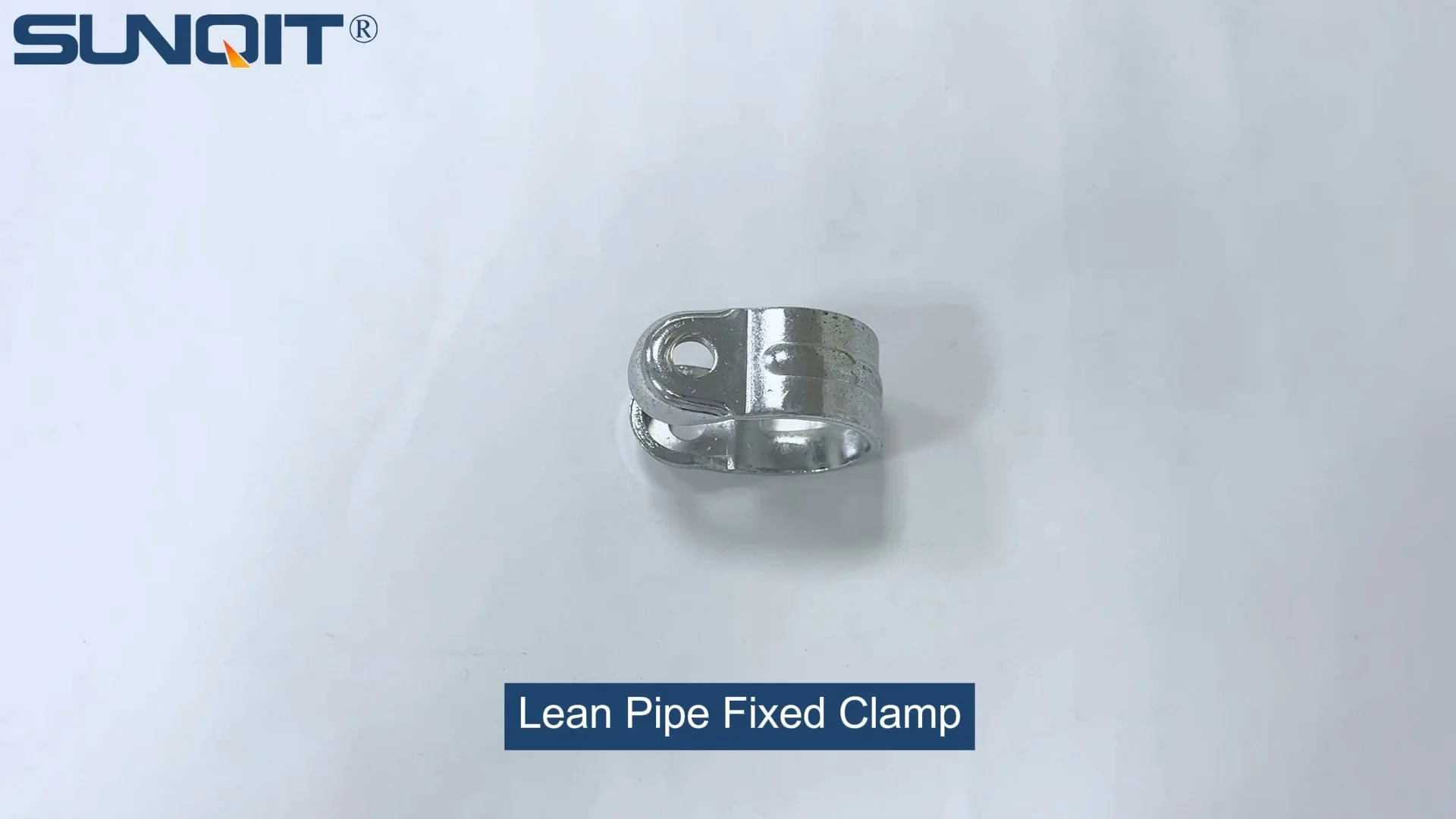
Lean Pipe Fixed Clamp
Lean pipe fixed clamp is used for pipe connector fixing the correct position during workbench flow rack hand trolley assemble work.
In the fast-paced world of manufacturing, where efficiency and adaptability reign supreme, lean systems have become the backbone of successful operations. But what truly makes a lean system lean ? Beyond eliminating waste and streamlining processes, reusability has emerged as a cornerstone—allowing businesses to adapt to changing demands without constantly reinvesting in new infrastructure. At the heart of this reusable revolution lies a humble yet powerful component: the lean pipe fixed clamp. Let's explore why these unassuming tools are indispensable for building flexible, cost-effective, and sustainable lean systems.
Understanding Lean Systems: The Need for Reusability
Before diving into the role of lean pipe fixed clamps, let's first ground ourselves in what lean systems are all about. Lean manufacturing, born from the Toyota Production System, is a philosophy centered on minimizing waste ("muda") while maximizing value. This means cutting down on unnecessary inventory, reducing downtime, and optimizing workflows to create products more efficiently.
But in today's dynamic market, where product lines shift, consumer demands evolve, and production volumes fluctuate, a static lean system is a recipe for obsolescence. That's where reusability comes in. A reusable lean system isn't just a one-time setup—it's a modular, adaptable framework that can be reconfigured, repurposed, and reused as needs change. Think of it as a set of building blocks: instead of constructing a fixed house, you're building with Lego bricks that can be rearranged into a castle, a spaceship, or a village as needed.
This flexibility isn't just convenient—it's critical for staying competitive. Reusability reduces long-term costs, shortens lead times for new projects, and minimizes waste from discarded equipment. And at the center of this modularity? Components that can be easily assembled, disassembled, and reassembled. Enter lean pipe fixed clamps.
What Are Lean Pipe Fixed Clamps, Anyway?
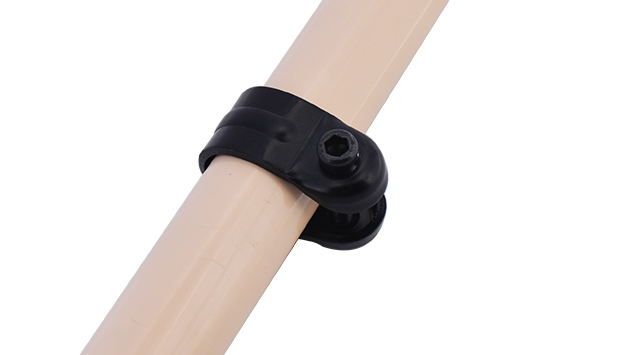
At their core, lean pipe fixed clamps are mechanical fasteners designed to connect lean pipes (also known as "lean tubes") and other components—like aluminum profiles, workbench frames, or flow rack rails—into stable, functional structures. Unlike traditional welding or permanent bolts, these clamps create a secure yet bond, allowing users to adjust, modify, or repurpose their setups with minimal effort.
Most lean pipe fixed clamps are made from durable materials like steel or aluminum, often coated to resist corrosion and wear. They come in various designs to accommodate different pipe diameters, angles, and load requirements. Some are simple two-piece clamps that tighten with a bolt; others feature swivel joints or multi-directional connectors for added flexibility. But regardless of the design, their primary job remains the same: to hold components together firmly without permanently fixing them.
You might hear them referred to interchangeably with "lean pipe joints," but while joints are the connection points between pipes, clamps are the tools that secure those joints (or pipes directly) to other structures. Together, clamps and joints form the backbone of modular lean systems, enabling the creation of everything from workbenches and material racks to conveyor systems and turnover trolleys.
The Core Benefits of Lean Pipe Fixed Clamps in Reusable Lean Systems
So, what makes lean pipe fixed clamps so ideal for reusable lean systems? Let's break down their key advantages:
1. Unmatched Flexibility: Adapt or Die (But Mostly Adapt)
Imagine a production line that needs to shift from assembling small electronics to larger appliances overnight. With traditional welded workbenches or fixed material racks, this would mean days (or weeks) of dismantling, rewelding, and rebuilding. With lean pipe fixed clamps? It's a matter of loosening a few bolts, rearranging the pipes, and tightening the clamps back down. The same workbench that held circuit boards yesterday can hold appliance parts today—no cutting, welding, or specialized tools required.
This flexibility extends to almost every aspect of a lean system. Need to add a shelf to a flow rack? Clamp on a new pipe section. Want to adjust the height of a workstation to accommodate taller operators? Loosen the clamps, reposition the legs, and retighten. Lean pipe fixed clamps turn rigid structures into living, breathing systems that evolve with your business.
2. Durability That Stands the Test of Reuse
Reusability only matters if the components can withstand being taken apart and put back together repeatedly. Lean pipe fixed clamps excel here. Made from high-strength materials like hardened steel or anodized aluminum, they're built to handle the wear and tear of frequent adjustments. Unlike plastic clips or temporary fasteners that degrade over time, quality clamps maintain their grip and structural integrity, even after dozens of reassemblies.
Take, for example, a stainless steel lean pipe fixed clamp used in a warehouse with high humidity. Its corrosion-resistant coating ensures it won't rust or weaken, even with constant exposure to moisture. Similarly, an aluminum clamp used on a workbench in a busy factory will resist dents and scratches, keeping its functionality intact for years. This durability means your initial investment in clamps pays off not just once, but over multiple reuse cycles.
3. Cost-Effectiveness: Save Now, Save Later
At first glance, lean pipe fixed clamps might seem pricier than a bag of bolts or a welding torch. But when you factor in reusability, their long-term cost-effectiveness becomes clear. Let's do the math:
- Initial setup cost: Welding a workbench might cost less upfront, but if you need to modify it later, you'll pay for labor, new materials, and downtime.
- Reuse cost: With clamps, modifying a workbench costs nothing but time—no new materials, no extra labor. You can repurpose the same pipes and clamps for multiple projects.
- Waste reduction: Traditional systems often end up in landfills when they're no longer needed. Clamps let you keep using components, cutting down on waste (and the costs of disposal or replacement).
Over time, this adds up. A study by the Lean Manufacturing Institute found that manufacturers using modular clamp-based systems reduced their equipment costs by 30% over five years compared to those using fixed structures. That's a significant saving, especially for small to medium-sized businesses operating on tight budgets.
4. Compatibility: Play Well With Others
Reusable systems don't exist in a vacuum—they need to work with other components. Lean pipe fixed clamps are designed to be compatible with a wide range of lean system parts, from aluminum profiles and roller tracks to casters and workbench decks. This means you can mix and match components from different suppliers (or even repurpose old parts) without worrying about compatibility issues.
For example, an aluminum profile workbench frame can be easily connected to a steel lean pipe flow rack using a universal fixed clamp. Or a plastic roller track guide rail (yellow or grey—take your pick) can be clamped onto an aluminum guide rail to create a custom conveyor system. This interoperability reduces the need to buy specialized, single-use components, further boosting reusability and cost savings.
5. Ease of Use: No Expertise Required
You don't need to be a master welder or engineer to use lean pipe fixed clamps. Most models require nothing more than a hex key or a wrench to tighten or loosen. This means your existing staff—from line workers to maintenance teams—can assemble, disassemble, and modify structures without specialized training. This not only speeds up setup times but also empowers teams to make on-the-fly adjustments, reducing downtime and improving overall efficiency.
Consider a scenario where a line operator notices a material rack is causing bottlenecks because it's too low. With clamps, they can grab a wrench, adjust the height themselves, and have the rack back in operation in 10 minutes. No waiting for maintenance, no production delays—just quick, easy problem-solving.

Real-World Applications: Lean Pipe Fixed Clamps in Action
To truly appreciate the impact of lean pipe fixed clamps, let's look at how they're used in everyday lean systems:
Workbench E: A Single-Deck Workstation That Grows With You
Workbench E (single deck, without casters) is a staple in many factories. At first glance, it's a simple table: a flat surface supported by four lean pipes. But with fixed clamps, it's so much more. Need extra storage? Clamp on a set of side shelves using aluminum guide rails. Want to add a tool rack above the deck? Attach vertical pipes with clamps and hang your tools. When the project ends, disassemble the shelves, remove the tool rack, and reuse the pipes and clamps to build a new workbench for the next job.
One electronics manufacturer in California reported that by using clamp-based workbenches, they reduced their workstation setup time for new product lines by 75%. Instead of building custom workbenches for each project, they reconfigured existing ones in hours, not days.
Material Rack B: A 3-Row, 3-Floor Storage Solution That Adapts
Material Rack B is designed to hold parts and components in an assembly line. With traditional fixed shelves, each floor is set at a fixed height—great if all your parts are the same size, but useless if you suddenly need to store taller boxes. With lean pipe fixed clamps, each shelf is adjustable. Loosen the clamps holding the shelf supports, slide them up or down the vertical pipes, and retighten. Now you can store small components on the top floor, medium boxes in the middle, and large bins on the bottom—all without buying a new rack.
A automotive parts supplier in Michigan used this flexibility to handle seasonal demand spikes. During peak seasons, they added extra rows to their Material Rack B by clamping on new horizontal pipes. In slow seasons, they removed the rows and reused the pipes to build temporary storage for excess inventory. The result? A 40% reduction in storage costs and zero waste from unused racks.
Roller Track Systems: Smooth Conveyance, Modular Design
Roller tracks are essential for moving materials along assembly lines. But traditional fixed roller tracks can't be easily extended or reconfigured. With lean pipe fixed clamps, you can connect plastic roller track guide rails (yellow for visibility, grey for durability) to aluminum profiles in minutes. Need to add a curve to the track? Use a swivel joint and clamp it into place. Want to extend the track by 10 feet? Add more rail sections and secure them with clamps. When the line layout changes, simply disassemble the track and rebuild it elsewhere.
A food packaging plant in Texas used this to switch from a linear to a U-shaped assembly line in just one weekend. By clamping together roller tracks, aluminum profiles, and casters, they created a flexible conveyor system that reduced material handling time by 30%.

Lean Pipe Fixed Clamps vs. Traditional Solutions: A Comparison
Still not convinced that lean pipe fixed clamps are better than traditional methods? Let's put them head-to-head with welding, bolted structures, and plastic clips in a side-by-side comparison:
| Feature | Lean Pipe Fixed Clamps | Traditional Welding | Permanent Bolted Structures | Plastic Clips/Connectors |
|---|---|---|---|---|
| Reusability | High—easily disassembled and reassembled | None—permanent; must be cut to modify | Low—bolts can strip; difficult to reuse | Medium—plastic weakens with reuse |
| Assembly Time | Fast (minutes to hours) | Slow (hours to days; requires cooling time) | Medium (hours; requires precise alignment) | Fast (minutes) but less stable |
| Cost Over Time | Low—reusable across multiple projects | High—requires new materials for modifications | Medium—bolts and tools add up; limited reuse | Medium—cheap upfront but needs frequent replacement |
| Flexibility | Excellent—adjustable angles, heights, and configurations | None—fixed design | Poor—minor adjustments only; major changes require rebuilding | Good but limited by load capacity |
| Durability | High—steel/aluminum resists wear and corrosion | High but permanent | High but bolts can loosen over time | Low—prone to cracking, bending, or breaking |
| Skill Required | Low—basic hand tools; no specialized training | High—requires certified welders | Medium—requires knowledge of torque specs | Low but less secure |
Clearly, lean pipe fixed clamps outshine traditional solutions when it comes to reusability, flexibility, and long-term cost savings. They bridge the gap between stability and adaptability, making them the ideal choice for modern lean systems.
Key Considerations When Choosing Lean Pipe Fixed Clamps
Not all lean pipe fixed clamps are created equal. To ensure you're getting the most out of your investment, keep these factors in mind:
Material Matters: Steel vs. Aluminum
Steel clamps are strong and durable, making them ideal for heavy-duty applications like material racks or conveyor systems with high load capacities. Aluminum clamps, on the other hand, are lighter and corrosion-resistant, perfect for clean environments (like electronics assembly) or applications where weight matters (like mobile workbenches with casters). Choose based on your load requirements and environment.
Load Capacity: Don't Skimp on Strength
Every clamp has a maximum load rating—make sure it matches your needs. A clamp designed for a small workbench won't hold up under the weight of a fully loaded flow rack. Check the manufacturer's specs and err on the side of caution; it's better to have a clamp that can handle more weight than you need than one that fails under pressure.
Compatibility With Your Existing System
If you're adding clamps to an existing lean system, ensure they're compatible with your pipes, joints, and aluminum profiles. Most manufacturers follow standard sizes (like 28mm or 30mm pipes), but double-check diameters and connection types to avoid mismatches. A good lean pipe supplier will provide compatibility charts or sample clamps for testing.
Supplier Reliability: Quality and Support
Finally, choose a reputable lean pipe supplier. Cheap, low-quality clamps might save you money upfront, but they'll fail quickly, costing you more in replacements and downtime. Look for suppliers with positive reviews, certifications (like ISO 9001), and responsive customer support. A reliable supplier will help you select the right clamps for your needs and stand behind their products if issues arise.
Conclusion: Building the Future of Lean Manufacturing, One Clamp at a Time
Reusability isn't just a buzzword in lean manufacturing—it's a necessity. In a world where change is constant, businesses need systems that can keep up without breaking the bank or generating waste. Lean pipe fixed clamps make this possible. They're the unsung heroes of modularity, turning rigid structures into flexible, adaptable tools that grow with your business.
From workbenches and flow racks to conveyor systems and material racks, these clamps enable endless configurations, reduce costs, and minimize waste. They empower teams to take control of their workspace, make quick adjustments, and focus on what really matters: creating value for customers.
So, if you're looking to build a lean system that's truly lean—efficient, adaptable, and sustainable—don't overlook the power of lean pipe fixed clamps. They might just be the small component that makes a big difference in your bottom line.