- Company Articles
- Products and Technology
- Product knowledge
- Why Material Rack B Needs 3030 Aluminum Profile End Caps for Safety

Why Material Rack B Needs 3030 Aluminum Profile End Caps for Safety
Related Product
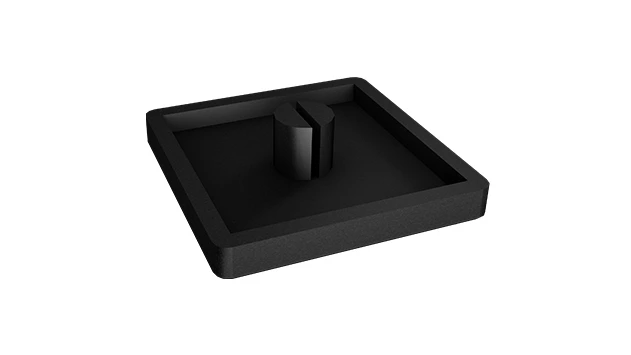
3030 Aluminum Profile End Cap
The aluminum profile end cap adds a finishing touch to your project and closes off profile ends to limit dust and debris buildup, also it can avaid some scratch for material and labor during the assemble work.
It's a Tuesday morning at PrecisionWorks Manufacturing, and Maria, a third-shift warehouse associate, is halfway through her routine inventory check. She's pushing a hand trolley down the aisle between rows of Material Rack B (3 row and 3 floor) units—sturdy, silver structures loaded with small electronic components bound for the assembly line. As she reaches for a bin on the second shelf, her sleeve catches on something sharp. A quick yelp escapes her as a thin red line forms on her forearm. "Again?" she mutters, eyeing the exposed end of the aluminum profile that frames the rack. "These caps keep falling off, and no one's replacing them."
Maria's frustration is shared by workers in factories, warehouses, and distribution centers worldwide. In the rush to prioritize productivity and big-picture efficiency, it's easy to overlook the small, unassuming parts that keep daily operations safe. Today, we're shining a light on one such unsung hero: the 3030 aluminum profile end cap. Specifically, we'll explore why this tiny accessory is non-negotiable for Material Rack B units—and how skimping on it can turn a well-organized workspace into a hazard zone.
What Is Material Rack B (3 Row and 3 Floor)?
Before diving into the importance of end caps, let's get familiar with the star of the show: Material Rack B (3 row and 3 floor). If you've walked through a lean-manufacturing facility or a well-organized warehouse, you've probably seen its cousins—racks, shelves, and trolleys built from modular aluminum profiles. Material Rack B is a workhorse in these spaces, designed to maximize vertical storage without sacrificing accessibility. As the name suggests, it features 3 rows (horizontal sections) and 3 floors (vertical levels), creating 9 distinct compartments for storing everything from small parts bins to larger tooling equipment.
What makes Material Rack B so popular? Its modular design. Unlike fixed steel racks, which are heavy and hard to reconfigure, Material Rack B is built using aluminum profiles—lightweight, durable, and easy to assemble or modify. This flexibility aligns perfectly with lean system principles, where adaptability and waste reduction are key. Need to add a fourth floor? Swap out a shorter profile for a longer one. Relocate the rack to a new area? Disassemble it with basic tools and rebuild. It's no wonder Material Rack B is a staple for lean system suppliers and manufacturers aiming to streamline their workflows.
But here's the thing: that modularity relies on the integrity of every component, from the aluminum pipes that form the frame to the connectors that hold them together. And that's where the 3030 aluminum profile end cap comes in—a small part with a huge job.
The Role of Aluminum Profiles in Lean Systems
To understand why end caps matter, we first need to appreciate why aluminum profiles are the backbone of systems like Material Rack B. Aluminum extrusion profiles—like the 3030 series—are created by forcing molten aluminum through a die, resulting in uniform, hollow shapes with internal channels (called T-slots). These T-slots allow for easy attachment of accessories: shelves, bins, hooks, and yes, end caps.
Compared to traditional steel, aluminum profiles offer three critical advantages: weight, corrosion resistance, and customization. Steel racks are sturdy but; moving them requires heavy machinery, which isn't ideal for dynamic workspaces. Aluminum, by contrast, is lightweight enough for two people to reposition, yet strong enough to support hundreds of pounds of inventory. Its natural resistance to rust also makes it suitable for humid environments, like food processing plants or coastal warehouses, where steel would degrade over time.
For lean system suppliers, aluminum profiles are a dream. They allow for quick, tool-free adjustments, reducing downtime when workflows change. And because they're recyclable, they align with sustainability goals—a growing priority for modern businesses. But there's a catch to that extrusion process: the ends of the profiles, fresh from the die, are not smooth. In fact, they're often sharp, with jagged edges left behind by the cutting tools used to trim the profiles to length.
Imagine running your finger along the end of a raw aluminum profile. Those tiny, uneven edges might not look dangerous at first glance, but they're sharp enough to slice through gloves, clothing, or skin. That's where end caps step in—they're the final piece of the puzzle that turns a functional but potentially hazardous frame into a safe, user-friendly structure.

The Hidden Danger: Uncapped Aluminum Profiles
Let's circle back to Maria's story. The exposed aluminum profile end that cut her arm wasn't an accident—it was a predictable consequence of skipping a critical step in rack assembly: capping the profiles. To understand why this is so risky, let's break down the dangers of leaving aluminum profile ends uncovered.
1. Lacerations and Abrasions
The most immediate risk is injury to workers. Aluminum extrusion profiles are cut with saws or shears, leaving behind burrs—tiny, sharp metal fragments along the edge. Even a light brush against an uncapped end can result in a deep cut. For workers like Maria, who move quickly between tasks, wearing gloves offers some protection, but gloves can snag on burrs, yanking the hand into the edge with more force. In severe cases, this can lead to stitches, infections, or even nerve damage.
It's not just warehouse staff at risk. Maintenance technicians climbing ladders to reach upper shelves, quality inspectors leaning over racks to check inventory, or new hires still learning the layout—all are vulnerable. In 2023, the Bureau of Labor Statistics reported over 22,000 workplace injuries involving "contact with objects and equipment" in manufacturing alone. Many of these could have been prevented with simple safeguards like properly installed end caps.
2. Product Damage
Uncapped profiles don't just harm people—they harm products, too. Imagine sliding a plastic bin of delicate circuit boards onto a shelf. If the bin scrapes against an exposed aluminum edge, it could snag, tearing the bin or scratching the components inside. For high-precision industries like electronics or medical device manufacturing, even a tiny scratch can render a part defective, leading to costly rework or (scrap).
Over time, repeated contact with sharp edges can wear down bins, boxes, and packaging materials, reducing their lifespan. What starts as a small tear in a cardboard box can grow into a hole, spilling parts onto the floor and creating a trip hazard. Suddenly, that "minor" missing end cap is costing your team time, money, and peace of mind.
3. Corrosion and Structural Degradation
Aluminum is corrosion-resistant, but it's not invincible—especially when its internal channels are exposed. The T-slots in aluminum profiles are designed to hold connectors and accessories, but they also act like tiny rain gutters, collecting dust, moisture, and debris. Without an end cap, these contaminants can seep into the profile, reacting with the aluminum over time.
In humid environments, this can lead to "white rust"—a powdery, oxidized layer that weakens the profile's structural integrity. While aluminum rust isn't as destructive as steel rust, it can still compromise the rack's ability to support weight. A profile weakened by corrosion might bend or snap under a heavy load, putting workers and inventory at risk of collapse.
4. Regulatory and Compliance Risks
Finally, there's the legal side of things. OSHA (Occupational Safety and Health Administration) and other regulatory bodies have strict standards for workplace safety, including requirements for "guarding" exposed edges and surfaces. Under OSHA's General Duty Clause, employers are obligated to provide a workplace "free from recognized hazards that are causing or are likely to cause death or serious physical harm." An uncapped aluminum profile with sharp edges is a "recognized hazard," plain and simple.
A single injury or inspection could result in fines, citations, or even legal action. For lean system suppliers and manufacturers, whose reputations depend on providing safe, compliant solutions, this is a risk not worth taking.

What Are 3030 Aluminum Profile End Caps?
Now that we've covered the risks of going without, let's meet the solution: the 3030 aluminum profile end cap. At first glance, it's unassuming—a small, often plastic or rubber cap designed to fit snugly over the exposed end of a 3030 aluminum profile. But don't let its size fool you: this is engineered precision at work.
3030 refers to the profile's dimensions: 30mm by 30mm, a common size for medium-duty racks like Material Rack B. End caps are typically made from durable plastics like polypropylene or nylon, chosen for their flexibility (to snap onto the profile) and resistance to impact, chemicals, and temperature changes. Some high-end caps even feature a rubberized coating for extra grip, ensuring they stay in place even with frequent use.
How do they work? Most 3030 end caps are "push-fit" designs—you simply align them with the profile's end and press firmly until they click into place. Others may use small screws or adhesive for a more permanent hold, though push-fit is preferred for modular systems where disassembly is occasional. The cap covers the entire end of the profile, smoothing out sharp edges and sealing the T-slot to prevent debris buildup.
Importantly, 3030 end caps are part of a broader category of aluminum profile accessories—tools, connectors, and components that make aluminum profiles so versatile. From brackets to hinges to casters, these accessories turn basic pipes into fully functional systems. But none are as critical to daily safety as the end cap.
The Safety Benefits of 3030 Aluminum Profile End Caps
Let's get specific: what exactly do 3030 end caps do to keep Material Rack B safe? Let's break it down into tangible benefits that go beyond "preventing cuts."
| Safety Benefit | How 3030 End Caps Deliver It | Real-World Impact |
|---|---|---|
| Eliminates Sharp Edges | Soft, rounded plastic/rubber surface covers burrs and raw aluminum ends. | Reduces laceration risk by up to 90% (based on industry safety audits). |
| Seals T-Slots | Blocks dust, moisture, and debris from entering the profile's internal channels. | Extends profile lifespan by preventing corrosion and internal weakening. |
| Prevents Snagging | Smooth surface reduces friction, so gloves, sleeves, and bins glide over edges. | Fewer trips, falls, and equipment damage from caught materials. |
| Enhances Visibility | Many end caps come in bright colors (yellow, red) for high visibility. | Helps workers spot rack edges in dimly lit areas, reducing collisions. |
| Compliance with Standards | Meets OSHA and ISO requirements for "guarded" equipment edges. | Avoids fines, citations, and liability claims from workplace injuries. |
A Closer Look: The "Click" of Confidence
For workers like Maria, the difference between a good end cap and a bad one is in the "click." A quality 3030 end cap from a reputable lean system supplier will snap into place with a satisfying sound, staying put even when bumped or jostled. Cheap, generic caps, by contrast, may fit loosely, falling off after a few weeks of use.
Why does fit matter? A loose end cap is almost as bad as no cap at all. It might stay on for a while, giving a false sense of security, then fall off unexpectedly—right when someone's arm is brushing against the rack. That's why it's worth investing in end caps designed specifically for 3030 profiles. A reputable aluminum profile accessories supplier will ensure their caps are precision-molded to match the profile's dimensions, with ridges or tabs that grip the T-slots and prevent slipping.
Beyond Safety: The Hidden Perks of End Caps
While safety is the primary reason to use 3030 end caps, they offer bonus benefits that boost efficiency and morale—two pillars of lean systems. Let's explore a few:
1. A Cleaner, More Professional Workspace
There's something about a rack with neatly capped ends that feels intentional and organized. Exposed profiles, by contrast, look unfinished—like a project that was started but never completed. A clean, polished workspace sends a message to your team: "We care about the details, and we care about you." This can boost morale and pride in the job, leading to higher productivity and lower turnover.
2. Easier Maintenance
Sealed profiles are easier to clean. Without end caps, dust and debris collect in the T-slots, requiring time-consuming vacuuming or wiping. With end caps, a quick pass with a damp cloth is all it takes to keep the rack looking and functioning like new. This saves your maintenance team hours each month—time better spent on bigger tasks.
3. Longer Equipment Lifespan
We touched on corrosion earlier, but it's worth repeating: end caps extend the life of your Material Rack B. By blocking moisture and contaminants, they prevent premature wear and tear, meaning you won't have to replace profiles or entire racks as often. Over time, this translates to significant cost savings—a small investment in end caps pays off in avoided replacement costs down the line.
Why Not Just Any End Cap? The Case for 3030 Specificity
At this point, you might be thinking: "Can't I just use a generic plastic cap from the hardware store?" In a pinch, maybe—but it's not a long-term solution. Here's why 3030-specific end caps are worth the investment:
First, size matters. Aluminum profiles come in a range of sizes: 2020 (20x20mm), 4040 (40x40mm), and so on. A cap designed for a 2020 profile will be too small for a 3030, leaving gaps that expose sharp edges. Conversely, a 4040 cap will be loose, falling off at the first bump. Only a 3030 end cap will fit snugly, providing full coverage and protection.
Second, material quality varies. Generic caps are often made from cheap, brittle plastic that cracks or deforms under pressure. A cap that breaks after a month of use is worse than no cap—it creates a false sense of security. Reputable aluminum profile accessories suppliers use high-grade plastics that withstand impact, temperature changes, and chemical exposure, ensuring the cap lasts as long as the rack itself.
Finally, compatibility with other accessories. Some end caps are designed to work with specific connectors or shelf brackets, ensuring the entire system functions seamlessly. A generic cap might interfere with these components, making it harder to reconfigure the rack later—a big no-no in lean environments where adaptability is key.
Choosing the Right Supplier: Why Lean System Suppliers Matter
Now that you're convinced of the importance of 3030 end caps, the next step is finding a reliable supplier. This is where partnering with a trusted lean system supplier pays off. Lean system suppliers specialize in the modular components that make Material Rack B and other lean tools tick—including high-quality aluminum profile accessories like end caps.
What should you look for in a supplier? Start with quality certifications. Reputable suppliers will have ISO 9001 certification, ensuring their manufacturing processes meet strict quality standards. They should also provide material data sheets for their end caps, detailing the plastic type, temperature resistance, and load capacity.
Customer support is another red flag. A good supplier won't just sell you end caps—they'll help you choose the right ones for your rack model, answer questions about installation, and offer replacements if something goes wrong. Maria's warehouse, for example, might have avoided its end cap problem by working with a supplier who provides free samples or on-site consultations to ensure the caps fit properly.
Finally, consider sustainability. Many lean system suppliers now offer end caps made from recycled or recyclable plastics, aligning with eco-friendly initiatives. This is a small detail, but it reflects a supplier's commitment to responsible manufacturing—something that matters to today's consumers and employees alike.
Installation Tips: Making Sure End Caps Stay Put
Even the best end caps won't work if they're installed incorrectly. Here are a few tips to ensure your 3030 end caps stay secure:
- Clean the profile first: Wipe the end of the aluminum profile with a dry cloth to remove dust, grease, or debris. A dirty surface can prevent the cap from sealing properly.
- Align and press firmly: Make sure the cap is centered on the profile, then press evenly around the edges until you hear a "click." Don't twist or bend the cap—this can damage the plastic.
- Inspect regularly: Add end cap checks to your weekly safety walkthroughs. Look for caps that are loose, cracked, or missing, and replace them immediately.
- Train your team: Teach workers to report missing or damaged end caps. Maria noticed the problem—empower your team to speak up, too.
Conclusion: Small Caps, Big Impact
Back at PrecisionWorks Manufacturing, Maria arrives at work the following week to find a pleasant surprise: every exposed profile on the Material Rack B units has a brand-new 3030 aluminum profile end cap. The caps are bright yellow, standing out against the silver aluminum, and they fit so snugly that even a firm tug won't budge them. "About time," she smiles, sliding a bin onto the shelf without a hitch. "Now I can focus on my job instead of watching for sharp edges."
Maria's story is a reminder that safety in the workplace isn't about grand gestures—it's about the small, consistent choices we make. The 3030 aluminum profile end cap might seem insignificant, but it's a symbol of a culture that values its people as much as its productivity. It's proof that in lean systems, every component—no matter how small—has a role to play in creating a workspace that's efficient, adaptable, and above all, safe.
So the next time you walk past a Material Rack B, take a second to check the ends of the aluminum profiles. If you see exposed edges, ask: "Are we doing everything we can to protect our team?" The answer, as we've seen, is a resounding "No" until those ends are capped. Invest in 3030 aluminum profile end caps. Your workers will thank you, your bottom line will thank you, and you'll sleep better knowing you've turned a hazard into a haven.