- Company Articles
- Products and Technology
- Product knowledge
- Why Medical Device Manufacturers Prefer Two Way Aluminum Pipe Joints for Production Setups

Why Medical Device Manufacturers Prefer Two Way Aluminum Pipe Joints for Production Setups
Related Product
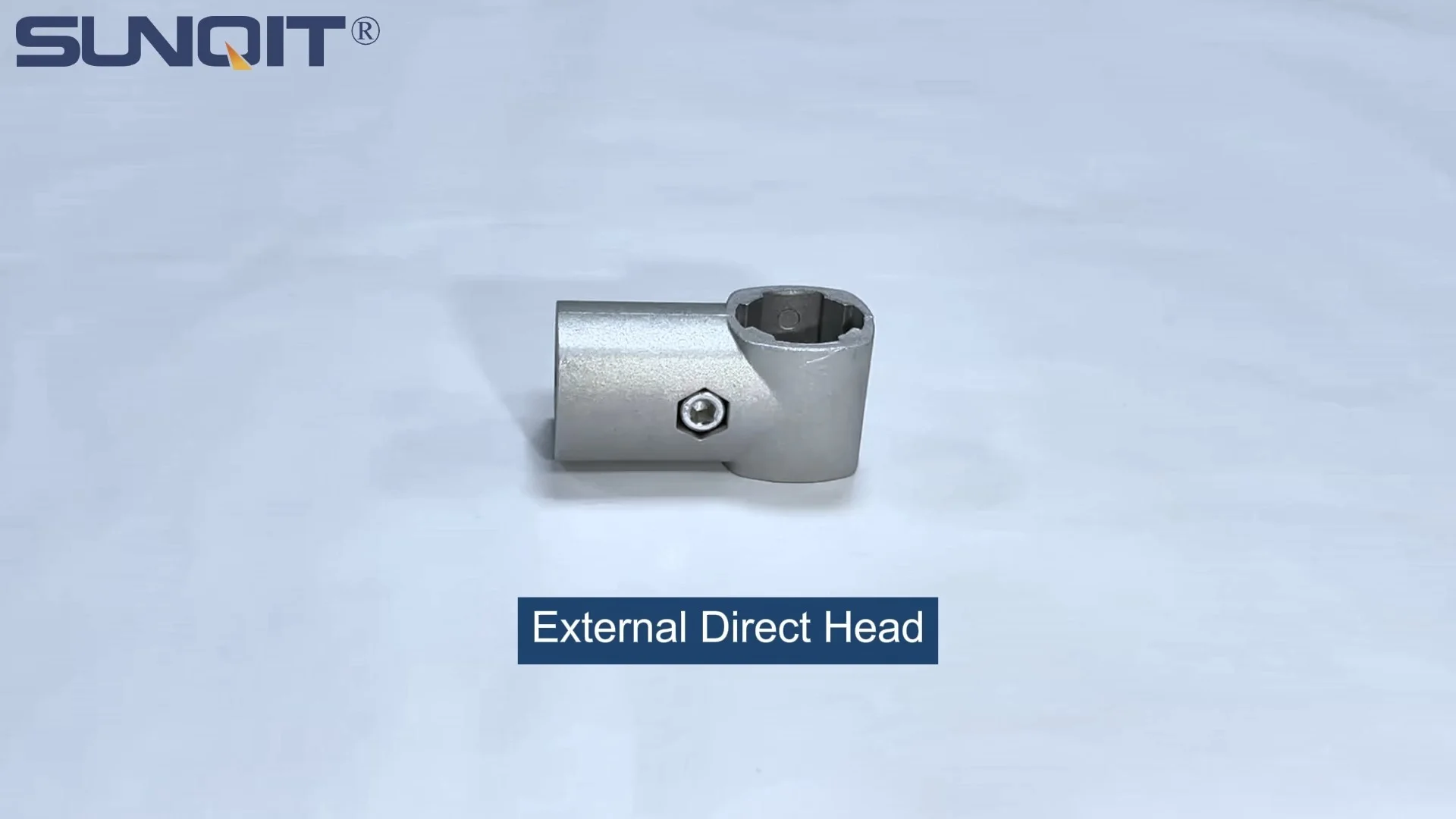
Two Way Aluminum Pipe Joint
Aluminum 2 way pipe joint for 28mm aluminum pipe connection in 2 direction.
In the world of medical device manufacturing, precision isn't just a goal—it's a necessity. Every scalpel, every pacemaker component, every diagnostic tool must meet (stringent) standards to ensure patient safety and regulatory compliance. But behind these life-saving devices lies another critical element: the production setup itself. The workbenches where assemblies happen, the flow racks that move components seamlessly, the trolleys that transport sensitive parts—these structures form the backbone of efficient, reliable manufacturing. And in recent years, one component has emerged as a quiet hero in these setups: the two way aluminum pipe joint. Let's dive into why medical device manufacturers are increasingly turning to this unassuming yet powerful tool to build the production lines of tomorrow.
The Unique Demands of Medical Device Manufacturing
Before we understand the appeal of two way aluminum pipe joints, it's important to grasp the unique challenges medical device manufacturers face. Unlike industries where minor inefficiencies or structural tweaks might be brushed off, medical manufacturing operates in a world where even small disruptions can have big consequences. Here are three key demands that set it apart:
1. Regulatory Compliance and Cleanliness
Regulatory bodies like the FDA (Food and Drug Administration) and ISO (International Organization for Standardization) don't just regulate the devices themselves—they also scrutinize the environments in which they're made. Production areas must be easy to clean, resistant to corrosion, and free from materials that could shed particles or chemicals. For example, stainless steel has long been a staple in medical settings for its durability and cleanliness, but it's not without drawbacks, as we'll explore later.
2. Rapid Adaptability to Changing Needs
Medical technology evolves at a breakneck pace. A manufacturer might produce a standard surgical tool one month and pivot to a specialized implant component the next. This agility requires production setups that can be reconfigured quickly—no lengthy construction timelines, no expensive overhauls. Traditional fixed structures, like welded steel workbenches, simply can't keep up; they're too rigid, too slow to modify, and too costly to replace when needs change.
3. Lightweight Strength and Ergonomics
Medical device components are often small, delicate, and require careful handling. Production line workers spend hours at workbenches, moving parts, and assembling intricate pieces. Heavy, cumbersome equipment not only slows down workflows but also increases the risk of repetitive strain injuries. Manufacturing setups need to be strong enough to support tools and materials, yet lightweight enough to allow for easy adjustments and repositioning.
What Are Two Way Aluminum Pipe Joints, Anyway?
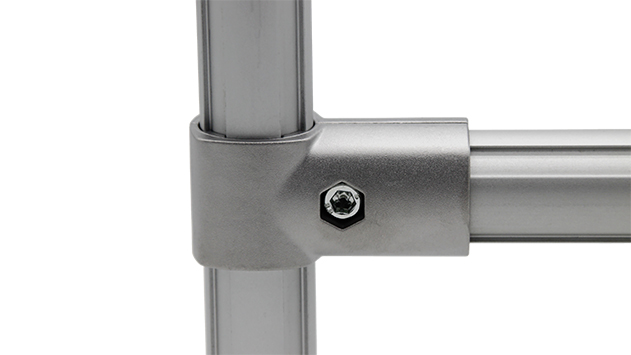
At first glance, a two way aluminum pipe joint might seem simple: a small, often T-shaped or L-shaped connector designed to join two aluminum pipes at a fixed angle (typically 90 degrees, though some designs offer flexibility). But its simplicity is part of its genius. These joints are engineered to work with aluminum lean pipe—a lightweight, corrosion-resistant material that's become a favorite in industrial settings. The magic lies in how they combine strength, versatility, and ease of use.
Most two way aluminum pipe joints are made from high-grade aluminum alloy, treated with an anodized finish to enhance durability and resistance to scratches and corrosion. They feature internal threads or clamping mechanisms that allow them to attach securely to aluminum pipes without the need for welding or drilling. This "snap-and-lock" design means workers can assemble, disassemble, or reconfigure structures in minutes, not days. And because they're made from aluminum, they're inherently lightweight—making them ideal for setups that need to be moved or adjusted regularly.
Why Medical Manufacturers Can't Get Enough of Them
So, what makes two way aluminum pipe joints stand out in a crowded market of industrial components? Let's break down the top reasons medical device manufacturers are choosing them over traditional alternatives like stainless steel joints or plastic connectors.
1. Corrosion Resistance That Meets Cleanroom Standards
Medical manufacturing facilities are no strangers to harsh cleaning agents. Daily wipe-downs with disinfectants, periodic deep cleans with industrial-grade solutions—these are routine to maintain sterile environments. Stainless steel has long been the go-to for its corrosion resistance, but aluminum, when anodized, holds its own. The anodization process creates a protective oxide layer on the surface of the aluminum, making it resistant to chemicals, moisture, and rust. Unlike untreated steel, which can develop pits or stains over time, anodized aluminum joints stay smooth and clean, reducing the risk of bacterial growth or particle shedding. This makes them a natural fit for cleanrooms and controlled environments where contamination is a constant concern.
2. Lightweight Design for Ergonomic Workspaces
Imagine a production line where workers need to adjust a workbench height to accommodate a new component size, or reposition a flow rack to optimize material flow. With traditional steel joints and pipes, this would require heavy lifting equipment or a team of workers. Aluminum, however, is about 30% lighter than steel while maintaining comparable strength (thanks to modern alloy formulations). Two way aluminum pipe joints amplify this benefit: their lightweight design makes entire structures—like workbenches or trolleys—easy to move, adjust, or reconfigure by just one or two workers. This not only reduces the risk of workplace injuries but also cuts down on downtime during reconfigurations, keeping production lines running smoothly.
3. Modularity That Supports Lean System Principles
Lean manufacturing isn't just a buzzword in medical device production—it's a way of life. The goal is to eliminate waste, streamline workflows, and continuously improve processes. Two way aluminum pipe joints align perfectly with these principles. Because they're modular, manufacturers can build exactly what they need, when they need it. Need a small workbench for assembling micro-components? Use a few aluminum pipes, two way joints, and a lightweight top. Six months later, need to expand that workbench into a larger assembly station? Simply add more pipes and joints. No need to buy a whole new structure; just reconfigure the existing one. This "build-as-you-go" approach reduces waste (no excess materials) and ensures that production setups evolve with the needs of the business—core tenets of a lean system.
4. Cost-Effectiveness Over the Long Haul
At first glance, aluminum components might seem pricier than plastic or even some steel alternatives. But medical device manufacturers think in terms of total cost of ownership (TCO), not just upfront expenses. Plastic joints, for example, may be cheap initially, but they degrade quickly under repeated cleaning, UV exposure, or heavy use—leading to frequent replacements. Stainless steel, while durable, is expensive to purchase, heavy to ship, and requires specialized tools (like welders) for installation. Two way aluminum pipe joints strike a balance: they're affordable upfront, require no special tools to assemble, and last for years with minimal maintenance. When you factor in reduced downtime, lower labor costs for reconfigurations, and fewer replacements, aluminum joints often come out ahead in the long run.

Real-World Applications: How Two Way Aluminum Pipe Joints Are Used on the Factory Floor
Theory is one thing, but seeing two way aluminum pipe joints in action brings their value to life. Let's look at a few common applications in medical device manufacturing where these joints shine:
Workbenches: The Heart of Assembly
Workbenches are where the magic happens—where technicians assemble intricate components, test prototypes, and inspect finished parts. Medical device workbenches need to be sturdy enough to support tools and equipment, yet flexible enough to adapt to different tasks. Two way aluminum pipe joints make this possible. For example, a manufacturer might start with a basic workbench frame built from aluminum lean pipe and two way joints, topped with a non-porous, easy-to-clean surface. As needs change, they can add shelves (using additional joints), tool holders, or even ESD (electrostatic discharge) mats to protect sensitive electronics. And if a new device requires a taller or wider workbench? Simply adjust the pipe lengths and reposition the joints. No welding, no custom fabrication—just quick, easy changes.
Flow Racks: Keeping Components Moving
In a busy medical device plant, components need to flow from storage to assembly stations without delays. Flow racks—structures with sloped shelves or roller tracks—ensure that parts are always within reach, reducing the time workers spend retrieving materials. Two way aluminum pipe joints are ideal for building these racks because they allow for precise customization of shelf angles, heights, and widths. For example, a rack holding small screws or washers might have narrow shelves spaced close together, while one holding larger plastic components could have wider, sturdier shelves. And if production shifts to a new component size? The joints make it easy to reconfigure the rack to fit the new parts, ensuring materials continue to flow smoothly.
Turnover Trolleys: Safe Transport for Sensitive Parts
Moving delicate medical components from one part of the factory to another is a high-stakes task. Bumps, jostles, or contamination during transport can ruin expensive parts or delay production. Turnover trolleys built with two way aluminum pipe joints address these risks. The lightweight aluminum frame makes the trolley easy to maneuver, even in tight spaces, while the modular design allows for custom features like dividers, foam padding, or locking doors to secure sensitive items. And because the joints are corrosion-resistant, these trolleys hold up well to frequent cleaning—critical for maintaining sterile conditions when transporting parts to cleanroom assembly areas.

How Two Way Aluminum Pipe Joints Stack Up Against Alternatives
To truly appreciate the value of two way aluminum pipe joints, it helps to compare them to other common options in the market. Let's take a look at how they measure up against stainless steel joints, plastic joints, and welded steel structures in key areas that matter to medical device manufacturers.
| Feature | Two Way Aluminum Pipe Joints | Stainless Steel Joints | Plastic Joints | Welded Steel Structures |
|---|---|---|---|---|
| Weight | Lightweight (30% lighter than steel) | Heavy | Very lightweight | Extremely heavy |
| Corrosion Resistance | High (anodized finish) | High | Low (prone to chemical damage) | Medium (requires painting/coating) |
| Assembly Time | Minutes (no tools needed) | Hours (requires welding/drilling) | Minutes (snap-fit design) | Days (custom fabrication) |
| Reconfigurability | High (easy to disassemble/reassemble) | Low (permanent welds) | Medium (prone to wear after multiple uses) | Very low (fixed structure) |
| Cost (Total Ownership) | Low (minimal maintenance, long lifespan) | High (expensive materials, installation, and shipping) | High (frequent replacements) | Very high (custom fabrication, no reuse) |
*Table: Comparison of common joint/structure types for medical device production setups.
Looking Ahead: The Future of Aluminum Pipe Joints in Medical Manufacturing
As medical device technology continues to advance, so too will the demands on production setups. Here are a few trends that suggest two way aluminum pipe joints will only grow in importance:
Sustainability: A Growing Priority
The medical industry, like many others, is placing a greater emphasis on sustainability. Aluminum is 100% recyclable, and its production requires less energy than steel or plastic. Two way aluminum pipe joints, with their modular design and long lifespan, align with circular economy principles—reducing waste by allowing structures to be reused or repurposed instead of discarded. As manufacturers seek to reduce their environmental footprint, aluminum joints will become an even more attractive option.
Integration with Automation
Automation is transforming medical device manufacturing, with robots and cobots (collaborative robots) handling repetitive tasks. These automated systems require precise, consistent workspaces. Two way aluminum pipe joints, with their ability to create custom, stable structures, are well-suited to support this shift. For example, manufacturers can build robot workstations with aluminum frames that are precisely sized to fit the robot's reach, with integrated tool holders and component bins. And as automation needs evolve, the joints make it easy to reconfigure these workstations to accommodate new robots or tasks.
Advanced Materials and Design
Innovation in aluminum alloys and joint design is ongoing. New alloys are being developed to be even stronger and lighter, while joints are getting smarter—with features like quick-release levers for faster reconfigurations or built-in cable management systems to reduce clutter on workbenches. These advancements will only make two way aluminum pipe joints more versatile and valuable in medical manufacturing setups.
The Bottom Line: A Tool Built for the Future of Medical Manufacturing
Two way aluminum pipe joints may not be the most glamorous component in a medical device factory, but they play a critical role in building the efficient, adaptable, and compliant production setups that the industry demands. Their corrosion resistance, lightweight design, modularity, and cost-effectiveness make them a perfect fit for an industry where precision, flexibility, and reliability are non-negotiable.
As medical device manufacturers continue to innovate, the production setups that support them will need to keep pace. Two way aluminum pipe joints, with their ability to evolve alongside changing needs, are more than just a tool—they're a partner in creating the next generation of life-saving devices. And in an industry where every detail matters, that's a partnership worth investing in.