- Company Articles
- Products and Technology
- Product knowledge
- Why Plastic Pipe Sleeves Are Essential for 3C Assembly Line Safety & Efficiency

Why Plastic Pipe Sleeves Are Essential for 3C Assembly Line Safety & Efficiency
Related Product
Plastic Pipe Sleeve
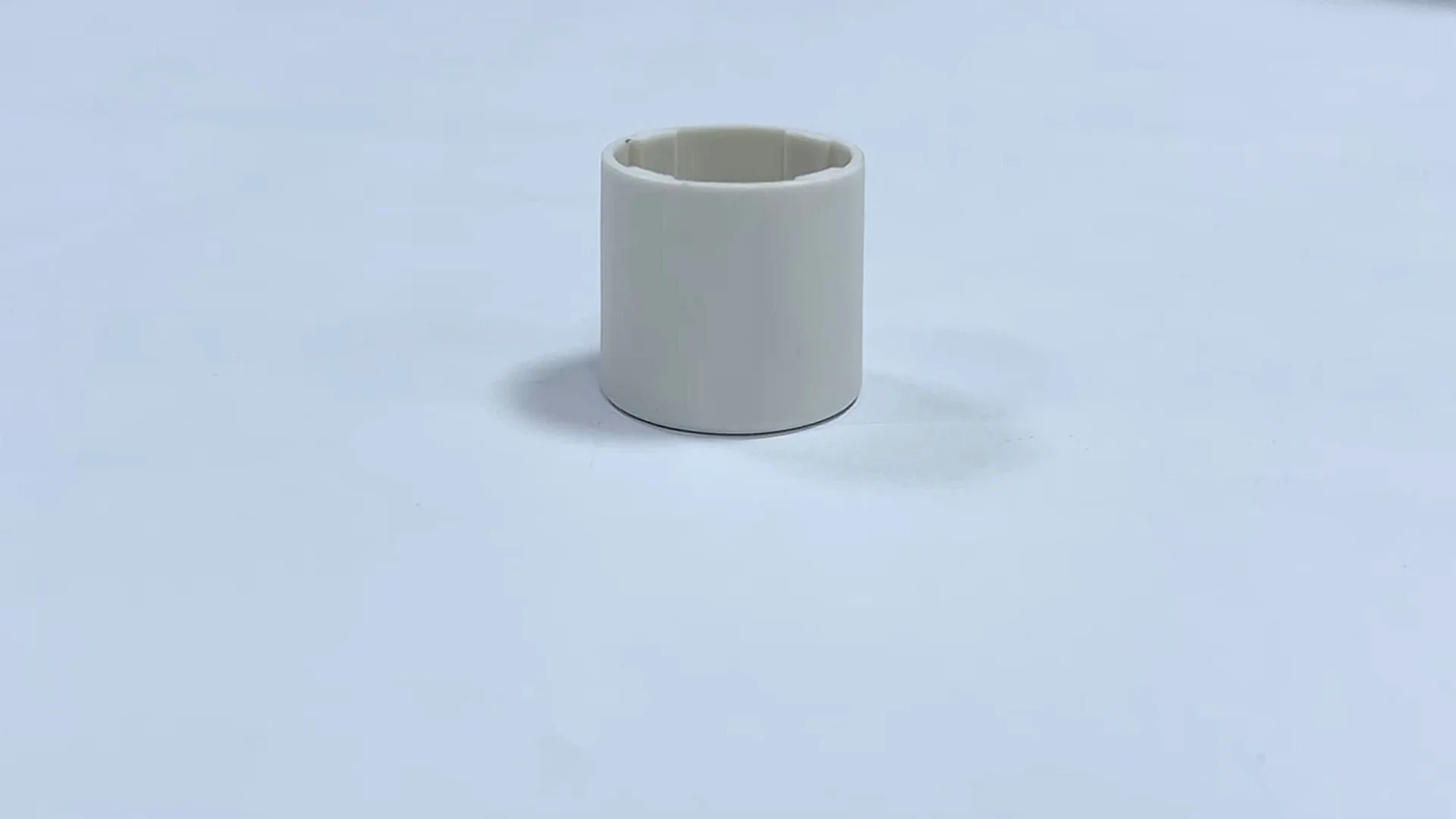
Plastic pipe sleeve to cover dia 28MM aluminum pipe end to contact with ground.
The Unsung Backbone of 3C Manufacturing: Safety, Speed, and the Little Components That Make It All Work
Walk into any 3C (computers, communications, consumer electronics) assembly facility, and you'll be hit by the hum of productivity: conveyor belts gliding, workers focused on intricate tasks, and a symphony of precision tools shaping the smartphones, laptops, and wearables we rely on daily. In this high-stakes environment, where every second counts and even the smallest error can derail production, two priorities reign supreme: safety and efficiency. Yet, amid the buzz of high-tech machinery and automated systems, there's a humble component that often goes unnoticed—until you realize how much it keeps the line running smoothly: plastic pipe sleeves.
These unassuming sleeves, often made of durable, flexible polymers, wrap around metal pipes, rails, and frames that form the backbone of assembly line structures. From lean pipe workbenches to roller tracks, and from ESD workstations to material racks, plastic pipe sleeves play a quiet but critical role in protecting both workers and equipment. In this article, we'll dive into why these small components are non-negotiable for 3C assembly lines, exploring how they mitigate risks, streamline workflows, and ultimately contribute to the bottom line of manufacturers worldwide.
What Are Plastic Pipe Sleeves, and Why Do 3C Lines Depend on Them?
At their core, plastic pipe sleeves are cylindrical coverings designed to fit over metal pipes, tubes, or profiles—common elements in lean manufacturing systems. Made from materials like polyethylene (PE), polyvinyl chloride (PVC), or polyurethane, they're engineered to be lightweight, impact-resistant, and easy to install. But in 3C manufacturing, their value goes far beyond "covering metal." Let's break down their key properties:
Flexibility & Durability:
3C assembly lines are dynamic spaces, often reconfigured to adapt to new product models or production demands. Plastic sleeves bend without cracking, making them ideal for lean pipe systems that require frequent adjustments. Unlike rigid metal coatings, they withstand repeated handling and minor impacts—essential in environments where tools, components, and workers are in constant motion.
Non-Conductivity:
Static electricity is the enemy of 3C components. A single static discharge can fry a microchip or damage sensitive circuitry, leading to costly defects. Many plastic pipe sleeves are formulated to be non-conductive, helping to dissipate static charges and complement ESD workstation setups, where controlling electrostatic discharge is mission-critical.
Chemical Resistance:
3C assembly involves cleaning agents, adhesives, and lubricants that can corrode bare metal. Plastic sleeves act as a barrier, protecting underlying pipes from chemical wear and extending their lifespan.
Simply put, plastic pipe sleeves transform raw metal infrastructure into safer, more efficient tools tailored to the unique demands of 3C manufacturing. They're not just add-ons—they're essential design elements that bridge the gap between rugged industrial equipment and the delicate precision required to build modern electronics.

Safety First: How Plastic Pipe Sleeves Protect Workers and Components
In 3C assembly, where workers stand for hours, handle small parts, and interact with machinery daily, safety isn't just a box to check—it's a foundation for productivity. Fatigue, minor injuries, or distractions can slow down the line and increase error rates. Plastic pipe sleeves address these risks in ways that are both subtle and impactful.
Preventing Cuts and Scrapes:
Bare metal pipes, especially those with sharp edges or burrs from manufacturing, pose a constant risk of cuts. Workers leaning against a lean pipe workbench, reaching for components on a material rack, or adjusting a roller track might brush against exposed metal and suffer nicks or abrasions. Plastic sleeves create a smooth, rounded surface that eliminates these hazards. Imagine a worker rushing to meet a production quota—every second counts, and the last thing they need is a cut that requires first aid. Sleeves turn potential injuries into non-events.
Reducing Noise Pollution:
The clatter of metal-on-metal contact—whether from tools dropping on a workbench, components sliding along a bare roller track, or pipes vibrating during operation—creates a noisy environment. Over time, constant noise can lead to worker fatigue, reduced concentration, and even hearing damage. Plastic sleeves dampen these sounds: a component sliding on a sleeved roller track makes a soft "glide" instead of a harsh "clank," and tools set down on a sleeved workbench produce less impact noise. Quieter lines mean more focused workers and fewer mistakes.
Minimizing Static Shocks:
As mentioned earlier, static is a 3C killer. But it's not just components at risk—workers can also experience static shocks when touching metal surfaces, which are unpleasant and distracting. Plastic sleeves, particularly those designed for ESD workstations, help neutralize static buildup, creating a safer, more comfortable environment where both people and parts stay protected.
Cushioning Impacts:
Accidents happen. A worker might bump into a material rack, or a heavy tool could fall against a lean pipe frame. Plastic sleeves absorb impact, reducing the force of collisions. This not only protects workers from bruises but also prevents damage to the metal infrastructure itself, reducing the need for repairs and replacements.

Efficiency Unlocked: Streamlining Workflows with Sleeved Pipes
Safety is half the equation; the other half is efficiency. 3C manufacturers operate on tight margins and even tighter deadlines—any delay, whether from rework, maintenance, or slow material flow, eats into profits. Plastic pipe sleeves boost efficiency in ways that might not be obvious at first glance but add up to significant gains over time.
Seamless Integration with Lean Systems:
Lean manufacturing thrives on "just-in-time" processes and adaptable workspaces. Lean pipe systems, with their modular joints and easy-to-assemble frames, are the backbone of this flexibility. Plastic sleeves enhance this by making pipes easier to handle during setup and reconfiguration. Unlike bare metal, sleeved pipes don't scratch when moved, and their smooth surface reduces friction, making it simpler to slide joints into place or adjust workbench heights. For a lean system supplier, this means faster installation for clients; for manufacturers, it means less downtime when retooling for a new product line.
Smoother Material Flow on Roller Tracks:
Roller tracks are the arteries of assembly lines, moving PCBs, casings, and subassemblies from station to station. When metal rollers meet bare metal rails, friction can slow movement, leading to jams or uneven flow. Plastic roller track guide rails—often paired with sleeved pipes—reduce friction, letting components glide smoothly. For example, yellow plastic roller track guide rails (a common color for high-visibility zones) not only signal "material flow here" but also ensure that parts move consistently, reducing bottlenecks and keeping the line synchronized.
Less Maintenance, More Uptime:
Bare metal pipes corrode, scratch, and wear down over time, requiring frequent sanding, painting, or replacement. Plastic sleeves act as a protective barrier, shielding pipes from rust, chemical damage, and daily wear. This translates to fewer maintenance hours and longer intervals between repairs. For a busy 3C line, where stopping production for maintenance is costly, this is a game-changer. A lean pipe supplier will often highlight sleeved options as a way to lower clients' long-term operational costs.
Customization for Workbench Ergonomics:
Workbenches are where the "magic" happens—where workers assemble, test, and inspect components. A poorly designed workbench leads to fatigue and slowdowns. Plastic pipe sleeves let manufacturers customize workbench surfaces: adding padded edges for comfort, color-coding zones (e.g., grey sleeves for ESD-sensitive areas), or creating non-slip grips for tools. When workers are comfortable, they're faster and more accurate.

A Closer Look: Types of Plastic Pipe Sleeves and Their 3C Applications
Not all plastic pipe sleeves are created equal. 3C assembly lines have diverse needs—from high-visibility zones to ESD-sensitive areas—and sleeves are tailored to match. Below is a breakdown of common types and their uses:
| Sleeve Type | Color | Material | Key Feature | Ideal 3C Application |
|---|---|---|---|---|
| Standard Duty PE Sleeve | Yellow | Polyethylene | High visibility, impact-resistant | Lean pipe workbenches, material racks, and roller tracks in high-traffic areas |
| ESD-Safe PVC Sleeve | Grey/Black | Static-dissipative PVC | Non-conductive, dissipates static charges | ESD workstations, PCB assembly areas, and zones handling microchips |
| Heavy-Duty Polyurethane Sleeve | Clear/White | Polyurethane | Oil and chemical resistant, extreme durability | Conveyor systems, tool storage racks, and areas with frequent chemical exposure |
| Low-Profile PVC Sleeve | Transparent | Thin-wall PVC | Slim design, fits tight spaces | Aluminum profile accessories, small-diameter lean tubes, and precision workbench frames |
For example, a 3C manufacturer assembling smartphones might use yellow PE sleeves on roller tracks to highlight material flow paths, grey ESD sleeves on workbenches where circuit boards are handled, and clear polyurethane sleeves on conveyor rails to protect against lubricants used in mechanical assembly. This level of customization ensures that every part of the line is optimized for its specific task.
Real-World Impact: How 3C Lines Benefit from Plastic Pipe Sleeves
Let's ground this in reality. Consider a mid-sized 3C manufacturer producing smartwatches. Before adopting plastic pipe sleeves, their assembly line faced two recurring issues: frequent minor cuts to workers from bare metal lean pipes, and static-related defects in 1-2% of finished products—costing thousands in rework. After switching to ESD-safe grey sleeves on workbenches and yellow sleeves on roller tracks, here's what changed:
Safety Incidents Dropped by 70%:
No more reports of cuts from pipe edges. Workers noted the sleeved surfaces felt "softer" and more comfortable during long shifts, reducing fatigue-related slowdowns.
Static Defects Plummeted:
With ESD sleeves complementing their ESD workstation setup, static-related failures dropped to 0.3%, saving the company over $50,000 annually in rework and scrap.
Maintenance Costs Fell by 40%:
Sleeved lean pipes and roller tracks required less frequent cleaning and repainting, freeing up maintenance teams to focus on more critical tasks.
This isn't an isolated case. Across the 3C industry, manufacturers that invest in quality plastic pipe sleeves report similar gains: safer workplaces, happier workers, and smoother, more reliable production.
Choosing the Right Sleeves: What to Look for in a Supplier
Not all plastic pipe sleeves are created equal, and choosing the right ones starts with partnering with a reliable lean pipe supplier. Here are key factors to consider:
Material Quality:
Ask for material certifications (e.g., RoHS compliance for 3C manufacturing) and test reports on durability and static-dissipative properties. Cheap sleeves may crack or lose ESD effectiveness over time.
Size Matching:
Sleeves should fit snugly over your existing pipes (e.g., 28mm lean pipes, 40mm aluminum profiles). A good supplier will offer custom sizes to avoid loose or ill-fitting sleeves that slip or bunch.
Customization Options:
Can they provide sleeves in specific colors or with branding? In 3C lines, color-coding is often used to organize workflows, so flexibility here matters.
Technical Support:
A knowledgeable supplier will help you select sleeves based on your specific risks (e.g., static, chemical exposure) and goals (e.g., reconfigurable lean systems). They should understand 3C manufacturing nuances and offer guidance on integration with roller tracks, workbenches, and ESD setups.
Conclusion: Small Component, Big Impact
In the fast-paced world of 3C manufacturing, it's easy to focus on flashy technologies—automated robots, AI-driven quality control, or cutting-edge assembly tools. But as we've explored, the most critical innovations are often the ones you don't notice: the plastic pipe sleeves that turn raw metal into safe, efficient infrastructure.
From protecting workers from cuts and static shocks to streamlining material flow on roller tracks, these sleeves are the unsung heroes of assembly line safety and efficiency. They're a testament to the idea that in manufacturing, success lies in the details—in choosing components that work as hard as your team does.
So, the next time you walk through a 3C assembly line, take a closer look at those yellow, grey, or clear sleeves on the pipes and rails. They're not just covering metal—they're covering the path to better productivity, happier workers, and a stronger bottom line. And in an industry where every advantage counts, that's more than essential—it's transformative.