- Company Articles
- Products and Technology
- Solution
- Why Reusability Matters: 38 Aluminum Roller Track Yellow in Lean Retrofitting

Why Reusability Matters: 38 Aluminum Roller Track Yellow in Lean Retrofitting
Related Product
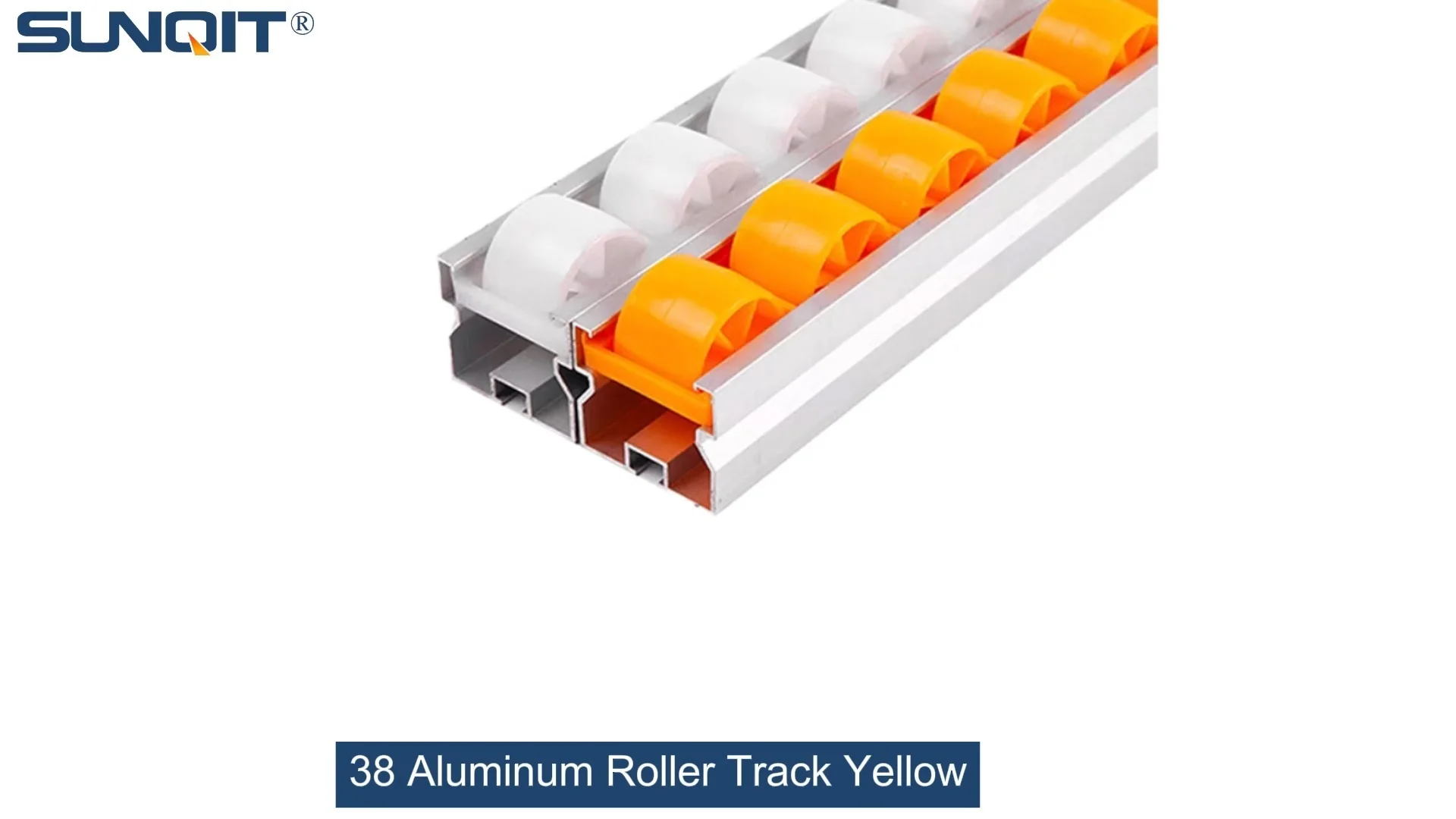
38 Aluminum Roller Track Yellow
Durable and smooth-running modular roller rails. The system is fully assembled. The roller rail profile contains plastic rollers mounted on steel axles. Aluminum frame with plastic wheel make it anti corrosion,and material convey more smooth.
Lean retrofitting isn't just a buzzword—it's a strategic move that manufacturers are embracing to stay competitive in today's fast-changing market. As production lines evolve and customer demands shift, the ability to adapt quickly without wasting resources has become more critical than ever. That's where reusable components like the 38 Aluminum Roller Track Yellow come into play. This small but powerful part of lean systems is changing the way factories approach retrofitting, proving that reusability isn't just good for the environment—it's good for the bottom line too.
What is Lean Retrofitting?
Lean retrofitting refers to updating existing production systems with lean principles in mind, focusing on eliminating waste, improving efficiency, and enhancing flexibility. Unlike a full overhaul, which can be costly and disruptive, retrofitting allows companies to make incremental changes that deliver immediate value. It's about working smarter, not harder—using components that can grow and change with the business instead of being discarded when needs shift.
For example, a manufacturer might start by replacing fixed workstations with lean pipe workbenches that can be adjusted as production needs change. Or, they might add flow racks to their warehouse to improve material handling efficiency. Each of these changes is designed to reduce waste and increase productivity, without the need for a complete system replacement.
The Role of Reusability in Lean Retrofitting
Reusability is the backbone of lean retrofitting. When components can be disassembled, rearranged, and reused in new configurations, companies save money on materials and reduce their environmental footprint. Every time you don't have to buy a new part because you can repurpose an old one, you're cutting costs and minimizing waste. This aligns perfectly with the lean of 'continuous improvement'—as your production needs change, your components can adapt right along with them.
Reusability also supports agility. In today's market, manufacturers need to be able to switch between products quickly. Reusable components allow them to rearrange their production lines in hours or days, rather than weeks or months. This agility is a key competitive advantage, especially in industries like consumer electronics where product cycles are short.
Deep Dive into 38 Aluminum Roller Track Yellow
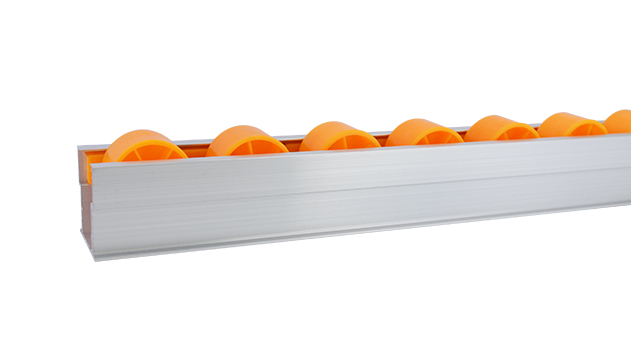
The 38 Aluminum Roller Track Yellow is a versatile component that's designed to meet the demands of modern manufacturing. Let's break down its key features:
Material Composition
The track is made from high-grade aluminum extrusion profile, which offers an ideal balance of strength and weight. Aluminum is known for its corrosion resistance, making it suitable for use in environments where moisture or chemicals are present—like medical device manufacturing or food processing. The yellow plastic guide rail is made from durable, impact-resistant material that can withstand heavy use without cracking or fading.
Technical Specifications
The track has a width of 38mm, which is compatible with standard lean pipe systems. It can support loads up to 50 kg per meter, making it suitable for moving a wide range of components, from small electronic parts to larger mechanical assemblies. The rollers are designed to rotate smoothly, reducing friction and ensuring that materials move efficiently without getting stuck.
Compatibility
One of the biggest advantages of this roller track is its compatibility with other lean components. It works seamlessly with internal rotary aluminum joints, which allow for easy connection to lean pipes. This means you can build custom workstations, flow racks, or conveyors by combining the roller track with lean pipes and other accessories. For example, you can create a flow rack by attaching the roller track to a lean pipe frame, allowing parts to slide down to the workstation as needed.
Reusability in Action
Suppose a manufacturer decides to change their production line layout to accommodate a new product. With the 38 Aluminum Roller Track Yellow, they can simply unscrew the internal rotary joints, move the track to the new location, and reattach it. There's no need to cut, weld, or purchase new parts. This not only saves time but also reduces the amount of waste generated. Over the life of the component, this can lead to significant cost savings and a smaller environmental footprint.

Integration with Other Lean Components
The 38 Aluminum Roller Track Yellow works hand in hand with other lean components to create a fully functional system. Let's explore some common integrations:
Lean Pipe Workbench
Pairing the roller track with a lean pipe workbench creates a workstation that allows for smooth material flow. For example, in a 3C assembly line, the roller track can be attached to the workbench to move components from the storage area to the assembly station. When the assembly process changes, the track can be rearranged to fit the new workflow.
Flow Rack
Flow racks are essential for efficient material handling in warehouses and production lines. By attaching the 38 Aluminum Roller Track Yellow to a lean pipe frame, you can create a flow rack that allows parts to slide down to the pick area as needed. This reduces the time workers spend retrieving parts and ensures that inventory is rotated properly.
Conveyor System
The roller track is a key component of conveyor systems. It can be used to build both manual and automated conveyors, helping to move products efficiently through the production line. For example, in a medical device factory, the roller track can be part of a conveyor that moves sterile components from the cleaning area to the assembly station.

Real-World Case Studies
Case Study 1: 3C Assembly Line Retrofitting
A leading smartphone manufacturer wanted to retrofit their assembly line to handle a new model with different component sizes. They chose the 38 Aluminum Roller Track Yellow because of its reusability and compatibility with their existing lean system. By rearranging the roller track, they were able to adjust the line to fit the new components in just a few hours. This saved them over $20,000 in equipment costs and reduced downtime by 30%.
Case Study 2: Medical Device Manufacturing
A medical device company needed a system that was easy to clean and could be adjusted as their product line expanded. The 38 Aluminum Roller Track Yellow was the perfect solution. Its aluminum construction is easy to sanitize, and the reusable components allowed them to add new production lines without replacing entire sections of the system. Over time, this saved them thousands of dollars and helped them meet strict regulatory standards.
Case Study 3: Warehouse Logistics Optimization
A large e-commerce company wanted to optimize their warehouse logistics to handle increased order volumes. They incorporated the 38 Aluminum Roller Track Yellow into their flow racks, creating a flexible storage system that could be rearranged as inventory levels changed. When they introduced new products, they simply adjusted the roller track to fit the new box sizes. This eliminated the need for new flow racks, saving them $15,000 and increasing order picking efficiency by 25%.
Sustainable Manufacturing with Reusable Components
Sustainability is a business imperative for modern manufacturers. The 38 Aluminum Roller Track Yellow supports sustainable manufacturing in several ways:
Reduced Waste
By being reusable, the track reduces the amount of equipment that ends up in landfills. Instead of discarding old components when the production line changes, companies can repurpose them, cutting down on waste.
Energy Efficiency
The smooth rollers of the track reduce friction, which means less energy is needed to move materials along the line. This can lead to lower energy costs and a smaller carbon footprint.
Long Lifespan
Aluminum is a durable material that can last for decades with proper care. Unlike plastic components that degrade over time, the aluminum track maintains its strength and functionality, reducing the need for frequent replacements.
Recyclability
Even when the track reaches the end of its useful life, aluminum is 100% recyclable. This means it can be melted down and reused to make new components, further reducing the environmental impact.
Why Choose 38 Aluminum Roller Track Yellow?
Compared to traditional fixed roller tracks, this component offers unmatched flexibility and value. Let's compare:
| Feature | 38 Aluminum Roller Track Yellow | Traditional Fixed Roller Track |
|---|---|---|
| Reusability | High (disassemble and rearrange) | Low (fixed, hard to modify) |
| Flexibility | Compatible with lean pipe accessories | Limited to fixed positions |
| Durability | Aluminum construction, corrosion-resistant | Often steel or plastic, prone to wear |
| Load Capacity | Up to 50 kg/m | Variable, often lower for plastic tracks |
| Cost Over Time | Lower (reusable, fewer replacements) | Higher (need to replace when modified) |
| Sustainability | Recyclable, reduces waste | Often non-recyclable, contributes to waste |
Conclusion
In conclusion, reusability is a critical factor in successful lean retrofitting, and the 38 Aluminum Roller Track Yellow is a prime example of how reusable components can drive efficiency and cost savings. Its compatibility with other lean systems, durability, and adaptability make it an essential tool for manufacturers looking to stay ahead in today's competitive market.
Whether you're in 3C assembly, medical devices, or warehouse logistics, this roller track can help you create a flexible, sustainable production line that grows with your business. By choosing reusable components like the 38 Aluminum Roller Track Yellow, you're not just investing in your company's future—you're also contributing to a more sustainable world.
So, the next time you're considering a lean retrofit, remember: reusability isn't just a trend—it's a smart business decision. The 38 Aluminum Roller Track Yellow is more than just a piece of equipment; it's a key to unlocking efficiency, flexibility, and sustainability in your manufacturing operations.