- Company Articles
- Products and Technology
- Product knowledge
- Why Saddle Pipe Clamps Are Essential for Lean Material Handling Equipment

Why Saddle Pipe Clamps Are Essential for Lean Material Handling Equipment
Related Product
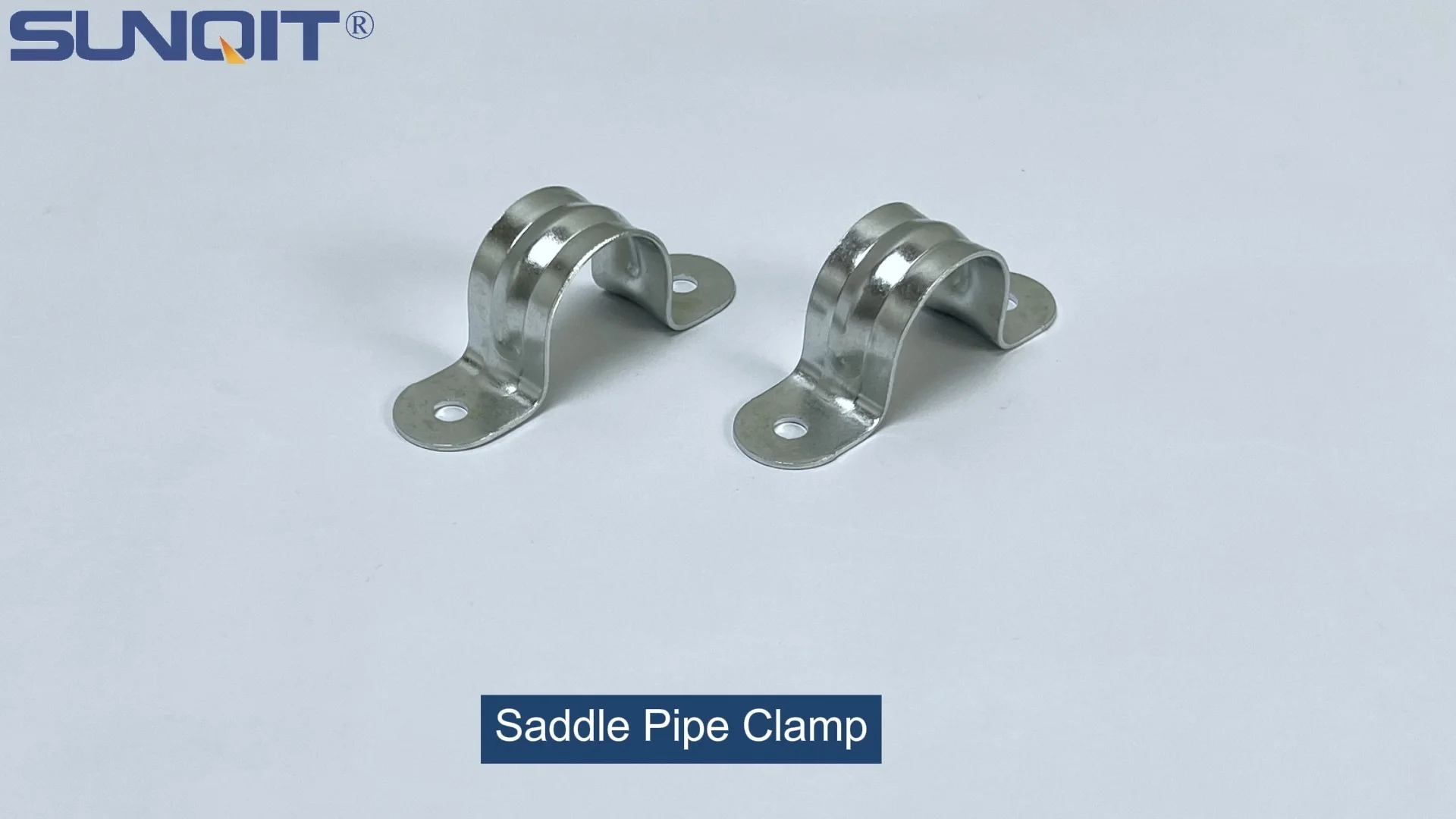
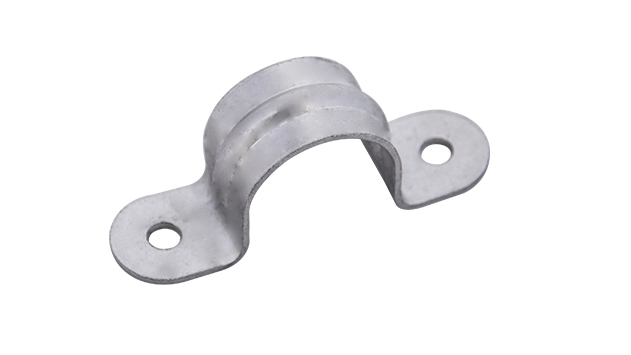
Saddle Pipe Clamp
Saddle pipe clamp, used for board connect with pipe, usually for table top installation.
Walk into any bustling manufacturing facility, and you'll feel it immediately—the hum of machinery, the rhythm of workers moving in sync, the quiet urgency of meeting production goals. Every corner, every workstation, every shelf tells a story of efficiency (or its absence). At the heart of this chaos-turned-order lies lean material handling—a philosophy that's not just about cutting costs, but about (respecting) the people who keep the wheels turning, and creating systems that make their jobs easier, safer, and more fulfilling. Yet, for all its grand principles, lean material handling relies on something surprisingly small: the components that hold it all together. Today, we're shining a light on one such unsung hero: the saddle pipe clamp. It might not grab headlines, but in the world of lean pipe structures, workbenches, flow racks, and roller tracks, this unassuming fastener is the glue that turns disorganization into harmony. Let's dive into why saddle pipe clamps aren't just "parts"—they're essential partners in building the lean, responsive workplaces of tomorrow.
The Backbone of Lean Material Handling: It's All in the Details
Lean material handling isn't a buzzword—it's a promise. A promise that every tool, every shelf, every inch of space serves a purpose. It's about minimizing waste, maximizing flow, and empowering teams to adapt quickly to changing needs. Think about a typical workbench on the factory floor. If it's rigid, bolted down, and impossible to reconfigure, it becomes a bottleneck. A new product line requires a taller surface? A team needs extra storage for tools? Suddenly, that "permanent" workbench feels like a ball and chain. That's where modularity comes in—and modularity, more often than not, starts with how you connect your structures.
Enter lean pipe systems. These lightweight, versatile pipes (often made of steel or aluminum) have revolutionized how facilities build everything from workbenches to flow racks. They're strong enough to support heavy loads, yet flexible enough to be rearranged in hours, not days. But here's the catch: even the best lean pipe is only as good as the fasteners holding it together. Welding is permanent (and messy). Bolts and nuts require tools and time. Plastic clips? They wear out too quickly under daily use. This is where saddle pipe clamps step up. Designed to grip lean pipes securely while allowing for quick adjustments, they're the quiet enablers of lean's core principles: flexibility, efficiency, and respect for people's time.
What Are Saddle Pipe Clamps, Anyway? A Closer Look
Let's start with the basics. A saddle pipe clamp is exactly what it sounds like: a clamp shaped like a "saddle" that wraps around a lean pipe, securing it to another pipe, a workbench frame, or a support structure. Picture a C-shaped bracket with a screw or bolt that tightens down, creating a firm grip without damaging the pipe's surface. Simple, right? But simplicity is where its power lies.
Most saddle pipe clamps are made from durable materials like stainless steel or high-grade aluminum, chosen for their ability to withstand the wear and tear of a busy facility—think bumps from forklifts, spills, and the constant vibration of machinery. They come in various sizes to fit different lean pipe diameters, from the slender 0.5-inch tubes used in light-duty racks to the sturdier 2-inch pipes supporting heavy workbenches. Some even have rubberized liners to prevent slipping, or corrosion-resistant coatings for use in damp environments (like food processing plants or warehouses with high humidity).
But what really sets saddle pipe clamps apart is their intelligence of design. Unlike a weld, which fuses two pipes into one unchangeable unit, a saddle pipe clamp creates a connection that's tight enough to hold under stress but loose enough to be adjusted with a simple wrench. Need to raise a flow rack by 6 inches? Loosen the clamps, reposition the pipes, retighten, and you're done. No cutting, no rewelding, no waiting for a maintenance crew. For workers on the floor, that means less downtime and more control over their workspace—a small detail that adds up to big morale boosts.
Why Saddle Pipe Clamps Are Non-Negotiable for Lean Systems
Lean material handling thrives on three pillars: flexibility, durability, and cost-effectiveness. Saddle pipe clamps deliver on all three, making them indispensable for anyone building or maintaining lean structures. Let's break it down.
1. Flexibility: Adapt or Get Left Behind
In manufacturing, change is the only constant. A sudden surge in demand for a product might require doubling the size of a flow rack. A new ergonomic study could reveal that workbenches need to be 4 inches lower to reduce worker strain. In a rigid system, these changes mean delays, extra costs, and frustrated teams. With saddle pipe clamps, they're opportunities to innovate.
Take a roller track, for example. Roller tracks are the arteries of material flow, guiding parts from one workstation to the next with minimal effort. But if the track is fixed in place with bolts, rerouting it to accommodate a new assembly line would mean drilling new holes, replacing damaged parts, and losing hours of production time. Saddle pipe clamps? They let you detach the roller track from its support frame, reposition the lean pipes that hold it, and have the system up and running in under an hour. It's not just about saving time—it's about respecting the fact that your team's energy should go into building products, not fighting with tools.
2. Durability: Built to Keep Up with Your Team
Imagine this: A worker is loading heavy components onto a flow rack. The rack shifts slightly, and suddenly, a shelf gives way. Parts crash to the floor, time is lost, and worst of all, someone could get hurt. That's the risk of using flimsy fasteners. Saddle pipe clamps, though small, are engineered to handle the daily grind. Their stainless steel or aluminum construction resists rust and corrosion, even in environments where spills (oil, water, cleaning solutions) are common. The saddle design distributes pressure evenly around the lean pipe, preventing dents or cracks that could weaken the structure over time. And unlike plastic clips that degrade under UV light or repeated tightening, a good saddle pipe clamp will outlast the pipes it holds, saving you from constant replacements.
Consider a busy automotive parts warehouse. Flow racks here are loaded with heavy metal components day in and day out. The clamps securing the rack's vertical supports must withstand not just the weight of the parts, but also the jostling from pallet jacks and the occasional accidental bump. Saddle pipe clamps don't just "hold on"—they stay on, day after day, year after year. That's peace of mind you can't put a price on.
3. Cost-Effectiveness: Invest Once, Benefit Forever
Lean is about eliminating waste, and that includes wasteful spending. Saddle pipe clamps might cost a bit more upfront than plastic clips, but their longevity and reusability make them a budget-friendly choice in the long run. Let's do the math: A plastic clip might cost $1, but it breaks after 6 months of use. A saddle pipe clamp costs $5, but lasts 5 years. Over a decade, you'd spend $20 on clips vs. $10 on clamps. That's a 50% savings—before even accounting for the downtime saved by not having to replace broken clips.
But the real cost savings come from adaptability. When you can reconfigure a workbench instead of buying a new one, or repurpose a flow rack for a different product line instead of building from scratch, you're not just saving money—you're turning your existing equipment into a long-term investment. Saddle pipe clamps make that possible by letting you take apart and rebuild structures without damaging the components. It's the ultimate "reduce, reuse, recycle" in action.

From Workbenches to Roller Tracks: Where Saddle Pipe Clamps Shine
Saddle pipe clamps aren't one-trick ponies. They're versatile enough to play a role in almost every lean material handling structure. Let's look at some common applications—and how these clamps make a tangible difference.
Workbenches: The Heart of the Workstation
A workbench is more than a table—it's a worker's command center. It needs to be at the right height, have storage for tools, and maybe even integrate a roller track for moving parts. With lean pipe workbenches, you can customize every inch of it—but only if the connections are secure and adjustable. Saddle pipe clamps are the key here. They attach the workbench's legs to its frame, hold up shelves for tools, and even secure accessories like monitor arms or bin holders. Need to add a second tier for extra storage? Just loosen the clamps, add a few more lean pipes, and retighten. No drilling, no welding, no waiting for maintenance. It's your workbench, your way, whenever you need it.
Real-World Impact: A small electronics manufacturer was struggling with workbenches that were too low for taller workers, causing back strain. With saddle pipe clamps, they adjusted the height of 12 workbenches in a single weekend. Within a month, reports of discomfort dropped by 70%, and productivity ticked up—all because the clamps made it easy to put people first.
Flow Racks: Keeping Materials Moving
Flow racks are the unsung heroes of order picking. They use gravity to slide materials from the back to the front, ensuring first-in, first-out (FIFO) inventory and reducing the need for workers to bend or reach. But a flow rack is only as good as its ability to stay level and stable. Saddle pipe clamps secure the inclined rails that hold the rollers, keeping them at the perfect angle for smooth flow. If a rail starts to sag (a common issue with heavy loads), a quick twist of the clamp's bolt tightens it back into place. And when you need to add more lanes to a rack (because demand for a product spiked), clamps let you do it without replacing the entire structure. It's not just about efficiency—it's about building systems that grow with your business.
Roller Tracks: The Pathway to Seamless Flow
Roller tracks are the highways of material handling, moving parts between stations with minimal effort. Whether they're part of a conveyor system or a standalone track on a workbench, they need to be perfectly aligned to prevent jams. Saddle pipe clamps attach the roller track's frame to the supporting lean pipes, ensuring it stays straight and level. If a section of track gets bent (from a dropped pallet, for example), you can loosen the clamps, realign the pipes, and have the track rolling smoothly again in minutes. Compare that to bolted tracks, where realignment would mean drilling new holes and risking damage to the frame. Saddle pipe clamps turn a potential crisis into a minor hiccup.

Saddle Pipe Clamps vs. the Competition: Why They Stand Out
You might be thinking, "Aren't there other ways to connect lean pipes?" Absolutely. But when it comes to balancing flexibility, durability, and ease of use, saddle pipe clamps outshine the alternatives. Let's break down the differences in a quick comparison:
| Feature | Saddle Pipe Clamps | Welding | Plastic Clips | Bolts/Nuts |
|---|---|---|---|---|
| Adjustability | High—loosen/tighten in minutes, no damage to pipes | None—permanent, requires cutting to reconfigure | Medium—can be adjusted, but degrade with reuse | Low—requires tools, risk of stripping threads |
| Durability | High—stainless steel/aluminum resists rust and wear | High—but damages pipes if removed | Low—prone to cracking, UV degradation | Medium—can corrode, threads strip over time |
| Installation Time | Fast—no special tools needed | Slow—requires skilled labor, cooling time | Fast—but weakens with each use | Slow—requires wrenches, alignment |
| Cost Over Time | Low—reusable, minimal replacements | High—permanent, costly to modify | High—frequent replacements needed | Medium—reusable but prone to wear |
| Safety | High—even pressure distribution, no sharp edges | High—but risk of burns during installation | Low—can snap under load, causing collapse | Medium—over-tightening can crack pipes |
As the table shows, saddle pipe clamps aren't just "good enough"—they're the most balanced choice for lean environments. They combine the adjustability of plastic clips with the durability of welding, all without the hassle of bolts or the permanence of heat. For facilities that value adaptability and respect their team's time, there's no comparison.
Investing in Saddle Pipe Clamps: It's About More Than Parts
At the end of the day, choosing saddle pipe clamps isn't just about buying fasteners. It's about investing in your team's ability to thrive. It's about saying, "We value your time, your safety, and your ideas enough to give you tools that work with you, not against you." When workbenches can be adjusted to fit every worker, when flow racks can grow with demand, when roller tracks can be fixed in minutes instead of hours, you're not just building a lean system—you're building a culture of respect.
So the next time you walk through your facility, take a closer look at those lean pipe structures. The workbenches where your team assembles products, the flow racks that keep materials organized, the roller tracks that keep things moving—chances are, saddle pipe clamps are holding them together. They might not be the flashiest part of your operation, but they're the reason your lean material handling system lives up to its promise: efficient, adaptable, and centered on the people who make it all happen.
In a world that's always pushing for more, faster, better, sometimes the most essential innovations are the ones that quietly make every day a little easier. Saddle pipe clamps are exactly that—proof that great things really do come in small packages.