- Company Articles
- Products and Technology
- Product knowledge
- Why Single Side Aluminum Pipe is Ideal for Lightweight Lean Pipe Workstations

Why Single Side Aluminum Pipe is Ideal for Lightweight Lean Pipe Workstations
Related Product
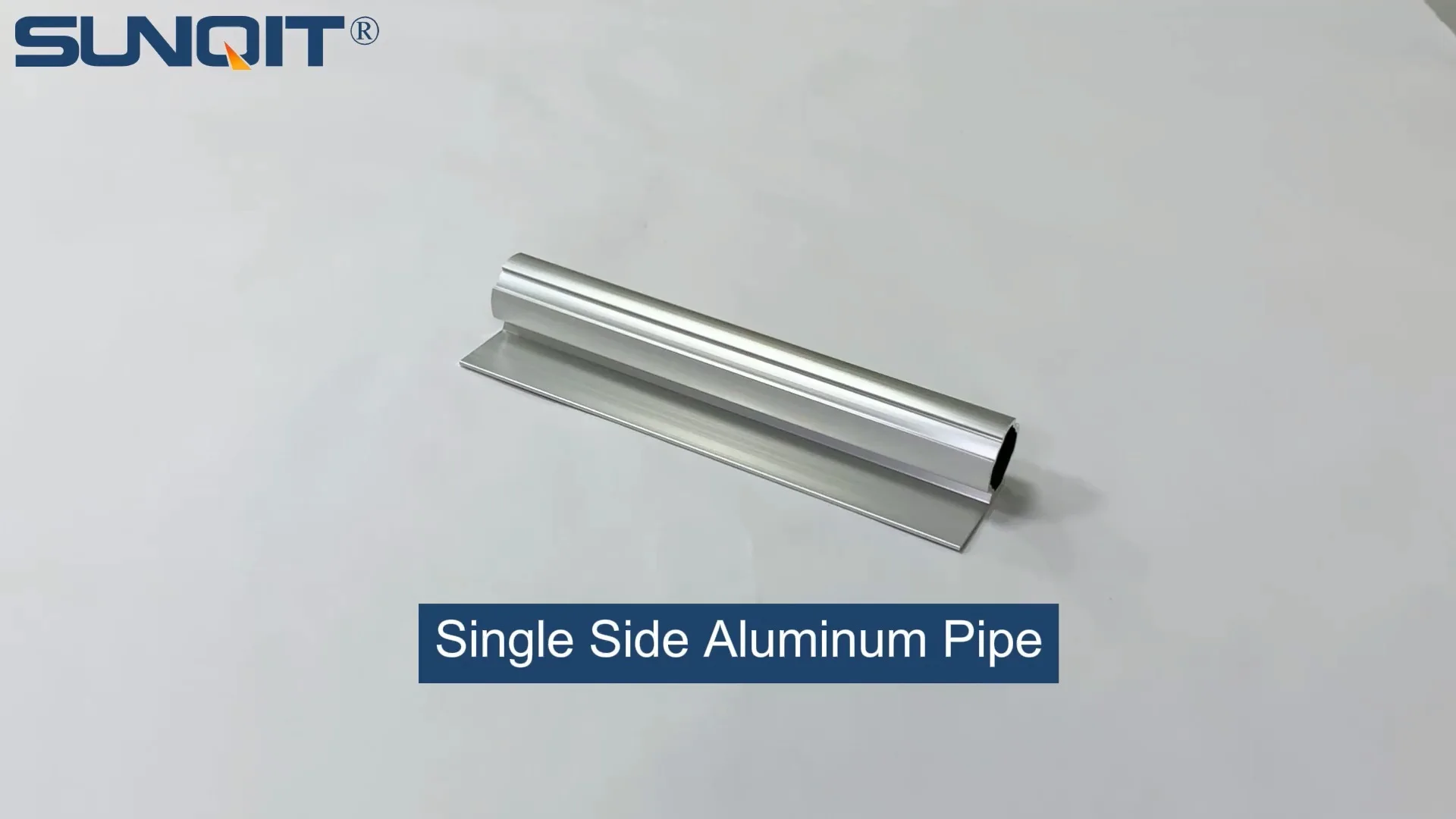
Single Side Aluminum Pipe
The single-sided plane can be installed with a back-mounted material box, and can also be used as a sidewall or partition.
In the fast-paced world of manufacturing and assembly, where every second counts and efficiency is the backbone of success, the design of workspaces plays a pivotal role. Lean manufacturing principles have long emphasized the importance of eliminating waste, streamlining processes, and creating adaptable environments that grow with your needs. At the heart of this philosophy lies the lean pipe workstation—a modular, flexible setup that keeps tools, materials, and workers in perfect harmony. But not all workstation components are created equal. Enter single side aluminum pipe: a game-changing solution that's redefining what lightweight, efficient, and durable workstations can be. In this article, we'll explore why single side aluminum pipe has become the go-to choice for modern lean pipe workstations, delving into its design, benefits, and real-world impact.
Understanding Lean Pipe Workstations: The Backbone of Efficient Operations
Before we dive into the specifics of single side aluminum pipe, let's first ground ourselves in what lean pipe workstations are and why they matter. A lean pipe workstation—often referred to as a "flexible workstation"—is a modular setup built using pipes, joints, and accessories, designed to support assembly, packaging, or inspection tasks in a way that minimizes waste and maximizes productivity. Unlike fixed, one-size-fits-all workbenches, these workstations are built on the idea of adaptability: they can be easily reconfigured, extended, or modified to suit changing production needs, team sizes, or workflow adjustments.
Traditional lean pipe workstations were often constructed using steel pipes or standard aluminum pipes. While these materials served their purpose, they came with trade-offs. Steel, for example, is strong but heavy, making reconfiguration a labor-intensive process that requires multiple workers. Standard aluminum pipes, while lighter than steel, sometimes lacked the structural precision needed for specialized setups, especially when paired with certain aluminum pipe accessories. This is where single side aluminum pipe steps in—addressing these pain points while adding a host of new benefits that align perfectly with the demands of modern manufacturing.
What is Single Side Aluminum Pipe? A Closer Look at Its Design
Single side aluminum pipe is a specialized type of aluminum extrusion profile engineered with a unique "single side" design—meaning it features a dedicated channel or groove along one side, optimized for attaching accessories, brackets, or panels. This might sound like a small detail, but it's a game-changer for modular construction. Let's break down its key characteristics:
Crafted from High-Quality Aluminum Profile
At its core, single side aluminum pipe is made from aluminum extrusion profile—aluminum that's been shaped under high pressure through a die to create a consistent, precise cross-section. This process ensures uniformity in strength, dimensions, and finish, which is critical for modular systems where components need to fit together seamlessly. Most single side aluminum pipes are made from 6000-series aluminum alloys (like 6063), known for their excellent balance of strength, corrosion resistance, and machinability. This makes them not only durable but also easy to work with, whether you're cutting them to length or attaching accessories.
The "Single Side" Advantage
Unlike standard aluminum pipes, which may have T-slots or grooves on multiple sides, single side aluminum pipe focuses on a single, optimized channel. This design simplifies assembly: instead of fumbling with multiple slots, workers can quickly align accessories (like brackets, shelves, or tool holders) along the dedicated side, reducing setup time. It also reduces material waste—by focusing on one functional side, the pipe maintains a lightweight profile without sacrificing structural integrity. Think of it as a "less is more" approach: by streamlining the design, single side aluminum pipe delivers exactly what's needed for lean pipe workbench construction, and nothing extra.

Key Benefits of Single Side Aluminum Pipe for Lightweight Workstations
Now, let's get to the heart of the matter: why is single side aluminum pipe ideal for lightweight lean pipe workstations? Let's explore its most impactful benefits:
1. Lightweight by Design: Easy to Handle, Install, and Reconfigure
The first and most obvious advantage is its weight—or rather, its lack thereof. Aluminum is naturally about 1/3 the weight of steel, and single side aluminum pipe takes this a step further by virtue of its optimized extrusion design. A typical 2-meter length of single side aluminum pipe weighs just 1.2–1.5 kg, compared to 3–4 kg for a steel pipe of the same length. This lightweight nature transforms how workstations are built and modified:
- Easier installation: A single worker can carry, position, and secure single side aluminum pipes without needing heavy lifting equipment. This cuts down on labor costs and speeds up setup time.
- Quick reconfiguration: When production needs change—say, you need to add a shelf or extend a workbench—single side aluminum pipe can be disassembled and reassembled in minutes, not hours. This agility is a cornerstone of lean manufacturing, where downtime equals waste.
- Reduced fatigue: Lighter workstations mean less strain on workers who interact with them daily. Whether it's adjusting the height of a table or moving a mobile workstation, the lightweight design reduces physical stress, boosting overall ergonomics and worker satisfaction.
2. Strength Without Compromise: Durable Enough for Heavy-Duty Tasks
You might be thinking: "If it's lightweight, does it sacrifice strength?" The answer is a resounding no. Thanks to its aluminum extrusion profile construction and alloy composition, single side aluminum pipe offers impressive load-bearing capacity. For example, a properly assembled frame using 30mm single side aluminum pipe can easily support 50–80 kg per linear meter—more than enough for most workbench applications, including holding tools, components, or even small machinery. This strength-to-weight ratio is unmatched by many traditional materials, making it ideal for both lightweight and heavy-duty lean pipe workbench setups.
3. Seamless Integration with Aluminum Pipe Accessories
A workstation is only as good as the accessories it can support, and single side aluminum pipe excels here. Its dedicated single-side channel is engineered to work flawlessly with a wide range of aluminum pipe accessories, including:
- Internal straight aluminum joints: These joints slide into the single side channel, creating secure, rattle-free connections between pipes.
- Aluminum pipe clamps: Used to attach shelves, panels, or tool boards directly to the pipe without drilling or welding.
- Caster wheels: For mobile workstations, casters can be mounted to the base of the pipe frame, turning a static bench into a movable unit that can be repositioned as needed.
This compatibility means you're not locked into a single brand or accessory line—you can mix and match components to create a workstation tailored to your exact needs. Whether you need a simple workbench with a single shelf or a complex assembly station with integrated tool holders and material racks, single side aluminum pipe and its accessories make it possible.
4. Corrosion Resistance and Aesthetics: Built for the Long Haul
Aluminum is naturally resistant to corrosion, thanks to a thin oxide layer that forms on its surface when exposed to air. This makes single side aluminum pipe ideal for environments where moisture, oils, or chemicals are present—common in automotive, aerospace, or food processing facilities. Unlike steel, which can rust if not painted or coated, aluminum maintains its integrity over time, reducing maintenance costs. Additionally, aluminum has a clean, modern finish that enhances the look of workspaces. Whether left in its natural silver color or anodized for a sleek, colored surface, single side aluminum pipe adds a professional touch to any lean system.

How Single Side Aluminum Pipe Stacks Up: A Comparison with Other Materials
To truly appreciate the value of single side aluminum pipe, let's compare it to two common alternatives: traditional steel lean pipes and standard aluminum pipes. The table below highlights key factors like weight, strength, flexibility, and cost:
| Material | Weight (per 2m length) | Typical Load Capacity (per linear meter) | Reconfiguration Ease | Corrosion Resistance | Best For |
|---|---|---|---|---|---|
| Steel Lean Pipe | 3.5–4.5 kg | 80–100 kg | Hard (requires 2+ workers) | Low (prone to rust without coating) | Heavy, static loads; budget-focused setups |
| Standard Aluminum Pipe | 1.8–2.5 kg | 40–60 kg | Moderate (lighter than steel, but less precise) | High | Basic workstations; light loads |
| Single Side Aluminum Pipe | 1.2–1.5 kg | 50–80 kg | Easy (single worker can handle) | High | Lightweight, modular workstations; frequent reconfiguration; corrosive environments |
As the table shows, single side aluminum pipe strikes the perfect balance: it's lighter than both steel and standard aluminum, while offering comparable or better load capacity than standard aluminum. Its standout feature, though, is reconfiguration ease—thanks to its lightweight design and compatibility with aluminum pipe accessories, it's the clear choice for teams that need to adapt quickly. While steel may have a higher load capacity, most workbench applications don't require the extreme strength of steel, making single side aluminum pipe the more practical, cost-effective option in the long run.

Real-World Applications: How Industries Are Using Single Side Aluminum Pipe
Theory is one thing, but real-world impact is another. Let's look at how different industries are leveraging single side aluminum pipe to enhance their lean systems:
Automotive Assembly Lines
In automotive plants, where production lines change frequently to accommodate new models, single side aluminum pipe workstations are a staple. Workers use them to build modular assembly benches that can be quickly adjusted to fit different vehicle components—from dashboards to engine parts. The lightweight design means line supervisors can reconfigure workstations overnight, minimizing downtime between model launches.
Electronics Manufacturing
Electronics manufacturing demands precision and cleanliness. Single side aluminum pipe workstations, paired with ESD (electrostatic discharge) accessories, create static-safe environments for assembling circuit boards or sensitive components. The corrosion resistance of aluminum ensures the workstations remain clean and free of rust, which is critical for preventing contamination.
Small to Medium-Sized Businesses (SMBs)
For SMBs with limited space and resources, single side aluminum pipe offers an affordable way to build scalable lean pipe workbenches. Instead of investing in expensive, fixed equipment, businesses can start with a basic setup and add components (like additional shelves or casters) as they grow. This "pay-as-you-go" approach aligns with lean principles of minimizing waste and maximizing value.
Tips for Designing with Single Side Aluminum Pipe
If you're considering integrating single side aluminum pipe into your lean system, here are a few tips to ensure success:
- Start with a plan: Sketch your ideal workstation layout, considering workflow, material flow, and worker ergonomics (e.g., height, reach distance).
- Choose the right accessories: Invest in high-quality aluminum pipe accessories like internal straight aluminum joints and aluminum pipe clamps—they'll ensure a secure, rattle-free assembly.
- Test load capacities: While single side aluminum pipe is strong, always verify that your design meets your specific load requirements. Most suppliers provide load charts to guide you.
- Think long-term: Design with future reconfigurations in mind. Leave extra space in your frame for adding shelves or extending the workbench later.
Conclusion: The Future of Lean Workstations is Lightweight and Adaptable
Single side aluminum pipe has quickly become a cornerstone of modern lean manufacturing—not just because it's lightweight, but because it embodies the very principles of lean: efficiency, adaptability, and value. By combining the strength of aluminum extrusion profile with a clever single-side design, it addresses the limitations of traditional materials while opening up new possibilities for modular, worker-friendly workstations. Whether you're building a simple lean pipe workbench or a complex lean system spanning an entire factory floor, single side aluminum pipe delivers the flexibility, durability, and cost-effectiveness needed to stay competitive in today's fast-paced manufacturing landscape.
As industries continue to evolve, one thing is clear: the demand for adaptable, lightweight workspaces will only grow. Single side aluminum pipe isn't just a trend—it's a tool that empowers businesses to do more with less, turning every workstation into a hub of productivity. So, if you're ready to take your lean system to the next level, it's time to consider the difference that single side aluminum pipe can make.