- Company Articles
- Products and Technology
- Product knowledge
- Why T-Slot Rubber Seal Covers Are Essential for Dust and Moisture Protection in Warehousing

Why T-Slot Rubber Seal Covers Are Essential for Dust and Moisture Protection in Warehousing
Related Product
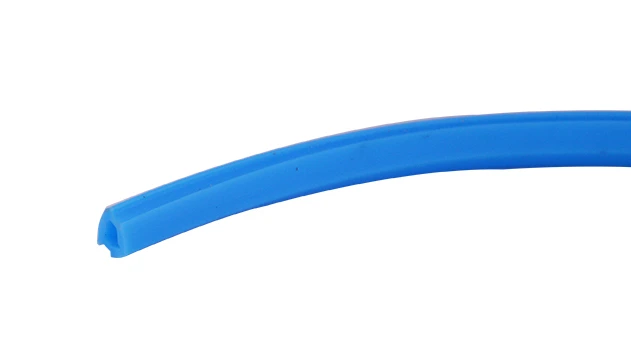
T-slot Rubber Seal Cover
The rubber T-slot seal cover prevents dust and debris buildup, covers wires in the T-slot channel, and adds an extra layer of protection to applications. It rolls into the T-slot, making it easy to assemble.
Walk through any busy warehouse, and you'll witness a carefully choreographed dance of activity: pallets gliding across the floor, workers picking orders with precision, and machinery humming as it moves goods from point A to B. But beneath this orchestrated chaos, there's a silent battle raging—one against two yet destructive foes: dust and moisture. These seemingly minor nuisances can quietly erode efficiency, damage inventory, and even compromise safety. While large-scale solutions like industrial fans or dehumidifiers get much of the attention, there's a smaller, often overlooked component that plays a critical role in this fight: the T-slot rubber seal cover. In this article, we'll explore why these unassuming strips are indispensable for modern warehouses, how they protect your most valuable assets, and why they're a must-have for anyone serious about maintaining a lean, efficient operation.
The Hidden Costs of Dust and Moisture: More Than Just Annoyances
Before diving into the solution, let's first understand the problem. Dust and moisture might seem like trivial issues, but their impact on warehouse operations is far-reaching—and costly. Let's break it down:
Dust: The Silent Saboteur Dust is everywhere in warehouses. It drifts in through open doors, gets kicked up by forklifts, and even accumulates from the products themselves. Over time, it settles into every nook and cranny, including the T-slots of aluminum profiles—the backbone of modern warehouse structures like flow racks, workbenches, and material handling systems. When dust builds up in these slots, it doesn't just look unsightly; it causes mechanical components to jam, makes adjustable parts hard to move, and can even contaminate sensitive inventory. Imagine a pharmaceutical warehouse where dust from uncovered T-slots on a workbench settles onto medical supplies, rendering them unfit for use. Or a electronics facility where dust clogs the tracks of a flow rack, leading to delays in order fulfillment. The cost? Wasted products, downtime, and frustrated employees.
Moisture: The Corrosive Culprit Moisture, too, is a silent threat. It seeps in during rainy seasons, lingers in humid climates, or even comes from routine cleaning with water or disinfectants. When moisture finds its way into the T-slots of aluminum profiles, it triggers a slow decomposition process. Aluminum is durable, but it's not impervious to corrosion—especially when combined with dust, which acts as a catalyst. Over time, rust can weaken the structural integrity of racks and workbenches, making them unstable. In extreme cases, a corroded joint on a flow rack could lead to a collapse, endangering workers and destroying inventory. Even in less severe scenarios, moisture causes parts to stick, mechanisms to seize, and creates slippery surfaces—all of which slow down operations and increase the risk of accidents.
The bottom line? Dust and moisture aren't just housekeeping issues—they're operational threats. And that's where T-slot rubber seal covers step in.
What Are T-Slot Rubber Seal Covers, Anyway?
At first glance, T-slot rubber seal covers might seem like simple strips of rubber. But their design is anything but basic. These flexible, durable covers are specifically engineered to fit snugly into the T-shaped grooves (T-slots) found on aluminum profiles, which are widely used in warehouse equipment like workbenches, flow racks, and shelving units. Made from high-quality rubber compounds—often EPDM, silicone, or nitrile—they're designed to withstand the rigors of industrial environments, including temperature fluctuations, physical abrasion, and exposure to chemicals.
The magic lies in their simplicity: they slide easily into the T-slot, creating a tight, protective barrier that blocks dust, moisture, and debris from entering. Unlike makeshift solutions like duct tape or foam, which degrade quickly or fail to seal properly, T-slot rubber seal covers are built to last. They're available in various sizes to match common aluminum profile dimensions (2020, 3030, 4040, etc.), ensuring a perfect fit for any setup. And because they're flexible, they don't interfere with the functionality of the T-slots—you can still insert brackets, connectors, or accessories when needed; simply peel back the cover, make your adjustment, and press it back into place.

Dust Protection: Keeping T-Slots Clean and Functional
Let's start with dust, the most pervasive of the two threats. Aluminum profiles are prized in warehouses for their versatility—their T-slots allow for easy customization, letting you add shelves, hooks, or tools to workbenches and flow racks as needed. But those same T-slots are also magnets for dust. Think of them as tiny collecting basins: every time a forklift passes by or a door opens, a new wave of dust settles into these grooves. Over weeks and months, that dust hardens into a gritty paste that can jam the mechanisms of adjustable components.
Take a flow rack, for example. Flow racks rely on smooth-rolling rollers to move products from the back to the front, ensuring first-in, first-out (FIFO) inventory management. The aluminum profiles that form the sides of these racks have T-slots that hold the roller tracks in place. If dust accumulates in these slots, it can cause the roller tracks to become misaligned or stuck, slowing down the flow of goods. Employees then have to stop what they're doing to clean or adjust the tracks, eating into valuable time. In a lean system, where every second counts, this kind of waste is unacceptable.
T-slot rubber seal covers solve this problem by acting as a physical barrier. By sealing off the T-slot, they prevent dust from settling inside, keeping the groove clean and ready for use. This not only reduces the need for frequent cleaning but also ensures that adjustable components—like the brackets that hold up a workbench shelf or the guides on a flow rack—move smoothly when needed. For example, a warehouse that installed seal covers on its aluminum profile workbenches reported a 40% reduction in time spent cleaning T-slots, freeing up employees to focus on more productive tasks like order picking or inventory checks.

Moisture Protection: Preventing Corrosion and Extending Equipment Life
If dust is the silent saboteur, moisture is the corrosive culprit. In warehouses, moisture can come from a variety of sources: high humidity in coastal areas, rainwater seeping in through loading docks, or even spills during cleaning. When this moisture finds its way into the T-slots of aluminum profiles, it begins a chemical reaction that can weaken the metal over time. Aluminum is naturally resistant to rust, but when combined with dust (which acts as an electrolyte), it can still corrode, leading to pitting, discoloration, and eventually, structural damage.
Consider a food and beverage warehouse that uses aluminum profile shelving to store perishable goods. To maintain hygiene, the facility cleans its shelves nightly with water and disinfectant. Without T-slot rubber seal covers, water would pool in the T-slots, creating a damp environment where mold could grow and metal could corrode. Over time, the shelves might become unstable, putting employees at risk of injury. With seal covers, however, the water is blocked from entering the T-slots, keeping the aluminum dry and intact. The result? Shelves that last longer, require less maintenance, and remain safe for years to come.
Moisture can also damage the components that fit into T-slots, like brackets or connectors. A rusted bracket might snap under the weight of a heavy load, causing products to fall and break. By keeping moisture out, T-slot rubber seal covers protect not just the aluminum profiles themselves, but all the hardware that makes your warehouse equipment functional. It's a small investment that prevents costly repairs and replacements down the line.
Supporting Lean Systems: Reducing Waste and Boosting Efficiency
In today's competitive landscape, warehouses are under pressure to operate as leanly as possible. Lean systems focus on eliminating waste—whether it's time, materials, or effort—and maximizing value. T-slot rubber seal covers might seem like a minor detail, but they play a key role in supporting these principles. Here's how:
- Minimizing Downtime: When T-slots are clogged with dust or moisture, equipment jams, and employees have to stop working to fix the issue. Seal covers prevent these clogs, reducing unplanned downtime and keeping operations running smoothly.
- Reducing Maintenance Costs: Cleaning T-slots or repairing corroded aluminum profiles takes time and money. Seal covers eliminate the need for frequent cleaning and extend the life of your equipment, lowering long-term maintenance expenses.
- Improving Safety: A clean, dry workspace is a safer workspace. By preventing dust buildup and moisture-related slips, seal covers help reduce the risk of accidents, keeping employees healthy and reducing workers' compensation claims.
Consider a warehouse that has adopted a lean system and prides itself on its efficiency. One day, a critical flow rack used for picking orders jams because dust has clogged the T-slots holding the roller tracks. The jam causes a 30-minute delay, throwing off the entire day's schedule and leading to missed shipping deadlines. This is exactly the kind of waste lean systems aim to eliminate—and it could have been prevented with T-slot rubber seal covers. By keeping the T-slots clean, the flow rack continues to operate smoothly, ensuring that orders are picked on time and customers are satisfied.
T-Slot Rubber Seal Covers vs. Alternatives: Why the Right Tool for the Job Matters
You might be thinking, "Can't I just use duct tape or foam to cover the T-slots?" It's a fair question—many warehouses try to cut costs with makeshift solutions. But here's the truth: these alternatives simply don't measure up. Let's compare:
| Solution | Dust Protection | Moisture Protection | Durability | Ease of Use |
|---|---|---|---|---|
| T-Slot Rubber Seal Cover | Excellent (tight seal) | Excellent (water-resistant rubber) | Long-lasting (resists wear and tear) | Easy to install/remove; reusable |
| Duct Tape | Poor (peels easily, leaves gaps) | Poor (water weakens adhesive) | Low (dries out, cracks in weeks) | Messy; leaves residue when removed |
| Foam Strips | Fair (may not fit T-slots tightly) | Fair (absorbs moisture, breaks down) | Low (crumbles under pressure) | Hard to align; not reusable |
| Uncovered T-Slots | None (dust accumulates freely) | None (moisture seeps in) | N/A (leads to equipment damage) | N/A (high maintenance required) |
As the table shows, T-slot rubber seal covers outperform alternatives in every category. They're designed specifically for T-slots, ensuring a snug fit that blocks dust and moisture effectively. They're made from durable rubber that can withstand the wear and tear of daily warehouse life, and they're easy to install and remove without leaving a mess. In short, they're the only solution that offers long-term, reliable protection.
Real-World Impact: Stories from the Warehouse Floor
To truly understand the value of T-slot rubber seal covers, let's look at some real-world examples of warehouses that have implemented them and seen tangible results:
Case Study 1: A Pharmaceutical Distribution Center A large pharmaceutical warehouse in the Midwest was struggling with product contamination issues. After an audit, they discovered that dust from uncovered T-slots on their aluminum profile workbenches was settling onto pill bottles and medical devices, leading to costly recalls. They installed T-slot rubber seal covers on all workbenches and flow racks, and within three months, contamination incidents dropped by 90%. The warehouse manager estimated the move saved them over $200,000 in recall costs and lost inventory.
Case Study 2: An Automotive Parts Warehouse An automotive parts supplier in the South operates in a humid climate, where moisture is a constant challenge. Their aluminum profile shelving was showing signs of corrosion, and the adjustable brackets in the T-slots were becoming stuck. After adding T-slot rubber seal covers, they noticed a dramatic reduction in corrosion, and bracket adjustments went from taking 10 minutes to less than 2 minutes. The maintenance team reported spending 50% less time cleaning and repairing shelves, freeing them up to focus on other tasks.
Case Study 3: A Small E-Commerce Fulfillment Center A small e-commerce business with a compact warehouse was using aluminum profile workbenches to pack orders. Dust from the warehouse floor was accumulating in the T-slots, making it hard to adjust the height of the workbenches for different employees. They installed seal covers and immediately noticed a difference: the workbenches adjusted smoothly, and employees reported less fatigue from struggling with stuck mechanisms. Productivity increased by 15% in the packing area, allowing the business to handle more orders without adding staff.
Choosing the Right T-Slot Rubber Seal Cover: What to Look For
Now that you're convinced of the importance of T-slot rubber seal covers, how do you choose the right one for your warehouse? Here are a few key factors to consider:
- Size: T-slots come in different sizes (e.g., 2020, 3030, 4040 aluminum profiles). Make sure the seal cover matches the size of your T-slot for a tight fit.
- Material: EPDM rubber is a good all-around choice, offering resistance to dust, moisture, and temperature extremes. Silicone is better for high-heat environments, while nitrile is ideal for warehouses with exposure to oils or chemicals.
- Durability: Look for covers with a thickness of at least 1mm—thinner covers may tear easily. Check for reviews or certifications that attest to the product's longevity.
- Supplier Reputation: Choose a reputable supplier that specializes in warehouse components. They'll be able to help you select the right cover for your needs and offer support if you have questions.
Remember, this is an investment in your warehouse's efficiency and longevity. Spending a little more on a high-quality seal cover will pay off in the long run with fewer repairs, less downtime, and happier employees.
Conclusion: Small Investment, Big Returns
In the fast-paced world of warehousing, it's easy to focus on the big-ticket items: new forklifts, advanced inventory software, or automated conveyor systems. But as we've seen, the smallest components can have the biggest impact. T-slot rubber seal covers might not grab headlines, but they're a workhorse in the fight against dust and moisture—two of the most insidious threats to warehouse efficiency. By sealing off the T-slots of your aluminum profiles, they protect your equipment, keep your inventory safe, and support a lean, productive operation.
Whether you're running a large distribution center or a small fulfillment warehouse, T-slot rubber seal covers are a must-have. They're affordable, easy to install, and deliver a return on investment that far outweighs their cost. So the next time you walk through your warehouse, take a look at the T-slots on your flow racks, workbenches, and shelving. If they're uncovered, you're leaving money on the table—and exposing your operation to unnecessary risk. Invest in T-slot rubber seal covers today, and enjoy the peace of mind that comes with a cleaner, drier, and more efficient warehouse tomorrow.