- Company Articles
- Products and Technology
- Product knowledge
- Why Turning Angle Code 3030 Is Essential for Medical Device Manufacturing Lines

Why Turning Angle Code 3030 Is Essential for Medical Device Manufacturing Lines
Related Product
Turning Angle Code 3030
The turning angle aluminum profile connector provides a 90 degree hidden corner connection. 3030 it is means this size is used for 30 series aluminum profile.The corner code comes with set screws that allow for quick, easy connections.
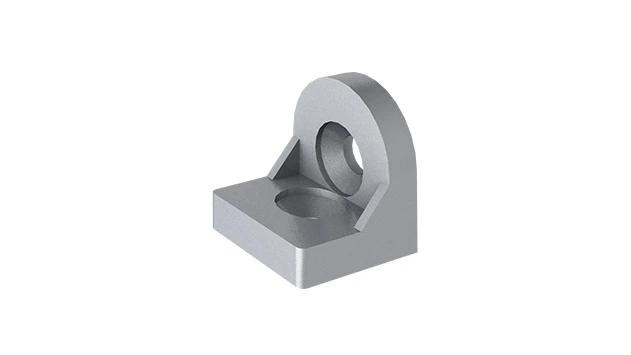
In the high-stakes world of medical device manufacturing, where precision can mean the difference between life and death, every component on the production line carries immense weight. From the smallest screw to the sturdiest workbench, each part must align with rigorous standards for safety, efficiency, and reliability. Yet, among these critical elements, one unsung hero often goes unnoticed: the turning angle code 3030. This unassuming piece of hardware, a staple in aluminum profile systems, plays a pivotal role in creating the stable, flexible structures that power modern medical manufacturing. Let's dive into why this small but mighty component is non-negotiable for any facility aiming to deliver life-saving devices with unwavering consistency.
What Exactly Is a Turning Angle Code 3030?
Before we unpack its importance, let's clarify what a turning angle code 3030 is. In the realm of aluminum profile systems—those modular, T-slot structures used to build everything from workbenches to material racks—angle codes are the connectors that hold profiles together at precise angles. Think of them as the "joints" that give these systems their rigidity and versatility. The "3030" designation refers to the profile size they're designed for: 30mm x 30mm aluminum profiles, a common choice in industries where balance, strength, and adaptability are key.
Unlike generic angle brackets, the turning angle code 3030 is engineered for a specific purpose: to secure 30x30 aluminum profiles at 90-degree angles while allowing for slight adjustments during assembly. Its design includes pre-drilled holes that align perfectly with the T-slots of 3030 profiles, ensuring a snug fit without compromising the profile's structural integrity. Made from high-grade aluminum alloy, it's lightweight yet robust enough to withstand the constant vibration and weight of medical device components—think delicate surgical tools, implantable devices, or diagnostic equipment parts—that move across production lines daily.
Aluminum Profiles: The Backbone of Modern Manufacturing Lines
To understand the turning angle code 3030's significance, we first need to appreciate the role of aluminum profiles in medical manufacturing. Aluminum profiles—extruded lengths of aluminum with T-shaped slots running along their length—have revolutionized production lines by offering a modular alternative to fixed steel structures. They're easy to assemble, reconfigure, and expand, making them ideal for environments where processes evolve rapidly (a common scenario in medical device manufacturing, where new regulations or product iterations demand frequent line adjustments).
3030 aluminum profiles, in particular, strike a sweet spot between size and strength. They're compact enough to fit into tight production spaces (critical in cleanrooms or labs with limited square footage) yet sturdy enough to support workbenches, material racks, and even lightweight conveyor systems. But none of this flexibility would matter without reliable connectors. This is where angle codes like the turning angle code 3030 come in: they transform individual profiles into cohesive, functional structures that can withstand the demands of 24/7 manufacturing.

Why Lean Systems Depend on Precision Components Like Turning Angle Code 3030
Medical device manufacturing thrives on lean systems—methodologies focused on minimizing waste, maximizing efficiency, and reducing errors. A lean system isn't just about processes; it's about the tools and structures that enable those processes to run smoothly. Here's where the turning angle code 3030 becomes indispensable:
- Stability = Consistency: In lean manufacturing, consistency is king. A workbench or material rack that wobbles even slightly can throw off assembly tolerances, leading to defective parts or rework—both of which waste time and resources. The turning angle code 3030's tight fit with 3030 profiles eliminates play in the structure, ensuring that tools, jigs, and components stay exactly where they're needed. For example, when assembling a pacemaker's circuit board, a stable workbench (secured with turning angle codes) prevents micro-shifts that could misalign delicate solder joints.
- Quick Reconfiguration: Lean systems demand adaptability. If a production line needs to switch from assembling syringes to IV pumps, the workspace should reconfigure quickly. The turning angle code 3030's tool-free adjustment (often using just a hex key) allows technicians to disassemble and reassemble structures in minutes, not hours. This agility reduces downtime, a critical factor in meeting tight medical device production deadlines.
- Reduced Material Waste: Traditional steel structures require welding or cutting, generating scrap and limiting reuse. Aluminum profiles with turning angle codes, by contrast, are fully modular. If a section of the line becomes obsolete, the profiles and angle codes can be repurposed for another project. This aligns with lean's "reduce waste" principle and lowers long-term costs.

Workbench Integration: Where Precision Meets Practicality
Workbenches are the heart of any medical device assembly line. They're where technicians spend hours meticulously piecing together components, inspecting parts, and packaging finished products. A poorly designed workbench can lead to fatigue, errors, or even ergonomic injuries—all of which harm productivity and product quality. The turning angle code 3030 plays a quiet but critical role in making workbenches both functional and worker-friendly.
Consider a typical workbench in a medical device facility: it might have a solid top (often stainless steel or ESD-safe material), overhead lighting, tool holders, and under-shelf storage. The frame, built from 3030 aluminum profiles, relies on turning angle codes to connect the vertical legs to the horizontal supports. Because the angle codes ensure the frame is perfectly square, the workbench top sits level, preventing tools from rolling off and ensuring that assembly fixtures align correctly with component blueprints.
Ergonomics matter too. A workbench that's slightly tilted or uneven can strain a technician's neck, shoulders, or wrists over time. The turning angle code 3030's precision ensures that height adjustments (critical for accommodating workers of different statures) remain stable. Even a 1-degree misalignment, if left unchecked, could lead to chronic discomfort and increased error rates. By keeping the frame rigid, the angle code helps maintain the workbench's ergonomic integrity shift after shift.
| Angle Code Type | Profile Size (mm) | Key Use Case | Best for Medical Manufacturing? |
|---|---|---|---|
| Turning Angle Code 3030 | 30x30 | Workbenches, material racks, small conveyors | Yes – balances size, strength, and adaptability |
| 2020 Angle Code | 20x20 | Light-duty shelving, display racks | No – insufficient strength for workbenches |
| 4040 Angle Code | 40x40 | Heavy machinery frames, large conveyors | Sometimes – overkill for most medical workspaces |
ESD Workstations: Protecting Sensitive Electronics with Every Connection
Many medical devices, from MRI machines to glucose monitors, rely on sensitive electronic components that are vulnerable to electrostatic discharge (ESD). An ESD event—even a small spark—can damage microchips, rendering a device inoperable or, worse, causing it to malfunction in a clinical setting. That's why ESD workstations, which dissipate static electricity, are mandatory in medical manufacturing. The turning angle code 3030 plays a subtle but vital role here too.
ESD workstations are built with conductive materials that channel static charge away from components. Aluminum profiles, being conductive, are an excellent base for these workstations—but only if all connections are continuous. A gap or loose joint in the frame could break the conductive path, allowing static to build up. The turning angle code 3030, when paired with conductive fasteners, ensures a metal-to-metal connection between profiles, maintaining the workstation's ESD protection. For example, when assembling an ESD workstation for pacemaker assembly, every turning angle code acts as a bridge, ensuring that static from the technician's hands flows safely to ground, never reaching the sensitive circuitry.
Additionally, ESD workstations often have specialized tops and grounding straps, which need to be securely mounted. The T-slots in 3030 profiles (accessed via the turning angle code's open design) allow for easy installation of these accessories. A technician can quickly attach a grounding clip or a static-dissipative mat without drilling new holes, ensuring the workstation remains compliant with IEC 61340 (the international standard for ESD protection) at all times.
Case Study: How Turning Angle Code 3030 Transformed a Medical Device Manufacturer's Line
To illustrate the impact of the turning angle code 3030, let's look at a real-world example. A mid-sized medical device company specializing in orthopedic implants (think knee and hip replacements) was struggling with inefficiencies in its assembly line. Their existing workbenches, built with generic steel brackets, were prone to wobbling, leading to frequent rework of implant components. The line also took days to reconfigure when switching between product models, causing delays in fulfilling hospital orders.
The company's lean manufacturing team recommended switching to aluminum profile workstations using 3030 profiles and turning angle code 3030 connectors. Within three months of implementation, the results were striking:
- 30% Reduction in Rework: The stable workbenches (secured by turning angle codes) eliminated micro-movements during assembly. This reduced the number of implants failing quality control checks due to misaligned components.
- 50% Faster Line Reconfiguration: Reconfiguring the line for a new implant model now took 2 hours instead of 8, thanks to the turning angle code's quick-release design. This allowed the company to take on smaller, urgent orders without disrupting main production.
- 25% Lower Material Costs: By repurposing old aluminum profiles and angle codes for new projects, the company cut down on scrap metal and new material purchases. A single turning angle code, for instance, was reused three times across different workbench designs.
The plant manager summed it up: "We used to think of connectors as an afterthought, but the turning angle code 3030 changed that. It's not just a part—it's the reason our line runs smoother, our technicians are happier, and our products reach patients faster."
Why Not Just Use Any Angle Code? The Turning Angle Code 3030 Difference
With so many angle codes on the market, why is the turning angle code 3030 specifically essential for medical device manufacturing? The answer lies in its balance of precision, durability, and compatibility—three traits that matter more in medical than in many other industries.
Cheaper plastic angle brackets, for example, may fit 3030 profiles but lack the strength to withstand repeated use. They degrade under cleaning chemicals (common in medical cleanrooms) and can't maintain the tight tolerances needed for precision assembly. Similarly, heavier 4040 angle codes, while strong, add unnecessary weight to structures, making them harder to reconfigure and more expensive to ship. The turning angle code 3030, by contrast, is engineered for the unique demands of medical manufacturing: it's chemical-resistant, lightweight, and precise enough to meet ISO 13485 (medical device quality management) standards.
Looking Ahead: The Future of Medical Manufacturing and Turning Angle Code 3030
As medical device manufacturing continues to evolve—with trends like automation, AI-driven quality control, and personalized medicine—demand for flexible, precise production tools will only grow. The turning angle code 3030 is poised to remain a cornerstone of this evolution. Manufacturers are already developing versions with integrated sensors that monitor joint tightness in real time, alerting technicians to potential issues before they cause downtime. Others are exploring antimicrobial coatings for angle codes, an added layer of safety in sterile manufacturing environments.
Conclusion: Small Component, Big Impact
In the grand scheme of medical device manufacturing, the turning angle code 3030 may seem. But as we've explored, its role is anything but minor. It's the quiet enabler of stable workbenches, flexible lean systems, and protected ESD workstations—all of which contribute to safer, more efficient production of devices that save and improve lives. For manufacturers committed to quality, precision, and lean principles, investing in the right components—like the turning angle code 3030—isn't just a choice; it's a necessity.
So the next time you walk through a medical device facility, take a moment to look at the workbenches and racks. Chances are, you'll spot 3030 aluminum profiles held together by turning angle codes—small, unassuming parts that play a big role in keeping the world of healthcare moving forward.