- Company Articles
- Products and Technology
- Product knowledge
- Why Two Way Aluminum Pipe Joints Are Essential for Modular Material Racks

Why Two Way Aluminum Pipe Joints Are Essential for Modular Material Racks
Related Product
Two Way Aluminum Pipe Joint
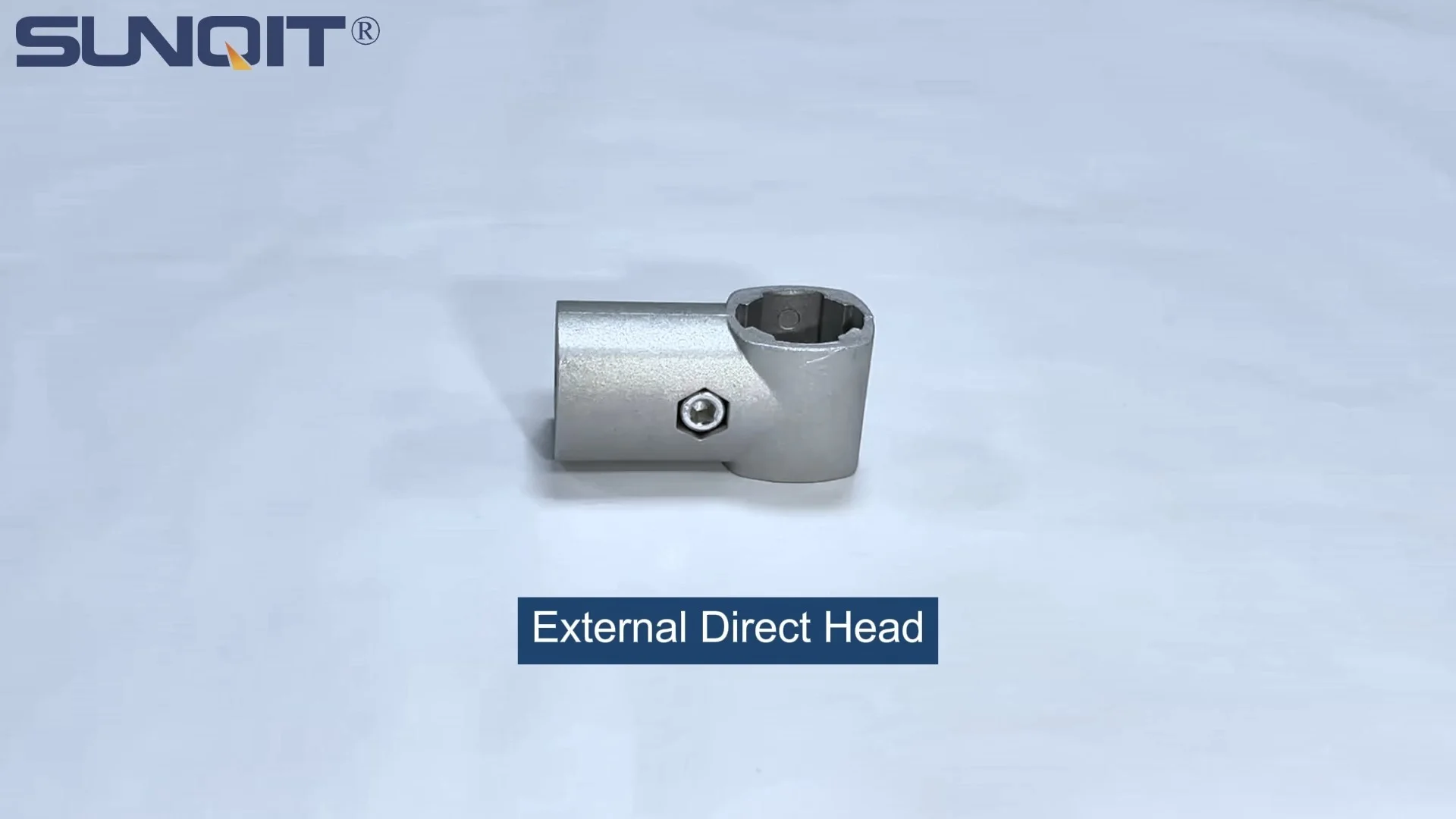
Aluminum 2 way pipe joint for 28mm aluminum pipe connection in 2 direction.
Introduction: The Backbone of Modern Material Handling
Walk into any well-run manufacturing plant, warehouse, or distribution center today, and you'll likely notice a common sight: sleek, adaptable structures that seem to effortlessly organize tools, parts, and products. These are modular material racks—unsung heroes of efficient operations. Unlike the rigid, one-size-fits-all shelving of the past, these racks can be reconfigured, extended, or repurposed in hours, not days. But what makes this flexibility possible? At the heart of every sturdy, versatile modular rack lies a small but mighty component: the joint. And when it comes to aluminum-based systems, few joints are as critical as the
two way aluminum pipe joint
.
In this article, we'll dive into why these unassuming connectors are the unsung heroes of modular material handling. We'll explore their design, their role in creating durable and flexible racks, and how they work hand-in-hand with aluminum lean pipe and aluminum profile accessories to transform chaotic workspaces into models of efficiency. Whether you're a facility manager looking to upgrade your storage, a manufacturer aiming to streamline production lines, or simply curious about the mechanics of modern industrial design, understanding two way aluminum pipe joints will change how you see the structures that keep our supply chains moving.
In this article, we'll dive into why these unassuming connectors are the unsung heroes of modular material handling. We'll explore their design, their role in creating durable and flexible racks, and how they work hand-in-hand with aluminum lean pipe and aluminum profile accessories to transform chaotic workspaces into models of efficiency. Whether you're a facility manager looking to upgrade your storage, a manufacturer aiming to streamline production lines, or simply curious about the mechanics of modern industrial design, understanding two way aluminum pipe joints will change how you see the structures that keep our supply chains moving.
The Problem with Rigid Racks: Why Flexibility Matters More Than Ever
Let's start by thinking about the challenges of traditional material storage. Picture a warehouse stuck with heavy steel shelving bolted to the floor. When product sizes change, or production needs shift, that shelving becomes a liability. Disassembling it means hours of labor, not to mention the risk of damaging floors or the shelves themselves. Even "adjustable" steel racks often require tools, specialized knowledge, and downtime—luxuries in today's fast-paced industries where every minute of production counts.
Then there's the issue of weight. Steel is strong, but it's also heavy. Moving a steel rack to a new location requires forklifts or teams of workers, and once it's in place, it's not going anywhere soon. This rigidity becomes a problem when lean manufacturing principles demand just-in-time (JIT) production, where workstations and storage need to adapt to changing order volumes or product designs.
Corrosion is another headache. In environments with humidity, temperature fluctuations, or exposure to chemicals (common in food processing, automotive, or electronics manufacturing), steel racks can rust, weakening joints and compromising safety. Replacing rusted components isn't just costly—it disrupts workflows.
Enter aluminum-based modular systems. Lightweight, corrosion-resistant, and infinitely configurable, aluminum racks solve many of steel's shortcomings. But even the best aluminum pipes and profiles are only as good as the joints that hold them together. This is where two way aluminum pipe joints shine. They're the glue that turns individual pipes into a cohesive, adaptable structure—without the hassle of welding, drilling, or permanent fasteners.
Then there's the issue of weight. Steel is strong, but it's also heavy. Moving a steel rack to a new location requires forklifts or teams of workers, and once it's in place, it's not going anywhere soon. This rigidity becomes a problem when lean manufacturing principles demand just-in-time (JIT) production, where workstations and storage need to adapt to changing order volumes or product designs.
Corrosion is another headache. In environments with humidity, temperature fluctuations, or exposure to chemicals (common in food processing, automotive, or electronics manufacturing), steel racks can rust, weakening joints and compromising safety. Replacing rusted components isn't just costly—it disrupts workflows.
Enter aluminum-based modular systems. Lightweight, corrosion-resistant, and infinitely configurable, aluminum racks solve many of steel's shortcomings. But even the best aluminum pipes and profiles are only as good as the joints that hold them together. This is where two way aluminum pipe joints shine. They're the glue that turns individual pipes into a cohesive, adaptable structure—without the hassle of welding, drilling, or permanent fasteners.
What Are Two Way Aluminum Pipe Joints? Design and Functionality
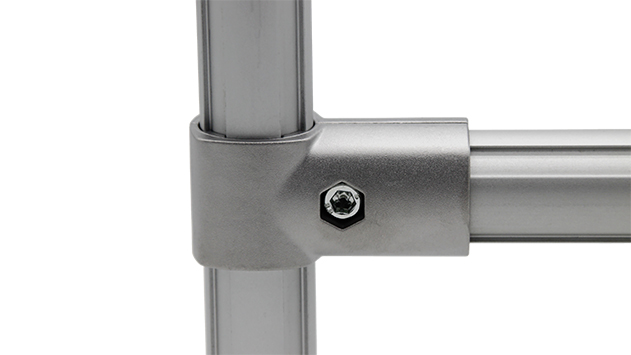
At first glance, a two way aluminum pipe joint might look simple: a small, often T-shaped or L-shaped connector with holes or slots designed to fit over the ends of aluminum pipes. But don't let its simplicity fool you. These joints are engineered with precision to balance three critical needs: strength, flexibility, and ease of use.
Most two way aluminum joints are made from high-grade aluminum alloy, chosen for its lightweight properties and resistance to corrosion. They're typically cast or machined to ensure a tight, secure fit with standard aluminum lean pipe (often 28mm or 30mm in diameter, the industry standard for modular systems). The "two way" designation means they connect two pipes at a fixed angle—usually 90 degrees (for L-shapes) or 180 degrees (for T-shapes, allowing a pipe to branch off from another). Some designs include internal threads or set screws that tighten against the pipe, creating a firm hold without damaging the aluminum surface. Others use friction-fit mechanisms or quick-release levers for even faster assembly.
What truly sets these joints apart is their modularity. Unlike welded steel connections, which are permanent, two way aluminum joints let you disassemble and reconfigure your rack with basic hand tools (or even no tools at all, in some cases). Need to add a shelf? Simply loosen the set screws, slide the joint into place, and tighten. Want to shorten a rack? Remove a section by detaching the joints and reattach the remaining pipes. This flexibility is a game-changer for businesses that need to adapt to seasonal demand, new product lines, or layout changes.
Most two way aluminum joints are made from high-grade aluminum alloy, chosen for its lightweight properties and resistance to corrosion. They're typically cast or machined to ensure a tight, secure fit with standard aluminum lean pipe (often 28mm or 30mm in diameter, the industry standard for modular systems). The "two way" designation means they connect two pipes at a fixed angle—usually 90 degrees (for L-shapes) or 180 degrees (for T-shapes, allowing a pipe to branch off from another). Some designs include internal threads or set screws that tighten against the pipe, creating a firm hold without damaging the aluminum surface. Others use friction-fit mechanisms or quick-release levers for even faster assembly.
What truly sets these joints apart is their modularity. Unlike welded steel connections, which are permanent, two way aluminum joints let you disassemble and reconfigure your rack with basic hand tools (or even no tools at all, in some cases). Need to add a shelf? Simply loosen the set screws, slide the joint into place, and tighten. Want to shorten a rack? Remove a section by detaching the joints and reattach the remaining pipes. This flexibility is a game-changer for businesses that need to adapt to seasonal demand, new product lines, or layout changes.

The Benefits of Two Way Aluminum Pipe Joints: Beyond Just Flexibility
Flexibility is just the start. Two way aluminum pipe joints offer a host of advantages that make them indispensable for modular material racks. Let's break them down:
1. Lightweight Yet Strong Aluminum is about one-third the weight of steel, which means racks assembled with aluminum pipes and joints are easier to move, install, and reconfigure. But don't mistake lightness for weakness. High-quality aluminum alloys (like 6063, a common choice for aluminum extrusion profiles ) have impressive tensile strength, and when paired with well-designed joints, they can support heavy loads—often up to 200kg per shelf, depending on the pipe diameter and joint quality. This makes them ideal for storing everything from small electronic components to bulky automotive parts.
2. Corrosion Resistance Unlike steel, aluminum naturally forms a thin oxide layer that protects it from rust and corrosion. This makes two way aluminum joints perfect for harsh environments: warehouses with high humidity, cleanrooms in pharmaceutical facilities, or even outdoor storage areas. When paired with anodized aluminum pipes (which enhance corrosion resistance further), these racks can last for decades with minimal maintenance.
3. Cost-Effective in the Long Run It's true: aluminum systems can have a higher upfront cost than basic steel shelving. But consider the long-term savings. Steel racks often need replacement after 5-7 years due to rust or damage; aluminum racks, with their corrosion resistance and reusability, can last 15+ years. Plus, the ability to reconfigure instead of replacing entire racks when needs change saves on labor and material costs. For example, a manufacturer that switches from producing small parts to larger assemblies can repurpose existing aluminum racks by adjusting the joints, rather than buying new steel shelving.
4. Compatibility with Aluminum Profile Accessories Two way aluminum joints don't work in isolation—they're part of a larger ecosystem of aluminum profile accessories . From caster wheels that turn static racks into mobile trolleys, to roller tracks that enable smooth product flow, to brackets that support shelves or tool hooks, these accessories click into place using the same joint system. This interoperability means you can customize your rack for specific tasks: add a roller track to create a gravity-fed picking station, or attach a tool holder to keep frequently used equipment within arm's reach. The possibilities are nearly endless, limited only by your needs.
5. Safety First In industrial settings, safety is non-negotiable. Two way aluminum joints are designed with built-in safety features: rounded edges to prevent cuts, secure locking mechanisms that won't loosen under vibration, and load ratings that are clearly marked. Unlike makeshift solutions (like zip ties or duct tape) or poorly welded steel joints, which can fail unexpectedly, these joints provide consistent, reliable performance—reducing the risk of accidents, product damage, or workplace injuries.
1. Lightweight Yet Strong Aluminum is about one-third the weight of steel, which means racks assembled with aluminum pipes and joints are easier to move, install, and reconfigure. But don't mistake lightness for weakness. High-quality aluminum alloys (like 6063, a common choice for aluminum extrusion profiles ) have impressive tensile strength, and when paired with well-designed joints, they can support heavy loads—often up to 200kg per shelf, depending on the pipe diameter and joint quality. This makes them ideal for storing everything from small electronic components to bulky automotive parts.
2. Corrosion Resistance Unlike steel, aluminum naturally forms a thin oxide layer that protects it from rust and corrosion. This makes two way aluminum joints perfect for harsh environments: warehouses with high humidity, cleanrooms in pharmaceutical facilities, or even outdoor storage areas. When paired with anodized aluminum pipes (which enhance corrosion resistance further), these racks can last for decades with minimal maintenance.
3. Cost-Effective in the Long Run It's true: aluminum systems can have a higher upfront cost than basic steel shelving. But consider the long-term savings. Steel racks often need replacement after 5-7 years due to rust or damage; aluminum racks, with their corrosion resistance and reusability, can last 15+ years. Plus, the ability to reconfigure instead of replacing entire racks when needs change saves on labor and material costs. For example, a manufacturer that switches from producing small parts to larger assemblies can repurpose existing aluminum racks by adjusting the joints, rather than buying new steel shelving.
4. Compatibility with Aluminum Profile Accessories Two way aluminum joints don't work in isolation—they're part of a larger ecosystem of aluminum profile accessories . From caster wheels that turn static racks into mobile trolleys, to roller tracks that enable smooth product flow, to brackets that support shelves or tool hooks, these accessories click into place using the same joint system. This interoperability means you can customize your rack for specific tasks: add a roller track to create a gravity-fed picking station, or attach a tool holder to keep frequently used equipment within arm's reach. The possibilities are nearly endless, limited only by your needs.
5. Safety First In industrial settings, safety is non-negotiable. Two way aluminum joints are designed with built-in safety features: rounded edges to prevent cuts, secure locking mechanisms that won't loosen under vibration, and load ratings that are clearly marked. Unlike makeshift solutions (like zip ties or duct tape) or poorly welded steel joints, which can fail unexpectedly, these joints provide consistent, reliable performance—reducing the risk of accidents, product damage, or workplace injuries.

Traditional vs. Two Way Aluminum Joints: A Comparison
To truly appreciate the value of two way aluminum pipe joints, let's compare them to two common alternatives: traditional steel welded joints and plastic snap-fit joints. The table below highlights key differences:
| Feature | Traditional Steel Welded Joints | Plastic Snap-Fit Joints | Two Way Aluminum Pipe Joints |
|---|---|---|---|
| Weight | Heavy (increases rack weight, making movement difficult) | Lightweight (but may compromise load capacity) | Lightweight (reduces rack weight without sacrificing strength) |
| Assembly Time | Slow (requires welding equipment and skilled labor) | Fast (snap-on design, no tools needed) | Fast (hand-tightened set screws or quick-release levers) |
| Reconfigurability | Permanent (cannot be disassembled without cutting/welding) | Moderate (can be snapped apart, but may wear out over time) | High (easily disassembled and reconfigured repeatedly) |
| Corrosion Resistance | Poor (prone to rust; requires painting/coating) | Good (resistant to rust, but may degrade in extreme temperatures) | Excellent (aluminum alloy resists corrosion naturally) |
| Load Capacity | High (but fixed, cannot be adjusted) | Low to moderate (best for light loads only) | High (supports heavy loads; compatible with reinforced pipes) |
| Cost Over Time | High (expensive to install, replace, or reconfigure) | Low upfront, but high long-term (needs frequent replacement) | Moderate upfront, low long-term (durable and reusable) |
As the table shows, two way aluminum joints strike a rare balance: they're lightweight, easy to assemble, highly reconfigurable, corrosion-resistant, and strong enough for industrial use. For businesses prioritizing agility and long-term value, they're the clear choice.
Real-World Applications: How Two Way Joints Transform Workspaces
Let's look at a few real-world examples of how two way aluminum pipe joints make a difference in different industries:
Automotive Manufacturing: Adaptable Assembly Lines A leading automotive parts manufacturer was struggling with rigid steel workbenches and racks that couldn't keep up with frequent model changes. Their solution? A modular system built with aluminum lean pipe, two way joints, and aluminum profile accessories. Today, when a new car model requires different tooling, workers can reconfigure the racks in under an hour by adjusting the joints—no welding or heavy lifting needed. The result: a 30% reduction in downtime during model transitions and a 25% increase in workspace utilization.
E-Commerce Fulfillment: Seasonal Flexibility An e-commerce warehouse faces extreme seasonal fluctuations: during the holidays, they need 50% more storage space than in slower months. With traditional steel shelving, this meant renting expensive temporary storage or leaving half-empty racks unused for most of the year. Now, they use aluminum racks with two way joints. In November, they expand their racks by adding sections with joints; in January, they disassemble the extra parts and store them compactly. This flexibility saved them $120,000 annually in storage costs.
Electronics Cleanroom: Corrosion Resistance A semiconductor plant required storage racks that could withstand the humid, chemical-rich environment of their cleanroom. Steel racks rusted quickly, contaminating sensitive components. Switching to aluminum lean pipe and two way aluminum joints eliminated rust issues entirely. The joints' smooth, non-porous surface also made cleaning easier, helping the plant maintain strict ISO cleanliness standards.
Small Business Workshop: Budget-Friendly Scalability A local machine shop started small with a single aluminum rack built using two way joints. As the business grew, they simply added more pipes and joints to expand their storage—no need to buy a whole new system. Today, their modular setup includes workbenches, tool holders, and mobile trolleys, all built from the same base components. This scalability let them invest in equipment incrementally, without overspending on storage upfront.
Automotive Manufacturing: Adaptable Assembly Lines A leading automotive parts manufacturer was struggling with rigid steel workbenches and racks that couldn't keep up with frequent model changes. Their solution? A modular system built with aluminum lean pipe, two way joints, and aluminum profile accessories. Today, when a new car model requires different tooling, workers can reconfigure the racks in under an hour by adjusting the joints—no welding or heavy lifting needed. The result: a 30% reduction in downtime during model transitions and a 25% increase in workspace utilization.
E-Commerce Fulfillment: Seasonal Flexibility An e-commerce warehouse faces extreme seasonal fluctuations: during the holidays, they need 50% more storage space than in slower months. With traditional steel shelving, this meant renting expensive temporary storage or leaving half-empty racks unused for most of the year. Now, they use aluminum racks with two way joints. In November, they expand their racks by adding sections with joints; in January, they disassemble the extra parts and store them compactly. This flexibility saved them $120,000 annually in storage costs.
Electronics Cleanroom: Corrosion Resistance A semiconductor plant required storage racks that could withstand the humid, chemical-rich environment of their cleanroom. Steel racks rusted quickly, contaminating sensitive components. Switching to aluminum lean pipe and two way aluminum joints eliminated rust issues entirely. The joints' smooth, non-porous surface also made cleaning easier, helping the plant maintain strict ISO cleanliness standards.
Small Business Workshop: Budget-Friendly Scalability A local machine shop started small with a single aluminum rack built using two way joints. As the business grew, they simply added more pipes and joints to expand their storage—no need to buy a whole new system. Today, their modular setup includes workbenches, tool holders, and mobile trolleys, all built from the same base components. This scalability let them invest in equipment incrementally, without overspending on storage upfront.
Choosing the Right Two Way Aluminum Joints: Key Considerations
Not all two way aluminum pipe joints are created equal. To ensure you get the most out of your modular rack system, keep these factors in mind when selecting joints:
1. Pipe Compatibility Most aluminum lean pipes come in standard diameters (28mm, 30mm, or 40mm). Make sure the joint's inner diameter matches your pipe size—even a 1mm gap can compromise stability. Reputable suppliers will clearly list compatible pipe sizes, so always check the specs before buying.
2. Load Rating Every joint has a maximum load it can support. If you're storing heavy items (like metal parts or machinery), opt for joints with higher load ratings (look for at least 150kg per joint for industrial use). For lighter loads (like small electronics or office supplies), standard-duty joints should suffice.
3. Assembly Mechanism Do you need tool-free assembly? Look for joints with quick-release levers or friction-fit designs. If you prioritize maximum stability, choose joints with set screws (they require a hex key but provide a tighter hold). Consider your team's skill level, too—tool-free joints are better for workers who need to reconfigure racks frequently.
4. Material Quality Avoid cheap, low-grade aluminum joints—they may bend or strip under load. Look for joints made from 6061 or 6063 aluminum alloy, which are known for their strength and corrosion resistance. Some joints also feature anodized finishes, which add an extra layer of protection against scratches and wear.
5. Supplier Reliability Finally, buy from a trusted aluminum profile accessories supplier. Reputable suppliers offer warranties, provide technical support, and ensure consistent quality across batches. Avoid generic, unbranded joints—saving a few dollars upfront isn't worth the risk of joint failure down the line.
1. Pipe Compatibility Most aluminum lean pipes come in standard diameters (28mm, 30mm, or 40mm). Make sure the joint's inner diameter matches your pipe size—even a 1mm gap can compromise stability. Reputable suppliers will clearly list compatible pipe sizes, so always check the specs before buying.
2. Load Rating Every joint has a maximum load it can support. If you're storing heavy items (like metal parts or machinery), opt for joints with higher load ratings (look for at least 150kg per joint for industrial use). For lighter loads (like small electronics or office supplies), standard-duty joints should suffice.
3. Assembly Mechanism Do you need tool-free assembly? Look for joints with quick-release levers or friction-fit designs. If you prioritize maximum stability, choose joints with set screws (they require a hex key but provide a tighter hold). Consider your team's skill level, too—tool-free joints are better for workers who need to reconfigure racks frequently.
4. Material Quality Avoid cheap, low-grade aluminum joints—they may bend or strip under load. Look for joints made from 6061 or 6063 aluminum alloy, which are known for their strength and corrosion resistance. Some joints also feature anodized finishes, which add an extra layer of protection against scratches and wear.
5. Supplier Reliability Finally, buy from a trusted aluminum profile accessories supplier. Reputable suppliers offer warranties, provide technical support, and ensure consistent quality across batches. Avoid generic, unbranded joints—saving a few dollars upfront isn't worth the risk of joint failure down the line.
Maintenance and Care: Keeping Your Joints (and Racks) in Top Shape
Two way aluminum pipe joints are low-maintenance, but a little care goes a long way in extending their lifespan:
Regular Inspections : Check joints monthly for loose set screws, cracks, or signs of wear. Tighten any loose screws immediately—vibration from machinery or frequent use can cause them to loosen over time.
Cleaning : Wipe joints with a damp cloth to remove dust, grease, or debris. In harsh environments (like cleanrooms or food processing areas), use a mild detergent to clean surfaces. Avoid abrasive cleaners, which can scratch the aluminum finish.
Lubrication (If Needed) : Some joints with moving parts (like quick-release levers) may benefit from a drop of silicone lubricant annually to keep mechanisms smooth. Avoid oil-based lubricants, which can attract dust.
Proper Storage of Spare Parts : If you disassemble racks for reconfiguration, store extra joints in a dry, cool place to prevent corrosion. Keep them in labeled containers to avoid losing small parts like set screws.
replace Worn Parts Promptly : If a joint is cracked, stripped, or no longer holds securely, replace it immediately. Continuing to use damaged joints puts your entire rack at risk of collapse.
Regular Inspections : Check joints monthly for loose set screws, cracks, or signs of wear. Tighten any loose screws immediately—vibration from machinery or frequent use can cause them to loosen over time.
Cleaning : Wipe joints with a damp cloth to remove dust, grease, or debris. In harsh environments (like cleanrooms or food processing areas), use a mild detergent to clean surfaces. Avoid abrasive cleaners, which can scratch the aluminum finish.
Lubrication (If Needed) : Some joints with moving parts (like quick-release levers) may benefit from a drop of silicone lubricant annually to keep mechanisms smooth. Avoid oil-based lubricants, which can attract dust.
Proper Storage of Spare Parts : If you disassemble racks for reconfiguration, store extra joints in a dry, cool place to prevent corrosion. Keep them in labeled containers to avoid losing small parts like set screws.
replace Worn Parts Promptly : If a joint is cracked, stripped, or no longer holds securely, replace it immediately. Continuing to use damaged joints puts your entire rack at risk of collapse.
Conclusion: The Joint That Powers the Future of Material Handling
Modular material racks have revolutionized how we store, organize, and move goods—but their true power lies in the details. Two way aluminum pipe joints may be small, but they're the critical link that turns individual pipes into a system that can adapt, grow, and thrive in an ever-changing world.
From their lightweight design and corrosion resistance to their unmatched flexibility and compatibility with aluminum profile accessories , these joints embody the principles of lean manufacturing: eliminate waste, maximize efficiency, and adapt to change. They're not just components—they're investments in the future of your business.
So the next time you walk through a well-organized warehouse or a streamlined production line, take a moment to look at the racks. Chances are, you'll spot the telltale signs of two way aluminum pipe joints holding it all together. And now, you'll know why they're essential.
From their lightweight design and corrosion resistance to their unmatched flexibility and compatibility with aluminum profile accessories , these joints embody the principles of lean manufacturing: eliminate waste, maximize efficiency, and adapt to change. They're not just components—they're investments in the future of your business.
So the next time you walk through a well-organized warehouse or a streamlined production line, take a moment to look at the racks. Chances are, you'll spot the telltale signs of two way aluminum pipe joints holding it all together. And now, you'll know why they're essential.