- Company Articles
- Products and Technology
- Product knowledge
- Why Use 4040 Aluminum Profile End Caps? Safety, Aesthetics & Protection Benefits

Why Use 4040 Aluminum Profile End Caps? Safety, Aesthetics & Protection Benefits
Related Product
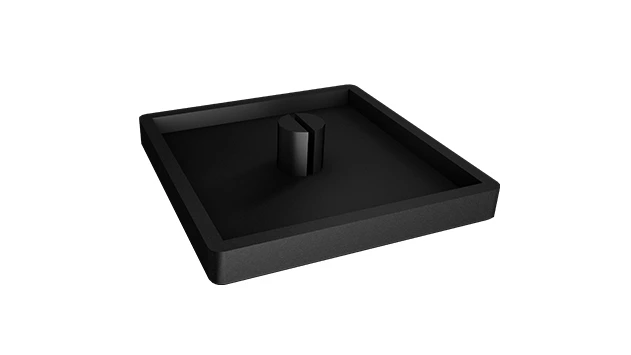
4040 Aluminum Profile End Cap
The aluminum profile end cap adds a finishing touch to your project and closes off profile ends to limit dust and debris buildup, also it can avaid some scratch for material and labor during the assemble work.
If you've ever walked through a manufacturing plant, a workshop, or even a warehouse, you've probably seen those sleek, modular structures—workbenches with clean lines, material racks that seem to fit perfectly, or conveyors moving parts with precision. Chances are, those structures are built using aluminum extrusion profiles. They're the unsung heroes of modern industrial setups, offering flexibility, strength, and adaptability. But here's the thing: while we often focus on the big components—the profiles themselves, the joints, the accessories—there's a tiny detail that makes a huge difference: the end caps. Specifically, 4040 aluminum profile end caps. You might not give them a second thought, but trust me, they're not just there for show. Let's dive into why these small but mighty pieces matter, and why every setup using 4040 aluminum profiles should have them.
First Off: What Even Are 4040 Aluminum Profile End Caps?
Before we get into the benefits, let's make sure we're on the same page. 4040 aluminum extrusion profiles are those rectangular or square tubes with T-slots running along their length—they're called "4040" because their cross-section is typically 40mm by 40mm. These profiles are the building blocks for all sorts of structures, from workbenches to machine guards, thanks to their ability to connect with bolts, brackets, and other aluminum profile accessories. Now, the end caps? They're exactly what they sound like: small covers that fit snugly over the open ends of these profiles. They're usually made of plastic, rubber, or sometimes metal, and they snap or slide into place to seal off the exposed ends. Simple enough, right? But simplicity doesn't mean they're unimportant.
Safety First: No More Sharp Edges
Let's start with the most critical benefit: safety. Picture this: you're working at a busy workbench, rushing to meet a deadline. You reach over to grab a tool, and your arm brushes against the end of an aluminum profile that doesn't have an end cap. Ouch. Raw aluminum profile ends are often sharp—even if they've been "deburred" (smoothed out), they can still catch on clothing, skin, or gloves. Over time, that could lead to cuts, scrapes, or even more serious injuries if someone bumps into them hard enough. Now, add an end cap into the mix. Suddenly, that sharp edge is covered with a soft, rounded surface. No more accidental nicks when you're moving materials, no more torn gloves, and no more worrying about a team member getting hurt just because of an exposed profile end. In a workplace where safety is non-negotiable, these little caps are like tiny insurance policies.
And it's not just about people. Think about the equipment and products moving around, too. If you're sliding a box along a material rack or pushing a trolley past a profile end without a cap, the sharp edge could scratch or tear the box, damaging the contents inside. With an end cap, the surface is smooth, so everything glides past without a hitch. Safety isn't just about avoiding harm—it's about keeping your workflow efficient and your products intact. End caps check both boxes.

Aesthetics: Because "Neat" Matters for Your Brand
Okay, safety is a big one, but let's talk about looks. Imagine two workbenches side by side. Both are made with 4040 aluminum profiles, both are sturdy, both get the job done. But one has exposed, raw ends on the profiles—you can see the rough edges, maybe some leftover metal shavings, or even a bit of rust starting to form. The other? Every end is covered with a clean, matching end cap that blends seamlessly with the profile. Which one looks more professional? Which one makes you think, "This company cares about details"? Spoiler: it's the second one. Aesthetics might seem like a "nice-to-have," but in reality, they shape how people perceive your workspace—whether it's clients visiting your facility, new hires walking in for the first time, or even your own team members. A cluttered, unpolished setup can make people feel like corners are being cut, while a neat, finished look sends a message: "We take pride in what we do."
End caps also help maintain consistency. If you're using profiles in different parts of your facility—say, a production line, a testing area, and a packaging station—matching end caps ensure that all these areas look cohesive. It's like how a fresh coat of paint can transform a room; end caps "finish" the look of your aluminum structures, making them feel intentional rather than thrown together. And let's not forget color options! Many end caps come in neutral tones like black, white, or gray, but you can also find them in custom colors to match your brand. Want your workbenches to have a pop of your company's signature blue? There's an end cap for that. It's a small touch, but it adds up to a workspace that feels put-together and professional.

Protection: Keeping Your Profiles (and Investment) Safe
Now, let's talk about protection—specifically, protecting the aluminum profiles themselves. Aluminum is durable, but it's not indestructible. Exposed ends are vulnerable to all sorts of damage. For starters, moisture. If your workspace is humid, or if you're working near water (like in a food processing plant or a lab), water can seep into the open ends of the profiles. Over time, that moisture can cause corrosion, weakening the profile from the inside out. Dust and debris are another culprit. Tiny particles can get stuck in the T-slots or inside the profile, making it harder to insert bolts or accessories later, or even scratching the internal surfaces. End caps act like a barrier, sealing off those ends and keeping out water, dust, and whatever else might try to sneak in.
Then there's physical damage. Bumping a profile end against a wall, dropping a tool on it, or even just moving a heavy object past it can dent or bend the exposed aluminum. A dented end might not seem like a big deal, but it can throw off the alignment of your structure—suddenly, that joint you're trying to attach won't fit right, or that shelf isn't level anymore. End caps absorb impact, acting as a buffer between the profile and whatever might hit it. They're like little bumpers, taking the brunt of the damage so your expensive aluminum profiles don't have to. And let's not forget about the T-slots themselves. The open ends of the profile can cause the T-slot edges to wear down over time, especially if you're frequently inserting or removing accessories. End caps help keep the T-slots intact, ensuring your profiles stay functional for years to come.
Practical Applications: Where Do These End Caps Actually Get Used?
You might be thinking, "Okay, they sound useful, but when would I actually need them?" The answer: almost everywhere 4040 aluminum profiles are used. Let's start with the most common one: workbenches. A workbench is the heart of any workshop—whether it's for assembling electronics, packing orders, or repairing machinery. The 4040 profiles form the legs and frame, and without end caps, those legs would have exposed ends that could scratch floors, catch on carpets, or even damage the workbench itself if it's moved. End caps keep the legs smooth, protect the floor, and make the whole setup look cleaner.
Then there are material racks. If you're storing boxes, tools, or parts on a rack made with 4040 profiles, the ends of the horizontal or vertical beams are prime spots for damage. End caps prevent dust from collecting inside the profiles, keep the racks looking tidy, and stop items from getting snagged when you're loading or unloading. Conveyors are another big one—many conveyor systems use aluminum profiles for their frames. Exposed ends here could catch on belts, rollers, or the products being transported. End caps ensure everything moves smoothly, without any unexpected snags or delays.
Even in less obvious places, like machine guards or display stands, end caps matter. Machine guards need to be safe (no sharp edges!) and durable, while display stands need to look professional to showcase your products. In all these cases, 4040 aluminum profile end caps are the finishing touch that ties everything together.
Not All End Caps Are Created Equal: Types to Know
Now that you're convinced end caps are a must, let's talk about the options. Not all end caps are the same, and choosing the right one depends on your needs. Here are the most common types:
- Plastic End Caps: These are the most popular. They're lightweight, affordable, and come in a variety of colors. They're usually slip-on or snap-fit, meaning you just push them onto the profile end until they click into place. Great for most general-purpose uses, like workbenches or material racks.
- Rubber End Caps: If you need extra grip or shock absorption, rubber is the way to go. They're softer than plastic, so they're ideal for profiles that might be moved around a lot (like portable workbenches) or placed on slippery floors. They also do a better job of sealing out moisture, making them good for damp environments.
- Metal End Caps: For heavy-duty applications—think industrial machinery or outdoor setups—metal end caps (usually aluminum or stainless steel) are the choice. They're super durable and can handle high impact, but they're heavier and more expensive than plastic or rubber. They're also less common, since plastic and rubber cover most needs.
- Colored End Caps: Want to match your company colors or color-code different sections of your setup? Colored end caps are available in everything from basic black and white to bright red, blue, or yellow. They add a pop of personality while still doing the practical work.
A Quick Comparison: Which End Cap Is Right for You?
To help you decide, let's put this into a table. Here's a breakdown of the most common end cap types, their pros, cons, and best uses:
| End Cap Type | Material | Pros | Cons | Best For |
|---|---|---|---|---|
| Standard Plastic | PVC or Nylon | Affordable, lightweight, easy to install, variety of colors | Less shock absorption than rubber | Workbenches, material racks, indoor setups |
| Rubber | Natural or Synthetic Rubber | Great grip, shock absorption, seals moisture well | Slightly more expensive than plastic, can wear faster | Portable structures, slippery floors, damp environments |
| Metal | Aluminum or Stainless Steel | Extremely durable, high impact resistance | Heavy, expensive, can scratch surfaces | Industrial machinery, outdoor use, heavy-duty setups |
| Colored Plastic | Colored PVC/Nylon | Matches brand colors, color-coding, same benefits as standard plastic | Limited color options from some suppliers | Showrooms, branded workspaces, color-coded zones |
Installation: It's Easier Than You Think
One of the best things about 4040 aluminum profile end caps? They're incredibly easy to install. You don't need any special tools, and you don't need to be a DIY expert. Most plastic or rubber end caps are "snap-fit" or "push-fit"—meaning you just align them with the end of the profile and push firmly until they click into place. It should take all of 10 seconds per cap. If the end cap is a bit tight, you can warm it up slightly (with your hands or a hair dryer on low) to make it more flexible, but even that's usually unnecessary.
For metal end caps, you might need a small amount of adhesive or a screw to keep them in place, but that's still simple enough for anyone to handle. The key is to make sure you're using the right size—end caps are designed to fit specific profile sizes, so double-check that you're getting 4040 caps for 4040 profiles (not 3030 or 2020). Once they're on, they stay put—no need to worry about them falling off during normal use. And if you ever need to remove them (to access the inside of the profile, for example), they pop off just as easily as they went on. It's a hassle-free upgrade that takes minutes to install but pays off for years.
Why Skimping on End Caps Is a Bad Idea
I get it—when you're setting up a workspace, costs can add up fast. You've already invested in the profiles, the joints, the workbench top, and all the other aluminum profile accessories. It might be tempting to skip the end caps to save a few bucks. But here's the thing: cheaping out on end caps will cost you more in the long run. A few dollars saved now could lead to expensive profile repairs later, or worse, a workplace injury that results in downtime, medical bills, or fines. Low-quality end caps (think flimsy plastic that cracks easily or rubber that disintegrates in sunlight) won't protect your profiles or keep your team safe. They'll fall off, break, or wear out quickly, leaving your profiles exposed again.
Instead, invest in quality end caps from a reputable supplier. Look for ones made from durable materials, with good reviews, and designed specifically for 4040 profiles. Yes, they might cost a little more upfront, but they'll last longer, protect better, and save you from headaches down the line. Plus, when you pair them with other high-quality aluminum profile accessories, you're building a setup that's not just functional, but built to last. Your team deserves a workspace that's safe and professional, and your business deserves equipment that holds up over time. End caps are a small price to pay for that peace of mind.
Wrapping It Up: Small Details, Big Impact
At the end of the day, 4040 aluminum profile end caps are a classic example of how the smallest details can make the biggest difference. They might be tiny, they might be inexpensive, and they might not get a lot of attention—but they're essential. They keep your team safe by covering sharp edges, make your workspace look professional and put-together, and protect your valuable aluminum profiles from damage, corrosion, and wear. Whether you're building a workbench, a material rack, a conveyor, or any other structure with 4040 aluminum extrusion profiles, end caps aren't optional—they're a must-have.
So the next time you're setting up or upgrading your workspace, don't overlook these little heroes. Grab a pack of 4040 aluminum profile end caps, snap them onto your profiles, and enjoy the peace of mind that comes with knowing you've covered all the bases. Your team will thank you, your equipment will last longer, and your workspace will look better than ever. After all, in the world of industrial setups, it's the small things that make the big things work.