- Company Articles
- Products and Technology
- Product knowledge
- Wooden vs Aluminum Workbench C: Durability and Maintenance Comparison

Wooden vs Aluminum Workbench C: Durability and Maintenance Comparison
Related Product
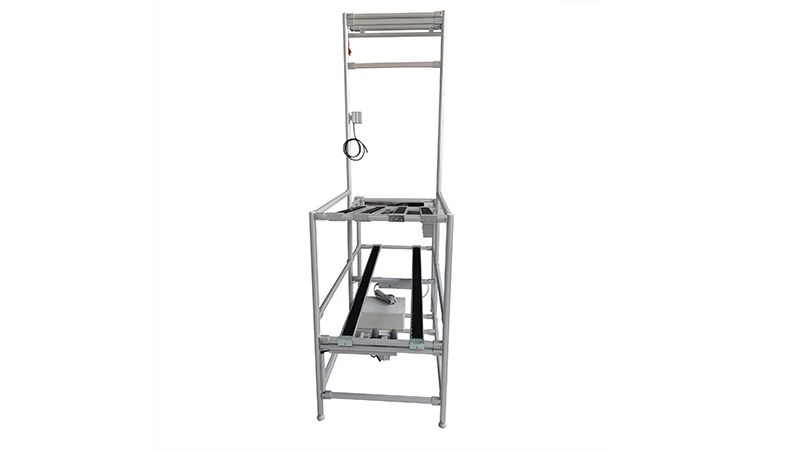
Aluminum Workbench C
aluminum-tube-workbench-is-more-flexible-and-durable,-compared-with-traditional-pe/abs-coated-steel-tube.-it-is-easy-to-assemble,-anti-corrosion,-rust-protection,-and-recycle-use-after-disassemble.
Walk into any busy workshop, garage, or manufacturing facility, and you'll notice one piece of equipment that's the unsung hero of daily operations: the workbench. It's where tools are laid out, projects take shape, and precision meets productivity. But not all workbenches are created equal. For decades, wooden workbenches have been the go-to for their classic appeal and sturdy feel, while aluminum workbenches have risen in popularity for their modern durability and low-maintenance design. Today, we're diving deep into the debate—wooden vs. aluminum—with a special focus on Workbench C, a model that's been turning heads in industrial and DIY circles alike. By the end, you'll have a clear picture of which workbench fits your space, your workflow, and your long-term goals.
The Timeless Allure of Wooden Workbenches
There's something inherently satisfying about a wooden workbench. Maybe it's the warm, natural grain under your hands, or the way it feels like a partner in creation rather than just a piece of furniture. For woodworkers, mechanics, and hobbyists who value tradition, wooden workbenches are more than tools—they're heirlooms in the making. But what exactly makes them so beloved, and where do they fall short?
Material Matters: Hardwood vs. Softwood
Most wooden workbenches are crafted from either hardwood or softwood, and the difference is night and day. Hardwoods like oak, maple, and beech are dense, heavy, and resistant to dents and scratches. A maple workbench, for example, can take years of clamping, hammering, and tool drops without showing significant wear. Softwoods like pine or fir, on the other hand, are lighter and more affordable but prone to indentations. A pine workbench might look charming in a home garage, but if you're regularly slamming down a 10-pound sledgehammer, you'll start seeing divots within months.
"I've had my oak workbench for 25 years," says Mark, a master woodworker in upstate New York. "I sand it down once a year and rub on a coat of linseed oil, and it still holds clamps tighter than any new bench I've tested. The wood has this memory—over time, it conforms to the way I work. My dad had a pine bench, though, and by the time I inherited it, there were holes you could lose a wrench in. It's all about the wood."
Durability: When Wood Wins (and When It Doesn't)
Hardwood workbenches excel in two key areas: weight capacity and impact resistance. A solid oak top, 3 inches thick, can easily support 500+ pounds without bowing. The natural elasticity of wood also absorbs shocks well—drop a metal tool, and the wood is less likely to crack than a rigid material like stone. But wood has a fatal flaw: moisture. Even sealed hardwoods absorb humidity, which causes swelling, warping, or even rot in extreme cases. In a damp garage or a workshop without climate control, a wooden workbench might start cupping (curving upward at the edges) within a few years. And if you spill oil, paint, or chemicals? Stains can seep into the grain, leaving permanent marks unless you seal it religiously.
Maintenance: Labor of Love
Owning a wooden workbench is a commitment. To keep it in top shape, you'll need to:
-
Sand and oil annually
: Over time, the surface gets rough from use. Sanding with 120-grit paper smooths it out, and a coat of linseed or tung oil seals the wood, preventing moisture damage and keeping it from drying out.
-
Fix loose joints
: Wooden legs or aprons (the supports under the top) can loosen with vibration. Tightening screws or adding wood glue to joints is a quarterly task for heavy users.
-
Clean spills immediately
: Oil, water, or solvents left sitting will stain. A quick wipe with a dry cloth followed by a mild soap solution can save you from permanent discoloration.
-
Protect from direct sunlight
: UV rays fade wood over time, leaving uneven patches. A simple bench cover or positioning away from windows helps, but it's one more thing to remember.
For some, this maintenance is part of the charm. "Oiling my bench is like tuning a guitar," says Sarah, a jewelry maker who uses a beech workbench. "It's a ritual that makes me slow down and appreciate the space. Plus, each scratch and stain tells a story. That big mark? That's where I dropped a torch while soldering a necklace for my sister. I wouldn't trade it for a 'perfect' bench."
The Modern Might of Aluminum Workbenches
While wooden workbenches evoke nostalgia, aluminum workbenches scream efficiency. Born from industrial needs—think factories, labs, and commercial garages—they're built to withstand chaos with minimal fuss. At the heart of their design is aluminum extrusion profile, a manufacturing process that shapes aluminum into strong, lightweight, and customizable structures. But what exactly is an aluminum extrusion profile, and why does it make such a difference?
Aluminum Extrusion Profile: The Backbone of Strength
Aluminum extrusion is like squeezing toothpaste—only with molten metal. Heated aluminum billets (cylindrical blocks) are forced through a steel die, creating long, uniform shapes with intricate cross-sections. This process allows for profiles with internal channels, T-slots, and reinforcing ribs that boost strength without adding weight. Most aluminum workbenches use these extruded profiles for their frames and tops, often combining them with plywood or composite surfaces for a flat working area.
"Extruded aluminum is a game-changer," explains Mike, an engineer who designs workbenches for automotive plants. "We can create profiles with hollow centers that are 30% lighter than solid steel but just as strong. The T-slots let users add accessories—tool holders, shelves, even monitors—without drilling holes. It's modular, which is why factories love it. You don't replace the whole bench; you just swap out a profile."
Durability: Built for the Long Haul
Aluminum workbenches thrive where wood struggles. Let's break down their strengths:
-
Rust and corrosion resistance
: Aluminum naturally forms a thin oxide layer that protects it from rust, even in humid or wet environments. A quick hose-down after a messy project? No problem. Try that with a wooden bench, and you'll be dealing with warping by week's end.
-
Impact resistance
: Aluminum dents rather than cracks. drop a wrench, and you might get a small indentation, but it won't split or splinter. This makes it ideal for high-traffic areas like manufacturing floors.
-
Weight capacity without the weight
: A typical aluminum workbench weighs 50-70% less than a wooden one of the same size, but can still hold 400-600 pounds. That's a win for portability—if you need to move the bench, two people can lift it easily.
-
Chemical resistance
: Oil, solvents, and even mild acids (like battery acid in garages) don't eat through aluminum. Spills wipe away, leaving no stains. This is why labs and auto shops often default to aluminum.
Of course, aluminum isn't indestructible. While it resists rust, it can corrode in highly acidic environments (think industrial chemical plants), and deep dents can weaken the structure if they're in load-bearing areas. But for most users—from home DIYers to small manufacturers—these scenarios are rare.
Maintenance: Set It and Forget It
Here's where aluminum workbenches shine brightest: maintenance is almost non-existent. Compare that to the annual sanding and oiling of wood:
-
Cleaning
: A damp cloth or mild soap solution is all you need. For tough grime, a soft-bristle brush works. No special oils, sealants, or polishes required (though aluminum polish can restore shine if you're feeling fancy).
-
Scratch and dent care
: Small scratches blend into the aluminum's matte finish, and dents can often be pushed out with a rubber mallet if they're shallow. Unlike wood, there's no risk of the damage spreading.
-
Joint checks
: Aluminum frames use bolts or rivets, which rarely loosen. A quick once-over every 6 months to tighten any hardware is usually enough.
-
No weather worries
: Sunlight, humidity, and temperature swings don't affect aluminum. Leave it in a garage through a snowy winter or a hot summer, and it'll look the same come spring.
"I used to spend every Sunday afternoon maintaining my wooden bench," says Raj, a mechanic who switched to aluminum last year. "Now? I wipe it down with a rag at the end of the day, and that's it. The time I save goes into working on cars instead of the bench itself. Best decision I ever made."

Workbench C: A Closer Look at the Contender
Now, let's zoom in on Workbench C, a model that's been gaining traction for its hybrid approach. Marketed as "the best of both worlds," it combines an aluminum frame with a wooden top—sort of a compromise for those who love wood's work surface but crave aluminum's durability. But does it live up to the hype?
Design Breakdown: Aluminum Profile Frame + Hardwood Top
Workbench C's frame is built from 40mm aluminum extrusion profiles, with T-slots for easy accessory mounting. The top is a 2-inch thick maple slab, sealed with a polyurethane coating to resist moisture and stains. It comes with adjustable height legs (another aluminum perk) and a weight capacity of 550 pounds. The idea is simple: the aluminum frame handles the structural stress and resists corrosion, while the maple top provides the classic work surface feel.
"I wanted the warmth of wood but didn't want to deal with warping," says Jamie, a hobbyist metalworker who owns Workbench C. "The aluminum legs stay steady, even in my unheated garage. And the maple top? It still feels like a 'real' workbench. I oil it once a year, but the polyurethane means I don't panic if I spill water. It beads right off."
Durability: The Best of Both Worlds?
Workbench C addresses some of wood's biggest flaws. The aluminum frame won't rot or warp, and the sealed maple top holds up better to moisture than untreated wood. But it's not perfect. The wooden top still needs annual maintenance (oiling the polyurethane coating to prevent cracking), and heavy impacts can still dent the aluminum frame. For example, Jamie admits he once dropped a 20-pound anvil on the leg, leaving a noticeable bend. "It still works, but it's not as pretty," he laughs. "You've got to remember the frame is aluminum, not steel."
Who Is Workbench C For?
This bench is a solid middle ground for users who:
- Want a traditional work surface feel but need better moisture resistance than pure wood.
- Value portability (the aluminum frame keeps weight down to around 120 pounds, vs. 200+ for a full wooden bench).
- Plan to use the bench for mixed tasks—woodworking one day, metalworking the next—where a hybrid design balances grip (wood) and chemical resistance (aluminum).
- Are willing to do minimal maintenance (annual top oiling) but don't want the hassle of full wooden bench upkeep.

Side-by-Side Comparison: Wooden, Aluminum, and Workbench C
| Feature | Traditional Wooden Workbench (Oak/Maple) | Full Aluminum Workbench (Aluminum Extrusion Profile) | Workbench C (Aluminum Frame + Maple Top) |
|---|---|---|---|
| Material Composition | Solid hardwood top, wooden legs/aprons | Aluminum extrusion profile frame, aluminum or composite top | Aluminum extrusion profile frame, 2-inch sealed maple top |
| Weight Capacity | 500-800 lbs (depending on thickness) | 400-600 lbs (lighter but strong) | 550 lbs (balanced strength) |
| Moisture Resistance | Low (prone to warping if not sealed/maintained) | High (rust-proof, unaffected by humidity) | Medium (aluminum frame resists moisture; top needs sealing) |
| Scratch/Impact Resistance | High (hardwood resists dents; scratches blend into grain) | Medium (aluminum dents but doesn't crack; scratches visible on matte finish) | Medium-High (maple top resists scratches; aluminum frame dents) |
| Maintenance Frequency | High (annual sanding/oiling, quarterly joint checks) | Low (monthly wipe-down, semi-annual hardware check) | Medium (annual top oiling, semi-annual hardware check) |
| Average Lifespan | 20-30 years (with proper maintenance) | 15-25 years (no rot; frame may weaken with heavy dents) | 15-25 years (maple top can be refinished; frame as durable as full aluminum) |
| Best For | Woodworkers, traditionalists, dry climates, low-moisture spaces | Industrial settings, labs, garages with high moisture/chemical exposure | Hobbyists, mixed-task workshops, users wanting wood feel with aluminum durability |
| Price Range | $400-$1,200 (hardwood is costly) | $300-$900 (aluminum extrusion profiles are affordable at scale) | $500-$1,000 (hybrid design balances cost) |

Making Your Decision: It's About Your Space and Style
At the end of the day, the "best" workbench depends on your unique needs. Let's break it down by user type:
For the Traditionalist: Stick with Wood
If you work in a dry, climate-controlled space (like a dedicated woodshop), value the feel of natural wood, and don't mind the maintenance ritual, a hardwood workbench is worth the investment. It will age with character, and with care, it can last generations.
For the Pragmatist: Go Aluminum
If your workshop is in a garage, basement, or industrial setting with moisture, chemicals, or heavy use, aluminum is the way to go. Its low-maintenance design and durability save time and money in the long run, even if it lacks wood's warmth.
For the Balancer: Try Workbench C
If you want the best of both—wood's work surface and aluminum's frame durability—Workbench C is a strong contender. It's not perfect, but it bridges the gap for users who can't commit fully to either material.
Final Thoughts: Your Workbench, Your Story
Whether you choose wood, aluminum, or a hybrid like Workbench C, remember: a workbench is more than a table. It's where ideas become reality, where mistakes teach lessons, and where pride in craftsmanship is built—one project at a time. Wooden workbenches tell stories through their scratches and stains; aluminum ones tell stories through their resilience. Whichever you pick, treat it well, and it will treat you well in return.
So, what's your story going to be? Will you be sanding and oiling a maple bench 20 years from now, or wiping down an aluminum frame that's seen a hundred projects and still looks new? The choice is yours—and whichever you make, your workbench will be there, steady and ready, for every step of the journey.