- Company Articles
- Products and Technology
- Solution
- Workbench E Construction: T-Groove Aluminum Pipe as the Core Framework

Workbench E Construction: T-Groove Aluminum Pipe as the Core Framework
Related Product
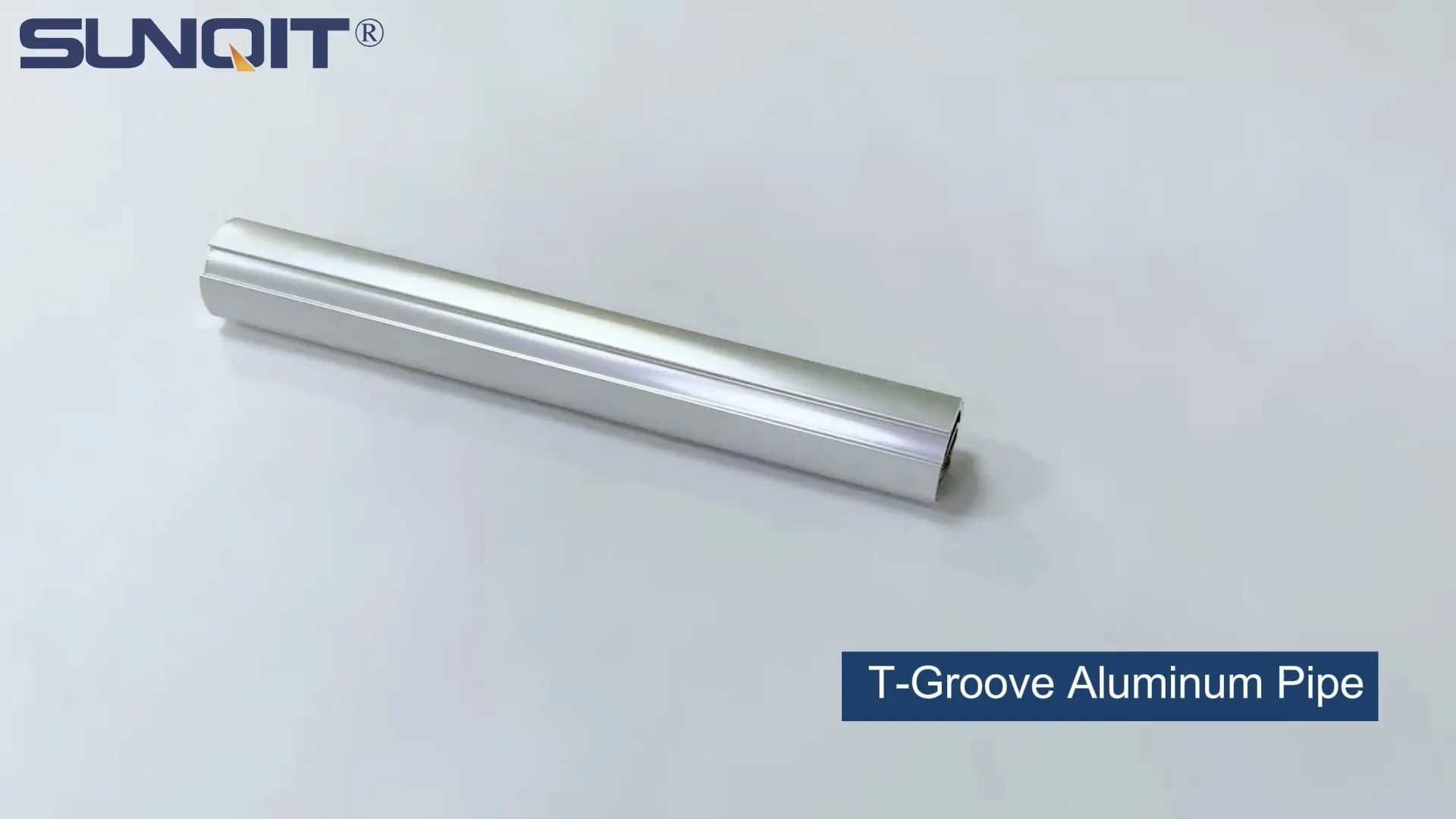
T-Groove Aluminum Pipe
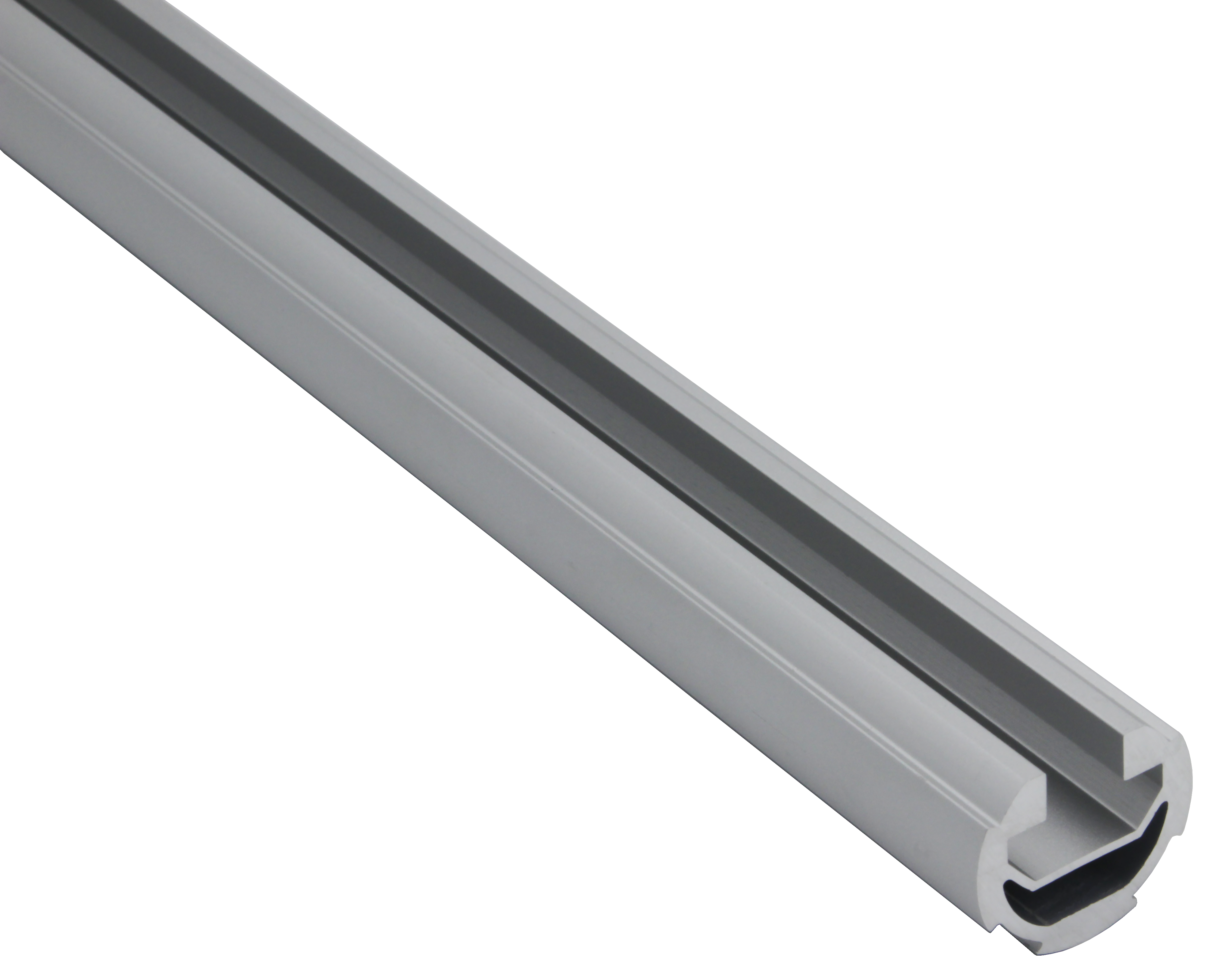
The aluminum pipe opening 10mm is installed into the T-shaped slider, which can be installed with casters or other matching functional parts. The groove can be used for positioning and is used for the track of the roller.
Walk into any workshop, factory floor, or even a home garage, and you'll quickly spot the unsung hero of productivity: the workbench. It's more than just a flat surface—it's where ideas take shape, where parts come together, and where the chaos of raw materials transforms into finished products. But not all workbenches are created equal. A wobbly table with a splintered top can turn a simple task into a frustrating ordeal, while a well-designed, sturdy workbench becomes an extension of your hands, making every movement smoother, every step more efficient. That's where Workbench E comes in—a single-deck, caster-free workbench built around a core framework of T-groove aluminum pipe, designed to redefine what a workspace staple can be.
Meet Workbench E: A Modern Take on Functional Design
Workbench E isn't just another piece of equipment; it's a solution crafted for the way we work today. Designed as a "single deck-without caster" model, it prioritizes stability and fixed positioning—perfect for environments where precision matters most, like electronics assembly lines, small-scale manufacturing stations, or lab workbenches. Unlike flimsy particleboard tables that sag under weight or rust-prone steel frames that require constant maintenance, Workbench E leans into the strengths of aluminum: lightweight yet surprisingly robust, resistant to corrosion, and infinitely adaptable. At its heart lies the T-groove aluminum pipe, a material that's quietly revolutionizing how we build and use workspaces.
The Backbone: T-Groove Aluminum Pipe as the Core Framework
Imagine building a house without a solid foundation—it might stand for a while, but it won't weather the storm. The same applies to workbenches. Traditional designs often rely on welded steel frames or bolted wooden supports, which are rigid and hard to modify. T-groove aluminum pipe changes the game. These pipes, shaped through an extrusion process that creates consistent, precise channels (the "T-grooves"), act as the skeleton of Workbench E. The grooves aren't just for show; they're functional, allowing accessories like brackets, shelves, and tool holders to slide into place and lock securely with minimal effort. This means your workbench isn't a static piece of furniture—it's a canvas that adapts to your needs, whether you're adding a new shelf for tools or repositioning a monitor arm for better ergonomics.
Aluminum extrusion profile, the process used to create these T-groove pipes, is a marvel of modern manufacturing. By forcing heated aluminum through a die, manufacturers produce pipes with uniform dimensions and structural integrity, ensuring every piece of the framework is as strong as the last. This consistency is key for Workbench E: when you're assembling parts or measuring components, the last thing you need is a wobbly surface caused by uneven frame sections. With aluminum extrusion profile, each pipe, joint, and bracket fits together like puzzle pieces, creating a rock-solid base that can support heavy tools, stacks of materials, and the daily wear and tear of a busy workspace.
| Component | Material | Function | Benefit |
|---|---|---|---|
| T-Groove Aluminum Pipe | Aluminum Extrusion Profile | Core framework, structural support | Lightweight, corrosion-resistant, customizable via T-grooves |
| Lean Pipe Joints | Aluminum Alloy | Connect pipes at angles (90°, 45°, etc.) | Tool-free assembly, reusable for reconfiguration |
| Aluminum Profile Accessories | Aluminum, Rubber, Nylon | End caps, T-slot covers, edge guards | Reduces noise, prevents debris buildup, protects surfaces |
| Aluminum Honeycomb Panel (Deck) | Aluminum Honeycomb Core with Aluminum Skin | Work surface | Lightweight, high strength-to-weight ratio, flat and stable |
| Aluminum Foot Base | Cast Aluminum | Anchors the frame to the floor | Enhances stability, adjustable for uneven surfaces |
Building Blocks: Key Components of Workbench E
Aluminum Profile Accessories: The Details That Make a Difference
A framework is only as good as its parts, and Workbench E doesn't skimp on the details. Aluminum profile accessories might seem small, but they're the unsung heroes that turn a basic frame into a polished, functional workspace. Take end caps, for example—those simple plastic or rubber covers that snap onto the ends of aluminum pipes. They prevent dust, debris, and even small tools from falling into the T-grooves, keeping the framework clean and easy to maintain. Then there's the T-slot rubber seal cover, a flexible strip that fits into the grooves when they're not in use. Not only does it give the workbench a neat, finished look, but it also reduces noise—no more clanging when tools or parts accidentally slide across the frame.
Edge guards are another must-have accessory. Made from soft rubber or nylon, they line the edges of the workbench deck, protecting both the aluminum frame and your hands from sharp corners. If you've ever bumped your arm on a metal workbench, you know how painful that can be—edge guards turn that "ouch" moment into a gentle nudge. Even something as simple as aluminum profile rubber strips, which line the contact points between the deck and the frame, adds value by reducing vibration. When you're using power tools or hammering, that extra cushioning keeps the workbench steady and prevents the deck from shifting over time.
Lean Pipe Joints: The Glue That Holds It All Together
If T-groove aluminum pipes are the bones of Workbench E, lean pipe joints are the joints that let those bones move (or stay put, depending on your needs). These small but mighty connectors are designed to link pipes at various angles—90°, 45°, 135°—without the need for welding or drilling. Most lean pipe joints feature a cam lever or set screw mechanism: slide the pipe into the joint, tighten the lever, and it locks into place with a satisfying click. This tool-free assembly isn't just convenient during initial setup; it's a game-changer for future modifications. Maybe next month you need to add a side shelf, or next year you want to raise the height by a few inches—with lean pipe joints, you can disassemble and reconfigure the frame in minutes, no special skills required.
What sets these joints apart is their durability. Made from high-grade aluminum alloy, they're resistant to rust and wear, even in humid or dusty environments. Unlike plastic connectors that crack under pressure or steel ones that seize up with corrosion, aluminum lean pipe joints maintain their grip over years of use. This reliability is crucial for Workbench E, which is built to be a long-term investment, not a temporary fix. Whether you're clamping down a heavy vice or leaning on the edge while reaching for a tool, these joints ensure the frame stays tight and stable.

Beyond the Basics: Customizing Workbench E for Your Needs
One of the biggest frustrations with off-the-shelf workbenches is that they're designed for "average" users, leaving you to adapt your workflow to their limitations. Workbench E flips that script by putting customization at the forefront. The T-groove aluminum pipe framework is like a modular system, where you can mix and match accessories to create a workspace that fits your unique habits. Need a place to hang screwdrivers and pliers? Add a tool rail using T-groove brackets. Want to keep small parts organized? Slide a set of drawer units into the side grooves. Even the deck can be swapped out—if you need a heat-resistant surface for soldering, replace the aluminum honeycomb panel with a ceramic top; if you work with electronics, add an ESD (electrostatic discharge) mat that attaches directly to the frame via T-groove clips.
Mobility is another area where Workbench E offers flexibility, even though it's designed without casters initially. If your needs change and you suddenly require a movable workspace, you can retrofit the frame with caster wheels using aluminum pipe clamps. These clamps secure the casters to the legs, turning your fixed workbench into a mobile station in under an hour. And when you don't need mobility anymore? Simply remove the casters and reattach the aluminum foot bases—no permanent modifications, no damage to the frame. This adaptability is what makes Workbench E ideal for small businesses and home workshops, where space and needs evolve over time.

Durability Meets Flexibility: Why Aluminum Extrusion Profile Stands Out
To truly appreciate Workbench E, it helps to compare it to traditional workbench materials. Wood is affordable but prone to warping, rotting, and scratching; even treated plywood won't stand up to years of heavy use. Steel is strong but heavy, making it hard to move or modify, and it rusts if not regularly painted or coated. Aluminum extrusion profile, on the other hand, hits the sweet spot between strength, weight, and versatility. It's about 30% lighter than steel, so the frame is easy to maneuver during assembly, but it has a tensile strength that rivals many steel alloys, meaning it can support hundreds of pounds without bending. Unlike wood, it doesn't absorb moisture, so it won't swell or crack in humid conditions, and it's naturally resistant to corrosion, so you don't have to worry about rust stains on your workspace.
The extrusion process also gives aluminum profile a consistent wall thickness, which translates to uniform strength across the entire frame. With wooden frames, knots or weak spots can create weak points; with welded steel, a poor weld can lead to structural failure. Aluminum extrusion profile eliminates these variables, ensuring every inch of the frame is as strong as the design intended. This consistency is why Workbench E can handle heavy loads—up to 500 pounds on the deck—without so much as a creak. Whether you're assembling engine parts or stacking boxes of inventory, you can trust the frame to stay steady.
A Day in the Life: How Workbench E Transforms Workflow
Let's step into the shoes of Maria, a production assembler at a small electronics company, to see how Workbench E impacts daily work. Before switching to Workbench E, Maria used a wooden workbench that wobbled every time she tightened a screw, and the surface was covered in scratches and glue stains that made it hard to keep parts organized. The legs were uneven, so she had to prop up one corner with a folded piece of cardboard to keep her tools from sliding off. By mid-afternoon, her back ached from leaning over the low surface, and she often wasted time searching for misplaced components that had rolled into the cracks between the table and the wall.
Now, with Workbench E, Maria's workspace feels like an extension of her hands. The flat, stable deck means her circuit boards stay level, reducing the risk of solder bridges or misplaced components. The T-groove sides hold a set of magnetic tool holders, so her screwdrivers and tweezers are always within arm's reach, not buried in a drawer. She added a small LED light bar that clips into the top groove, illuminating her work without casting shadows. Even the height is perfect—adjusted during setup using aluminum foot bases—to keep her elbows at a comfortable 90° angle, easing the strain on her back. "It sounds silly," she says, "but I actually look forward to coming into work now. The bench doesn't fight me anymore; it helps me get things done faster, and I leave at the end of the day feeling less tired."
Durability Meets Sustainability: The Long-Term Value of Aluminum
In a world where disposable products are the norm, Workbench E stands out as a sustainable choice. Aluminum is one of the most recyclable materials on the planet—nearly 75% of all aluminum ever produced is still in use today. When (and if) Workbench E ever reaches the end of its life, the frame can be disassembled, and the aluminum pipes and joints recycled into new products, reducing waste and minimizing environmental impact. Even during production, aluminum extrusion profile generates less waste than traditional manufacturing methods, as the extrusion process uses nearly all the raw material, leaving little scrap behind.
This sustainability isn't just good for the planet—it's good for your bottom line. A workbench that lasts 10 years instead of 2 reduces replacement costs and downtime. Aluminum's resistance to corrosion and wear means you won't spend money on repainting, rust removal, or repairs. And because the frame is so easy to modify, you won't need to buy a new workbench every time your workflow changes. Workbench E isn't just a purchase; it's an investment in a workspace that grows with you, adapts to your needs, and stands the test of time.
Conclusion: Investing in Your Workspace, Investing in Success
At the end of the day, a workbench is more than just a piece of equipment—it's a reflection of how you value your work. A rickety, disorganized workspace sends a message that corners can be cut, that efficiency isn't a priority. Workbench E, with its T-groove aluminum pipe core, lean pipe joints, and customizable aluminum profile accessories, sends a different message: that your work deserves precision, that your time deserves respect, and that your workspace should empower you, not hold you back.
Whether you're assembling electronics, building prototypes, or running a small production line, the right workbench can turn chaos into order, frustration into focus, and hours of work into minutes of progress. Workbench E isn't just built to last—it's built to elevate the way you work. So why settle for a workspace that's "good enough" when you can have one that's designed for excellence? Your hands, your back, and your bottom line will thank you.