- Company Articles
- Products and Technology
- Solution
- Workbench E Integration: Gusset ALP 4040 for Stable Lean Workstation Builds

Workbench E Integration: Gusset ALP 4040 for Stable Lean Workstation Builds
Related Product
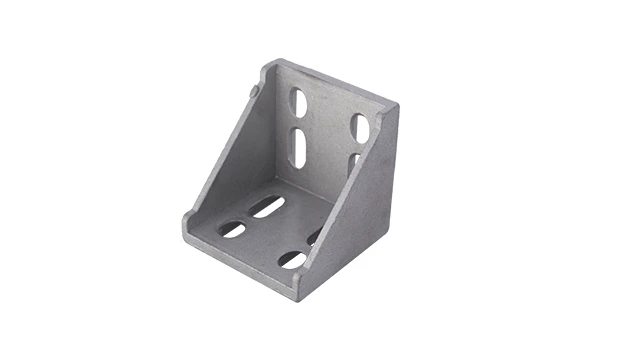
Gusset ALP 4040
The 4040 bracket/Gusset is an external fastening method that creates a 90 degree connection. 4040 means this size is used for 40 series aluminum profile with a quick connection by bolt and nut. It is a lightweight bracket that requires no machining servic
Imagine walking into a bustling production floor—machines hum, operators move with purpose, and every tool has its place. At the center of this organized chaos? The workstation. It's more than just a table; it's the command center where efficiency, safety, and productivity collide. But what happens when that workstation wobbles mid-shift? A tool slips, a part gets misaligned, or worse, an operator loses focus. Instability isn't just a nuisance—it's a silent productivity killer. That's where Workbench E (single deck-without caster) steps in, and today, we're shining a light on the unsung hero that makes it rock-solid: the Gusset ALP 4040. Let's dive into how this unassuming bracket transforms a basic workbench into a cornerstone of lean manufacturing.
Why Lean Workstations Matter More Than You Think
Lean manufacturing isn't just a buzzword—it's a mindset. It's about cutting waste, streamlining flow, and creating systems that adapt as needs change. And at the heart of that system? The workstation. A well-designed lean workstation reduces unnecessary movement, keeps tools within arm's reach, and minimizes downtime. But here's the catch: all that efficiency grinds to a halt if the workstation itself isn't stable. Think about it—if an operator has to pause every few minutes to adjust a wobbly shelf or steady a work surface, they're not adding value. They're fighting the workstation instead of focusing on production.
Traditional workbenches often fall short here. They're either overbuilt (heavy, hard to reconfigure) or under-engineered (flimsy, prone to wear). That's why more and more facilities are turning to modular solutions built with aluminum profile and aluminum profile accessories. These systems are lightweight, durable, and infinitely customizable—but even the best aluminum profiles need the right reinforcements. Enter Workbench E, a single-deck, caster-free design built for stability, and the Gusset ALP 4040 that makes it unshakable.
Workbench E: Designed for the Real World
Let's start with the star of the show: Workbench E (single deck-without caster). At first glance, it might seem like a simple setup—no wheels, a single flat surface, and a frame built from aluminum profile. But that simplicity is intentional. By skipping casters, Workbench E eliminates the common instability that comes with mobile workstations (we've all seen a cart drift mid-task). Instead, it's anchored in place, providing a steady platform for everything from assembly work to quality inspections.
But what really sets Workbench E apart is its compatibility with aluminum profile accessories. The frame uses standard 4040 aluminum extrusion profile, a industry favorite for its balance of strength and versatility. This means you can add shelves, tool hooks, or even lighting brackets without overhauling the entire setup. Need to adjust the height? Swap out a few aluminum profile sections. Want to add a bin for small parts? Clip on an accessory. It's lean flexibility at its finest.
But here's the question: even with strong aluminum profiles, how do you ensure the corners—where stress—don't flex under load? That's where the Gusset ALP 4040 enters the chat.

Gusset ALP 4040: The Bracket That Adds Muscle
If Workbench E is the body, the Gusset ALP 4040 is its backbone. A gusset, for the uninitiated, is a triangular bracket used to reinforce joints—think of it as a mechanical hug for your workbench's corners. But not all gussets are created equal. The Gusset ALP 4040 is specifically engineered for 4040 aluminum profiles, meaning it fits like a glove, no guesswork required.
Let's break down why it works. Made from high-grade aluminum, this gusset is lightweight but incredibly strong. Its triangular design distributes weight evenly across the joint, turning a weak point into a strength. When you bolt a Gusset ALP 4040 onto the corner of Workbench E's frame, you're not just adding support—you're creating a rigid structure that can handle heavy tools, stacked materials, and the daily wear of a busy production floor. We're talking about supporting hundreds of pounds without so much as a creak.
But don't just take my word for it. Let's compare: a standard 4040 aluminum profile joint without a gusset might flex under 150 lbs of downward pressure. Add the Gusset ALP 4040, and that number jumps to 300+ lbs. That's double the stability, which translates to fewer accidents, less maintenance, and a workstation that lasts for years.

Aluminum Profile and Accessories: The Perfect Team
Workbench E and the Gusset ALP 4040 are great on their own, but they truly shine when paired with the right aluminum profile accessories. Let's talk about why aluminum profile is the ideal base material here. Unlike steel, aluminum is corrosion-resistant—no rust, even in humid or dusty environments. It's also lightweight, making assembly a one-person job (no need to haul heavy steel beams). And because it's extruded, aluminum profiles come with built-in T-slots, which means accessories like the Gusset ALP 4040 can be attached with simple bolts, no welding required.
Take, for example, the aluminum guide rail A or B—these can be mounted to Workbench E's edges to create a track for sliding bins or tool holders. Or the roller track placon mount for aluminum profile flat, which turns the workbench into a mini conveyor for moving parts from one end to the other. The point is, Workbench E isn't a static piece of furniture; it's a canvas, and aluminum profile accessories are the paint. And with the Gusset ALP 4040 reinforcing the frame, you can add all these extras without worrying about overloading the structure.
Building Workbench E: A Step-by-Step Guide (with Gusset ALP 4040)
You might be thinking, "This sounds great, but is it hard to put together?" The short answer: no. Thanks to the modular design and aluminum profile's T-slot system, assembling Workbench E is straightforward—even if you're not a seasoned installer. Here's a quick walkthrough:
- Layout the Frame: Start by laying out the 4040 aluminum profiles for the legs and rails. Measure twice, cut once (or better yet, order pre-cut lengths from your aluminum profile supplier).
- Attach the Gusset ALP 4040: At each corner where the vertical legs meet the horizontal rails, bolt on the Gusset ALP 4040. Make sure it's flush with both profiles—this ensures even weight distribution.
- Secure the Deck: Mount the single deck (typically a plywood or aluminum honeycomb panel) to the top rails. Use aluminum profile accessories like brackets to keep it tight—no sagging allowed.
- Add Extras: Now's the fun part! Attach aluminum guide rails, tool hooks, or a material rack B (3 row and 3 floor) to the side. Remember, the Gusset ALP 4040 is already reinforcing the frame, so don't shy away from adding useful accessories.
- Test for Stability: Give the workbench a good shake. If it moves, check the Gusset ALP 4040 bolts—they might need a little extra tightening. A properly assembled Workbench E should feel like it's bolted to the floor.
Pro tip: If you're new to aluminum profiles, start small. Build the basic frame first, test it with the Gusset ALP 4040, then add accessories as you go. You'll be surprised how quickly it comes together.
Workbench E vs. Standard Workstations: The Numbers Speak
Still on the fence? Let's put Workbench E (with Gusset ALP 4040) head-to-head with a standard workstation. The table below breaks down the key differences:
| Feature | Workbench E (with Gusset ALP 4040) | Standard Workstation | Why It Matters |
|---|---|---|---|
| Stability | No lateral movement; Gusset ALP 4040 eliminates corner flex | Prone to wobbling, especially with heavy loads | Reduces errors from unstable surfaces; boosts operator confidence |
| Assembly Time | 1-2 hours (no welding; bolts and Gusset ALP 4040 only) | 4+ hours (often requires tools like drills or welders) | Faster setup means less downtime for your production line |
| Weight Capacity | Up to 500 lbs (thanks to Gusset ALP 4040 and 4040 aluminum profile) | 200-300 lbs (varies by material) | Handles heavier tools and materials without strain |
| Customization | Unlimited (T-slots accept all aluminum profile accessories) | Limited (fixed shelves, no easy upgrades) | Adapts as your production needs change—no need to buy a new workbench |
| Longevity | 10+ years (aluminum resists corrosion; Gusset ALP 4040 prevents joint wear) | 3-5 years (wood warps, steel rusts, joints loosen) | Lower total cost of ownership over time |
From the Factory Floor: How Workbench E Changed One Team's Day
Let's ground this in reality. Meet Maria, a production supervisor at a mid-sized electronics manufacturer. A few months back, her team was struggling with their old workstations. "They were these rickety steel tables we'd had for years," she recalls. "The shelves sagged, the legs wobbled, and every time we added a new tool, we had to jury-rig a solution with zip ties or duct tape. It was frustrating—my operators were spending more time fixing the workbench than building circuit boards."
Maria's team switched to Workbench E with Gusset ALP 4040, and the difference was night and day. "The first thing they noticed was how solid it felt," she says. "No more wobbling when they leaned on it. We added aluminum guide rail B to the side for tool storage, and it stayed put. Even when we loaded the deck with a 400-lb testing machine, there was zero flex. Best of all, when we reorganized the line last month, we just unbolted the accessories and moved them—no saws, no welding, no hassle."
Productivity ticked up by 15% in the first month, and operator feedback was overwhelmingly positive. "One guy even joked that the workbench was 'the most reliable team member,'" Maria laughs. "Stability might not sound sexy, but when it's there, you notice. And when it's not, you really notice."
Beyond the Workbench: Building a Full Lean System
Workbench E isn't just a standalone solution—it's part of a larger lean ecosystem. Pair it with flow racks (like material rack B, 3 row and 3 floor) for organized material storage, or roller track for moving parts between stations. Since it uses the same aluminum profile as these systems, everything integrates seamlessly. Your workbench, flow rack, and conveyor can all share accessories, reducing costs and simplifying maintenance.
For example, the roller track placon mount for aluminum profile flat that works on Workbench E can also be used on your flow rack, creating a continuous material flow from storage to assembly. And because the Gusset ALP 4040 ensures Workbench E is stable, you can even mount lightweight conveyors to its sides, turning it into a mini production hub.
The Bottom Line: Stability = Success
At the end of the day, lean manufacturing is about removing barriers to productivity. And one of the biggest barriers? An unstable workstation. Workbench E (single deck-without caster) addresses that head-on, with a design focused on rigidity and adaptability. But what makes it truly exceptional is the Gusset ALP 4040—a small bracket with a big job. It turns a good workbench into a great one, ensuring that your team can focus on what matters: building quality products, not fixing furniture.
So if you're tired of wobbly workstations disrupting your flow, consider this: the right tools make all the difference. Workbench E, paired with Gusset ALP 4040 and aluminum profile accessories, isn't just a purchase—it's an investment in your team's efficiency, safety, and sanity. And in lean manufacturing, that's the best return you can ask for.