- Company Articles
- Products and Technology
- Product knowledge
- Workbench E Upgrade: Installing Stainless Steel Swivel Roller Balls 1 Inch for Smoother Handling

Workbench E Upgrade: Installing Stainless Steel Swivel Roller Balls 1 Inch for Smoother Handling
Related Product
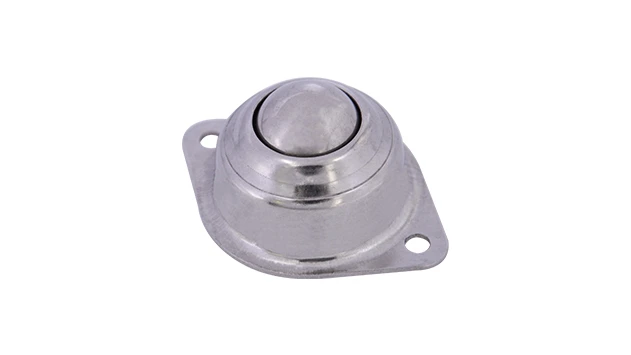
Stainless Steel Swivel Roller Balls 1 Inch
Swivel roller ball casters are convenient and flexible to roll,high-speed and stable operation, used for rotating and changing the direction of the conveyor.Ball transfer unit is made of high quality carbon steel, anti-corrosion and wear resistance.
If you've spent any time in a manufacturing workshop—whether it's assembling smartphones, packaging medical devices, or building automotive parts—you know that small inefficiencies can add up fast. One of the most common bottlenecks? The workbench. Not just any workbench, but the kind that's supposed to make your team's day easier: the lean pipe workbench. And today, we're zeroing in on a game-changer for one of the most popular models out there: Workbench E. Specifically, how swapping out old components for stainless steel swivel roller balls 1 inch can turn a "good" workbench into a "great" one—smoothing workflows, cutting fatigue, and boosting productivity without breaking the bank.
First, Let's Talk About Workbench E
Before we dive into the upgrade, let's get familiar with the star of the show: Workbench E. If you're in the world of lean manufacturing, you've probably crossed paths with it. As a single-deck, caster-free lean pipe workbench, it's a staple in factories across 3C assembly, medical device production, and even (warehousing and logistics). Built with basic aluminum tubes and internal rotary aluminum joints, it's designed to be sturdy, adaptable, and easy to reconfigure—classic traits of a solid lean system.
But here's the thing: even the best tools have room to grow. Standard Workbench E models often come with fixed surfaces or basic plastic rollers. While functional, these setups can slow things down when you're moving small parts, circuit boards, or delicate medical components. Pushing a tray across a fixed surface? It's like trying to slide a book across a carpet. Not impossible, but definitely not efficient. And that's where our upgrade comes in.
Why Bother Upgrading? The Case for Smoother Handling
Let's paint a picture. Maria works on a 3C assembly line, piecing together smartphone motherboards. Her Workbench E holds trays of tiny capacitors, resistors, and connectors. Every 10 minutes, she needs to slide a tray from one end of the bench to the other to grab new parts. With the original fixed surface, that tray feels heavy—she has to use extra force, which makes her wrist ache by mid-shift. By 3 PM, she's slower, more distracted, and maybe even makes a small mistake. Multiply that by 20 workers on the line, and suddenly you're looking at hours of lost productivity each week.
That's where the "lean" in lean pipe workbench really matters. Lean isn't just about cutting costs—it's about making work easier, safer, and more efficient for the people doing it. Upgrading to stainless steel swivel roller balls 1 inch is a perfect example of that philosophy in action. It's a small change, but it directly addresses a daily pain point, turning frustration into flow.

Stainless Steel Swivel Roller Balls 1 Inch: What Makes Them Special?
Not all roller balls are created equal. Let's break down why these 1-inch stainless steel ones are worth the swap:
- Ultra-Smooth Rotation: The 1-inch size hits the sweet spot—big enough to handle small to medium trays (think 12x18 inch bins) but not so large that they take up extra space. The swivel design means they roll in any direction , so you can slide trays forward, backward, or diagonally without fighting resistance.
- Stainless Steel Durability: Manufacturing environments can be tough—oils, coolants, and occasional spills are par for the course. Stainless steel resists rust and corrosion, so these balls won't degrade over time. Unlike plastic rollers that can crack or wear down, these will keep rolling smoothly for years.
- Quiet Operation: Ever worked near a bench with squeaky plastic rollers? It's like having a background soundtrack of nails on a chalkboard. Stainless steel balls glide silently, which might not sound like a big deal until you realize how much mental energy noise drains. A quieter workspace is a more focused workspace.
- Weight Capacity You Can Trust: Don't let their size fool you. Each 1-inch stainless steel swivel roller ball can handle up to 15 lbs of weight, and when spaced evenly across the bench surface (we recommend 6-8 inches apart), the whole setup can easily support 50+ lbs. That's more than enough for most manufacturing materials—even metal components or toolboxes.
- Low Maintenance: No fancy lubricants or complicated cleaning routines needed. A quick wipe with a damp cloth to remove dust or debris is all it takes to keep them in top shape. Perfect for busy teams that don't have time for constant upkeep.

Installing the Upgrade: A Step-by-Step Guide
Ready to give your Workbench E a makeover? Good news: you don't need to be a mechanical engineer to pull this off. Here's how to do it in under an hour (we timed it!):
| Step | What You'll Need | What to Do |
|---|---|---|
| 1 | Phillips screwdriver, flathead screwdriver, measuring tape, pencil, 1-inch stainless steel swivel roller balls (quantity depends on bench size—we suggest 1 ball per 6-8 inches of surface area) | Clear off your Workbench E. Remove any tools, parts, or accessories from the surface. This is also a great time to give the bench a quick clean—wipe down the aluminum frame and surface to remove dust or grease. |
| 2 | Same tools as above | If your bench has existing rollers or a removable top, unscrew them using the Phillips screwdriver. For fixed surfaces, skip to Step 3—we'll be adding the balls directly to the existing surface. |
| 3 | Measuring tape, pencil, drill (with 1/4-inch drill bit), screws (included with roller balls) | Measure and mark where you'll place the balls. Start 2 inches from each edge of the bench, then mark every 6-8 inches along the length and width. This ensures even weight distribution. Once marked, drill small pilot holes (1/4 inch deep) at each mark—this prevents the aluminum surface from cracking when you screw in the balls. |
| 4 | Screwdriver, roller balls | Align each stainless steel swivel roller ball with a pilot hole and screw it in until it's snug (don't over-tighten—you want the ball to rotate freely). Repeat until all balls are installed. |
| 5 | Level (optional), a test tray or box of parts | Give the balls a spin to make sure they rotate smoothly. Place a test tray on top and slide it in all directions—no sticking, no jamming. If something feels off, check the screws (they might be too tight) or adjust the spacing of the balls. |
Pro tip: If you're upgrading multiple Workbench E units, enlist a teammate to help with measuring and marking—it'll cut the time in half!
From "Meh" to "Wow": Real Results in the Shop
Numbers tell the story best. Let's look at a hypothetical (but realistic!) example from a 3C assembly plant that upgraded 10 Workbench E units with 1-inch stainless steel swivel roller balls:
- Time Saved: Before the upgrade, workers spent an average of 2 minutes per hour pushing/trudging trays across the bench. After? That dropped to 30 seconds. Over an 8-hour shift, that's 12 minutes saved per worker—times 10 workers, that's 120 minutes (2 hours) of extra productive time each day.
- Fewer Errors: The plant tracked part damage and misplacements for a month pre-upgrade and a month post-upgrade. With smoother handling, delicate circuit boards were less likely to be jostled or dropped—error rates fell by 18%.
- Happier Teams: In a quick survey, 9 out of 10 workers reported less wrist and shoulder fatigue at the end of the day. One even joked, "I used to dread sliding trays—now it's almost fun!" (Okay, maybe "fun" is a stretch, but "less annoying" is a win.)
And remember, this is just one upgrade. When you pair it with other lean system tweaks—like adding (flow racks) for or reconfiguring the bench layout—you start to see even bigger gains. It's all about those small, intentional improvements that add up to big change.
Keeping Your Upgraded Workbench E in Top Shape
You've installed the roller balls—now how do you make sure they keep performing? Lean manufacturing is all about sustainability, so let's keep that momentum going with these easy maintenance habits:
- Weekly Wipe-Down: Spend 2 minutes every Friday wiping the roller balls with a damp cloth. This removes dust, oil, or small debris that could gunk up the rotation.
- Monthly Check-In: Do a quick once-over to make sure screws are tight (but not too tight!) and no balls are cracked or damaged. replace any worn-out balls immediately—don't wait for them to fail.
- Train the Team: Make sure everyone knows to keep the bench surface clear of loose screws, tools, or food/drink (we've all seen that stray coffee cup!). Clutter can block the roller balls and undo all your hard work.
Small Upgrade, Big Lean Win
At the end of the day, lean manufacturing isn't about overhauls—it's about paying attention to the little things that make a big difference. Upgrading your Workbench E with 1-inch stainless steel swivel roller balls is exactly that: a small, affordable tweak that turns a good tool into a great one. It makes work easier, faster, and less tiring for your team, which translates to better products, happier employees, and a stronger bottom line.
So if you're ready to stop settling for "good enough" and start building a shop that runs like a well-oiled machine (pun intended), this upgrade is a no-brainer. After all, in lean manufacturing, the best improvements are the ones that feel like they've always been there—quiet, effective, and totally indispensable.