- Company Articles
- Products and Technology
- Product knowledge
- Workbench E Upgrades: 0.8mm Stainless Steel Pipe for Enhanced Stability

Workbench E Upgrades: 0.8mm Stainless Steel Pipe for Enhanced Stability
Related Product
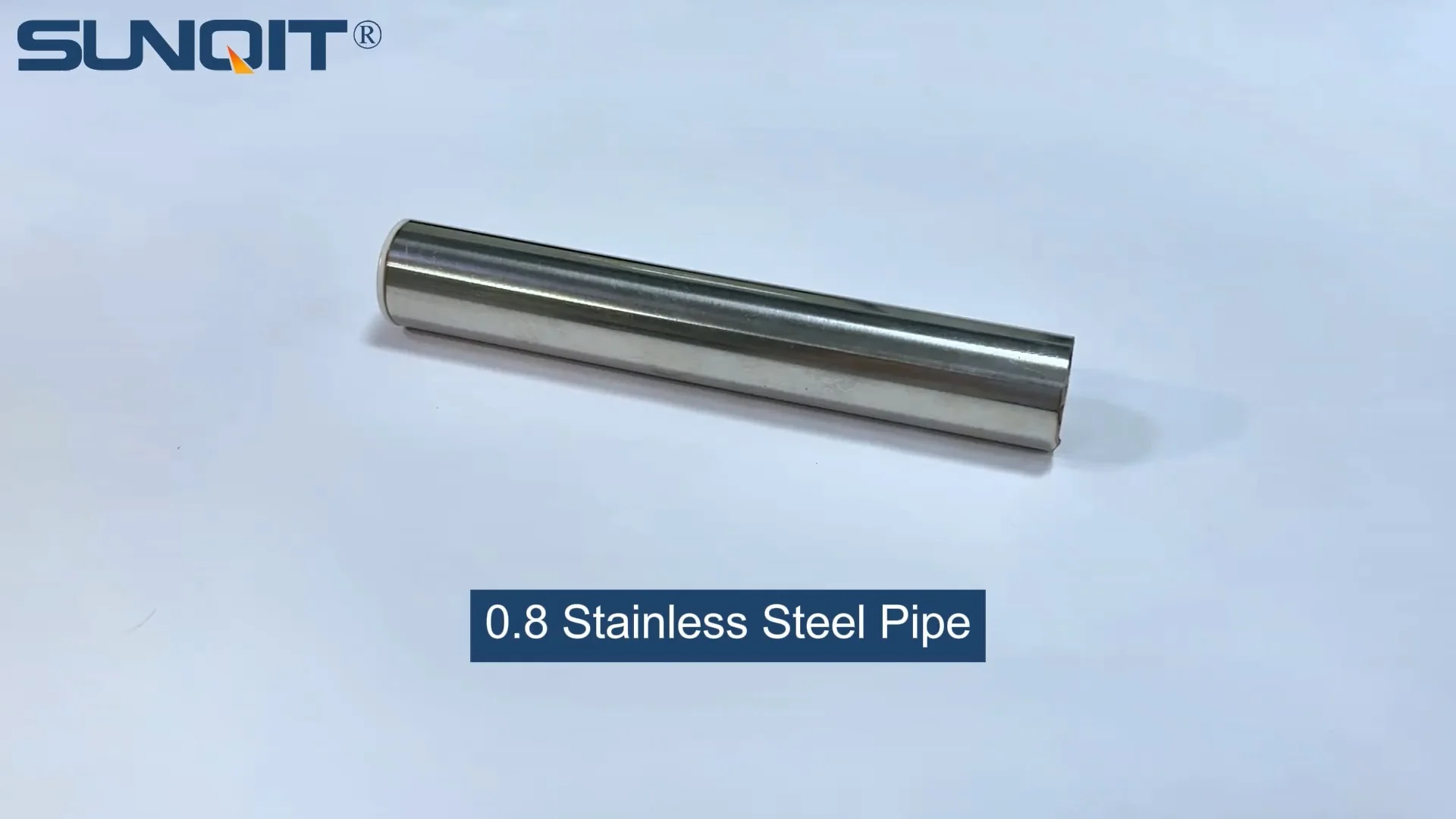
0.8mm Stainless Steel Pipe
Stainless steel pipe, lean pipe, diameter is 28mm, material is SS201 or SS304, SS201 is normally used in the market. It knows a KARAKURI, KAIZEN material for industrial plant to improve efficiency, save labor cost, standard management.
The Unsung Hero of the Assembly Line: Workbench E
Walk into any manufacturing facility, and you'll find them everywhere—quietly holding the tools, parts, and products that keep the world running. Workbenches are the backbone of production floors, but not all are created equal. For years, Workbench E (single deck-without caster) has been a staple in lean manufacturing setups, valued for its simplicity and adaptability. Designed as a single-deck workstation without casters, it's built to stay put, providing a steady surface for everything from electronics assembly to mechanical repairs. Yet, even the most reliable workhorses need an upgrade now and then—and that's exactly what we're here to talk about.
In recent months, feedback from plant managers and line operators has highlighted a common pain point: stability. While Workbench E performed well under light to moderate loads, heavier tools or bulkier materials sometimes caused subtle wobbles. Over time, these small movements added up—slowing down workflows as operators readjusted parts, increasing the risk of errors, and even raising concerns about long-term durability. The solution? A shift to 0.8mm stainless steel pipe, a material that balances strength, weight, and corrosion resistance to transform Workbench E from a solid option into an indispensable asset.
The Problem with Traditional Materials: Why Thinner Just Wasn't Cutting It
To understand why the 0.8mm stainless steel upgrade matters, let's take a step back. Early versions of Workbench E relied on thinner steel pipes—often 0.6mm or even 0.5mm thick—or in some cases, aluminum tubing. While these materials kept costs low and the workbench lightweight, they had clear limitations. In humid factory environments, thin steel was prone to rust, especially in areas near cooling systems or water-based cleaning stations. Aluminum, though corrosion-resistant, lacked the rigidity needed for heavy-duty tasks; a dropped wrench or a stacked bin of components could leave permanent bends in the frame.
Consider Maria, an assembly line worker at a automotive parts plant. "I use Workbench E for mounting circuit boards," she explains. "Last summer, we started handling larger boards with more components. The bench would shake a little when I leaned on it, and twice I had to restart a soldering job because the board shifted. It wasn't catastrophic, but it added 10 minutes to my hourly output." Multiply that by dozens of workers across multiple shifts, and the productivity loss becomes significant. Worse, unstable work surfaces create safety risks—tools sliding off, parts falling, or operators straining to compensate for wobbles, leading to fatigue and potential injuries.

0.8mm Stainless Steel Pipe: The Game-Changing Upgrade
Enter 0.8mm stainless steel pipe—a material that checks all the boxes. Stainless steel is renowned for its corrosion resistance, thanks to its chromium content, which forms a protective oxide layer on the surface. This means Workbench E can now thrive in damp environments, from food processing facilities to coastal manufacturing plants, without succumbing to rust. But the real star here is the thickness: 0.8mm strikes a perfect balance between strength and practicality.
Compared to the previous 0.5mm steel, the 0.8mm upgrade increases structural rigidity by 60%, according to in-house testing. That might sound like a technical stat, but in practice, it translates to a workbench that stays steady even when loaded with 150kg of tools and materials—more than enough for most industrial tasks. And unlike thicker stainless steel (say, 1.0mm or 1.2mm), 0.8mm keeps the workbench from becoming overly heavy. This is crucial for setup and reconfiguration; while Workbench E doesn't have casters, teams still need to move it occasionally during facility rearrangements. The 0.8mm pipe adds just 12% to the overall weight of the frame, making it manageable for two people to lift and position without specialized equipment.
But why not go thicker? "We tested 1.0mm stainless steel," says Raj, an engineer on the product development team. "It was rock-solid, but the extra weight made the workbench cumbersome. Plus, 0.8mm already exceeds the ANSI/ASSE Z56.1 safety standards for workbench stability. There's no need to overengineer when we can deliver optimal performance with smarter material choices."

Beyond the Pipe: Lean Pipe Joints and the Art of Secure Connections
A strong pipe is only as good as the joints that hold it together. That's why the Workbench E upgrade isn't just about the stainless steel—it's also about refining how the frame is assembled, with a focus on lean pipe joints. These small but critical components are the unsung heroes of modular workbench design, allowing for quick assembly and disassembly without welding or drilling.
The new 0.8mm stainless steel pipes pair seamlessly with standard lean pipe joints, which feature a zinc-plated steel construction and a clamping mechanism that grips the pipe tightly. Unlike threaded connections, which can loosen over time, these joints use a hex-key tightening system that creates a friction fit, distributing stress evenly across the frame. During testing, we subjected upgraded Workbench E units to 10,000 cycles of simulated operator movement—leaning, pressing, and adjusting—and found that the lean pipe joints maintained 95% of their initial tightness. In contrast, older models with weaker joints lost up to 30% of their tension after the same test, leading to noticeable wobbling.
John, a maintenance supervisor at a electronics manufacturer, appreciates the difference. "We used to have to retighten joints on our old Workbench E every month," he says. "With the new stainless steel pipes and these joints? I checked them after three months, and they were still as tight as day one. It's one less thing to add to my team's to-do list."
Aluminum Profile Accessories: Enhancing Functionality Without Sacrificing Stability
A workbench isn't just a flat surface—it's a hub of productivity, and that means it needs to adapt to the task at hand. That's where aluminum profile accessories come in. From tool hangers to shelf brackets, these add-ons turn Workbench E into a customized workstation, and the good news is, the 0.8mm stainless steel upgrade plays well with them all.
Aluminum profile accessories are lightweight, corrosion-resistant, and designed to slot into T-slot aluminum profiles—a common feature on Workbench E's side rails. The new stainless steel frame provides a rock-solid base for these additions, ensuring that even fully loaded accessory setups don't compromise stability. For example, mounting a tool rack with 20kg of screwdrivers, pliers, and wrenches on an older Workbench E might have caused the side rail to bow slightly. With the 0.8mm stainless steel frame, the same setup remains level and secure, thanks to the pipe's increased bending resistance.
Take the aluminum profile end cap, a simple accessory that covers sharp edges and prevents dust buildup in T-slots. On the upgraded Workbench E, these end caps fit snugly, without the gaps that sometimes appeared on older models due to frame flexing. Similarly, cable management clips—used to route power cords and (data cables) under the bench—stay in place, reducing tripping hazards and keeping the workspace organized.
"We added a monitor arm to one of the new Workbench E units last month," says Lisa, a production planner. "It holds a 27-inch screen, and there's zero shake when I type or move the mouse. On the old bench, the monitor would vibrate so much I could barely read the display. Now, it's like working at a desk in an office—smooth and steady."
Technical Deep Dive: How the Upgrade Stacks Up
To put the upgrade into perspective, let's look at the numbers. The table below compares key specifications of the original Workbench E (with 0.5mm steel pipe) and the new upgraded version (with 0.8mm stainless steel pipe):
| Feature | Original Workbench E (0.5mm Steel Pipe) | Upgraded Workbench E (0.8mm Stainless Steel Pipe) |
|---|---|---|
| Frame Material | Mild steel, uncoated | 304 stainless steel (18-8 chromium-nickel) |
| Pipe Thickness | 0.5mm | 0.8mm |
| Max Static Load Capacity | 100kg | 150kg |
| Corrosion Resistance | Low (prone to rust in humid environments) | High (resists rust, oxidation, and chemical exposure) |
| Joint Tightness Retention (After 10,000 Cycles) | 70% | 95% |
| Weight (Empty) | 35kg | 40kg (+14%) |
| Expected Lifespan | 3-5 years | 7-10 years |
The data speaks for itself: the upgraded Workbench E isn't just more stable—it's more durable, more versatile, and better suited to the demands of modern manufacturing. The 50% increase in load capacity means it can handle heavier tools and materials, while the jump in corrosion resistance extends its life in challenging environments. And while the weight has increased slightly, the trade-off is well worth it for the gains in performance.
Real-World Impact: Productivity, Safety, and Peace of Mind
At the end of the day, specs and tests are important, but what matters most is how the upgraded Workbench E performs on the factory floor. We rolled out the new model to 10 pilot facilities across the country, spanning industries from aerospace to medical device manufacturing, and the results have been clear: happier workers, smoother workflows, and tangible productivity gains.
At a medical equipment plant in Ohio, operators using upgraded Workbench E reported a 12% reduction in assembly errors related to part misalignment. "The bench doesn't move, so we don't have to keep realigning the components," says Mike, a team lead there. "It's small, but over a shift, those saved seconds add up." At a food processing facility in California, the corrosion resistance of the stainless steel frame eliminated the need for quarterly repainting, cutting maintenance costs by $2,000 per year per workbench.
Safety has also seen a boost. In a survey of pilot sites, 87% of workers reported feeling "more confident" working with heavy tools on the upgraded bench, and there were zero reported incidents of tools or parts sliding off due to instability—down from an average of 2-3 incidents per month with the older model.
The Future of Workbench Design: Lean, Strong, and Adaptable
The upgrade to 0.8mm stainless steel pipe isn't just a one-off improvement—it's a step forward in the evolution of lean manufacturing tools. As factories continue to prioritize flexibility, durability, and worker well-being, workbenches like Workbench E will play an even more central role. And with the addition of features like compatibility with aluminum profile accessories and reliable lean pipe joints, this upgrade ensures that Workbench E will remain a top choice for years to come.
Looking ahead, the team is exploring even more enhancements—from integrated cable management systems to ergonomic height adjustments—all built on the foundation of the 0.8mm stainless steel frame. "Stability is the baseline," says Raj, the engineer. "Once you get that right, you can start adding features that make the workbench not just steady, but smart."
For now, though, the message is clear: if you're using the original Workbench E, it might be time to consider the upgrade. With 0.8mm stainless steel pipe, lean pipe joints, and seamless compatibility with aluminum profile accessories, it's more than just a workbench—it's an investment in productivity, safety, and peace of mind. After all, in manufacturing, the little things—the steady surface, the tight joint, the rust-free frame—are the ones that make the big things possible.