- Company Articles
- FAQ
- FAQ
- Aluminum Foot Base FAQ: Common Questions Answered for Manufacturers

Aluminum Foot Base FAQ: Common Questions Answered for Manufacturers
Related Product
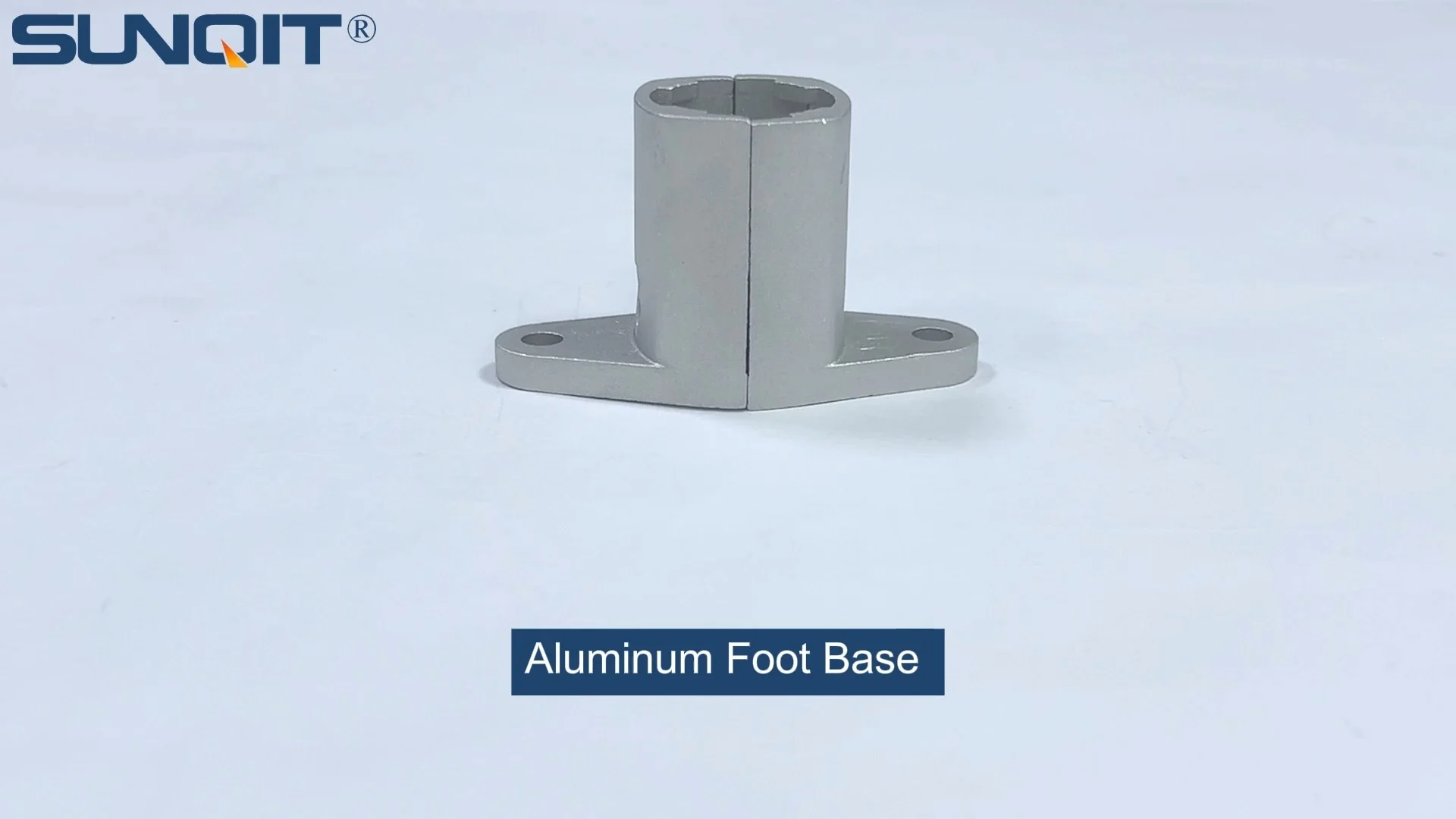
Aluminum Foot Base
Aluminum foot base to connect 28mm aluminum pipe and fixed it on the ground and prevent pipe fall and move.
What Exactly Is an Aluminum Foot Base, and How Does It Support Manufacturing Operations?
At its core, an aluminum foot base is a foundational component designed to anchor and stabilize industrial workbenches, material racks, assembly stations, and other manufacturing equipment. Think of it as the "feet" of your workspace—quietly holding everything together while absorbing vibrations, supporting heavy loads, and ensuring that your setup remains level and secure, even in high-traffic production environments.
For manufacturers, stability isn't just a nicety; it's a necessity. A wobbly workbench can throw off precision assembly, slow down workflows, or even compromise safety. Aluminum foot bases address this by distributing weight evenly across the floor, preventing tipping or shifting during tasks like tool use, part handling, or conveyor operation. They're especially critical for setups involving aluminum profiles, which are lightweight yet strong—without a solid base, even the sturdiest profile frame could wobble.
Beyond stability, aluminum foot bases also play a role in adaptability. Many models are designed to work with adjustable leveling feet, allowing teams to tweak height or compensate for uneven floors—a small detail that makes a big difference when aligning workbenches with conveyors or ensuring ergonomic heights for operators. Whether you're building a lean pipe workbench for assembly line tasks or a material rack for storing components, the foot base is the unsung hero that turns a collection of parts into a functional, reliable workspace.
For manufacturers, stability isn't just a nicety; it's a necessity. A wobbly workbench can throw off precision assembly, slow down workflows, or even compromise safety. Aluminum foot bases address this by distributing weight evenly across the floor, preventing tipping or shifting during tasks like tool use, part handling, or conveyor operation. They're especially critical for setups involving aluminum profiles, which are lightweight yet strong—without a solid base, even the sturdiest profile frame could wobble.
Beyond stability, aluminum foot bases also play a role in adaptability. Many models are designed to work with adjustable leveling feet, allowing teams to tweak height or compensate for uneven floors—a small detail that makes a big difference when aligning workbenches with conveyors or ensuring ergonomic heights for operators. Whether you're building a lean pipe workbench for assembly line tasks or a material rack for storing components, the foot base is the unsung hero that turns a collection of parts into a functional, reliable workspace.
What Materials Are Used in Aluminum Foot Bases, and Why Does Aluminum Stand Out?
Aluminum foot bases are primarily crafted from—you guessed it—aluminum, but not just any aluminum. Most manufacturers use high-grade aluminum alloys, often 6061 or 6063, known for their excellent strength-to-weight ratio, corrosion resistance, and machinability. These alloys are heat-treatable, meaning they can be strengthened to handle heavier loads without adding unnecessary bulk.
So why aluminum? Let's start with weight. Aluminum is about one-third the weight of steel, making foot bases easier to transport, install, and reconfigure—perfect for manufacturers who need to adapt their workspace layouts quickly (a key principle of lean manufacturing). Despite being lightweight, aluminum alloys like 6061 have a tensile strength of around 45,000 psi, which is more than enough to support typical workbench loads (think 500–1,000 lbs per base).
Corrosion resistance is another big win. Manufacturing environments can be harsh—exposure to oils, coolants, or humidity can take a toll on metal components. Aluminum naturally forms a thin oxide layer when exposed to air, acting as a barrier against rust and degradation. This means less maintenance and longer lifespans compared to uncoated steel.
Finally, aluminum is highly customizable. It can be extruded, machined, or welded into various shapes and sizes, allowing suppliers to create foot bases tailored to specific needs—whether you need a compact base for a benchtop station or a heavy-duty version for a multi-tier material rack. When paired with aluminum pipe accessories like brackets or connectors, it creates a cohesive, modular system that's easy to upgrade or modify as your operations grow.
So why aluminum? Let's start with weight. Aluminum is about one-third the weight of steel, making foot bases easier to transport, install, and reconfigure—perfect for manufacturers who need to adapt their workspace layouts quickly (a key principle of lean manufacturing). Despite being lightweight, aluminum alloys like 6061 have a tensile strength of around 45,000 psi, which is more than enough to support typical workbench loads (think 500–1,000 lbs per base).
Corrosion resistance is another big win. Manufacturing environments can be harsh—exposure to oils, coolants, or humidity can take a toll on metal components. Aluminum naturally forms a thin oxide layer when exposed to air, acting as a barrier against rust and degradation. This means less maintenance and longer lifespans compared to uncoated steel.
Finally, aluminum is highly customizable. It can be extruded, machined, or welded into various shapes and sizes, allowing suppliers to create foot bases tailored to specific needs—whether you need a compact base for a benchtop station or a heavy-duty version for a multi-tier material rack. When paired with aluminum pipe accessories like brackets or connectors, it creates a cohesive, modular system that's easy to upgrade or modify as your operations grow.
How Do Aluminum Foot Bases Compare to Other Types (e.g., Steel, Plastic) for Industrial Use?
Choosing the right foot base material depends on your priorities: load capacity, durability, cost, or flexibility. Let's break down how aluminum stacks up against steel and plastic, the two most common alternatives:
For most manufacturers, aluminum hits the sweet spot. It's lighter than steel, so it's easier to reposition during layout changes—a must for lean manufacturing setups where workflows evolve. It's more durable than plastic, making it suitable for heavy tools or machinery. And while steel can handle heavier loads, most workbenches or material racks don't need that extra capacity, making steel's weight and corrosion issues unnecessary drawbacks. Unless your operation involves extreme loads (e.g., automotive stamping) or strictly light-duty tasks (e.g., small electronics assembly), aluminum foot bases offer the best balance of performance and practicality.
| Feature | Aluminum Foot Bases | Steel Foot Bases | Plastic Foot Bases |
|---|---|---|---|
| Weight | Lightweight (1/3 steel's weight) | Heavy (requires more labor to install/move) | Lightest, but less rigid |
| Corrosion Resistance | Excellent (natural oxide layer) | Poor (prone to rust unless coated) | Good, but can degrade in high heat/chemicals |
| Load Capacity | High (up to 1,500 lbs per base with alloy) | Highest (2,000+ lbs, but overkill for many uses) | Low (best for light-duty, <300 lbs) |
| Cost | Moderate (higher than plastic, lower than stainless steel) | Low initial cost, but higher long-term due to maintenance | Lowest upfront, but short lifespan in industrial use |
| Flexibility | High (easily customized, compatible with aluminum profiles) | Low (hard to modify once welded/cut) | Moderate (moldable, but limited strength) |
For most manufacturers, aluminum hits the sweet spot. It's lighter than steel, so it's easier to reposition during layout changes—a must for lean manufacturing setups where workflows evolve. It's more durable than plastic, making it suitable for heavy tools or machinery. And while steel can handle heavier loads, most workbenches or material racks don't need that extra capacity, making steel's weight and corrosion issues unnecessary drawbacks. Unless your operation involves extreme loads (e.g., automotive stamping) or strictly light-duty tasks (e.g., small electronics assembly), aluminum foot bases offer the best balance of performance and practicality.
How Do Aluminum Foot Bases Integrate with Aluminum Profiles and Other Workbench Components?
One of aluminum foot bases' greatest strengths is their compatibility with modular industrial systems, especially aluminum profiles. Aluminum profiles—extruded beams with T-slots—are the building blocks of modern workbenches, racks, and frames. The foot base acts as the foundation, connecting these profiles to the floor and ensuring the entire structure stays aligned.
Integration starts with design. Most aluminum foot bases feature pre-drilled holes or T-slot channels that align with standard aluminum profile accessories like brackets, bolts, or corner codes. For example, a 4040 aluminum profile (40mm x 40mm) can be bolted directly to a foot base with matching hole spacing, creating a secure joint without welding. This modularity means you can mix and match components: add a shelf to your workbench by attaching aluminum profile brackets to the base, or extend a material rack by connecting additional foot bases and profiles.
Adjustable leveling feet are another key integration point. Many foot bases come with threaded holes designed to accept these feet, which screw into the base and allow you to adjust height by turning a knob or wrench. This is critical when aligning multiple workbenches or connecting a foot base-supported frame to a conveyor system—even a 1/4-inch height difference can disrupt material flow.
Don't forget about accessories like casters. While foot bases are stationary by design, some models can be paired with caster mounting plates, letting you convert a fixed workbench into a mobile trolley when needed. This flexibility is a game-changer for lean operations, where tools or materials might need to move between stations.
In short, aluminum foot bases don't just support profiles—they turn them into a cohesive, adaptable system. Whether you're building a simple single-deck workbench or a complex multi-level assembly line, the foot base ensures every component works together seamlessly.
Integration starts with design. Most aluminum foot bases feature pre-drilled holes or T-slot channels that align with standard aluminum profile accessories like brackets, bolts, or corner codes. For example, a 4040 aluminum profile (40mm x 40mm) can be bolted directly to a foot base with matching hole spacing, creating a secure joint without welding. This modularity means you can mix and match components: add a shelf to your workbench by attaching aluminum profile brackets to the base, or extend a material rack by connecting additional foot bases and profiles.
Adjustable leveling feet are another key integration point. Many foot bases come with threaded holes designed to accept these feet, which screw into the base and allow you to adjust height by turning a knob or wrench. This is critical when aligning multiple workbenches or connecting a foot base-supported frame to a conveyor system—even a 1/4-inch height difference can disrupt material flow.
Don't forget about accessories like casters. While foot bases are stationary by design, some models can be paired with caster mounting plates, letting you convert a fixed workbench into a mobile trolley when needed. This flexibility is a game-changer for lean operations, where tools or materials might need to move between stations.
In short, aluminum foot bases don't just support profiles—they turn them into a cohesive, adaptable system. Whether you're building a simple single-deck workbench or a complex multi-level assembly line, the foot base ensures every component works together seamlessly.
How Do Adjustable Leveling Feet Enhance the Functionality of Aluminum Foot Bases?
Adjustable leveling feet are like the "fine-tuning" tool for aluminum foot bases, turning a solid foundation into one that can adapt to real-world imperfections. Here's why they're so valuable:
First, floors in manufacturing facilities are rarely perfectly level. Concrete can settle, or years of heavy equipment use can create small dips or slopes. Without leveling feet, a foot base might rock or sit unevenly, leading to a wobbly workbench. Leveling feet solve this by allowing you to extend or retract each foot individually—twist the foot clockwise to raise that corner, counterclockwise to lower it—until the entire structure is stable. This is especially important for precision tasks, like electronics assembly or quality inspection, where even a slight tilt can affect accuracy.
Second, they protect floors and equipment. Metal foot bases directly contacting concrete can scratch floors or vibrate loudly during operation. Most leveling feet have rubber or plastic pads that grip the floor, reducing noise and preventing damage. They also act as a buffer, absorbing minor shocks from tool use or part drops, which can extend the life of both the foot base and the equipment above.
Third, they support ergonomic customization. Operators come in different heights, and ergonomic guidelines recommend workbench surfaces at elbow height for most tasks. With leveling feet, you can adjust the overall height of a workbench by 1–3 inches, ensuring operators can work comfortably without straining their backs or shoulders. This small adjustment can boost productivity and reduce workplace injuries—two big wins for any manufacturer.
Finally, leveling feet future-proof your setup. If you relocate a workbench to a new area with different floor conditions, or if you add heavier equipment to the bench later, you can simply readjust the feet to maintain stability. For manufacturers using lean principles, this adaptability means you won't need to replace the entire foot base or workbench when workflows change—just tweak the feet and keep going.
First, floors in manufacturing facilities are rarely perfectly level. Concrete can settle, or years of heavy equipment use can create small dips or slopes. Without leveling feet, a foot base might rock or sit unevenly, leading to a wobbly workbench. Leveling feet solve this by allowing you to extend or retract each foot individually—twist the foot clockwise to raise that corner, counterclockwise to lower it—until the entire structure is stable. This is especially important for precision tasks, like electronics assembly or quality inspection, where even a slight tilt can affect accuracy.
Second, they protect floors and equipment. Metal foot bases directly contacting concrete can scratch floors or vibrate loudly during operation. Most leveling feet have rubber or plastic pads that grip the floor, reducing noise and preventing damage. They also act as a buffer, absorbing minor shocks from tool use or part drops, which can extend the life of both the foot base and the equipment above.
Third, they support ergonomic customization. Operators come in different heights, and ergonomic guidelines recommend workbench surfaces at elbow height for most tasks. With leveling feet, you can adjust the overall height of a workbench by 1–3 inches, ensuring operators can work comfortably without straining their backs or shoulders. This small adjustment can boost productivity and reduce workplace injuries—two big wins for any manufacturer.
Finally, leveling feet future-proof your setup. If you relocate a workbench to a new area with different floor conditions, or if you add heavier equipment to the bench later, you can simply readjust the feet to maintain stability. For manufacturers using lean principles, this adaptability means you won't need to replace the entire foot base or workbench when workflows change—just tweak the feet and keep going.
Can Aluminum Foot Bases Be Customized for Specific Load Requirements or Workspace Layouts?
Absolutely—customization is where aluminum foot bases truly shine, especially for manufacturers with unique needs. Suppliers understand that no two production floors are alike, so they offer a range of customization options to tailor foot bases to your exact requirements.
Let's start with load capacity. Standard aluminum foot bases typically handle 500–1,000 lbs, but if your operation involves heavier tools (e.g., CNC routers, hydraulic presses) or stacked material racks, you can opt for reinforced designs. This might mean thicker aluminum plates, additional gussets (triangular support brackets), or denser alloy grades. For example, a foot base designed for a 2,000-lb load might use 6061-T6 aluminum (heat-treated for maximum strength) instead of the standard 6063, and feature a wider base plate to distribute weight more evenly.
Size and shape are also customizable. Need a foot base for a corner workbench? Suppliers can create L-shaped or T-shaped bases to fit tight spaces. Working with odd-sized aluminum profiles? They can drill custom hole patterns or mill T-slots to match your profile's dimensions. Some even offer cut-to-length services, so you get a foot base that fits your workspace exactly—no more trimming excess material or leaving gaps.
Special features are another area of customization. If your facility uses corrosive chemicals, you can request anodized or powder-coated foot bases for extra protection. For cleanrooms or food-grade environments, stainless steel inserts or non-slip rubber pads might be added. Some manufacturers even offer foot bases with integrated cable management channels, keeping power cords or air lines organized and out of the way.
The key is to communicate your needs clearly with your supplier. Share details like: maximum load per base, floor type (concrete, tile, etc.), environmental conditions (humidity, temperature), and any existing components (aluminum profiles, casters) the base needs to work with. A reputable supplier will then engineer a solution that meets those specs—often with CAD drawings or prototypes to ensure it's right before production.
Even better, customization doesn't always mean longer lead times. Many suppliers keep stock of raw aluminum and standard components, allowing them to modify designs quickly. So whether you need a one-off base for a prototype station or 50 custom bases for a new assembly line, aluminum's versatility makes it possible to get exactly what you need, when you need it.
Let's start with load capacity. Standard aluminum foot bases typically handle 500–1,000 lbs, but if your operation involves heavier tools (e.g., CNC routers, hydraulic presses) or stacked material racks, you can opt for reinforced designs. This might mean thicker aluminum plates, additional gussets (triangular support brackets), or denser alloy grades. For example, a foot base designed for a 2,000-lb load might use 6061-T6 aluminum (heat-treated for maximum strength) instead of the standard 6063, and feature a wider base plate to distribute weight more evenly.
Size and shape are also customizable. Need a foot base for a corner workbench? Suppliers can create L-shaped or T-shaped bases to fit tight spaces. Working with odd-sized aluminum profiles? They can drill custom hole patterns or mill T-slots to match your profile's dimensions. Some even offer cut-to-length services, so you get a foot base that fits your workspace exactly—no more trimming excess material or leaving gaps.
Special features are another area of customization. If your facility uses corrosive chemicals, you can request anodized or powder-coated foot bases for extra protection. For cleanrooms or food-grade environments, stainless steel inserts or non-slip rubber pads might be added. Some manufacturers even offer foot bases with integrated cable management channels, keeping power cords or air lines organized and out of the way.
The key is to communicate your needs clearly with your supplier. Share details like: maximum load per base, floor type (concrete, tile, etc.), environmental conditions (humidity, temperature), and any existing components (aluminum profiles, casters) the base needs to work with. A reputable supplier will then engineer a solution that meets those specs—often with CAD drawings or prototypes to ensure it's right before production.
Even better, customization doesn't always mean longer lead times. Many suppliers keep stock of raw aluminum and standard components, allowing them to modify designs quickly. So whether you need a one-off base for a prototype station or 50 custom bases for a new assembly line, aluminum's versatility makes it possible to get exactly what you need, when you need it.
What Maintenance Practices Are Recommended to Keep Aluminum Foot Bases in Optimal Condition?
Aluminum foot bases are low-maintenance compared to steel or plastic, but they still need care to maximize their lifespan—especially in busy manufacturing environments. Here's a simple maintenance routine to keep them performing at their best:
1. Regular Cleaning : Aluminum is corrosion-resistant, but dirt, grease, or chemical spills can trap moisture against the surface, eventually eating through the oxide layer. Wipe down foot bases monthly with a mild detergent and a soft cloth. For tough grime, use a nylon brush (avoid steel wool, which can scratch the surface). Rinse with water and dry thoroughly to prevent water spots.
2. Inspect for Damage : Check foot bases quarterly for signs of wear, like cracks, bent plates, or loose bolts. Pay extra attention to welds (if applicable) and connection points with aluminum profiles—these areas take the most stress. If you notice a cracked base plate or a stripped bolt hole, replace the foot base immediately; a damaged base compromises the entire structure's stability.
3. Lubricate Adjustable Components : If your foot bases have adjustable leveling feet, apply a small amount of silicone lubricant to the threads every 6 months. This prevents seizing, making it easier to adjust height when needed. Avoid oil-based lubricants, which can attract dirt and gum up the threads.
4. Address Corrosion Early : While aluminum doesn't rust, it can develop "white rust" (a powdery oxide layer) in extremely humid or chemical-heavy environments. If you spot this, gently scrub the area with a 50/50 vinegar-water solution, rinse, and dry. For ongoing protection, apply a thin coat of clear acrylic spray (ensure the surface is clean and dry first).
5. Re-Tighten Connections : Vibrations from machinery or daily use can loosen bolts connecting the foot base to aluminum profiles or leveling feet. Use a torque wrench to re-tighten these bolts annually (follow the supplier's recommended torque specs—over-tightening can strip threads).
6. Protect During Relocation : If you need to move a foot base-supported structure, avoid dragging it across the floor (this can scratch the base or damage leveling feet). Instead, lift it with a pallet jack or forklift, or remove the base temporarily and reinstall it in the new location.
Following these steps will keep your aluminum foot bases in top shape for 10+ years—far longer than plastic bases (which degrade in UV light or high heat) or unmaintained steel (which rusts). For manufacturers, this means lower replacement costs and less downtime, letting you focus on what matters: keeping production running smoothly.
1. Regular Cleaning : Aluminum is corrosion-resistant, but dirt, grease, or chemical spills can trap moisture against the surface, eventually eating through the oxide layer. Wipe down foot bases monthly with a mild detergent and a soft cloth. For tough grime, use a nylon brush (avoid steel wool, which can scratch the surface). Rinse with water and dry thoroughly to prevent water spots.
2. Inspect for Damage : Check foot bases quarterly for signs of wear, like cracks, bent plates, or loose bolts. Pay extra attention to welds (if applicable) and connection points with aluminum profiles—these areas take the most stress. If you notice a cracked base plate or a stripped bolt hole, replace the foot base immediately; a damaged base compromises the entire structure's stability.
3. Lubricate Adjustable Components : If your foot bases have adjustable leveling feet, apply a small amount of silicone lubricant to the threads every 6 months. This prevents seizing, making it easier to adjust height when needed. Avoid oil-based lubricants, which can attract dirt and gum up the threads.
4. Address Corrosion Early : While aluminum doesn't rust, it can develop "white rust" (a powdery oxide layer) in extremely humid or chemical-heavy environments. If you spot this, gently scrub the area with a 50/50 vinegar-water solution, rinse, and dry. For ongoing protection, apply a thin coat of clear acrylic spray (ensure the surface is clean and dry first).
5. Re-Tighten Connections : Vibrations from machinery or daily use can loosen bolts connecting the foot base to aluminum profiles or leveling feet. Use a torque wrench to re-tighten these bolts annually (follow the supplier's recommended torque specs—over-tightening can strip threads).
6. Protect During Relocation : If you need to move a foot base-supported structure, avoid dragging it across the floor (this can scratch the base or damage leveling feet). Instead, lift it with a pallet jack or forklift, or remove the base temporarily and reinstall it in the new location.
Following these steps will keep your aluminum foot bases in top shape for 10+ years—far longer than plastic bases (which degrade in UV light or high heat) or unmaintained steel (which rusts). For manufacturers, this means lower replacement costs and less downtime, letting you focus on what matters: keeping production running smoothly.
How Do Aluminum Foot Bases Contribute to Lean Manufacturing Principles and Workflow Efficiency?
Lean manufacturing is all about eliminating waste, streamlining workflows, and maximizing value—and aluminum foot bases play a surprisingly big role in making that happen. Here's how they support key lean principles:
1. Flexibility (Just-In-Time Production) : Lean operations thrive on adaptability—being able to reconfigure workspaces quickly to meet changing demand. Aluminum foot bases are lightweight and modular, making them easy to move or repurpose. For example, if your team needs to shift from assembling Product A to Product B, you can disassemble a foot base-supported workbench, move the components to a new area, and reassemble it in hours (not days). This agility reduces downtime and helps you respond faster to customer orders.
2. Stability = Faster, Safer Work : Waste in lean terms includes defects, delays, and safety incidents. A stable workspace (thanks to foot bases) reduces errors from wobbly tools, speeds up assembly by keeping parts secure, and lowers the risk of accidents from tipping equipment. When operators trust their workbench won't shift mid-task, they work more confidently and efficiently—directly boosting productivity.
3. Space Optimization : Aluminum foot bases are compact by design, with minimal footprint. This lets manufacturers maximize floor space, a critical lean goal (wasted space = wasted resources). For example, a narrow foot base paired with vertical aluminum profiles can create a tall, slender material rack that holds more parts in less square footage than a bulkier steel alternative.
4. Modularity (Kaizen—Continuous Improvement) : Lean isn't a one-time fix; it's about continuous improvement. Aluminum foot bases work with modular components (profiles, brackets, casters), letting teams experiment with small changes to workflows. Want to add a shelf to a workbench? Just bolt on a new bracket. Need to make it mobile? Swap out leveling feet for casters. These small, low-cost modifications let teams test improvements without overhauling entire systems—exactly what kaizen is all about.
5. Durability = Long-Term Value : Lean manufacturing avoids wasteful overspending, and aluminum foot bases deliver long-term value. Their corrosion resistance and low maintenance mean they don't need frequent replacement, unlike plastic bases that crack or steel bases that rust. Over time, this reduces total cost of ownership, freeing up budget for other lean initiatives (e.g., training, new tools).
In short, aluminum foot bases aren't just hardware—they're enablers of lean thinking. By providing stability, flexibility, and durability, they create the foundation (literally) for efficient, adaptable, and waste-free production environments.
1. Flexibility (Just-In-Time Production) : Lean operations thrive on adaptability—being able to reconfigure workspaces quickly to meet changing demand. Aluminum foot bases are lightweight and modular, making them easy to move or repurpose. For example, if your team needs to shift from assembling Product A to Product B, you can disassemble a foot base-supported workbench, move the components to a new area, and reassemble it in hours (not days). This agility reduces downtime and helps you respond faster to customer orders.
2. Stability = Faster, Safer Work : Waste in lean terms includes defects, delays, and safety incidents. A stable workspace (thanks to foot bases) reduces errors from wobbly tools, speeds up assembly by keeping parts secure, and lowers the risk of accidents from tipping equipment. When operators trust their workbench won't shift mid-task, they work more confidently and efficiently—directly boosting productivity.
3. Space Optimization : Aluminum foot bases are compact by design, with minimal footprint. This lets manufacturers maximize floor space, a critical lean goal (wasted space = wasted resources). For example, a narrow foot base paired with vertical aluminum profiles can create a tall, slender material rack that holds more parts in less square footage than a bulkier steel alternative.
4. Modularity (Kaizen—Continuous Improvement) : Lean isn't a one-time fix; it's about continuous improvement. Aluminum foot bases work with modular components (profiles, brackets, casters), letting teams experiment with small changes to workflows. Want to add a shelf to a workbench? Just bolt on a new bracket. Need to make it mobile? Swap out leveling feet for casters. These small, low-cost modifications let teams test improvements without overhauling entire systems—exactly what kaizen is all about.
5. Durability = Long-Term Value : Lean manufacturing avoids wasteful overspending, and aluminum foot bases deliver long-term value. Their corrosion resistance and low maintenance mean they don't need frequent replacement, unlike plastic bases that crack or steel bases that rust. Over time, this reduces total cost of ownership, freeing up budget for other lean initiatives (e.g., training, new tools).
In short, aluminum foot bases aren't just hardware—they're enablers of lean thinking. By providing stability, flexibility, and durability, they create the foundation (literally) for efficient, adaptable, and waste-free production environments.